
Las Vegas is synonymous with dazzling entertainment, world-class resorts, and a vibrant nightlife that attracts millions of visitors annually. It’s a city built on dreams and leisure, often perceived solely through the lens of its iconic Strip and bustling casinos. However, beneath the glitzy facade lies a thriving community, home to a diverse population, including a significant number of military veterans. For these individuals, and indeed for any traveler, the availability and quality of healthcare services are paramount considerations, transcending the usual concerns of hotel amenities or tourist attractions. The question of the reputation of VA hospitals in a dynamic city like Las Vegas is not merely a matter of healthcare provision; it intertwines with broader aspects of lifestyle, accommodation choices, and the overall appeal of Southern Nevada as a place to live or visit.
Veterans who have honorably served the United States deserve nothing less than exceptional medical care. The Department of Veterans Affairs (VA) is tasked with this immense responsibility, managing a nationwide network of hospitals and clinics. In a destination like Las Vegas, where transient populations mix with permanent residents, the performance of the local VA system comes under particular scrutiny. Is the healthcare provided by the VA in this city truly reputable? Does it meet the high standards expected by those who have sacrificed so much? This article delves into these questions, exploring the facets that contribute to the reputation of VA hospitals in Las Vegas, examining their services, patient experiences, and how they integrate into the unique fabric of this desert metropolis.
Understanding the VA Southern Nevada Healthcare System
The healthcare landscape for veterans in Las Vegas is anchored by the VA Southern Nevada Healthcare System. This comprehensive network is designed to cater to the diverse medical needs of veterans residing in or visiting Southern Nevada, a region that continues to experience substantial growth in its veteran population.
A Comprehensive Network for Veterans
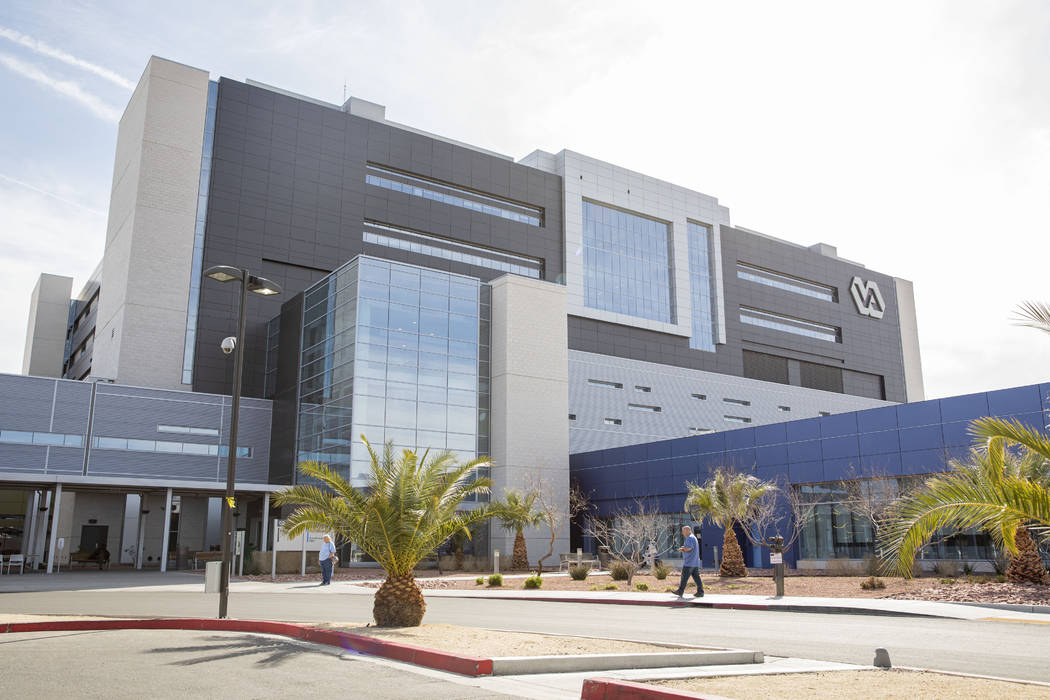
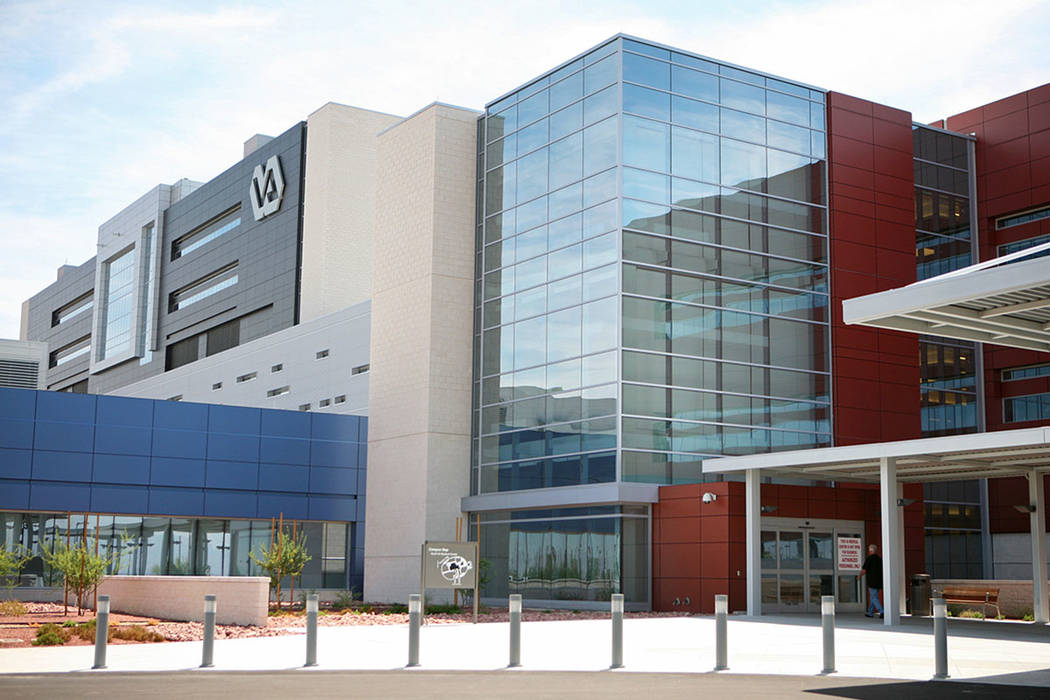
At the heart of the VA Southern Nevada Healthcare System is the North Las Vegas VA Medical Center, a state-of-the-art facility located just north of downtown. This medical center serves as the primary hub, offering a wide array of inpatient and outpatient services. It’s equipped with modern technology and staffed by a dedicated team of healthcare professionals, encompassing various medical disciplines. The facility supports a significant veteran population, drawing patients not only from Las Vegas itself but also from surrounding communities in Nevada and even parts of neighboring states like California, Arizona, and Utah, due to its strategic location.
Beyond the main medical center, the system extends its reach through several Community-Based Outpatient Clinics (CBOCs). These clinics are strategically located in key areas to improve access to primary care and some specialty services, reducing the travel burden for veterans. Notable locations include clinics in Henderson, Summerlin, and an outreach clinic near Nellis Air Force Base. This distributed network ensures that veterans, whether they live in the bustling urban core or the quieter suburbs like Pahrump, have more convenient access to essential healthcare. Services typically available across the system include primary care, mental health services, women’s health, specialty care clinics (e.g., cardiology, orthopedics, dermatology), diagnostic imaging, and pharmacy services. The breadth of services aims to provide holistic care, addressing not just physical ailments but also mental health and overall well-being, which are critical for many veterans.
The Mandate of Care: Quality and Accessibility
The mission of the Department of Veterans Affairs, and specifically the Veterans Health Administration, is deeply rooted in providing comprehensive, high-quality, and accessible healthcare to those who have served. In Las Vegas, this mandate is actively pursued through continuous efforts to improve patient outcomes, reduce wait times, and enhance the overall patient experience. The North Las Vegas VA Medical Center and its associated clinics operate under stringent national VA guidelines and clinical protocols, ensuring a standardized level of care across the system.
However, delivering on this mandate in a rapidly expanding metropolitan area like Las Vegas comes with its unique set of challenges. The city’s growth means an increasing number of veterans are moving to the area, placing greater demands on existing healthcare infrastructure. The VA system in Las Vegas has continually adapted, expanding facilities and recruiting staff to meet these evolving needs. Successes often include specialized programs for post-traumatic stress disorder (PTSD), substance abuse, and homeless veteran support, showcasing a commitment to addressing the specific challenges faced by the veteran community. Accessibility is also a key focus, not just in terms of geographical reach but also through initiatives like telehealth, which allows veterans to connect with their healthcare providers remotely, a particularly valuable service for those with mobility issues or living in more remote parts of Southern Nevada. These efforts underscore the VA’s dedication to making quality care a reality for every veteran.
Evaluating Reputation: Metrics, Perceptions, and Patient Experiences
The reputation of any healthcare provider is a multifaceted construct, influenced by a blend of objective data, individual perceptions, and collective experiences. For VA hospitals in Las Vegas, this evaluation is particularly nuanced, as it navigates both the general public’s understanding of VA healthcare and the specific feedback from its veteran patients.
Navigating Quality Benchmarks and Public Opinion
Assessing the reputation of VA hospitals involves looking at various quality benchmarks. The Department of Veterans Affairs itself employs a comprehensive system of internal metrics to monitor performance, including patient safety indicators, wait times for appointments, and patient satisfaction scores. These internal reports, often available through platforms like VA.gov, provide a transparent view of how individual VA facilities compare against national averages and their own improvement targets. For example, the North Las Vegas VA Medical Center consistently strives to meet or exceed targets for primary care access, mental health services, and preventive screenings.
Beyond internal assessments, public opinion and external ratings play a significant role. Websites that aggregate hospital reviews, patient surveys conducted by independent bodies, and media reports all contribute to the collective perception of VA care in Las Vegas. While common criticisms often revolve around administrative delays, appointment scheduling, or the occasional staffing shortage—issues not unique to the VA system—areas of excellence frequently highlight the specialized expertise in treating service-related conditions, the dedication of the medical staff, and the comprehensive nature of integrated care. Many veterans express deep gratitude for the specific care they receive, particularly in mental health and complex chronic disease management, where the VA’s long-term commitment to its patients often shines through. The veteran community is a tight-knit one, and word-of-mouth, both positive and negative, carries significant weight in shaping the perceived reputation of their healthcare providers.
Staffing, Specialization, and Facilities
A critical component of reputation lies in the expertise of the medical professionals and the quality of the facilities. The VA Southern Nevada Healthcare System employs a diverse team of doctors, nurses, therapists, and support staff, many of whom are veterans themselves or come from military families. This shared experience often fosters a unique understanding and empathy for the veteran patient population, contributing significantly to a positive care environment. The system actively recruits specialists across various fields, ensuring that veterans have access to advanced care in areas such as cardiology, oncology, neurology, and rehabilitation. The emphasis on continuous professional development and training ensures that staff remain abreast of the latest medical advancements and best practices.
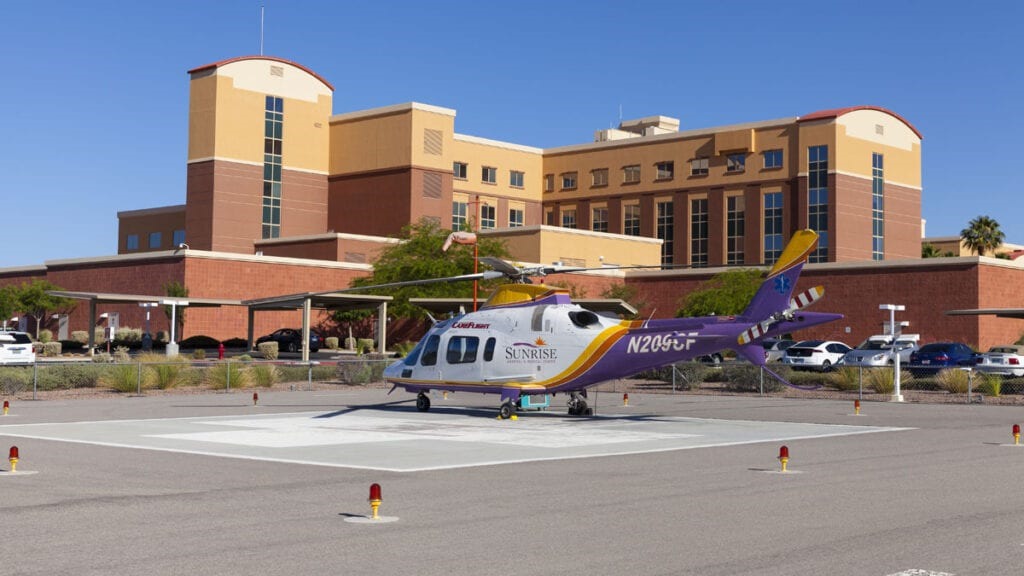
The physical infrastructure of the North Las Vegas VA Medical Center is designed to provide a modern and comfortable healing environment. The facility boasts advanced diagnostic imaging equipment, surgical suites, and specialized clinics. Furthermore, the VA invests in technology to enhance patient care and convenience. Initiatives like the My HealtheVet portal allow veterans to manage appointments, refill prescriptions, and communicate securely with their care teams online, embodying a forward-thinking approach to patient engagement. While the VA system, like any large healthcare organization, faces challenges in resource allocation and infrastructure maintenance, ongoing investments demonstrate a commitment to providing state-of-the-art facilities that rival those in the private sector. The presence of specialized centers, such as those focusing on polytrauma or spinal cord injury, further underscores the VA’s dedication to addressing the complex and specific needs of the veteran population. Compared to other major private hospitals in the area like Sunrise Hospital or UMC, the VA often stands out for its integrated approach to care that considers the unique military service history of its patients.
Healthcare and the Las Vegas Lifestyle: A Veteran’s Perspective
Las Vegas is more than just a tourist hotspot; it’s a rapidly growing metropolitan area that has become a destination for many seeking a new lifestyle, including a significant number of veterans. The quality and accessibility of VA healthcare services are inextricably linked to the decision-making process for veterans considering relocation or extended stays in the city.
Integrating Healthcare into Travel and Residency
For veterans, the ability to access reliable and comprehensive healthcare is a fundamental aspect of their quality of life, whether they are permanent residents or visiting for leisure. Las Vegas, with its appeal as a retirement destination and a vibrant city, attracts veterans from across the United States. When choosing a new home, the reputation and services of the local VA system are often as important as the cost of living, housing options, or recreational opportunities. A robust and reputable VA Southern Nevada Healthcare System directly enhances Las Vegas’ appeal as a veteran-friendly city. Knowing that world-class medical facilities, specifically tailored to their needs, are readily available can provide immense peace of mind.
Furthermore, for veterans traveling to Las Vegas for tourism – perhaps to enjoy the shows, visit iconic landmarks like the Hoover Dam or Red Rock Canyon, or see family – the presence of a reputable VA hospital offers a crucial safety net. The ability to receive care for unexpected medical issues or to continue ongoing treatments while away from home is a significant factor in travel planning. The convenience of access from popular tourist areas, including the Strip and Harry Reid International Airport, to the North Las Vegas VA Medical Center or its satellite clinics, underscores the integral role the VA plays in supporting the overall well-being of veterans within the travel and tourism ecosystem of Las Vegas. The seamless transfer of medical records within the VA system also ensures continuity of care, a vital aspect for any veteran moving or traveling between different VA regions.
Beyond Medical Care: Quality of Life and Community Support
The impact of the VA’s presence in Las Vegas extends beyond direct medical services. It significantly contributes to the broader quality of life for veterans by fostering a supportive community and offering a range of ancillary services. The VA Southern Nevada Healthcare System often collaborates with local veteran service organizations, non-profits, and community groups to provide additional resources such as housing assistance, employment support, legal aid, and social activities. These partnerships create a comprehensive ecosystem of support that addresses the holistic needs of veterans, often going above and beyond standard medical care.
For many veterans, especially those dealing with chronic conditions, disabilities, or the lasting psychological effects of service, belonging to a strong community is as crucial as medical treatment. The VA facilities often serve as hubs for veteran gatherings, support groups, and educational workshops, fostering a sense of camaraderie and shared experience. This aspect of community building directly aligns with the “Lifestyle” theme of Las Vegas – promoting a fulfilling, healthy, and supported existence. The city itself recognizes the value of its veteran population, with various local initiatives and events designed to honor and assist those who have served. From dedicated veteran housing projects to recreational programs that utilize Las Vegas’ natural attractions like Lake Mead and Red Rock Canyon, the presence of a strong VA system underpins these efforts, ensuring veterans can fully integrate and thrive within the vibrant Southern Nevada community. This holistic approach to veteran welfare elevates the reputation of VA hospitals from merely medical centers to essential pillars of community support and quality of life.
Conclusion
The question of whether VA hospitals in Las Vegas are reputable is complex, reflecting the inherent challenges and triumphs of any large-scale healthcare system. Based on an examination of the VA Southern Nevada Healthcare System, it’s evident that the facilities, particularly the North Las Vegas VA Medical Center and its satellite clinics, are committed to providing comprehensive care to the region’s veteran population. They offer a broad spectrum of services, from primary and specialty care to vital mental health support, delivered by dedicated professionals.
While challenges such as wait times and administrative hurdles, common to many healthcare systems, may surface from time to time, the VA in Las Vegas consistently strives to meet national quality benchmarks and improve patient satisfaction. The continuous investment in modern facilities, technology, and specialized programs underscores a robust commitment to the well-being of veterans. More importantly, the VA’s role extends beyond the clinical, significantly impacting the lifestyle and quality of life for veterans residing in or visiting Las Vegas. It provides a crucial healthcare safety net for travelers and a foundational pillar of support for those who choose Southern Nevada as their home, influencing decisions related to accommodation, long-term stay, and community integration.
In summary, while individual experiences may vary, the overall reputation of VA hospitals in Las Vegas is largely positive, marked by a commitment to specialized care, ongoing improvements, and a vital contribution to the veteran community’s well-being. For veterans considering Las Vegas as a destination for travel or permanent residence, the VA Southern Nevada Healthcare System stands as a reputable and essential resource, ensuring that those who have served can access the care they deserve in this dynamic city.
LifeOutOfTheBox is a participant in the Amazon Services LLC Associates Program, an affiliate advertising program designed to provide a means for sites to earn advertising fees by advertising and linking to Amazon.com. Amazon, the Amazon logo, AmazonSupply, and the AmazonSupply logo are trademarks of Amazon.com, Inc. or its affiliates. As an Amazon Associate we earn affiliate commissions from qualifying purchases.