
California, a state synonymous with sun-drenched beaches, towering redwoods, and world-class theme parks, also grapples with a recurring challenge: wildfires. These devastating events can cast a pall over the Golden State, impacting travel plans, air quality, and the very allure of its iconic landscapes. For many travelers planning a trip, a burning question arises: “Are the wildfires in California out?” This article delves into the current wildfire situation, offering insights for those considering a visit to the Golden State, and provides guidance on how to plan a safe and enjoyable travel experience, keeping in mind the diverse offerings of California across travel, accommodation, tourism, and lifestyle.
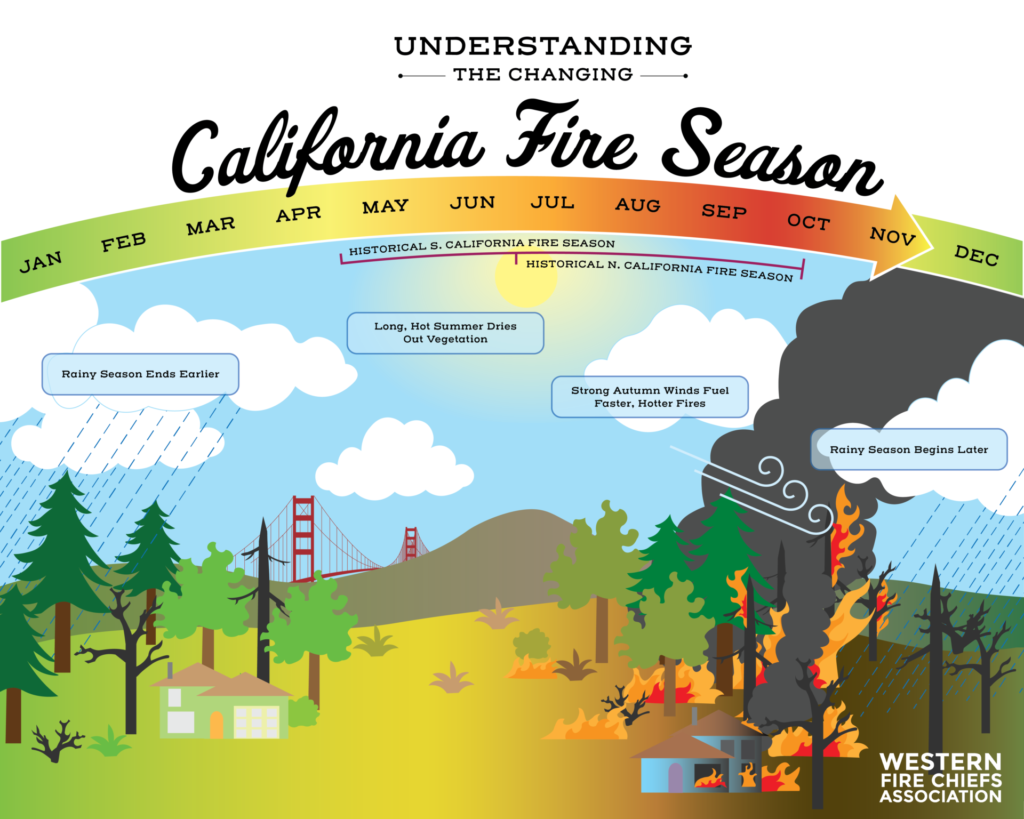
The dynamic nature of wildfires means that a definitive “yes” or “no” answer is often fleeting. Wildfire season in California typically spans from late spring through fall, exacerbated by dry conditions and high temperatures. However, significant fire activity can occur outside these traditional periods, influenced by weather patterns and fuel availability. Understanding the current status is crucial for informed decision-making.
Navigating the Current Wildfire Landscape in California
The question of whether California’s wildfires are “out” requires a nuanced approach. It’s not a simple switch that is flipped. Instead, it’s a continuous monitoring process that involves official agencies, local authorities, and real-time reporting. For travelers, staying informed means looking beyond a general headline and seeking out reliable, up-to-date information.
Understanding Fire Incident Reporting
Several official sources provide comprehensive and current information on wildfire activity across California. The California Department of Forestry and Fire Protection (CAL FIRE) is a primary resource, offering interactive maps and detailed reports on active incidents, containment levels, and projected growth. Similarly, the National Interagency Fire Center (NIFC) aggregates data from various federal and state agencies, providing a national overview that includes California.
When assessing the wildfire situation, travelers should pay attention to the following metrics:
- Acres Burned: This indicates the size of the affected area. While a large number of acres burned might sound alarming, it’s important to consider the location and whether it directly impacts planned travel destinations.
- Containment Percentage: This figure reflects the percentage of the fire’s perimeter that has been secured, preventing further spread. A high containment percentage suggests the fire is under control.
- Cause: Knowing the cause can sometimes provide context, though it’s less critical for immediate travel planning than the fire’s containment and location.
- Location: This is paramount. A wildfire burning hundreds of miles away might have minimal impact on your planned itinerary in Los Angeles or San Francisco, whereas a fire in close proximity to your chosen resort or national park could lead to closures and evacuation orders.
Impact on Travel and Tourism
Wildfires can significantly disrupt travel plans in California. Road closures are common, affecting access to popular attractions and destinations. Air quality can also be a major concern, with smoke from distant fires drifting hundreds of miles, leading to hazy skies and unhealthy breathing conditions. This can impact outdoor activities, from hiking in the Sierra Nevada to exploring the beaches of Southern California.
For those interested in experiencing the natural beauty of California, such as visiting iconic landmarks like Yosemite National Park or the Redwood National and State Parks, it is essential to check park websites and local news for any alerts or closures. Similarly, if you’re planning a stay in a picturesque region known for its vineyards, like Napa Valley, it’s wise to confirm that the fire activity is not impacting the area.
The tourism industry in California is resilient. While fires can cause temporary setbacks, communities often work diligently to reopen attractions and welcome visitors back as soon as it is safe. Many businesses, including hotels and tour operators, are proactive in communicating any changes or advisories to their guests.
Planning Your California Adventure Amidst Wildfire Concerns
Even when wildfires are active, a trip to California can still be incredibly rewarding. The key lies in flexibility, informed planning, and a willingness to adapt your itinerary. The vastness of California means that even if one region is affected, numerous others remain unaffected and open for exploration.

Choosing Your Destination Wisely
When selecting your travel dates and destinations in California, consider the following:
- Geographic Location: Research the historical wildfire patterns of your intended destination. For instance, coastal areas might be less prone to large-scale wildfires compared to inland forests.
- Time of Year: While wildfire season is generally considered late spring through fall, early season fires can occur. Being aware of current conditions during your travel window is always recommended.
- Flexibility: If your heart is set on a specific region but there are concerns, have a backup plan. California offers an incredible diversity of experiences, from the urban excitement of San Francisco to the desert landscapes around Palm Springs, or the family-friendly attractions in Anaheim.
Accommodation and Lifestyle Considerations
When booking accommodation in California, whether it’s a luxurious suite at a five-star resort or a budget-friendly apartment for a long-term stay, it’s always prudent to be aware of the general conditions in the area.
- Hotel Bookings: Most reputable hotels and resorts will communicate any significant disruptions directly with guests. Websites like lifeoutofthebox.com can offer reviews and comparisons that might highlight recent guest experiences regarding local conditions. Look for accommodations that prioritize guest safety and have clear communication channels.
- Luxury vs. Budget Travel: Both luxury and budget travelers can find themselves impacted. For luxury travel, exclusive resorts may have enhanced protocols for air filtration and guest comfort during periods of poor air quality. For budget travel, flexibility in your accommodation choices might be key. If a particular area experiences significant smoke, you might need to adjust your plans to a different region, potentially requiring a change in accommodation.
- Family Trips and Business Stays: For family trips, air quality is a primary concern, especially for young children and the elderly. For business stays, ensuring a safe and healthy environment for employees is paramount. Many hotels offer amenities like air purifiers or are located in areas less affected by smoke.
Activities and Experiences: Adapting Your Itinerary
Even with wildfire concerns, California’s vibrant tourism scene offers plenty of options.
- Indoor Attractions: If outdoor activities are compromised due to smoke, consider California’s numerous museums, art galleries, and indoor entertainment venues. Los Angeles boasts world-class museums like The Getty Center and Griffith Observatory (though the latter offers great views when not obscured by smoke). San Francisco offers the California Academy of Sciences and the Exploratorium.
- Coastal Escapes: California’s extensive coastline often remains less affected by inland wildfires. A trip to Santa Barbara, San Diego, or the dramatic cliffs of Big Sur can offer a refreshing escape.
- Culinary Delights: California’s diverse food scene is always a draw. Explore the local markets, enjoy farm-to-table restaurants, and savor the unique flavors of regions like Sonoma or the vibrant ethnic cuisines found in cities across the state.
Staying Updated and Prepared for Your California Trip
The most effective strategy for travelers is proactive preparation and continuous awareness. Relying on multiple sources of information will provide the most accurate picture of the wildfire situation.
Proactive Information Gathering
- Official Sources: Regularly check the CAL FIRE website and NIFC for the most current fire maps and incident reports.
- Local News: Monitor local news outlets in your intended destination for real-time updates on road closures, air quality advisories, and any local impacts of wildfires.
- Weather Forecasts: Pay attention to wind patterns, as they can significantly influence the movement of smoke and the potential spread of fires. AirNow.gov provides excellent air quality data.
- Accommodation and Tour Operator Communication: If you have bookings, reach out to your hotel, resort, or tour operator for any specific advisories they might have.
Building Flexibility into Your Itinerary
- Backup Plans: Have alternative destinations or activities in mind that are geographically distant from any reported major fire activity.
- Travel Insurance: Consider travel insurance that covers unforeseen events like natural disasters, which could allow you to recoup costs if your trip is significantly impacted.
- Travel Season Considerations: While California is a year-round destination, understanding the nuances of each season, including wildfire risk, can help in making more informed travel decisions.
In conclusion, while the question “Are the wildfires in California out?” can be complex, it doesn’t have to deter you from experiencing the magic of the Golden State. By staying informed, planning proactively, and maintaining a degree of flexibility, travelers can navigate potential challenges and still enjoy the unparalleled beauty, culture, and experiences that California has to offer. From its iconic landmarks and diverse landscapes to its vibrant cities and exceptional culinary scene, California remains a premier travel destination, ready to be explored responsibly and safely.
LifeOutOfTheBox is a participant in the Amazon Services LLC Associates Program, an affiliate advertising program designed to provide a means for sites to earn advertising fees by advertising and linking to Amazon.com. Amazon, the Amazon logo, AmazonSupply, and the AmazonSupply logo are trademarks of Amazon.com, Inc. or its affiliates. As an Amazon Associate we earn affiliate commissions from qualifying purchases.