
California, a state synonymous with diverse landscapes, iconic cities, and unparalleled natural beauty, has unfortunately become equally associated with the annual challenge of wildfires. For many travelers contemplating a visit to the Golden State, the perennial question arises: are the wildfires out, and is it safe to travel? The answer is rarely a simple ‘yes’ or ‘no,’ but rather a nuanced understanding of ongoing conditions, seasonal patterns, and regional variations that are crucial for responsible and enjoyable travel.
Understanding California’s wildfire situation requires an appreciation of its Mediterranean climate, characterized by hot, dry summers and autumns, often exacerbated by strong Santa Ana and Diablo winds. While fires are a natural part of the state’s ecosystem, their intensity and frequency have escalated due to factors like climate change, prolonged droughts, and historical fire suppression practices. This means that even if major fires are “out” in one region, the risk often persists, or new fires can ignite elsewhere. The travel implications are significant, ranging from air quality concerns and road closures to the direct threat to popular destinations. For anyone planning a trip, staying informed is not just recommended; it’s essential for ensuring a smooth and safe journey through one of America’s most captivating states.
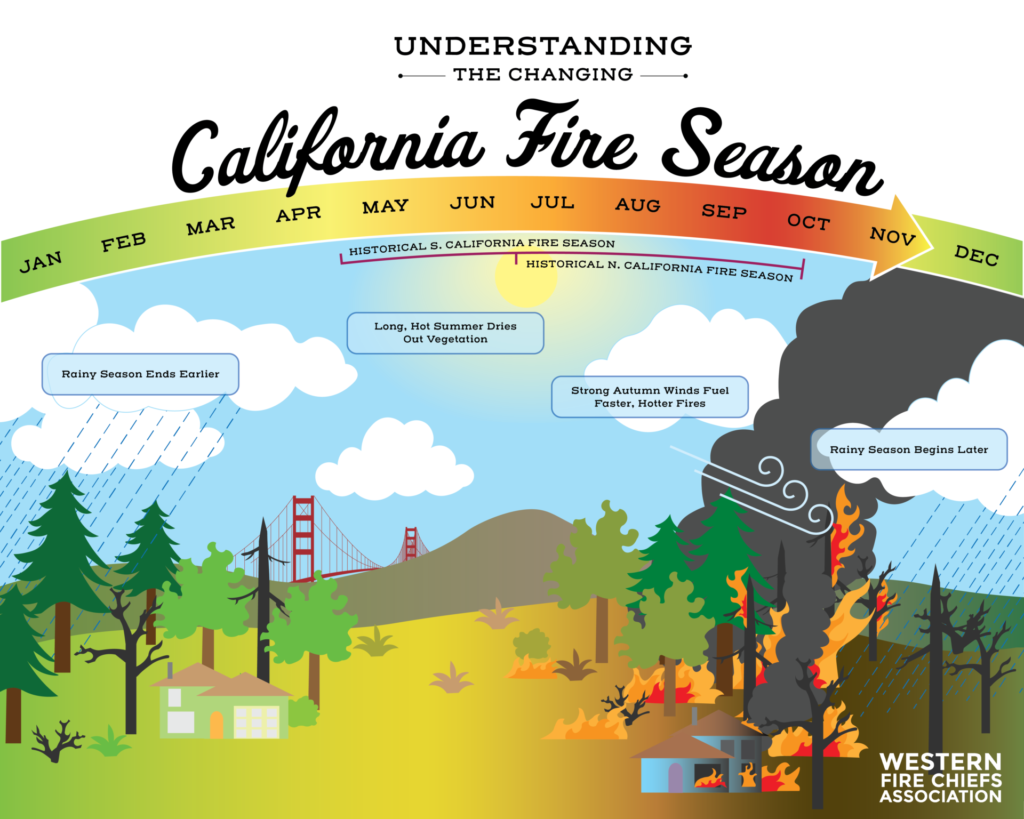
Navigating California’s Wildfire Season: Impact on Travel
The specter of wildfires can cast a long shadow over travel plans to California, influencing everything from destination choices to daily itineraries. Understanding the typical “wildfire season” – generally from late spring through late autumn, peaking in August, September, and October – is the first step in mitigating potential disruptions. However, with changing climate patterns, this season has become less predictable, often extending into winter months.
Effects on Popular Destinations and Attractions
The geographical spread of California’s wildfires means that impacts are rarely uniform across the entire state. While one region might be battling active blazes, another, hundreds of miles away, could be entirely unaffected. However, even distant fires can have ripple effects.
- National and State Parks: Iconic wilderness areas such as Yosemite National Park, Sequoia National Park, Kings Canyon National Park, Redwood National Park, Joshua Tree National Park, and Death Valley National Park are particularly vulnerable. Fires can lead to temporary closures of entire parks, specific trails, campgrounds, or visitor centers. Beyond immediate threats, post-fire recovery efforts can also limit access for extended periods, altering the visitor experience significantly. For instance, the majestic giant sequoia groves in Sequoia National Park have faced severe threats, leading to closures and conservation efforts that impact tourism.
- Wine Country: Regions like Napa Valley and Sonoma County, celebrated for their vineyards and culinary scenes, have repeatedly faced devastating fires. While wineries are incredibly resilient and often rebuild quickly, travel can be impacted by direct fire threats, evacuation orders, road closures, and prolonged smoky conditions, which can diminish the sensory experience of wine tasting.
- Coastal Regions: Even seemingly safe coastal areas can be affected. The Pacific Coast Highway through Big Sur, a world-renowned scenic drive, has experienced closures due to fires and subsequent mudslides, severing this vital artery for travelers. Air quality can also be a significant concern, even far from the fire’s immediate vicinity, as prevailing winds can carry smoke plumes hundreds of miles.
Air Quality and Health Concerns for Travelers
One of the most widespread impacts of wildfires, extending far beyond the fire perimeter, is compromised air quality. Smoke from large wildfires contains fine particulate matter (PM2.5) that can penetrate deep into the lungs, posing health risks, particularly for individuals with respiratory conditions, the elderly, and young children.
- Monitoring Air Quality Indices: Travelers should routinely check the Air Quality Index (AQI) for their planned destinations, available through resources like AirNow.gov. An AQI above 100 is generally considered unhealthy for sensitive groups, and above 150, unhealthy for everyone.
- Symptoms and Precautions: Symptoms of smoke exposure can include coughing, wheezing, shortness of breath, and irritated eyes. When air quality is poor, it’s advisable to limit outdoor activities, keep windows closed, and use air purifiers if available. Some travelers might consider N95 masks for outdoor excursions.
These considerations underscore the importance of flexibility and vigilance when planning a California adventure, particularly during peak wildfire season.
Essential Safety Measures and Travel Advice
For travelers venturing to California during wildfire season, proactive planning and adherence to safety guidelines are paramount. Being informed and prepared not only ensures personal safety but also contributes to responsible tourism in affected areas.
Staying Informed with Official Sources
Reliable, up-to-date information is your best defense against unexpected wildfire disruptions. Avoid relying solely on social media or anecdotal reports.
- CAL FIRE: The California Department of Forestry and Fire Protection (CAL FIRE) is the primary source for wildfire incident information, including interactive maps showing active fires, containment levels, and evacuation zones. Their website and social media channels provide real-time updates.
- National Forest Service: For fires within national forests, the U.S. Forest Service provides specific alerts and closures. Many national parks also have their own dedicated alert systems.
- Local Emergency Services: County emergency services and sheriff’s departments in areas like Los Angeles, San Francisco, Sacramento, and [Lake Tahoe](https://lifeoutofthebox.com/lake- tahoe) are crucial for local evacuation orders, road closures, and shelter information. Sign up for local alert systems if you’ll be staying in one place for an extended period.
- Caltrans: For road closures and conditions, the California Department of Transportation (Caltrans) website is indispensable. It provides real-time updates on highway status, vital for navigating the state.

Preparedness and Contingency Planning
Having a flexible itinerary and a personal emergency plan is crucial for travelers.
- Communication Plan: Ensure your mobile phone is charged, and consider carrying a portable power bank. Have a plan for how to contact family members if separated.
- Emergency Kit: While not as extensive as a local’s kit, travelers should consider carrying essentials like a first-aid kit, a few days’ supply of any necessary medications, a flashlight, and comfortable walking shoes. A map (physical or downloaded offline) can be useful if GPS is unreliable due to power outages or network congestion.
- Evacuation Routes: If you are staying in an area prone to wildfires, familiarize yourself with multiple escape routes from your accommodation. Pay attention to local alerts and be prepared to evacuate immediately if advised.
- Travel Insurance: Comprehensive travel insurance that covers “cancel for any reason” or specifically addresses natural disaster-related cancellations, delays, or medical emergencies can be a wise investment. Read policies carefully to understand coverage limits and exclusions.
Regional Outlook: Northern California vs. Southern California
California’s vast geographical span means that wildfire conditions can vary dramatically between its northern and southern halves. Understanding these regional distinctions is key to tailored travel planning.
Northern California’s Challenges
Northern California, encompassing areas from the San Francisco Bay Area up to the Oregon border, often experiences significant wildfires in its forested mountainous regions and dry grasslands.
- Forest Lands: The dense forests of the Sierra Nevada, Cascades, and Coast Ranges are susceptible to large, long-burning fires. Areas around Lake Tahoe, [Shasta-Trinity National Forest](https://lifeoutofthebox.com/shasta- trinity-national-forest), and the Redwood Empire have faced serious threats. These fires can impact access to hiking, camping, and watersports for extended periods.
- Wine Country Vulnerability: As mentioned, Napa Valley and Sonoma County are particularly vulnerable during dry, windy conditions, which can lead to rapid fire spread through vineyards and surrounding wildlands.
Southern California’s Distinct Risks
Southern California, stretching from Santa Barbara down to the Mexican border, faces its own set of wildfire dynamics, often driven by the infamous Santa Ana winds.
- Santa Ana Winds: These hot, dry winds, typically occurring in autumn and winter, can fan small brush fires into massive infernos incredibly quickly, often pushing them towards urban and suburban interface zones. Coastal cities and mountain communities near Los Angeles, San Diego, and Orange County are frequently at risk.
- Chaparral Vegetation: The dominant chaparral vegetation in Southern California is highly flammable, contributing to the explosive growth of fires. Areas like the Angeles and Cleveland National Forests are frequent hotbeds.
- Mudslides: A unique secondary risk in Southern California after wildfires is mudslides and debris flows. Burned hillsides, stripped of vegetation, are highly susceptible to erosion during subsequent heavy rains, posing significant threats to communities and infrastructure, including critical transportation routes.
Travelers should monitor regional weather forecasts closely, especially for red flag warnings indicating high fire danger due to strong winds and low humidity.
Responsible Travel in a Fire-Prone State
Traveling responsibly in California, especially during periods of fire risk, goes beyond personal safety; it involves supporting communities and understanding the broader ecological context.
Supporting Local Economies and Recovery Efforts
When safe to do so, visiting regions that have recovered from fires can be a powerful way to support local economies that rely heavily on tourism. Many businesses in affected areas, from hotels and restaurants to tour operators, struggle significantly after a fire.
- Check Before You Go: Confirm that businesses are open and welcoming visitors. Call ahead or check their websites and social media.
- Spend Locally: Directing your tourism dollars to local establishments helps communities rebuild and thrive.
- Volunteer Opportunities: For those interested in a deeper engagement, organizations often seek volunteers for reforestation or community recovery efforts, offering a unique and impactful travel experience.

Understanding Fire Prevention and Leave No Trace Principles
Travelers play a crucial role in preventing human-caused fires. The vast majority of wildfires are started by human activity, whether accidental or intentional.
- Campfire Safety: If camping, always check for fire restrictions (which are common during dry periods) and ensure campfires are completely extinguished. Use designated fire rings where allowed.
- Vehicle Awareness: Ensure your vehicle is properly maintained to prevent sparks from hot catalytic converters. Avoid driving or parking on dry grass.
- Smoking: Be extremely cautious with cigarettes, disposing of them properly and never flicking butts out of vehicle windows.
- Equipment Use: Any equipment that generates heat or sparks, such as power tools or welding equipment, should be used with extreme caution and only when fire conditions permit.
- Leave No Trace: Adhering to Leave No Trace principles, especially regarding waste disposal and minimizing impact, helps maintain the health of natural environments and reduces fire risks.
By embracing these responsible travel practices, visitors can enjoy the beauty of California while also contributing positively to its resilience against the ongoing challenge of wildfires. While the wildfires in California may never be “out” in a permanent sense, with informed choices and respectful engagement, the state remains an extraordinary destination for exploration and adventure.
LifeOutOfTheBox is a participant in the Amazon Services LLC Associates Program, an affiliate advertising program designed to provide a means for sites to earn advertising fees by advertising and linking to Amazon.com. Amazon, the Amazon logo, AmazonSupply, and the AmazonSupply logo are trademarks of Amazon.com, Inc. or its affiliates. As an Amazon Associate we earn affiliate commissions from qualifying purchases.