
For prospective travelers considering the diverse landscapes and unique ecosystems of Arizona, a common, albeit intriguing, question sometimes arises: are there alligators in the Grand Canyon State? The short, definitive answer is no, there are no native populations of alligators in Arizona. While the state boasts an extraordinary array of wildlife, from desert reptiles to majestic mammals, the conditions necessary for alligators to thrive naturally are simply not present. This comprehensive guide will delve into why alligators are absent, explore the incredible biodiversity that does call Arizona home, and highlight the unparalleled travel experiences awaiting visitors.
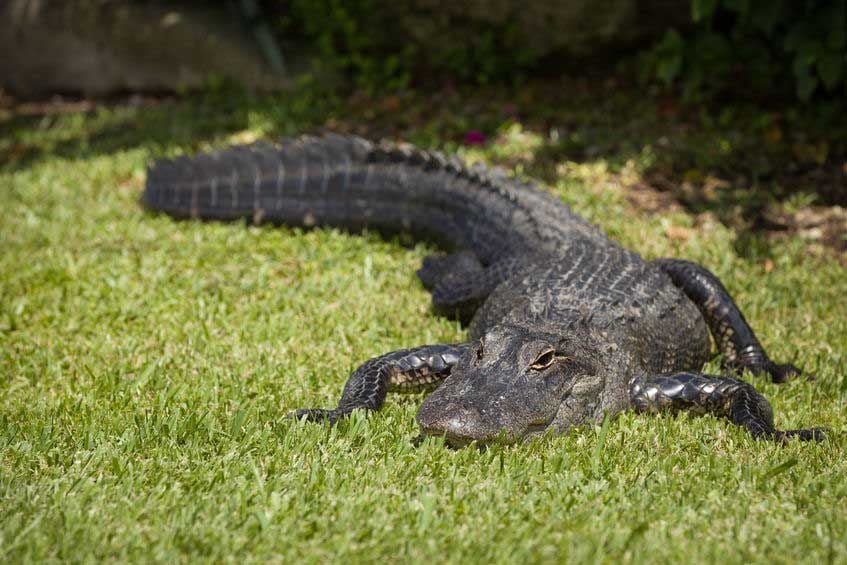
The Truth About Alligators in the Grand Canyon State
The image of an alligator lurking in a desert oasis might spark curiosity, but it’s a notion rooted in misunderstanding of both alligator habitats and Arizona’s environment. These formidable reptiles are highly specialized creatures, requiring specific conditions that are markedly different from the arid and semi-arid regions characteristic of much of Arizona.
Climate and Habitat: Why Arizona Isn’t Alligator Territory
Alligators, specifically the American Alligator, are cold-blooded reptiles that depend heavily on external heat sources to regulate their body temperature. However, their survival also hinges on access to stable, freshwater environments that do not experience prolonged freezing temperatures. They require slow-moving rivers, swamps, marshes, and lakes with abundant vegetation for hunting, nesting, and shelter.
Arizona, despite its varying elevations and microclimates, is predominantly a desert state. The Sonoran Desert, for instance, is characterized by extreme heat, low humidity, and scarce perennial water sources. While there are rivers like the Colorado River and man-made lakes, the overall climate – marked by scorching summers and often chilly, dry winters – does not provide the consistent, warm, and humid wetland environment essential for alligator propagation and survival. Furthermore, the few perennial water bodies that exist in Arizona typically experience significant fluctuations in water levels and temperatures, making them unsuitable for sustaining alligator populations over the long term.
Native Ranges: Where Alligators Truly Thrive
To understand why Arizona is not alligator territory, it’s crucial to look at where alligators naturally exist. The American Alligator (Alligator mississippiensis) is primarily found in the southeastern United States. Their historical and current range extends across Florida, southern Georgia, Alabama, Mississippi, Louisiana, eastern Texas, the coastal plains of North Carolina and South Carolina, and southern Arkansas and Oklahoma.
These states share common environmental features: extensive wetland systems, a warm and humid subtropical climate, and an abundance of prey. Places like the Florida Everglades and the bayous of Louisiana are synonymous with alligators, offering the perfect blend of water, warmth, and food sources that allow these apex predators to flourish. The absence of such expansive, warm, freshwater wetland ecosystems across Arizona directly explains why they have no indigenous alligator populations. Any reported sightings would almost certainly be mistaken identity, a pet released illegally, or a captive animal in a zoo or sanctuary.
Arizona’s Unique Ecosystem: A Haven for Diverse Wildlife
While alligators are not part of Arizona’s natural fauna, the state’s biodiversity is nonetheless spectacular and incredibly rich. Its varied topography, ranging from scorching deserts to high-altitude pine forests, creates a mosaic of habitats supporting an astonishing array of plant and animal life. For travelers seeking wildlife encounters, Arizona offers an experience far more unique and fascinating than an alligator sighting could provide.
Reptiles and Amphibians: Desert Dwellers and Riparian Residents
Arizona is a paradise for herpetologists and enthusiasts of cold-blooded creatures. The desert environments are home to numerous species adapted to arid conditions. Perhaps the most famous is the Gila Monster, a venomous lizard known for its vibrant beaded skin. Other common reptiles include various species of rattlesnakes (such as the Western Diamondback), desert tortoises, and countless types of lizards, from the speedy Whiptail Lizard to the stout Chuckwalla.
Amphibians, though fewer in number due to water scarcity, are still present, especially near riparian areas. Species like the Sonoran Desert Toad (also known as the Colorado River Toad) and various tree frogs emerge during monsoon seasons, transforming temporary pools into bustling breeding grounds. These creatures showcase remarkable adaptations to survive the harsh desert climate, often spending extended periods underground or in crevices, emerging only when conditions are favorable.
Mammals of the Sonoran Desert and Mountains
The mammal diversity in Arizona is equally impressive. In the lower desert elevations, visitors might spot javelina (collared peccaries), coyotes, various species of rabbits and hares (like the Desert Cottontail and Black-tailed Jackrabbit), and an array of nocturnal rodents. The elusive Mountain Lion and bobcats also roam these territories, often unseen.
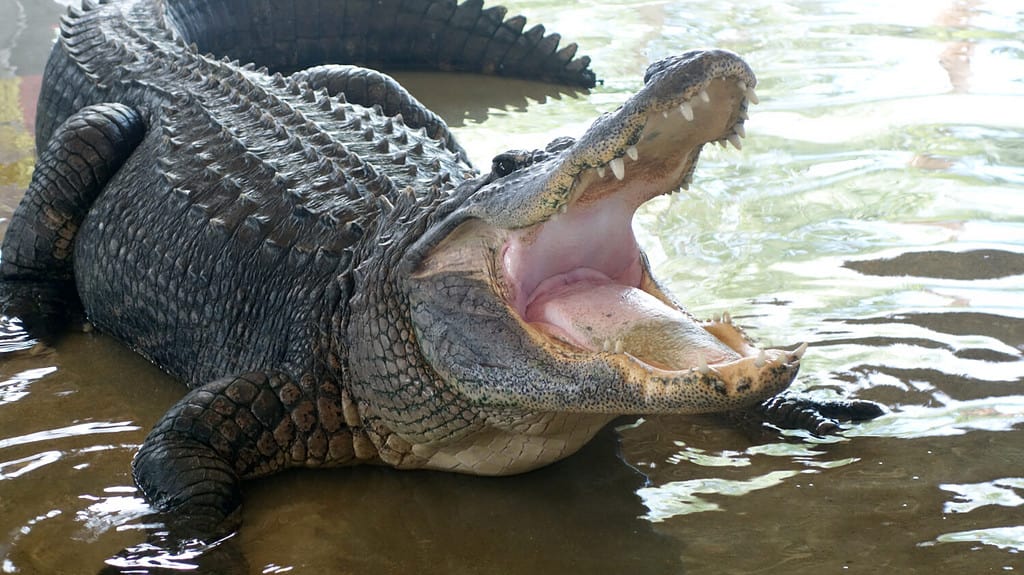
As elevations rise into the sky islands and forested mountains of northern Arizona, the wildlife changes dramatically. Here, one can find black bears, elk, deer (including Mule Deer and White-tailed Deer), and even the occasional bighorn sheep clinging to rocky cliffs. These diverse mammalian populations highlight the varied ecosystems present within the state, each offering unique viewing opportunities for the patient and observant traveler.
Avian Wonders: Birds of Prey and Migratory Species
Birdwatching in Arizona is a major attraction, with the state serving as a critical migratory corridor and home to an astonishing number of resident species. Over 500 species of birds have been recorded in Arizona, making it a top destination for ornithologists.
Iconic desert birds include the Greater Roadrunner, various species of owls, and hummingbirds. The saguaro cacti provide nesting sites for many birds, including the Gila Woodpecker and Cactus Wren. In higher elevations, you might spot magnificent birds of prey such as bald eagles, golden eagles, ospreys, and several species of hawks, soaring above canyons and mountain peaks. The wetlands and riparian areas along the Colorado River and other waterways are vital stopovers for numerous migratory waterfowl and shorebirds, especially during the spring and fall migrations.
Exploring Arizona’s Natural Wonders: Beyond Alligators
With no alligators to contend with, travelers can fully immerse themselves in the genuine natural splendor of Arizona. The state offers countless opportunities for outdoor adventures, wildlife viewing, and experiencing some of the most breathtaking landscapes on earth.
Iconic Destinations for Wildlife Spotting
For unparalleled wildlife viewing, several Arizona destinations stand out:
- Grand Canyon National Park: While famous for its geological grandeur, the Grand Canyon is also home to condors, bighorn sheep, elk, and various reptiles. The contrast between the rim and the river corridor provides diverse habitats.
- Saguaro National Park: Located near Tucson, this park protects vast forests of saguaro cacti, which are crucial habitats for a multitude of desert creatures, including javelina, coyotes, desert tortoises, and a wide array of birds. Early morning or late evening visits increase chances of sightings.
- Organ Pipe Cactus National Monument: This park near the Mexican border is a UNESCO Biosphere Reserve, offering glimpses of unique desert wildlife, including the Sonoran Pronghorn and various species of bats.
- Chiricahua National Monument: Known as “a wonderland of rocks,” its sky island ecosystem supports a surprising diversity of birds, mammals, and reptiles, including coatimundis and trogons, which are rare north of Mexico.
- Arizona-Sonora Desert Museum: Near Tucson, this acclaimed institution is not just a museum but a zoo, botanical garden, and art gallery dedicated to the natural history of the Sonoran Desert. It offers guaranteed sightings of many native species in naturalistic habitats, providing an excellent introduction to Arizona’s wildlife.
Adventure Activities in the Wild
Arizona’s landscapes lend themselves to a myriad of outdoor adventures, many of which offer opportunities for wildlife observation. Hiking trails crisscross mountains and deserts, leading to hidden springs and panoramic vistas where animals are frequently encountered. Kayaking or rafting on the Colorado River or its tributaries, particularly in calmer sections, can provide up-close views of waterfowl, fish, and riparian mammals. Photography tours, guided nature walks, and even stargazing events in Arizona’s dark sky parks all promise unique encounters with the natural world, far removed from any alligator concerns.
Responsible Travel and Wildlife Interaction
Embracing the natural beauty and wildlife of Arizona comes with a responsibility to protect these precious resources. Responsible travel practices ensure that these experiences remain available for future generations and that wildlife remains undisturbed.
Respecting the Environment
Always remember to practice Leave No Trace principles: pack out everything you pack in, stay on marked trails, and avoid disturbing plant life. Do not feed wild animals, as this can lead to dependency on human food sources, disrupt their natural behaviors, and potentially put both animals and humans at risk. Observe wildlife from a respectful distance using binoculars or zoom lenses, and never attempt to approach or touch any wild creature. Understanding that you are a visitor in their home is key to a positive and sustainable travel experience.
Safety While Exploring
While alligators aren’t a concern, Arizona’s unique environment presents its own set of safety considerations. Be aware of venomous snakes and insects, particularly during warmer months. Wear appropriate clothing and footwear, carry plenty of water, and inform someone of your itinerary when venturing into remote areas. Heed all park warnings and guidelines, especially regarding heat advisories and flash flood risks during monsoon season. With proper preparation and respect for nature, exploring Arizona can be a safe and profoundly rewarding adventure.
Conclusion: Embracing Arizona’s True Natural Splendor
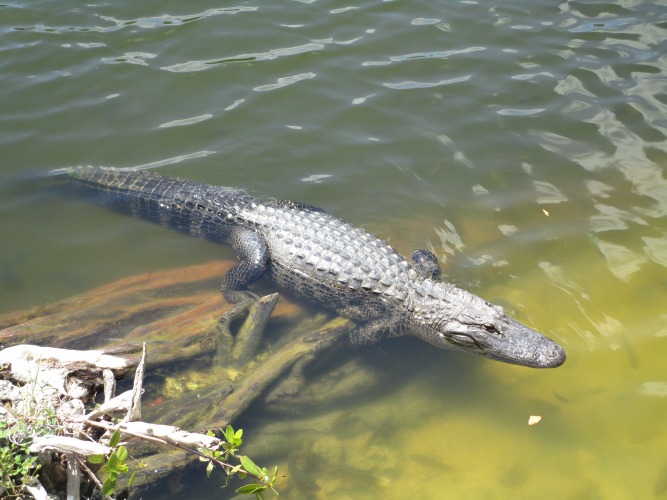
To answer the initial query, no, there are no alligators in Arizona’s wild. This fact, however, does not diminish the state’s allure; rather, it underscores the distinctiveness of its natural heritage. Arizona offers an extraordinary travel destination brimming with unique desert, mountain, and riparian ecosystems that support an incredible array of wildlife adapted to its specific conditions. From the iconic saguaro cacti forests to the breathtaking depths of the Grand Canyon, Arizona provides unparalleled opportunities for exploration, discovery, and connection with nature, making it a premier choice for travelers seeking truly distinctive experiences in the American Southwest.
LifeOutOfTheBox is a participant in the Amazon Services LLC Associates Program, an affiliate advertising program designed to provide a means for sites to earn advertising fees by advertising and linking to Amazon.com. Amazon, the Amazon logo, AmazonSupply, and the AmazonSupply logo are trademarks of Amazon.com, Inc. or its affiliates. As an Amazon Associate we earn affiliate commissions from qualifying purchases.