
Key West, a jewel in the crown of the Florida Keys, conjures images of vibrant sunsets, historic charm, and a laid-back island lifestyle. Tourists flock to this southernmost city in the continental United States for its unique blend of American and Caribbean cultures, its lively Duval Street scene, and its proximity to stunning natural beauty. Many visitors, however, find themselves pondering a particular question as they explore the island’s lush landscapes and coastal waters: are there alligators in Key West? The answer, as with many things in this fascinating destination, is nuanced.
While the thought of encountering a fearsome reptile might spark concern, understanding the natural habitat and behavior of alligators is key to dispelling myths and appreciating the delicate ecosystem of the Florida Keys. This article will delve into the presence, or rather the rarity, of alligators in Key West, explore the natural habitats where they do thrive in Florida, and offer insights into the wildlife you are more likely to encounter during your visit to this popular tourist haven. We’ll also touch upon the broader topic of travel to Key West, highlighting attractions, accommodation options, and the unique lifestyle that draws millions each year.
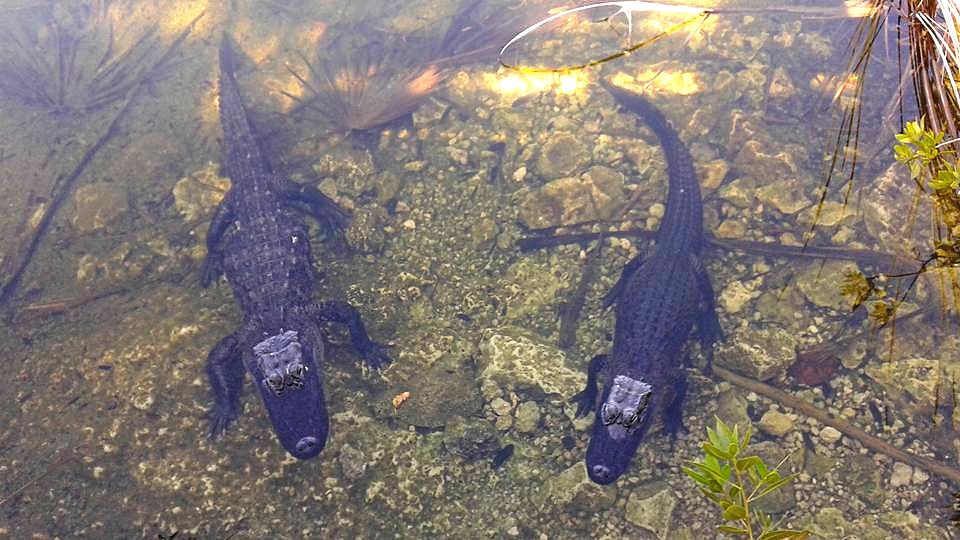
The Alligator Question: A Closer Look at Key West’s Wildlife
The American alligator, a magnificent apex predator, is synonymous with the wetlands and swamps of Florida. However, their presence in the specific, highly developed environment of Key West is exceptionally rare. The island’s geography, characterized by its limestone base, limited freshwater sources, and dense human development, is not conducive to supporting a thriving alligator population. Alligators, particularly the American alligator (Alligator mississippiensis), require specific environmental conditions, primarily freshwater habitats such as swamps, marshes, rivers, and lakes, for survival and reproduction. They are also quite large and require ample space, which is simply not available in the compact and heavily urbanized island of Key West.
While it’s not impossible for an alligator to somehow find its way to Key West, perhaps through accidental transport or a rare journey through the waterways, it is an infrequent occurrence. The vast majority of alligators in Florida inhabit the mainland, especially the southern and central parts of the state where extensive freshwater systems exist. Areas like the Everglades National Park, with its sprawling wetlands, are prime alligator territory. The salinity of the saltwater surrounding the Keys and the limited freshwater marshes on the islands themselves create a barrier to their natural migration patterns.
Therefore, while the idea of alligators in Key West might be intriguing, the reality is that you are highly unlikely to encounter one during your visit. The focus for wildlife enthusiasts in Key West tends to shift towards marine life, birdwatching, and the smaller, more common reptiles that have adapted to the island environment.
Understanding Alligator Habitat in Florida
To fully grasp why alligators are not a common sight in Key West, it’s important to understand their preferred habitat within Florida. The American alligator thrives in an array of freshwater environments. These include:
- Swamps and Marshes: Vast expanses of slow-moving freshwater are ideal for nesting and hunting. The Everglades is a prime example, a sprawling “River of Grass” that supports a massive alligator population.
- Rivers and Lakes: Larger bodies of freshwater, from the mighty St. Johns River to countless smaller lakes across the state, provide the necessary resources for alligators.
- Canals and Ditches: Even man-made waterways that connect to larger freshwater systems can become habitats for alligators, especially in more developed areas of mainland Florida.
These habitats offer:
- Abundant Food Sources: Fish, turtles, birds, mammals, and even other reptiles are on the alligator’s menu.
- Suitable Nesting Grounds: Female alligators build mounds of vegetation and mud to lay their eggs, typically near water.
- Adequate Space: Alligators can grow to considerable lengths and require space to roam, hunt, and establish territories.
In stark contrast, Key West is a small island situated in a marine environment. The freshwater resources are limited, and the island’s ecosystem is dominated by saltwater and brackish water. The land itself is primarily porous limestone, which doesn’t retain freshwater in the way that mainland wetlands do. Consequently, the ecological niche that alligators occupy on the mainland simply doesn’t exist to a significant degree on Key West.
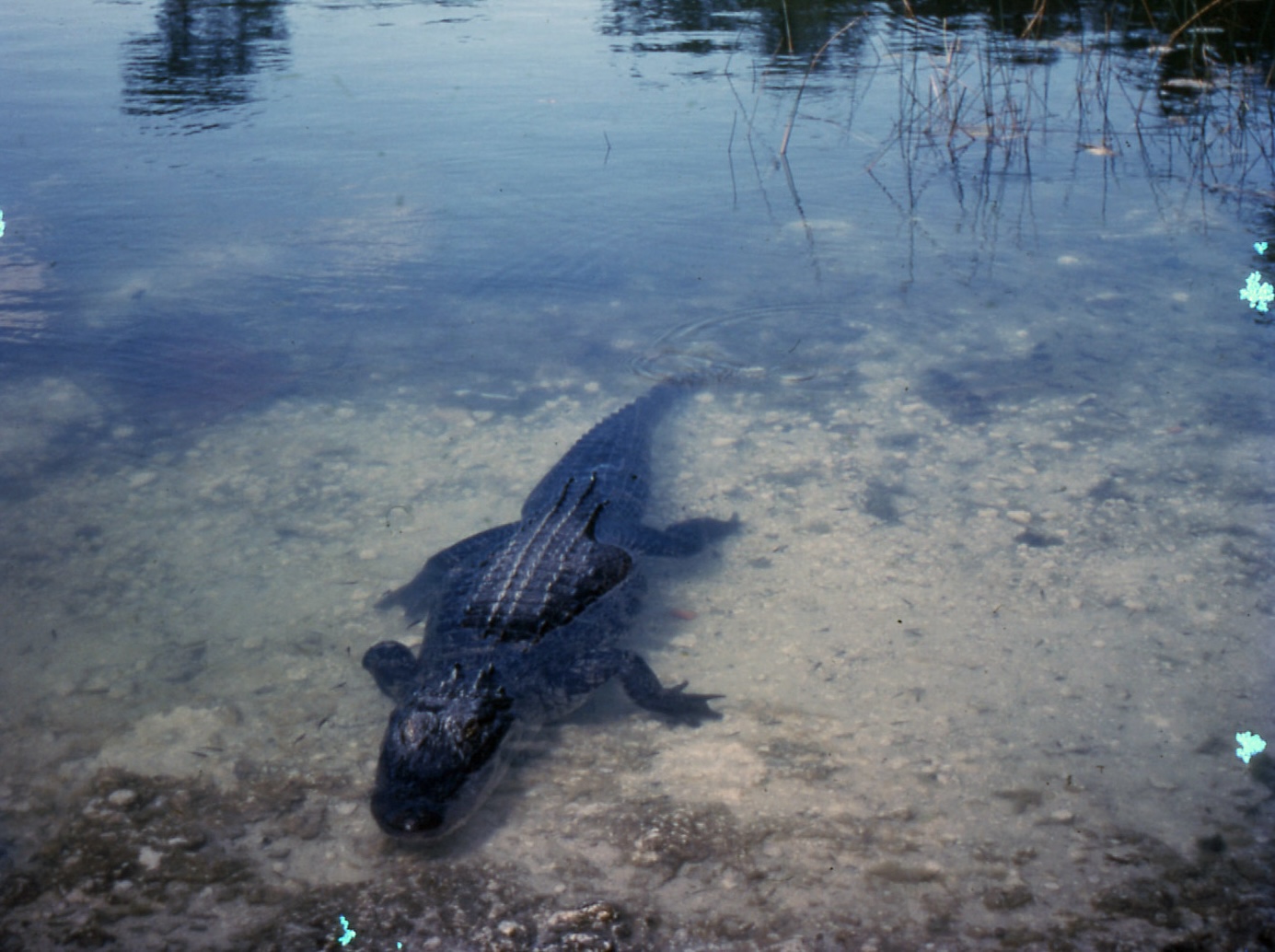
What Wildlife Can You Expect to See in Key West?
Given the rarity of alligators, what kind of wildlife can a visitor to Key West realistically expect to encounter? The island and its surrounding waters are teeming with fascinating creatures that are much more adapted to the unique environment.
Marine Life and Coastal Encounters
The waters around Key West are a vibrant tapestry of marine life, making it a world-class destination for snorkeling, diving, and fishing. You’re far more likely to spot:
- Colorful Reef Fish: Expect to see parrotfish, angelfish, sergeant majors, and barracuda while exploring the coral reefs.
- Sea Turtles: Green sea turtles and loggerhead turtles are common sights, gracefully navigating the turquoise waters.
- Dolphins: Bottlenose dolphins are often seen playing in the waves, especially on boat tours or dolphin-watching excursions.
- Sharks: While perhaps less appealing to some than dolphins, various shark species, such as nurse sharks and reef sharks, inhabit the area.
- Manatees: These gentle giants, often called “sea cows,” can occasionally be seen in the shallower coastal waters, particularly in areas with seagrass beds.
Boat tours are a popular way to experience this marine abundance. Many offer trips to the famous Dry Tortugas National Park, a UNESCO World Heritage site that is a pristine sanctuary for marine life and an important nesting ground for seabirds.
Terrestrial and Avian Wildlife
On land and in the air, Key West offers its own unique set of encounters:
- Various Bird Species: Key West is a haven for birdwatchers. You’ll see magnificent frigatebirds soaring overhead, pelicans diving for fish, and a variety of migratory birds, especially during certain seasons. The island’s lush vegetation provides roosting and nesting opportunities.
- Lizards and Geckos: Small anoles and geckos are common sights, darting across walls and pathways, and are a testament to the island’s ability to support smaller reptilian life.
- The Key Deer: While not found on Key West itself, the endangered Key Deer is a resident of the lower Keys, particularly Big Pine Key. These diminutive deer are a conservation success story and a highlight for many visiting the region, though they require a separate trip from Key West.
- Iguanas: Green iguanas have become an introduced species in South Florida and can sometimes be spotted in Key West, though they are not native.

Planning Your Visit: Safety and Awareness
While the likelihood of an alligator encounter in Key West is extremely low, it’s always prudent to practice general wildlife safety wherever you travel.
- Respect Wildlife: Maintain a safe distance from any animal you encounter, whether it’s a dolphin, a sea turtle, or a bird. Never feed wild animals, as this can disrupt their natural behaviors and make them dependent on humans.
- Be Aware of Your Surroundings: When exploring natural areas, especially those with potential for brackish water or mangrove systems, be mindful of signs and warnings. However, in the context of Key West, such warnings are far more likely to pertain to marine hazards than to large reptiles.
- Follow Local Advice: If you are taking a boat tour or engaging in water activities, listen to your guides. They are knowledgeable about the local environment and its inhabitants.
- Choose Accommodations Wisely: Whether you opt for a luxurious resort like the Casa Marina Key West, Curio Collection by Hilton or a charming boutique hotel on Duval Street, your chosen accommodation will likely be in an urbanized setting where encounters with large wild animals are highly improbable. For those seeking apartments or villas for a longer stay, the same applies. The tourism infrastructure in Key West is designed for comfort and safety.
The lifestyle in Key West is characterized by its relaxed pace and appreciation for the natural beauty of the Florida Keys. It’s a place where you can enjoy vibrant local culture, savor delicious food, and participate in a wide array of activities, from historical tours of Hemingway’s House to sunset celebrations at Mallory Square.
In conclusion, while the presence of alligators in Key West is a subject that piques curiosity, the reality is that their habitat preferences mean they are not a part of the typical Key West experience. Instead, visitors can look forward to a wealth of other natural wonders, from the vibrant underwater world to the unique birdlife that graces the island. Your travel to Key West promises an unforgettable journey filled with sun, sea, history, and an abundance of fascinating, albeit less formidable, wildlife. Embrace the charm and beauty of this remarkable island, knowing that the only “big reptiles” you’re likely to encounter are those depicted in the captivating artwork and historical narratives that define Key West.
LifeOutOfTheBox is a participant in the Amazon Services LLC Associates Program, an affiliate advertising program designed to provide a means for sites to earn advertising fees by advertising and linking to Amazon.com. Amazon, the Amazon logo, AmazonSupply, and the AmazonSupply logo are trademarks of Amazon.com, Inc. or its affiliates. As an Amazon Associate we earn affiliate commissions from qualifying purchases.