
When planning a trip to the vibrant and sun-drenched metropolis of Miami, a myriad of exciting possibilities spring to mind: world-class beaches, pulsating nightlife, and a rich tapestry of cultural experiences. However, for some intrepid travelers, a more primal question might arise, tinged with both curiosity and a healthy dose of apprehension: “Are there alligators in [Miami]?” The answer, while perhaps not as straightforward as a simple yes or no, is undoubtedly fascinating and deeply intertwined with the unique ecological landscape of South Florida.
Understanding the Alligator’s Domain
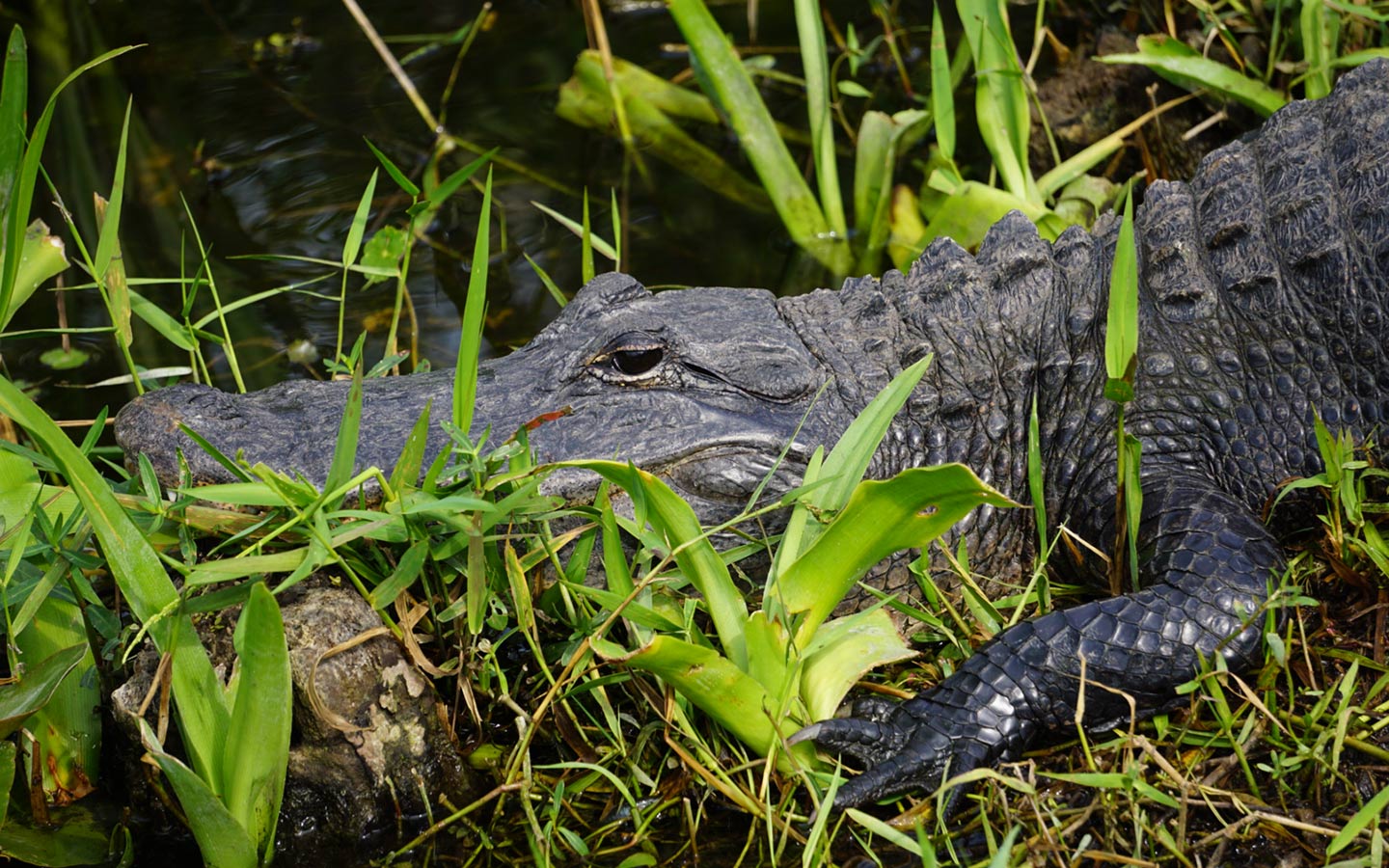
The American alligator (Alligator mississippiensis) is a keystone species in the wetland ecosystems of the Southeastern United States. These magnificent reptiles are not merely a relic of prehistoric times; they are active participants in maintaining the delicate balance of their environment. Their presence is intrinsically linked to the availability of suitable habitats, which primarily consist of freshwater marshes, swamps, rivers, and lakes. South Florida, with its extensive network of waterways and lush vegetation, provides an ideal sanctuary for these creatures.
The Everglades: A Natural Haven
The most significant and iconic habitat for alligators in South Florida is undoubtedly the Everglades National Park. Often referred to as the “River of Grass,” this vast subtropical wilderness is a complex mosaic of sawgrass marshes, cypress swamps, and mangrove forests. It is here, in this sprawling expanse of untamed nature, that alligator populations thrive, engaging in their age-old behaviors of hunting, nesting, and basking. While the Everglades lie to the west of Miami, their ecological influence extends far beyond their borders, shaping the natural systems that permeate the entire region.
Urban Encounters: A Rare but Real Possibility
While the core of alligator territory lies within protected natural areas, the urban and suburban sprawl of Miami has, in some instances, encroached upon or become adjacent to alligator habitats. This overlap can lead to occasional sightings in areas that might surprise visitors. It is crucial to understand that these encounters, while not common for the average tourist, are a testament to the adaptability of the American alligator and the interconnectedness of urban development with natural ecosystems.
Areas that are more likely to host alligators, even within or near the Miami metropolitan area, include:
- Freshwater Canals and Ditches: Miami’s extensive canal system, designed for drainage and water management, often connects to natural waterways, providing corridors for alligators to move through.
- Lakes and Ponds: Many residential areas and parks feature freshwater bodies that can serve as attractants for alligators, especially if they offer ample vegetation for cover and a food source.
- Golf Courses: The well-maintained water hazards on many Miami golf courses can become attractive resting spots for alligators.
- Nature Preserves and Parks within the City: Even within urban settings, pockets of natural or semi-natural habitats exist. Parks like Oleta River State Park or areas along the Tamiami Trail can host these reptiles.
It is essential to reiterate that these sightings within the urban periphery are generally less frequent than in their primary wetland habitats. The vast majority of visitors to Miami will likely not encounter an alligator during their stay, especially if they remain in the bustling city centers and well-trodden tourist areas.
Safe Viewing and Respectful Coexistence
For those who wish to witness these incredible creatures in their natural element, opportunities abound, particularly with a focus on responsible tourism and observation. The key to a positive experience lies in understanding alligator behavior and maintaining a safe and respectful distance.

Guided Tours: The Safest and Most Informative Approach
The most recommended way to encounter alligators is through guided tours. Many reputable tour operators offer excursions into the Everglades and surrounding natural areas. These tours often include:
- Airboat Rides: These iconic vessels offer a thrilling way to cover vast distances across the wetlands, providing excellent vantage points for spotting alligators basking on the banks or swimming in the water.
- Swamp Walks and Kayak Tours: For a more immersive experience, guided swamp walks or kayak tours allow for a quieter, more intimate observation of the ecosystem and its inhabitants. Knowledgeable guides can point out alligators, explain their behavior, and ensure visitor safety.
- Wildlife Refuges: Locations like the Shark Valley area within Everglades National Park offer paved trails and observation towers perfect for spotting alligators and other wildlife from a safe distance.
These guided experiences are invaluable for several reasons. Guides are trained in alligator behavior, understand their habits, and know how to maintain safe distances. They also provide essential educational insights into the role of alligators in the Florida ecosystem, enhancing the overall appreciation of the wildlife.
Observing Alligators in Urban Settings: Caution and Awareness
If an alligator is encountered in a more urbanized setting, the paramount concern must be safety. These are wild animals, and despite their often-sedentary appearance, they are capable of surprising speed and aggression when provoked or threatened.
- Maintain a Significant Distance: Never approach an alligator, regardless of its size. A general rule of thumb is to stay at least 30-50 feet away, but further is always better.
- Never Feed Alligators: Feeding alligators is not only dangerous but also illegal in Florida. It habituates them to humans, making them more likely to approach populated areas and increasing the risk of negative interactions. Wild animals should remain wild.
- Keep Pets on a Leash: Dogs, in particular, can be mistaken for prey by alligators. Always keep pets leashed and under close supervision in areas where alligators might be present.
- Do Not Disturb: Observe from a distance and avoid any actions that could startle or agitate the animal. This includes loud noises, throwing objects, or attempting to touch them.
- Report Sightings: If an alligator is in an area where it poses a direct threat to public safety or is in an unusual location (e.g., a busy street, a residential backyard in a densely populated area), contact the Florida Fish and Wildlife Conservation Commission (FWC) for assistance. They have trained personnel to safely capture and relocate problematic animals.
The Alligator’s Role in [Miami]’s Ecosystem
The presence of alligators in and around Miami is not a nuisance to be eradicated, but rather a vital component of the region’s unique biodiversity. As apex predators, alligators play a critical role in maintaining the health of wetland ecosystems.
Ecological Significance
- Habitat Engineers: By creating and maintaining “alligator holes” – small ponds or depressions dug in marshes – alligators provide crucial water sources and refuges for other aquatic life during dry periods.
- Population Control: They prey on a variety of animals, including fish, birds, mammals, and other reptiles, helping to regulate populations and prevent imbalances.
- Indicator Species: The health of an alligator population can serve as an indicator of the overall health of its environment. A thriving alligator population suggests a healthy and functioning wetland ecosystem.

A Symbol of [Florida]’s Wild Heart
Despite the urbanized landscape of Miami, the occasional alligator sighting serves as a powerful reminder of the wild heart that still beats beneath the concrete and steel. It underscores the importance of conservation efforts and the need to protect the remaining natural areas that allow such magnificent creatures to coexist with human populations. For travelers, it’s an opportunity to connect with the raw, untamed spirit of South Florida, an experience that can be both thrilling and deeply educational when approached with respect and informed awareness.
In conclusion, while the dense urban environment of Miami might not be the first place one pictures for alligator encounters, they are indeed present in the region’s interconnected waterways and surrounding natural habitats. By understanding their environment, respecting their wild nature, and opting for responsible viewing opportunities, visitors can gain a profound appreciation for these ancient reptiles and their indispensable role in the vibrant ecology of South Florida.
LifeOutOfTheBox is a participant in the Amazon Services LLC Associates Program, an affiliate advertising program designed to provide a means for sites to earn advertising fees by advertising and linking to Amazon.com. Amazon, the Amazon logo, AmazonSupply, and the AmazonSupply logo are trademarks of Amazon.com, Inc. or its affiliates. As an Amazon Associate we earn affiliate commissions from qualifying purchases.