
The vast and iconic Mississippi River flows through the heart of the United States, a ribbon of water connecting diverse landscapes and ecosystems. While its southern reaches are famously associated with a rich tapestry of wildlife, including the formidable American alligator, questions often arise about the presence of these ancient reptiles in the more northerly segments of the river. Specifically, for those planning a visit to Minnesota or exploring its natural wonders, understanding the potential for encountering alligators in the Mississippi River within the state’s borders is a pertinent piece of information. This exploration delves into the ecological realities, historical context, and expert perspectives that shape the answer to this intriguing question, offering clarity for travelers and nature enthusiasts alike.
Understanding Alligator Habitat and Range
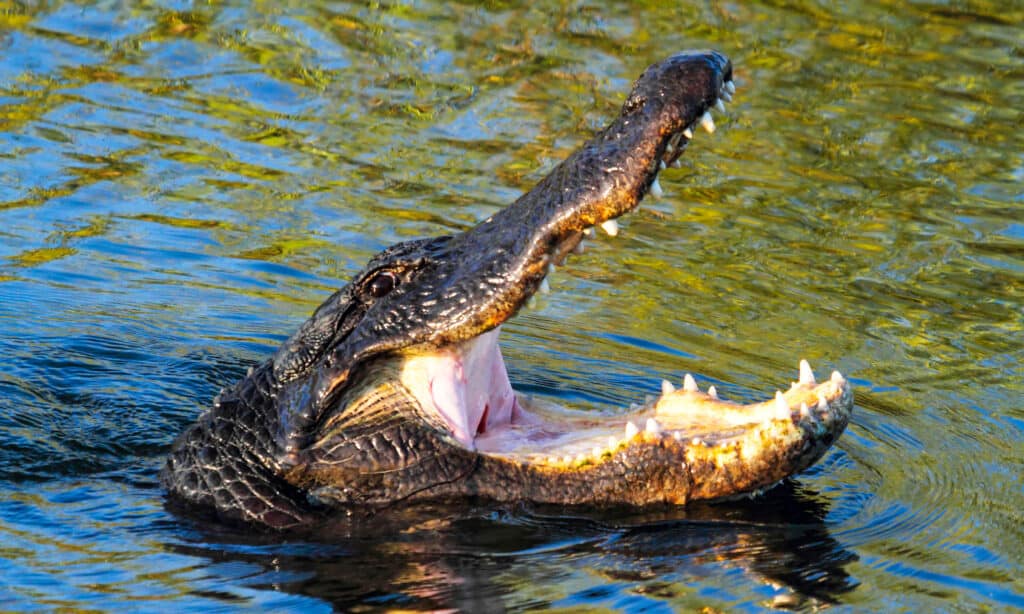
The American alligator (Alligator mississippiensis) is a fascinating creature, a testament to prehistoric resilience. Its natural habitat is intrinsically linked to warm, subtropical climates. These reptiles are ectothermic, meaning they rely on external sources of heat to regulate their body temperature. Consequently, their survival and reproductive success are heavily dependent on ambient temperatures and the availability of suitable aquatic environments that can sustain them through cooler periods.
Geographical Distribution
Historically and currently, the primary range of the American alligator encompasses the southeastern United States. This includes states such as Florida, Louisiana, Texas, Georgia, and South Carolina, where they thrive in freshwater swamps, marshes, rivers, and lakes. Their presence is a significant component of these southern ecosystems, playing a crucial role as apex predators.
Temperature and Climate as Limiting Factors
Temperature is the most significant environmental factor dictating the northern limit of alligator populations. Alligators require water temperatures to remain above certain thresholds for extended periods to digest food, remain active, and reproduce. During winter months, they can enter a state of brumation, a period of inactivity akin to hibernation, but this is only viable in areas where the water does not freeze solid for prolonged durations. In regions experiencing harsh, prolonged winters with deep freezes, the conditions are generally inhospitable for alligators to establish sustainable, wild populations. The Mississippi River in Minnesota, subjected to freezing temperatures for much of the year, falls outside this critical climatic envelope for alligator survival.
Alligator Sightings and Escaped Specimens
While the natural range of the American alligator does not extend to Minnesota, the possibility of unusual sightings can arise, often due to human intervention or escaped individuals from captivity. Understanding these scenarios is key to distinguishing between a natural population and an isolated incident.
Accidental Introductions and Escapes
Occasionally, alligators are kept as pets or in private collections. In rare instances, these animals may escape their enclosures or be intentionally released. If such an animal were to find its way into the Mississippi River in Minnesota, it could survive for a limited time, particularly during warmer months. However, without a breeding population and facing the inevitable onset of winter, such an individual would not be able to establish a self-sustaining presence. These occurrences are typically isolated events, not indicative of a thriving wild population.
Misidentification and Similar Species
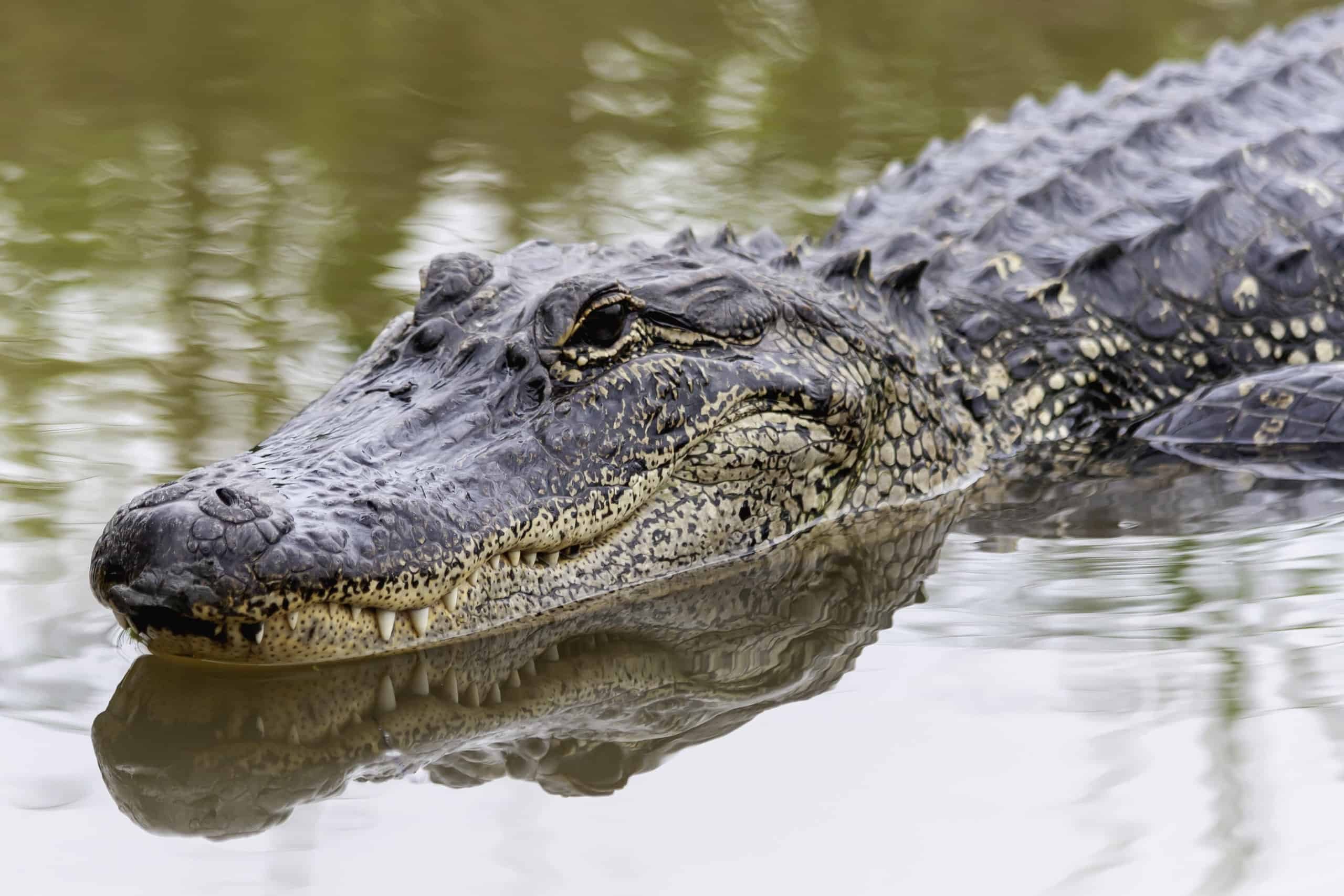
It is also important to consider the possibility of misidentification. Other reptiles, such as large turtles or non-alligator crocodilians (though highly unlikely in the wild in Minnesota), could potentially be mistaken for an alligator by an untrained observer. The distinct snout shape, scale patterns, and overall morphology of an alligator are quite specific.
Expert Opinions and Wildlife Agencies
Wildlife agencies, such as the Minnesota Department of Natural Resources, are the authoritative sources for information on local wildlife. These agencies actively monitor wildlife populations and address concerns regarding non-native species. Their consensus, based on extensive surveys and ecological knowledge, is that there are no established or wild populations of American alligators in Minnesota. Any reported sightings are generally attributed to escaped pets or isolated, non-reproducing individuals.

The Mississippi River Ecosystem in Minnesota
The Mississippi River in Minnesota supports a rich and diverse ecosystem, but one that is fundamentally different from the subtropical environments inhabited by alligators. The state’s natural heritage is characterized by species adapted to the colder climate and distinct geographical features.
Native Wildlife of the Upper Mississippi
The waters and surrounding habitats of the Mississippi River in Minnesota are home to a variety of native wildlife. This includes numerous fish species, such as walleye, northern pike, and catfish, which are adapted to temperate freshwater conditions. Birdlife is abundant, with migratory waterfowl, bald eagles, and various other avian species frequenting the river and its associated wetlands. Mammals like beavers, muskrats, deer, and even black bears are found in the riparian areas. These species are all well-suited to the seasonal changes, including the cold winters.
Climate and Environmental Conditions
Minnesota experiences a continental climate with significant seasonal variations. Winters are characterized by sub-zero temperatures and extensive ice cover on lakes and rivers, including large portions of the Mississippi River. Summers are warm, but the overall annual temperature regime is far cooler than that required for a sustainable alligator population. The river’s flow, depth, and temperature fluctuations throughout the year are dictated by these climatic patterns, creating an environment vastly different from the bayous and warm waters of the American South.
Conservation Efforts and Natural Resources
The state’s conservation efforts are focused on protecting and managing its native flora and fauna, ensuring the health of ecosystems like those found along the Mississippi River. Numerous parks and wildlife refuges, such as the Great River Bluffs State Park and the National Eagle Center, highlight the natural beauty and biodiversity of the region. These efforts are aimed at preserving habitats for species that are naturally adapted to the Minnesota environment, rather than supporting exotic or non-native species like alligators.
Visiting Minnesota’s Mississippi River Safely
For visitors planning to explore the Mississippi River in Minnesota, understanding the local wildlife and safety guidelines is essential for a rewarding and secure experience. The absence of alligators in the wild presents a different set of considerations compared to southern river systems.
What to Expect in Terms of Wildlife Encounters
When enjoying the natural attractions along the Mississippi River in Minnesota, visitors can anticipate encounters with a wide array of native species. This might include observing bald eagles soaring overhead, spotting deer along the riverbanks, or enjoying the diverse birdlife during migratory seasons. Boating, fishing, and hiking offer excellent opportunities to immerse oneself in the state’s natural beauty. The focus of wildlife observation here is on the creatures that are integral to the Minnesota ecosystem.
Safety Precautions for River Activities
While the threat of alligators is non-existent, standard safety precautions for any large river system apply. These include being aware of water currents, especially during periods of high flow, wearing life jackets when boating or engaging in water sports, and respecting posted advisories. When hiking in riparian areas, it’s advisable to be aware of other local wildlife, such as venomous snakes (though encounters are generally rare and these species are also adapted to cooler climates) and to follow Leave No Trace principles to protect the environment.
Enjoying the Natural Beauty of the Upper Mississippi
The Mississippi River in Minnesota offers a wealth of opportunities for outdoor recreation and appreciating natural landscapes. From charming river towns like Red Wing and Stillwater to expansive state parks and scenic byways, the region provides a distinct and captivating experience. Travelers can focus on the unique biodiversity and geological formations of the upper river, confident that the primary concern for large predatory reptiles is not a factor in this northern environment. The experience is one of enjoying the temperate wonders of the Midwest, a testament to the adaptability of life in diverse climates.
LifeOutOfTheBox is a participant in the Amazon Services LLC Associates Program, an affiliate advertising program designed to provide a means for sites to earn advertising fees by advertising and linking to Amazon.com. Amazon, the Amazon logo, AmazonSupply, and the AmazonSupply logo are trademarks of Amazon.com, Inc. or its affiliates. As an Amazon Associate we earn affiliate commissions from qualifying purchases.