
For many, the mention of Florida immediately conjures images of sun-drenched beaches, theme parks, and the vibrant rhythms of the Sunshine State. Yet, beneath the veneer of popular tourist attractions lies a wild heart, home to some of the most ancient and captivating reptiles on Earth. Travelers planning an unforgettable experience in this unique destination often ponder a crucial question: are there alligators or crocodiles in [Florida]? The fascinating answer is both – Florida is the only place in the United States where these two apex predators naturally coexist, offering an unparalleled glimpse into the wild side of the natural world.
This unique ecological phenomenon makes Florida a truly special travel destination for wildlife enthusiasts and curious adventurers alike. Understanding the habitats, behaviors, and distinctions between these two formidable reptiles is key to appreciating Florida’s rich biodiversity and enjoying a safe and respectful encounter with its iconic wildlife. From tranquil swamps to bustling wildlife parks, the opportunity to observe these magnificent creatures is an integral part of the Florida experience, making it a must-visit for anyone interested in nature, conservation, and thrilling encounters.
The Coexistence of Ancient Reptiles in the Sunshine State
Florida’s subtropical climate, diverse wetlands, and extensive coastlines provide the perfect conditions for a variety of ecosystems, ranging from freshwater marshes to brackish estuaries and saltwater mangroves. It is this unique blend of environments that facilitates the rare coexistence of the American Alligator (Alligator mississippiensis) and the American Crocodile (Crocodylus acutus). While alligators are found throughout the southeastern United States, the American Crocodile has a much more restricted range, primarily extending through the Caribbean, Central America, and northern South America. Their northernmost natural habitat in the world is confined to the southernmost tip of Florida, making this state a truly exceptional location for wildlife observation.
For centuries, these reptiles have played vital roles in their respective ecosystems as top predators, maintaining the balance of their food webs. Their presence is an indicator of a healthy environment, and their very existence draws millions of tourists annually, eager to witness these ancient creatures in their natural settings or in well-managed wildlife attractions. This natural spectacle highlights Florida’s appeal not just as a hub for man-made attractions, but as a premier destination for experiencing untouched nature and local biodiversity.
Unraveling the Differences: Alligators vs. Crocodiles
Distinguishing between an alligator and a crocodile is a common challenge for visitors, yet there are several key physical and behavioral characteristics that set them apart. Understanding these differences not only enriches the wildlife viewing experience but also adds a layer of appreciation for the distinct evolutionary paths each species has taken.
Size and Build
While both are large, formidable reptiles, there are general differences in their average sizes and builds. The American Alligator typically reaches lengths of 10 to 15 feet, with males being larger than females. They possess a robust, heavy-set body and a powerful, broad tail that aids in swimming and defense. Their skin is typically dark, often a dull black or dark olive-brown, which helps them absorb heat from the sun.
The American Crocodile, while capable of growing larger in some parts of its range (up to 20 feet), generally reaches similar lengths to alligators in Florida, often between 10 to 13 feet. They tend to have a more streamlined, grayish-green body compared to the bulkier alligator, better suited for navigating saltwater and brackish environments. Their skin often appears lighter and more mottled, allowing them to blend seamlessly into coastal habitats.
Snout Shape – The Easiest Identifier
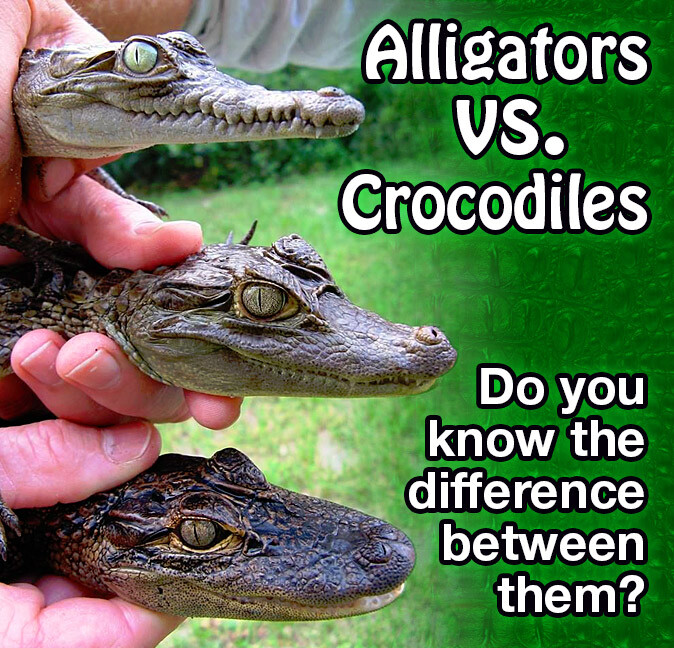
Perhaps the most reliable and immediate way to differentiate between an alligator and a crocodile is by observing the shape of their snout and the arrangement of their teeth when their mouths are closed.
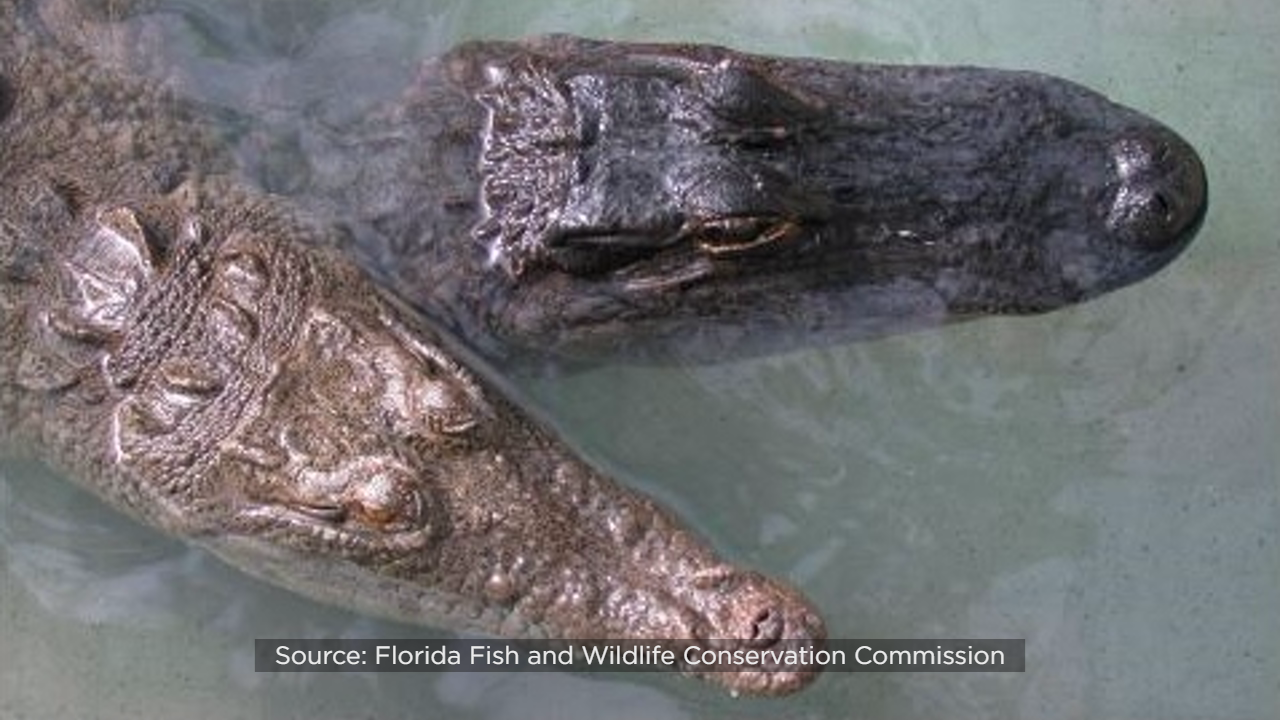
- Alligators: Possess a broad, U-shaped snout that is wider and blunter. When an alligator’s mouth is closed, the upper jaw completely covers the teeth of the lower jaw, so you generally cannot see any of its lower teeth.
- Crocodiles: Have a more pointed, V-shaped snout. Crucially, when a crocodile’s mouth is closed, the fourth tooth on its lower jaw is visible, protruding up and interlocking with the upper jaw. This characteristic “tooth grin” is a tell-tale sign of a crocodile.
This seemingly minor detail is a fascinating evolutionary adaptation, reflecting their different hunting strategies and dietary preferences, although both are opportunistic predators.
Coloration and Skin Texture
Beyond the general dark hue of alligators and lighter tones of crocodiles, there are nuances in their skin. Alligators typically have a uniform dark coloration, sometimes with lighter bands that fade with age. Their skin is rough and armored, providing excellent protection.
Crocodiles, on the other hand, often display a lighter, grayish-green or tan color, sometimes with darker spots or bands. Their skin can appear more mottled or patterned, offering camouflage in the coastal and mangrove environments they inhabit. The scales on a crocodile’s back are also typically more pronounced and less uniform than those of an alligator.
Preferred Habitat and Temperament
The ecological niches of these two reptiles are another critical differentiator, particularly within Florida.
- Alligators: Are predominantly freshwater dwellers. They thrive in swamps, marshes, lakes, rivers, and canals across virtually all of Florida. Their tolerance for saltwater is minimal, and they are rarely found in purely marine environments. While powerful and wild, American Alligators are generally shy and avoid human contact unless they have been fed, feel threatened, or are protecting their nests. They are known for their territorial behavior, especially during mating season.
- Crocodiles: The American Crocodile is primarily found in brackish and saltwater habitats, such as estuaries, mangrove swamps, and coastal areas along the Florida Keys and the extreme southern tip of the mainland, particularly within Everglades National Park. They possess specialized glands that allow them to excrete excess salt, enabling them to thrive in saline environments where alligators cannot. While often perceived as more aggressive than alligators, American Crocodiles in Florida are relatively timid and reclusive, often shying away from human interaction. Their populations are much smaller and more concentrated than those of alligators, and they are listed as a federally threatened species.
Geographic Distribution within Florida
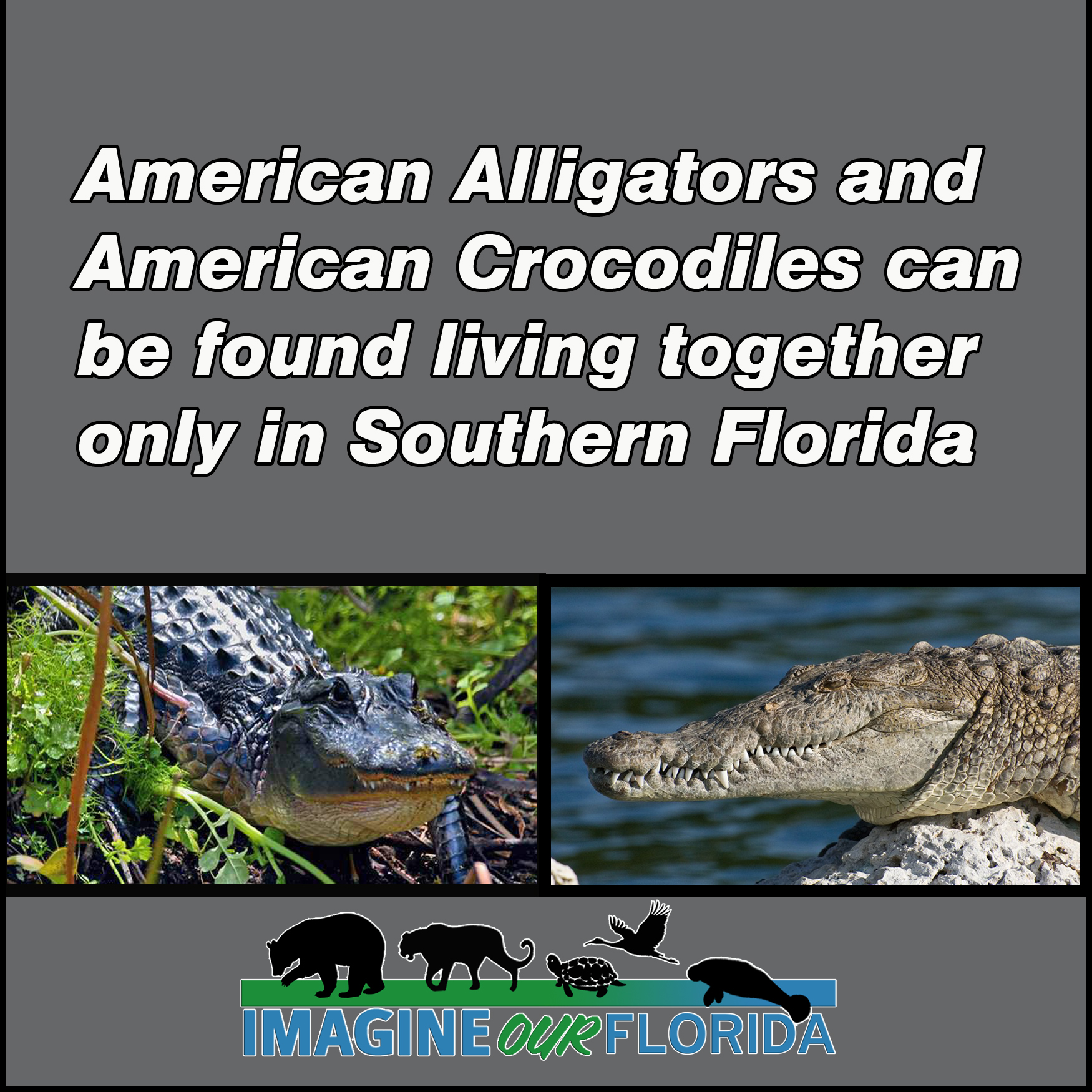
The geographical overlap of these two species is incredibly narrow, confined almost exclusively to the southern reaches of Florida. American Alligators can be found in every one of Florida’s 67 counties, from the panhandle down to the southern tip. Conversely, the American Crocodile’s range in the United States is restricted to South Florida, specifically around Everglades National Park, Florida Bay, and the Florida Keys, stretching along the coastlines of the Atlantic Ocean and the Gulf of Mexico. This narrow band of coexistence is what makes Florida such a unique ecological hotspot.
Where to Witness Florida’s Iconic Reptiles
For travelers keen to experience Florida’s wild side, there are numerous opportunities to safely observe alligators and, with a bit more luck, crocodiles. These experiences range from immersive wilderness expeditions to structured wildlife parks, offering different levels of interaction and educational insight.
Natural Habitats and Wilderness Expeditions
The most authentic way to see these reptiles is in their natural environment. This offers a true sense of adventure and a deeper connection to Florida’s wilderness.
- Everglades National Park: This vast subtropical wilderness is the quintessential place to see both alligators and, more rarely, crocodiles. Airboat tours offer thrilling rides through the sawgrass prairies, providing excellent views of alligators basking along the banks or gliding through the water. Walking trails, such as the Anhinga Trail or the elevated boardwalks at Shark Valley, bring visitors remarkably close to alligators in a safe, controlled manner. For those hoping to spot crocodiles, the coastal areas and estuaries of the park, particularly near Flamingo or the Florida Bay region, offer the best chances.
- Other State Parks and Wildlife Refuges: Numerous other locations across Florida provide prime alligator viewing. Big Cypress National Preserve, adjacent to the Everglades, offers similar opportunities. In central Florida, parks like Myakka River State Park near Sarasota or Lake Kissimmee State Park near Kissimmee are renowned for their abundant alligator populations. Many visitors enjoy guided kayak or canoe tours in these areas, offering a quiet and intimate wildlife viewing experience. The Arthur R. Marshall Loxahatchee National Wildlife Refuge in Boynton Beach is another excellent spot, particularly for birdwatching alongside alligator sightings. For a unique experience, the Babcock Ranch Eco-Tour offers buggy rides through a working ranch and preserved wilderness where alligators are frequently seen.
Dedicated Wildlife Parks and Sanctuaries
For a guaranteed and often more educational encounter, Florida boasts world-class wildlife parks specifically dedicated to crocodilians. These venues often provide closer views, educational shows, and insights into conservation efforts.
- Gatorland: Known as the “Alligator Capital of the World,” Gatorland in Orlando offers a fun and family-friendly experience. Beyond thousands of alligators and crocodiles, it features unique attractions like alligator wrestling shows, a thrilling zip line over alligator pools, and a breeding marsh that’s home to some of the largest alligators. It’s an excellent option for those staying in the Orlando or Kissimmee areas.
- St. Augustine Alligator Farm Zoological Park: Established in 1893, this historic park in St. Augustine is one of Florida’s oldest continuously operating attractions. It’s the only place in the world where visitors can see all living species of crocodilians, including the rare white alligators and the feared saltwater crocodile. Its comprehensive collection offers an unparalleled educational experience, making it a must-visit for reptile enthusiasts.
- Other Local Attractions: Smaller parks and centers, like Gator Spot at Fun Spot America in Orlando, also provide opportunities for close-up alligator viewing, often in conjunction with other entertainment options. Many roadside attractions and local nature centers also feature smaller exhibits or rescue facilities, contributing to local tourism and education.
Navigating Florida’s Wild Side: Safety and Respect
While encounters with alligators and crocodiles are often a highlight of a Florida trip, it’s paramount to approach these powerful animals with respect and caution. Safety is key to ensuring an enjoyable and responsible experience for both visitors and wildlife.
General Safety Guidelines
The Florida Fish and Wildlife Conservation Commission (FWC) provides clear guidelines for safe coexistence. Adhering to these recommendations is crucial:
- Never Feed Alligators or Crocodiles: This is the most critical rule. Feeding these animals habituates them to humans, causing them to associate people with food. This leads to dangerous behavior and often results in the animal having to be removed or euthanized.
- Maintain a Safe Distance: Always keep a significant distance from alligators and crocodiles, especially if they are in the water or basking on the shore. Use binoculars for close-up views.
- Swim Only in Designated Areas: Alligators are most active during dawn, dusk, and night. Avoid swimming in natural waters during these times, and only swim in designated areas where the FWC has deemed it safe.
- Keep Pets on Leashes and Away from Water: Alligators often view pets as easy prey. Always keep dogs and cats away from the edges of canals, lakes, and ponds.
- Be Aware of Your Surroundings: Stay alert, particularly in areas known to have alligators or crocodiles. They are masters of camouflage and can be surprisingly well-hidden.
- Do Not Harass or Molest Wildlife: It is illegal and dangerous to disturb these protected animals.
Understanding Their Behavior
Understanding basic reptile behavior can also enhance safety. Alligators and crocodiles are cold-blooded and often bask in the sun to regulate their body temperature. They are most active in warmer weather. During nesting season (typically late spring to early summer), females are particularly protective of their nests and young, and approaching them can be extremely dangerous. While they primarily hunt in the water, they can move surprisingly quickly on land over short distances. Their diets consist mainly of fish, birds, and small mammals, but they are opportunistic predators.
Conservation Efforts
The story of the American Alligator is a conservation success story. Once hunted to near extinction, they were listed as an endangered species in 1967. Thanks to robust conservation efforts, including habitat protection and strict regulations, their populations rebounded dramatically, leading to their removal from the endangered species list in 1987. Today, they are managed through regulated hunting programs in some areas to control populations.
The American Crocodile, however, remains federally threatened in Florida. Their smaller population, restricted habitat, and historical persecution have made their recovery more challenging. Conservation efforts focus on protecting their nesting sites, preserving their estuarine habitats, and reducing human-crocodile conflict. Visiting places like Everglades National Park and supporting accredited wildlife parks contributes indirectly to these vital conservation initiatives, ensuring these ancient reptiles continue to thrive.
Embracing Florida’s Unique Ecosystem for an Unforgettable Travel Experience
Florida’s distinction as the only place where alligators and crocodiles coexist is a testament to its extraordinary biodiversity and unique ecological landscape. For the discerning traveler, this offers a compelling reason to explore beyond the theme parks and beaches, delving into the state’s wild heart. Whether you opt for an exhilarating airboat ride through the Everglades, a leisurely stroll on a boardwalk overlooking an alligator-filled marsh, or an educational visit to a specialized zoological park, encounters with these majestic creatures promise to be truly memorable.
Understanding the subtle differences between these two ancient predators and respecting their natural behaviors enhances the travel experience, transforming a simple wildlife sighting into a deeper appreciation for the wonders of the natural world. By following safety guidelines and supporting responsible tourism, visitors can ensure that Florida’s iconic alligators and crocodiles continue to thrive for generations to come, securing the Sunshine State’s legacy as a premier destination for unforgettable nature experiences and unparalleled wildlife encounters. So, when you plan your next trip to Florida, prepare to be amazed by the presence of both, living side-by-side in this incredible, wild paradise.
LifeOutOfTheBox is a participant in the Amazon Services LLC Associates Program, an affiliate advertising program designed to provide a means for sites to earn advertising fees by advertising and linking to Amazon.com. Amazon, the Amazon logo, AmazonSupply, and the AmazonSupply logo are trademarks of Amazon.com, Inc. or its affiliates. As an Amazon Associate we earn affiliate commissions from qualifying purchases.