
The question, “Are there any snakes in Hawaii?”, might seem straightforward, but for those planning a trip to the lush, volcanic islands, it’s a surprisingly common and important one. Hawaii, with its unique ecosystem and isolated geography, has a fascinating relationship with its native fauna. While the images conjured by “Hawaii” often include vibrant flowers, clear blue waters, and the gentle sway of palm trees, the absence of native terrestrial snakes is a defining characteristic of its natural environment. This distinction isn’t just an interesting tidbit; it has significant implications for conservation efforts, agricultural practices, and even the experience of visitors.
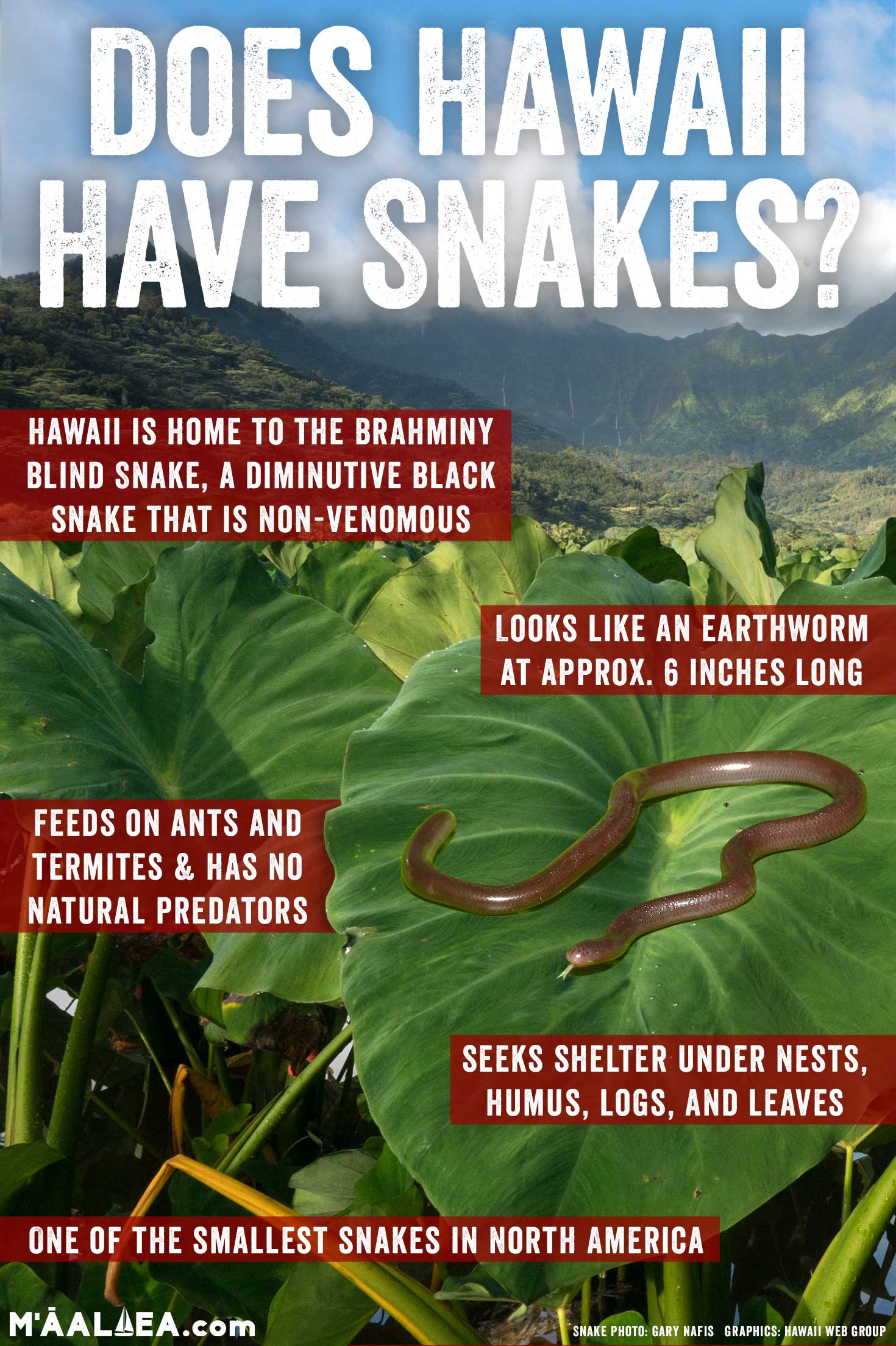
Hawaii’s isolation in the vast Pacific Ocean has played a crucial role in shaping its biodiversity. Over millennia, species that managed to reach the islands evolved in isolation, leading to a remarkable array of endemic plants and animals found nowhere else on Earth. However, this isolation also meant that certain groups of animals, including most reptiles, never naturally established a presence. The lack of native snakes is a direct result of this evolutionary journey. Unlike continental landmasses where snakes have had continuous opportunities to migrate and adapt, Hawaii’s volcanic origins and oceanic barriers prevented their natural arrival.
This absence is not a mere biological footnote; it’s a cornerstone of Hawaii’s ecological health. The natural environment of Hawaii has evolved without the predatory pressures that snakes typically exert on bird populations, small mammals, and other reptiles. Consequently, many native Hawaiian birds, for instance, have little to no innate fear of ground predators, making them particularly vulnerable to introduced species. The snake-free status of Hawaii, therefore, is a delicate balance that authorities are fiercely protective of.
The Unwelcome Visitor: The Brown Tree Snake
While Hawaii is remarkably free of native snakes, the question becomes more complex when considering introduced species. The most notorious and impactful of these is the brown tree snake. Originating from Australia, Indonesia, and Papua New Guinea, the brown tree snake was accidentally introduced to Guam in the mid-20th century, likely through military cargo. Its impact there has been catastrophic.
The Devastating Impact on Guam
On Guam, the brown tree snake encountered an island with no natural predators and naive prey. The result was an ecological disaster. Bird populations plummeted, with many endemic species driven to extinction or near extinction. The snakes decimated native lizards, insects, and even small mammals. Their presence disrupted the food web, leading to cascading effects throughout the ecosystem. The economic and social consequences have also been severe, with the snakes causing widespread power outages by chewing through electrical equipment and requiring extensive, costly control measures.
Hawaii’s Vigilance and Prevention Efforts
The ecological devastation on Guam has served as a stark warning for Hawaii. The Hawaii Department of Agriculture and other state and federal agencies are extremely vigilant in preventing the introduction and spread of invasive species, with the brown tree snake being a top priority.
Strict biosecurity measures are in place at all points of entry. This includes thorough inspections of cargo, luggage, and vessels arriving from areas where the brown tree snake is prevalent. Travelers arriving in Hawaii are often reminded to declare any items that might harbor snakes, such as plants, agricultural products, and even used equipment. This proactive approach is essential to safeguarding the unique and vulnerable Hawaiian environment. The success of these efforts depends heavily on public awareness and cooperation.
What to Expect as a Visitor: Snake Sightings and Safety
For tourists, the primary concern when asking “Are there any snakes in Hawaii?” is often personal safety. The good news is that, due to rigorous prevention efforts, the chances of encountering a snake during a typical visit are extremely low.
Native Fauna and Terrestrial Reptiles
As mentioned, Hawaii has no native terrestrial snakes. The native reptile fauna is limited to a few species of sea turtles and monk seals in marine environments, and very small, innocuous geckos that are common in many tropical destinations. These geckos are harmless and beneficial, as they help control insect populations.
The Rarity of Introduced Snakes
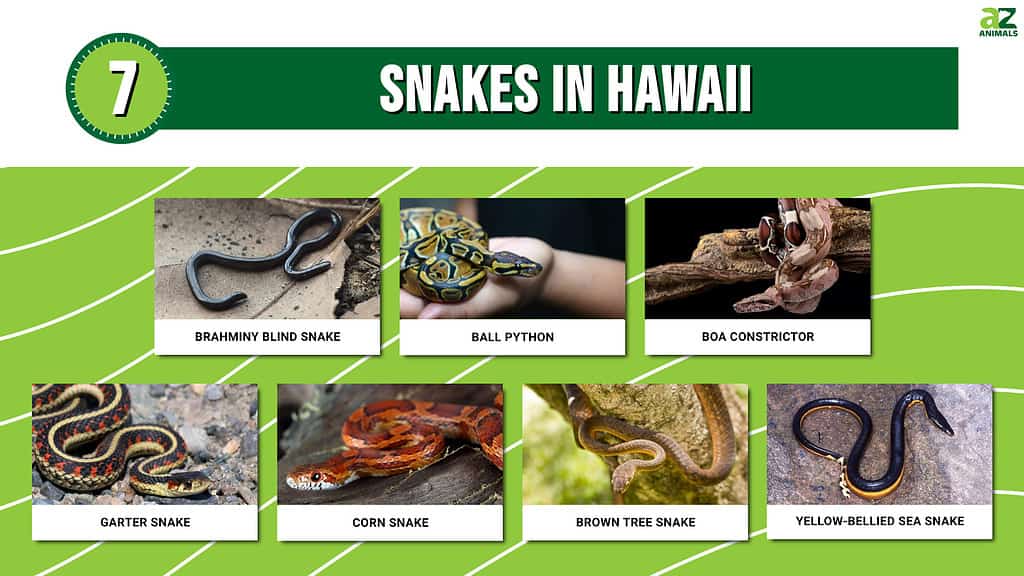
Occasionally, snakes are found in Hawaii. These are almost always stowaways that have been inadvertently transported from other parts of the world. They are typically discovered in shipping containers, on airplanes, or within imported goods. When such snakes are found, they are immediately captured and euthanized by authorities to prevent them from establishing a population.
The most common types of snakes found are usually non-venomous, such as various constrictors or small garden snakes. However, even these can pose a threat to the native ecosystem if they were to escape and reproduce. The fear of venomous snakes, while understandable, is largely unfounded for visitors to Hawaii. The islands have no native venomous snakes, and introduced venomous species are exceedingly rare and quickly dealt with if found.
What to Do If You See a Snake
Despite the rarity, it’s always good to be prepared. If, by some chance, you do encounter a snake during your vacation, the best course of action is to:
- Do not approach or attempt to handle it. Even non-venomous snakes can bite if they feel threatened.
- Keep a safe distance. Observe the snake from afar.
- Notify authorities immediately. The Hawaii Department of Agriculture or local law enforcement should be contacted. They have trained personnel to safely remove or deal with any found snakes.
Popular Tourist Destinations and Snake Encounters
When exploring popular tourist destinations like Oahu, visiting iconic landmarks like Pearl Harbor or the beaches of Waikiki, or enjoying the natural beauty of Maui with its Road to Hana and the majestic Haleakala National Park, the likelihood of a snake encounter is negligible. The same applies to the adventurous traveler seeking the dramatic landscapes of Kauai or the volcanic wonders of the Big Island with Hawaii Volcanoes National Park. These areas are regularly monitored, and the absence of established snake populations means you can enjoy your travels with peace of mind. Accommodations ranging from luxurious resorts like the Grand Hyatt Kauai Resort & Spa to cozy vacation rentals in towns like Lahaina or Kailua-Kona offer no increased risk of snake encounters.
Conservation and the Importance of a Snake-Free Hawaii
The absence of snakes in Hawaii is not just a convenience for tourists; it is a critical aspect of the islands’ unique ecological heritage. The ongoing efforts to maintain this snake-free status are vital for the survival of many endemic species.
Protecting Native Biodiversity
Hawaii boasts an extraordinary level of endemism, meaning many of its plants and animals are found nowhere else on Earth. This fragile biodiversity has evolved in the absence of significant reptilian predators. The introduction of snakes, particularly the brown tree snake, would pose an existential threat to many native species, especially ground-nesting birds, which are already facing numerous challenges. The economic implications of such an ecological collapse would also be significant, impacting industries reliant on the natural beauty and unique wildlife of the islands.
The Role of Tourism and Education
The tourism industry plays a dual role in this conservation effort. On one hand, it brings economic benefits that can help fund conservation initiatives. On the other hand, tourists can inadvertently become vectors for invasive species. Therefore, educating visitors about the importance of Hawaii‘s unique ecosystem and the risks posed by invasive species is crucial. By being mindful of biosecurity measures and respecting local guidelines, travelers can contribute to the preservation of this paradise.
Future Outlook and Ongoing Efforts
The battle against invasive species is ongoing, and the vigilance against snakes remains a top priority for Hawaii. Continuous funding for biosecurity programs, research into detection and eradication methods, and public awareness campaigns are all essential components of maintaining the islands’ snake-free status. The success of these endeavors ensures that future generations will be able to enjoy the pristine natural wonders that make Hawaii such a sought-after destination, from the lush rainforests of Kauai to the volcanic landscapes of the Big Island.
In conclusion, while the question “Are there any snakes in Hawaii?” might raise immediate concerns for some travelers, the answer is reassuringly clear: there are no native snakes, and the risk of encountering an introduced one is exceptionally low. This natural condition is a precious asset that Hawaii works diligently to protect, ensuring that its unique natural beauty and delicate ecosystems can be enjoyed for years to come. Visitors can therefore explore the islands, from the bustling streets of Honolulu to the tranquil beaches of Maui, with the confidence that this aspect of their island adventure will remain worry-free.
LifeOutOfTheBox is a participant in the Amazon Services LLC Associates Program, an affiliate advertising program designed to provide a means for sites to earn advertising fees by advertising and linking to Amazon.com. Amazon, the Amazon logo, AmazonSupply, and the AmazonSupply logo are trademarks of Amazon.com, Inc. or its affiliates. As an Amazon Associate we earn affiliate commissions from qualifying purchases.