
The question “Are there bears in Alabama?” often sparks a mix of surprise and intrigue among travelers planning a visit to the Yellowhammer State. While many might associate bears with the dense forests of the Pacific Northwest or the rugged peaks of the Rocky Mountains, the truth is that Alabama is indeed home to a robust, albeit often elusive, population of American Black Bears. Far from being a mere historical footnote, these magnificent creatures are a vital part of the state’s diverse ecosystem, offering a unique facet to Alabama’s appeal as a travel destination for those who appreciate wildlife and the great outdoors.

For nature enthusiasts, adventurers, and families seeking an immersive experience, understanding the presence of bears adds an exciting layer to planning an Alabama vacation. It underscores the importance of responsible tourism and highlights the state’s commitment to conservation. This article delves into where you might find these bears, what to expect when exploring their habitats, crucial safety tips, and how Alabama’s natural landscapes offer much more than just the chance of a bear sighting. From luxurious resorts near sprawling national forests to rustic cabins perfect for an immersive wilderness experience, Alabama offers a spectrum of accommodation options that cater to every type of traveler looking to explore its wild heart.
The Resurgent Presence of Bears in the Heart of Alabama
For decades, the presence of American Black Bears in Alabama was largely diminished due to habitat loss and unregulated hunting. However, thanks to concerted conservation efforts and natural recolonization from neighboring states like Florida, Georgia, and Mississippi, black bear populations have been steadily recovering and expanding their range across the state. This comeback story is a testament to the resilience of nature and the dedicated work of conservationists. For travelers, this means a unique opportunity to connect with wildlife in a state renowned for its southern charm and diverse natural beauty.
A Glimpse into Alabama’s Bear Population
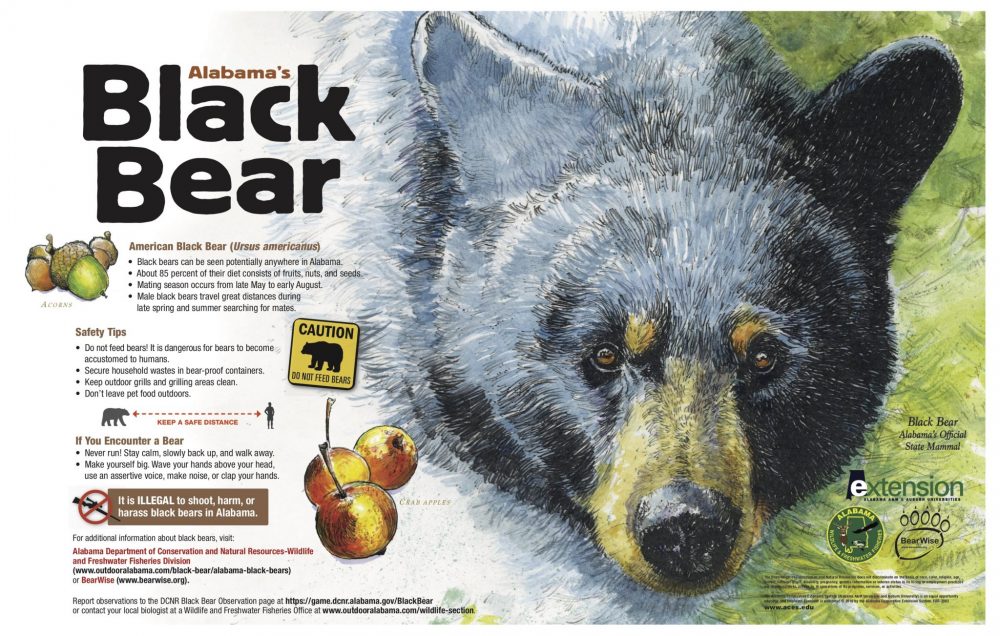
The vast majority of bears found in Alabama are American Black Bears (Ursus americanus). These omnivores are typically shy and elusive, preferring to avoid human contact. Their populations are primarily concentrated in several key regions across the state, each offering distinct opportunities for outdoor recreation and wildlife appreciation.
One of the most significant populations resides in the northwestern part of Alabama, particularly within the expansive Bankhead National Forest. This forest, often referred to as “the land of 1,000 waterfalls,” provides an ideal habitat with its dense woodlands, abundant water sources, and rugged terrain. Visitors to areas like the Sipsey Wilderness within Bankhead might catch a rare glimpse of a bear, though sightings are far from guaranteed and require patience and luck.
Another crucial stronghold for Alabama’s black bears is the ecologically rich Mobile-Tensaw Delta. This vast river delta and wetland system, stretching over 250,000 acres, is often called “America’s Amazon” due to its incredible biodiversity. The dense swamps, bottomland hardwoods, and marshlands offer perfect cover and food sources for bears, making it a critical habitat, especially for the distinct Florida subspecies of the American Black Bear that also inhabits parts of southern Alabama. Canoeing or kayaking through the delta offers an immersive experience where one might encounter a variety of wildlife, though again, bear sightings are rare and should be considered a special bonus.
Additionally, bear populations have been sighted and are expanding into other forested areas, including parts of the Talladega National Forest in the central and eastern parts of the state, particularly around the Appalachian Mountains foothills. Isolated sightings have also been reported in the Conecuh National Forest near the Florida border, indicating a gradual expansion of their range across suitable habitats throughout the state. The Alabama Department of Conservation and Natural Resources (ADCNR) actively monitors these populations, using tracking data and public sightings to better understand their movements and ensure their continued protection.
Understanding Black Bear Habitats and Behavior
To truly appreciate the presence of American Black Bears in Alabama, it’s essential to understand their preferred habitats and typical behavior. These bears thrive in areas that offer dense cover, abundant food sources, and minimal human disturbance. In Alabama, this translates to vast stretches of mature forests, wetland ecosystems like the Mobile-Tensaw Delta, and rugged, undeveloped wilderness areas.
Black bears are omnivores, and their diet largely consists of nuts, berries, insects, roots, and occasionally small mammals or carrion. They are highly opportunistic feeders, which is why proper food storage is paramount for anyone camping or picnicking in bear country. During spring and summer, they forage for new growth and berries, while in autumn, they focus on building up fat reserves by consuming acorns, pecans, and other hard mast in preparation for winter dormancy. This seasonal shift in diet dictates their movements and activity patterns throughout the year.
Despite their size, black bears are incredibly agile climbers and can move surprisingly quickly. They are generally crepuscular, meaning most active during dawn and dusk, though they can be active at any time of day, especially when foraging for food. Their elusive nature means that a sighting is a rare and special event. Most often, hikers might find signs of their presence — tracks, scat, or claw marks on trees – rather than the bears themselves. This inherent shyness is a natural defense mechanism and a key reason why serious human-bear conflicts are uncommon in Alabama. Responsible visitors play a crucial role in maintaining this delicate balance, ensuring that both humans and bears can safely coexist in the state’s beautiful wild spaces.
Navigating Alabama’s Wilderness: Safety for Travelers and Locals
Exploring the wild corners of Alabama can be an incredibly rewarding experience, offering solitude, stunning scenery, and the chance to connect with nature. However, in areas where American Black Bears reside, it’s imperative for both travelers and locals to understand and practice proper bear safety. These guidelines are not just about protecting yourself; they are also about protecting the bears by preventing habituation to human food, which is often the root cause of conflicts. Integrating these practices into your travel plans ensures a safe and enjoyable journey for everyone.
Essential Bear Safety Tips for Visitors
When venturing into Alabama’s bear country, preparation is key. Whether you’re planning a day hike, an overnight camping trip, or simply picnicking in a state park near known bear habitats, these tips will help minimize the risk of a negative encounter:
- Proper Food Storage: This is the golden rule of bear safety. Never leave food unattended, even for a short period. Store all food, trash, and scented items (like toiletries) in bear-resistant containers, hung from a tree branch (at least 10 feet off the ground and 4 feet from the trunk), or secured inside a locked vehicle out of sight. Never keep food inside your tent.
- Keep a Clean Camp: Clean up all food scraps, spilled drinks, and trash immediately. Pack out everything you pack in. Even crumbs can attract bears.
- Make Noise on Trails: Bears generally want to avoid humans. By making noise while hiking – talking, singing, or clapping – you can alert bears to your presence and give them time to move away before an encounter. Avoid hiking silently, especially through dense vegetation.
- Travel in Groups: Hiking with companions is safer than hiking alone. Groups are louder and appear more intimidating to bears.
- Stay Alert and Aware of Your Surroundings: Pay attention to signs of bear activity, such as fresh tracks, scat, or claw marks on trees. Avoid areas with fresh bear signs.
- What to Do During an Encounter: If you encounter a bear, remain calm. Do not run, as this might trigger a chase response. Instead, make yourself look as large as possible by waving your arms and making noise. Back away slowly while facing the bear. If a bear approaches you, stand your ground and be aggressive; yell, throw rocks, or use bear spray if you have it. If a black bear attacks, fight back defensively.
- Carry Bear Spray: In areas with known bear activity, carrying EPA-approved bear spray and knowing how to use it is a wise precaution.
By following these simple yet crucial guidelines, visitors can significantly reduce the potential for human-bear conflicts, ensuring that both wildlife and people can enjoy Alabama’s natural splendor.
Coexisting with Wildlife: Responsible Tourism Practices
Responsible tourism goes hand-in-hand with bear safety, encompassing a broader philosophy of respecting and protecting the natural environment. For travelers visiting Alabama’s natural landmarks and wilderness areas, adopting responsible practices is vital for preserving the state’s ecological integrity and ensuring sustainable travel experiences for generations to come.
- Leave No Trace Principles: Embrace the “Leave No Trace” philosophy. This means planning ahead and preparing, traveling and camping on durable surfaces, disposing of waste properly, leaving what you find, minimizing campfire impacts, respecting wildlife, and being considerate of other visitors. These principles are fundamental to minimizing your impact on the environment.
- Respect Wildlife from a Distance: While the thrill of seeing a bear or other wildlife is undeniable, always observe animals from a safe and respectful distance. Never approach, feed, or harass wildlife. Feeding bears, even unintentionally through improperly stored food, can lead to their habituation to humans, making them dependent on human food sources and increasing the likelihood of dangerous encounters.
- Report Sightings Responsibly: If you do encounter a bear or observe concerning bear behavior, report it to the Alabama Department of Conservation and Natural Resources (ADCNR) or local park authorities. Provide accurate details about the location, time, and behavior of the bear. This information helps wildlife officials monitor populations and manage potential human-wildlife conflicts effectively.
- Stay on Marked Trails: Venturing off-trail can disturb delicate ecosystems, potentially displacing wildlife from their habitats and inadvertently bringing you closer to hidden dens or feeding areas.
- Educate Yourself and Others: Share your knowledge of bear safety and responsible tourism with fellow travelers. The more informed visitors are, the better equipped everyone will be to protect Alabama’s precious natural heritage.
By adhering to these responsible tourism practices, visitors contribute directly to the ongoing conservation efforts in Alabama and help foster a harmonious coexistence between humans and the state’s wild residents, including the magnificent American Black Bear.
Alabama’s Natural Treasures: Beyond Bear Sightings
While the presence of American Black Bears adds an exciting dimension to Alabama’s outdoor appeal, the state’s natural treasures extend far beyond the possibility of a bear sighting. Alabama boasts an incredibly diverse landscape, from the Appalachian foothills to the pristine beaches of the Gulf Coast, offering a myriad of activities and experiences for every type of traveler. For those seeking to immerse themselves in nature, whether for wildlife photography, strenuous hikes, or tranquil paddles, Alabama delivers an unforgettable adventure.
Exploring Alabama’s Premier Outdoor Destinations
Alabama’s commitment to preserving its natural beauty is evident in its extensive network of state parks, national forests, and wildlife refuges. These areas are not only vital habitats for bears and other wildlife but also prime destinations for outdoor enthusiasts.
The previously mentioned Bankhead National Forest in northern Alabama is a hiker’s paradise, offering miles of trails, including those within the Sipsey Wilderness – the only wilderness area in Alabama that is part of the National Wilderness Preservation System. Here, visitors can explore breathtaking canyons, discover hidden waterfalls, and traverse ancient forests, making it an ideal spot for backpacking and nature photography.
Further east, the Talladega National Forest provides a different kind of natural splendor, characterized by rolling hills and picturesque overlooks. This area is popular for hiking, mountain biking, and horseback riding, offering access to parts of the 337-mile Pinhoti Trail, a long-distance hiking trail that connects with the Appalachian Trail.
For water-based adventures, the Mobile-Tensaw Delta is unparalleled. Kayaking, canoeing, and fishing are popular activities that allow visitors to navigate a maze of waterways teeming with alligators, diverse birdlife, and potentially, if you’re lucky and observant, a glimpse of a black bear along the banks. Dauphin Island, located at the mouth of Mobile Bay, is another natural gem, renowned for its bird migration patterns and tranquil beaches.
Beyond these bear-frequented zones, Alabama offers numerous other captivating landmarks and natural parks. Little River Canyon National Preserve, near Fort Payne, boasts one of the deepest canyons east of the Mississippi River and spectacular waterfalls like DeSoto Falls. Cheaha State Park, home to Alabama’s highest point, provides panoramic views and rugged trails, while Oak Mountain State Park near Birmingham offers a vast array of recreational opportunities, from golf to hiking and even a wildlife rehabilitation center. These destinations cater to various lifestyles, from extreme adventurers to families seeking gentle nature walks, all while showcasing the Yellowhammer State’s stunning ecological diversity.
Accommodations for the Adventurous Traveler
To truly immerse oneself in Alabama’s natural beauty, choosing the right accommodation is key. The state offers a wide range of options, from rustic cabins nestled deep within forests to luxurious hotels with easy access to outdoor attractions. For those looking to be near known bear habitats, camping in designated campgrounds within national forests is an option, provided all bear safety protocols are rigorously followed. Many of these sites offer basic amenities, allowing for an authentic wilderness experience.
For travelers seeking more comfort without sacrificing proximity to nature, numerous state parks offer well-appointed cabins and lodges. For instance, Lake Guntersville State Park provides breathtaking lake views and comfortable rooms, while DeSoto State Park near Little River Canyon National Preserve features quaint cabins and chalets ideal for families or couples. These types of accommodation blend the rustic charm of nature with modern conveniences, offering a perfect base for exploring nearby trails and waterways.
For those planning to visit areas like Bankhead National Forest, cities such as Huntsville or Florence provide a broader selection of hotels and resorts, from budget-friendly options to luxury suites. These cities serve as excellent gateways, combining urban amenities with relatively short drives to wilderness areas. Similarly, for exploring the Mobile-Tensaw Delta and the Gulf Coast, Mobile or coastal towns like Fairhope and Orange Beach offer a wide array of accommodation choices, including charming boutique hotels, family-friendly resorts, and vacation rentals.
Whether your lifestyle leans towards rugged camping, cozy cabin stays, or upscale hotel accommodations, Alabama ensures that every traveler can find their perfect home base for exploring its spectacular natural beauty and embarking on memorable outdoor adventures. The state’s diverse offerings make it an exceptional choice for family trips, solo explorations, or romantic getaways amidst the wild.
The Future of Bears in the Yellowhammer State: Conservation and Awareness
The story of bears in Alabama is not just about their current presence, but also about the ongoing efforts to ensure their future. The gradual resurgence of the American Black Bear population is a conservation success story, but it’s one that requires continuous vigilance, dedicated management, and public engagement. For travelers, understanding these efforts adds a layer of appreciation for the wild spaces they visit and highlights how their responsible actions contribute to a larger environmental narrative.
Ongoing Conservation Efforts and Partners
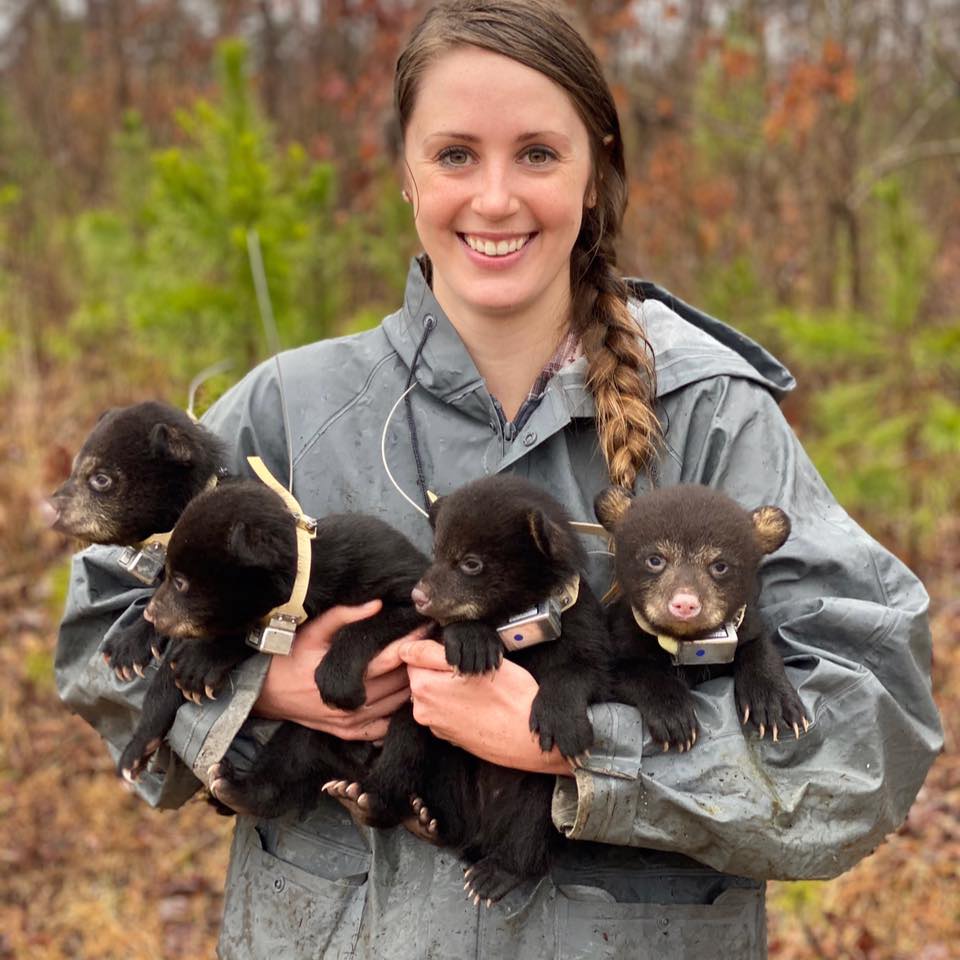
The protection and recovery of Alabama’s bear population are primarily spearheaded by the Alabama Department of Conservation and Natural Resources (ADCNR), specifically its Wildlife and Freshwater Fisheries Division. The ADCNR conducts extensive research, including tracking bears, monitoring their movements, and assessing population health. Their work provides critical data used to inform management strategies, such as habitat preservation and public education campaigns.
Beyond state agencies, various non-profit organizations and academic institutions play crucial roles. Groups like the Alabama Wildlife Federation work to conserve wildlife habitats and educate the public about Alabama’s biodiversity. Universities like Auburn University and the University of Alabama often collaborate on research projects, contributing scientific expertise to bear management plans.
Habitat preservation is a cornerstone of these efforts. Programs such as the Forever Wild Land Trust acquire and manage key natural lands across Alabama, ensuring that critical bear habitats remain undisturbed. National Park Service and US Forest Service units, which manage areas like Bankhead National Forest and Little River Canyon National Preserve, also implement policies designed to protect wildlife and maintain ecological balance. These partnerships are vital for creating interconnected conservation corridors that allow bears to disperse and thrive.
Educational Initiatives for Sustainable Tourism
Public awareness and education are paramount to the success of bear conservation. The ADCNR and its partners frequently conduct outreach programs to inform residents and visitors about bear behavior, safety precautions, and the importance of not feeding wildlife. These initiatives are often promoted through state parks, visitor centers, and online resources, providing accessible information for everyone.
For tourism operators and accommodation providers in or near bear habitats, integrating educational messaging is crucial. Many hotels, cabins, and campgrounds provide guests with brochures or guidelines on bear safety, helping to foster a culture of responsible interaction with wildlife. For example, the Wehle Nature Center is one of several facilities that offers programs on wildlife education, highlighting the delicate balance between human recreation and natural ecosystems.
Sustainable tourism in Alabama means recognizing that the state’s natural beauty, including its wildlife, is a valuable resource that needs protection. By participating in responsible travel practices, adhering to safety guidelines, and supporting conservation efforts, visitors become active partners in safeguarding the future of American Black Bears and all of Alabama’s incredible biodiversity. This proactive approach ensures that the “Are there bears in Alabama?” question will continue to be answered with a resounding “Yes!” for generations of adventurers to come.
In conclusion, Alabama is indeed home to American Black Bears, making it a truly unique destination for those seeking encounters with nature. While sightings are rare, their presence underscores the wild heart of the Yellowhammer State and its dedicated conservation efforts. From the diverse landscapes of its national forests to the serene waterways of its delta, Alabama offers unparalleled opportunities for outdoor exploration. By embracing responsible tourism practices and understanding bear safety, travelers can safely enjoy Alabama’s natural splendor, contributing to the continued flourishing of its wild inhabitants. So, pack your bags, prepare for adventure, and discover the unexpected wilderness of Alabama.
LifeOutOfTheBox is a participant in the Amazon Services LLC Associates Program, an affiliate advertising program designed to provide a means for sites to earn advertising fees by advertising and linking to Amazon.com. Amazon, the Amazon logo, AmazonSupply, and the AmazonSupply logo are trademarks of Amazon.com, Inc. or its affiliates. As an Amazon Associate we earn affiliate commissions from qualifying purchases.