
Nebraska, a state often envisioned as a vast expanse of rolling prairies and agricultural heartland, might not be the first place that springs to mind when contemplating wildlife encounters with large predators like bears. However, the natural world is full of surprises, and understanding the ecological landscape of any region is key to appreciating its biodiversity. While Nebraska is not renowned for a thriving, resident bear population in the way some of its mountainous or heavily forested western neighbors might be, the possibility of encountering these magnificent creatures, particularly of a specific species, does exist. This exploration delves into the nuances of bear presence in Nebraska, focusing on the types of bears that might be found, the circumstances of their appearances, and what this signifies for the state’s natural heritage and the experiences available to those who explore its wilder corners.
Understanding the Potential for Bear Presence
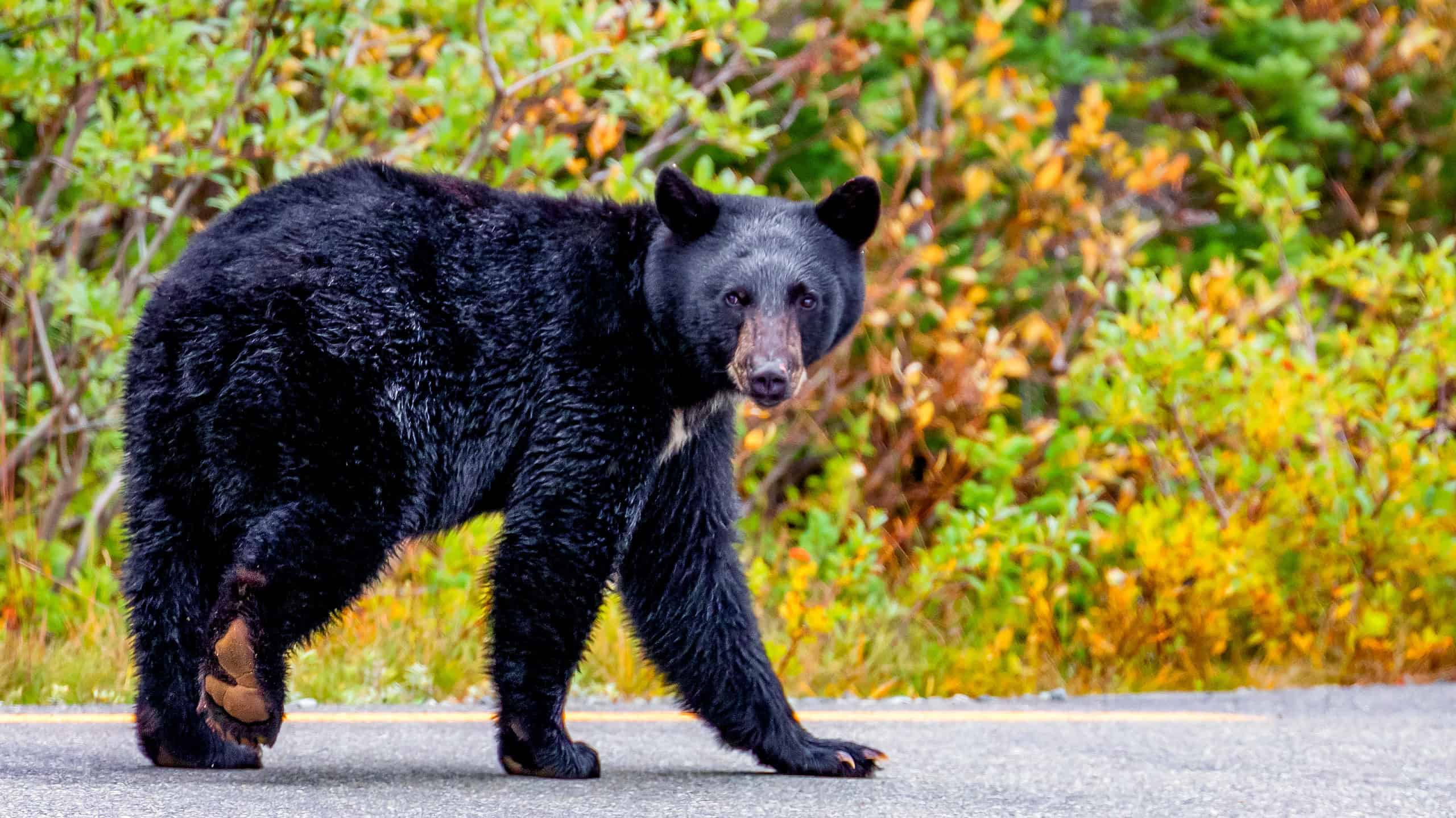
The question of whether bears inhabit Nebraska is not a simple yes or no. It requires a deeper look into the habits of bear species native to North America and how their ranges can sometimes overlap with or extend into less predictable territories. The primary focus of any discussion regarding bears in Nebraska centers on a species whose adaptability and opportunistic nature allow it to venture into a wide array of habitats: the black bear.
The Black Bear: An Opportunistic Wanderer
The American black bear (Ursus americanus) is the most common and widespread bear species in North America. Unlike their larger, more reclusive cousin, the grizzly bear, black bears are more adaptable and can thrive in diverse environments, including forests, woodlands, mountains, and even areas with significant human presence. Their diet is omnivorous, consisting of berries, nuts, insects, roots, and occasionally small animals or carrion. This dietary flexibility is a key factor in their ability to expand their ranges.
While Nebraska’s landscape is predominantly agricultural, it does possess significant natural areas, particularly along its river systems and in its western panhandle. These areas, featuring woodlands and riparian habitats, can provide the necessary food sources and cover for black bears. Encounters in Nebraska are typically not indicative of a permanent, established breeding population, but rather of individual bears that have either dispersed from neighboring states where populations are more robust, or are opportunistically moving through the state in search of food or new territory.
Distinguishing from Grizzly Bears
It is crucial to differentiate between American black bears and grizzly bears (Ursus arctos horribilis). Grizzly bears, a subspecies of the brown bear, are considerably larger, possess a distinctive shoulder hump, and have longer claws. Their primary habitat is in mountainous regions and tundra. While grizzly bears historically roamed further east than they do today, Nebraska is generally considered to be well outside their current natural range. Therefore, any bear sighting in Nebraska is overwhelmingly likely to be an American black bear.
Documented Sightings and Dispersal Patterns
The presence of bears in Nebraska is largely characterized by anecdotal evidence and occasional documented sightings, rather than consistent ecological surveys that would confirm a resident population. These occurrences are vital indicators of the dynamic nature of wildlife populations and the expansive movements that individual animals can undertake.
Occasional Sightings and Their Significance
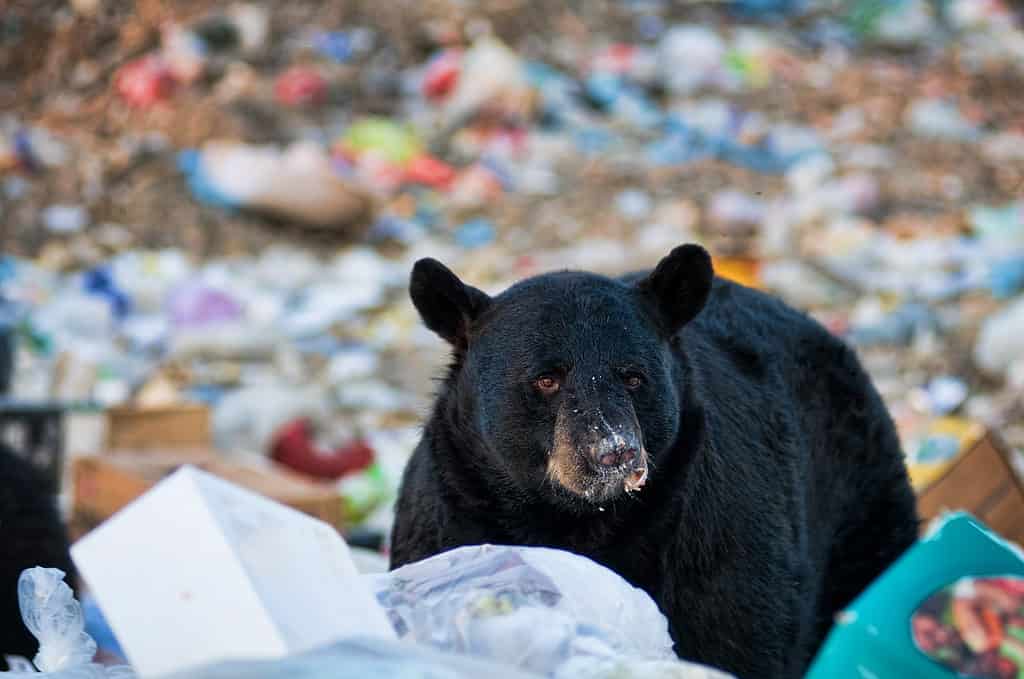
Over the years, there have been reports of black bears in various parts of Nebraska, most frequently in the eastern and central sections of the state, often associated with the Platte River and its tributaries, or the heavily wooded areas in the Omaha and Lincoln metropolitan vicinities and extending into surrounding counties. These sightings are usually of solitary animals. Biologists often attribute these appearances to young male bears dispersing from more populated areas in states like Iowa, Missouri, or even as far west as Colorado, seeking new territories or mates.
The significance of these sightings extends beyond mere curiosity. They highlight the interconnectedness of ecosystems across state lines and the importance of maintaining habitat corridors. Even transient bears can contribute to the ecological balance of an area by acting as seed dispersers or predators, albeit on a small scale.
Factors Influencing Dispersal
Several factors contribute to the dispersal of black bears into areas like Nebraska. As bear populations grow in neighboring states, competition for resources intensifies, prompting younger, less dominant males to leave their natal territories. Additionally, habitat fragmentation in core bear ranges can push bears to seek out new, less populated areas. Climate change and shifts in food availability can also influence animal movements. For Nebraska, this means that while a resident population is not established, the potential for bears to pass through or briefly inhabit certain regions remains.
Experiencing Nebraska’s Wild Side: Beyond the Bear
While the infrequent nature of bear sightings means they are not a primary tourist draw for Nebraska, the state offers abundant opportunities for nature enthusiasts to connect with its diverse wildlife and breathtaking landscapes. The allure of Nebraska lies in its vast, open spaces, its rich agricultural heritage, and the surprising pockets of natural beauty that offer unique recreational experiences.
Exploring Natural Habitats
Nebraska’s natural beauty is most evident along its extensive river systems, particularly the Missouri River and its tributaries. These riparian corridors are teeming with diverse flora and fauna and offer excellent opportunities for birdwatching, fishing, and hiking.
- The Sandhills: This unique region, characterized by rolling sand dunes covered in grasses, is a testament to Nebraska’s diverse topography. It is a vital habitat for many grassland species and offers a starkly beautiful landscape for exploration.
- Otoe County: Located in the southeastern part of the state, Otoe County boasts significant forested areas and bluffs along the Missouri River, providing habitats that could potentially support transient wildlife, including bears.
- Scotts Bluff National Monument: While not a place for bear encounters, this iconic landmark in the western panhandle offers a glimpse into the geological history of the region and stunning vistas, drawing visitors with its dramatic rock formations and historical significance related to the Oregon Trail.
- Fontenelle Forest: Situated just south of Omaha, this expansive urban forest is a significant natural refuge, offering miles of trails through diverse ecosystems. It is a prime location for observing a wide array of wildlife, from deer and coyotes to numerous bird species.
Wildlife Viewing Opportunities
Beyond the possibility of bears, Nebraska is a haven for a multitude of other fascinating wildlife. Birdwatchers, in particular, will find Nebraska to be a rewarding destination.
- Bird Migration Hotspots: The Platte River is world-famous for its spring migration of sandhill cranes, where hundreds of thousands of these magnificent birds gather in a spectacle of natural wonder. Other migratory birds also utilize the state’s river valleys and wetlands.
- Mammal Watching: Visitors can readily spot white-tailed deer, mule deer, coyotes, badgers, and numerous smaller mammals. The state’s parks and wildlife refuges are excellent places to observe these animals in their natural settings.
- Reptiles and Amphibians: The varied habitats across Nebraska support a diverse array of reptiles and amphibians, offering an opportunity for those interested in herpetology to discover species like various turtles, snakes, and frogs.
Responsible Wildlife Encounters
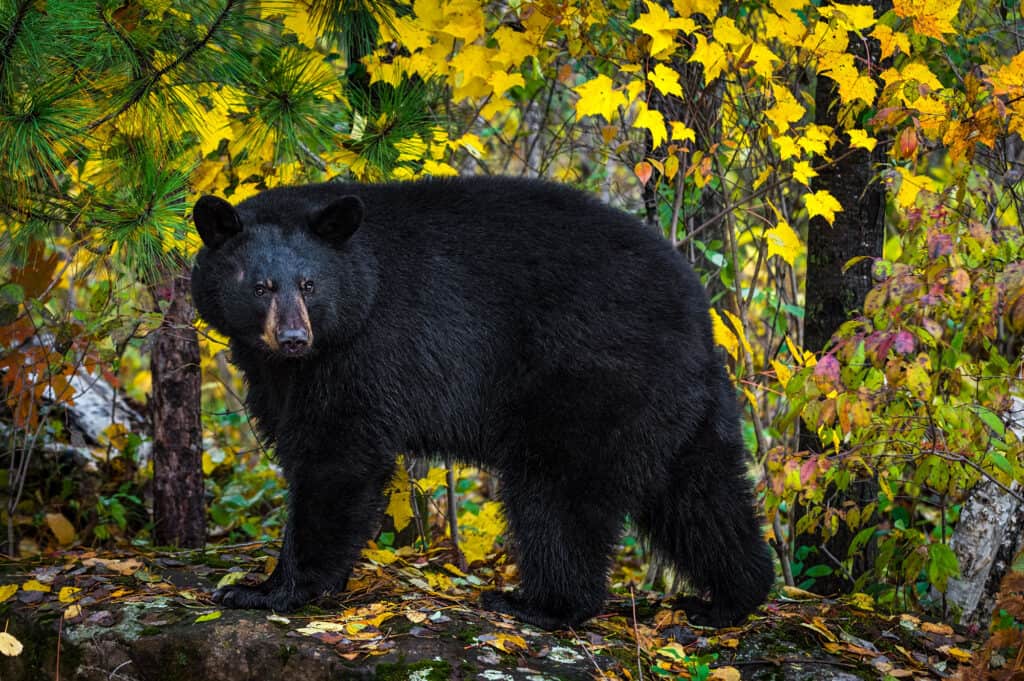
For those venturing into Nebraska’s natural areas, it is important to practice responsible wildlife viewing, whether the goal is to spot deer or to have a rare bear encounter. This means maintaining a safe distance, never feeding wild animals, and properly storing food to avoid attracting them. Understanding the behavior of wildlife is key to ensuring both your safety and the animals’ well-being. If a bear is encountered, the best practice is to remain calm, make noise to announce your presence, and slowly back away without running. While the chances of encountering a bear in Nebraska are slim, being prepared and informed enhances the experience of exploring the state’s wild landscapes. Nebraska’s natural beauty and wildlife offer a unique and rewarding experience for those willing to look beyond the obvious.
LifeOutOfTheBox is a participant in the Amazon Services LLC Associates Program, an affiliate advertising program designed to provide a means for sites to earn advertising fees by advertising and linking to Amazon.com. Amazon, the Amazon logo, AmazonSupply, and the AmazonSupply logo are trademarks of Amazon.com, Inc. or its affiliates. As an Amazon Associate we earn affiliate commissions from qualifying purchases.