
For many, the image of New York conjures bustling metropolises, iconic skyscrapers, and vibrant city life. However, nestled within the Empire State’s diverse landscapes are surprisingly wild corners, home to a fascinating array of wildlife. One of the most intriguing questions for nature enthusiasts and curious travelers alike is: are there bears in New York? The answer is a resounding yes, and understanding their presence offers a unique lens through which to explore the state’s natural beauty. This exploration delves into the types of bears found in New York, their habitats, and how visitors and residents can respectfully coexist with these magnificent creatures.
The Black Bear: New York’s Native Ursine Resident
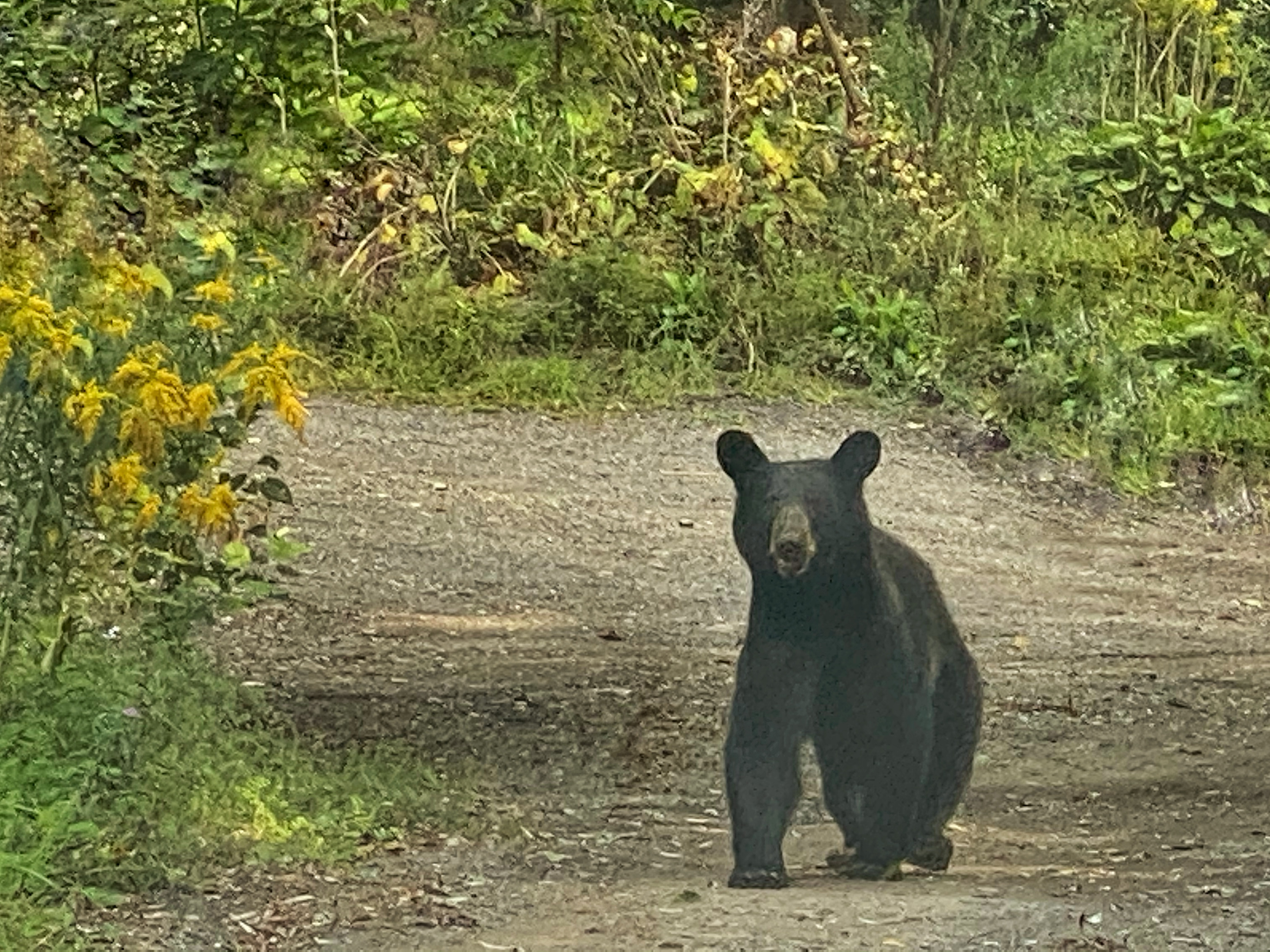
The primary bear species inhabiting New York is the American black bear (Ursus americanus). Despite their name, their fur can range in color from black to brown, cinnamon, and even a lighter blonde. These adaptable animals are the most common bear species in North America, and New York boasts a healthy and growing population. Understanding their behavior and habitat is key to appreciating their presence and ensuring safe encounters.
Distribution and Habitat
Black bears in New York are not confined to remote wilderness areas. While their stronghold lies in the vast forests of the Adirondack Park, Catskill Mountains, and the Allegheny Plateau, they have been observed expanding their range into suburban and even exurban areas. This expansion is a testament to their adaptability and the availability of food sources. They thrive in dense forests, mountainous regions, and areas with a mix of woodlands and open spaces, including wetlands and brushy areas. These habitats provide ample food, denning sites, and cover from predators.
Diet and Behavior
The American black bear is an omnivore with a diverse diet that changes with the seasons. In the spring, they feed on new vegetation, grasses, and insects. As summer progresses, their diet shifts to berries, fruits, nuts, and occasionally small animals or carrion. Their keen sense of smell, capable of detecting food from miles away, often leads them to human-provided food sources if not properly secured.
Black bears are generally shy and reclusive, preferring to avoid human contact. They are most active during dawn and dusk. While they can be curious and may approach human settlements in search of food, aggressive encounters are rare. Understanding their natural foraging habits is crucial for preventing negative interactions.
Conservation and Population Trends
The conservation status of black bears in New York is generally positive. Following decades of protection and habitat management, their populations have rebounded significantly. The New York State Department of Environmental Conservation (DEC) actively monitors bear populations and works to manage human-bear interactions through public education and responsible wildlife practices. This commitment to conservation ensures that future generations will have the opportunity to observe these animals in their natural environment.
Exploring Bear Country: Destinations and Experiences
For those seeking to observe New York‘s black bears or simply experience the wilder side of the state, several regions offer excellent opportunities. These areas often boast stunning natural landscapes that are as rewarding to explore as the potential for wildlife sightings.
The Adirondack Park: A Wilderness Sanctuary
The Adirondack Park is New York‘s largest state park and a true wilderness haven. Covering six million acres, it is a mosaic of forests, mountains, lakes, and rivers, providing an ideal habitat for black bears. Several towns within the park, such as Lake Placid and Saranac Lake, serve as excellent bases for exploring the surrounding natural beauty.
Hiking and Wildlife Viewing
The Adirondacks offer an extensive network of hiking trails, ranging from gentle strolls around lakes to challenging mountain ascents. Trails within Adirondack Park such as those in the High Peaks Wilderness Area offer opportunities to observe wildlife in their natural habitat. While bear sightings are never guaranteed, the sheer abundance of bear sign – tracks, scat, and claw marks on trees – indicates a healthy population. Visitors are encouraged to hike in groups, make noise to avoid surprising bears, and carry bear spray.
Camping and Outdoor Recreation
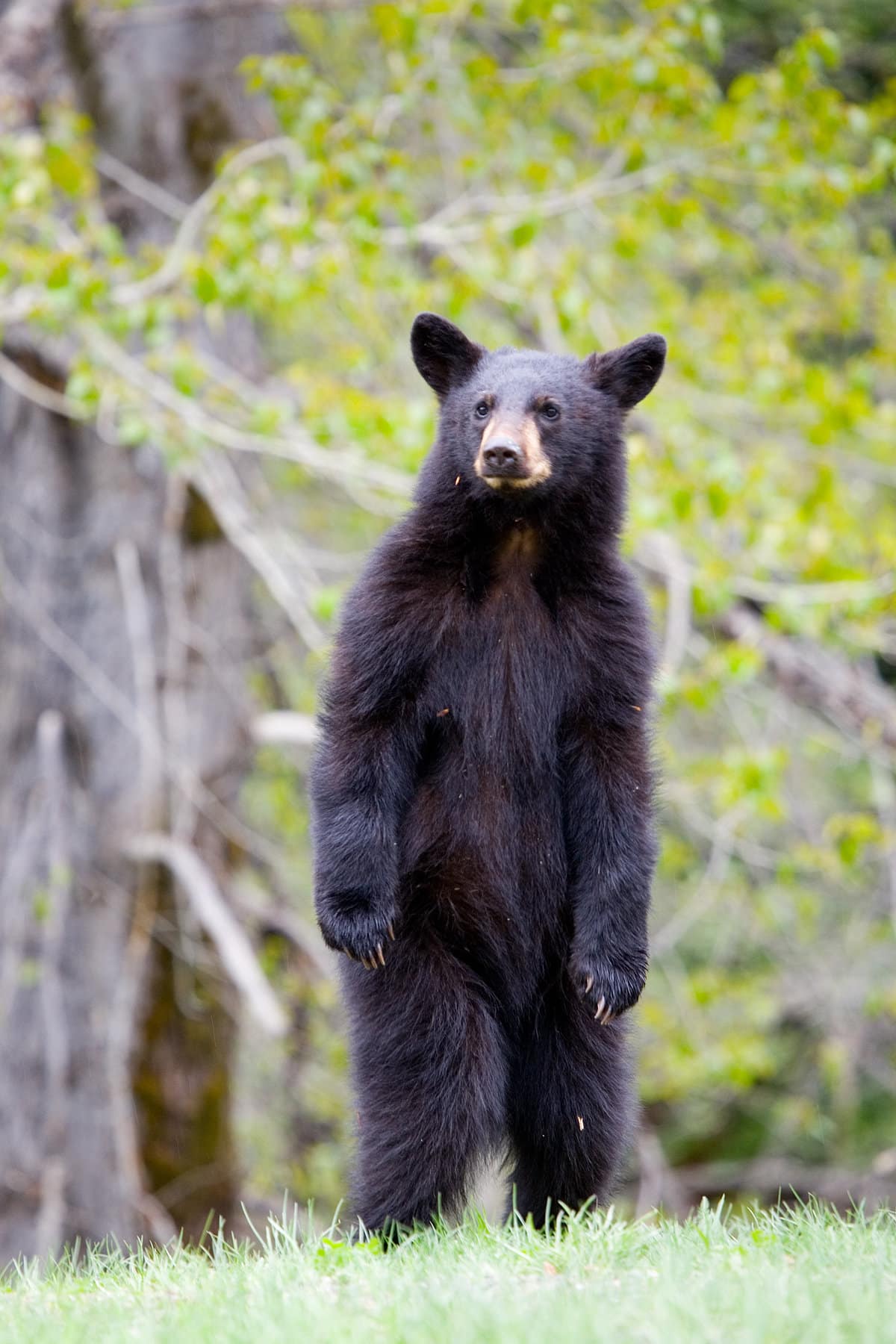
Camping within the Adirondacks is a popular activity. Many campgrounds are located in bear country, and proper food storage is paramount. Utilizing bear-resistant food canisters or the bear-proof food lockers provided at many campsites is essential. Beyond bears, the Adirondacks offer opportunities for kayaking, fishing, birdwatching, and simply enjoying the tranquility of the wilderness.
The Catskill Mountains: Nature’s Embrace
South of the Adirondacks, the Catskill Mountains present another significant region for bear populations. This picturesque area, known for its rolling hills, dense forests, and charming small towns, offers a different yet equally captivating wilderness experience.
Scenic Drives and Nature Preserves
The Catskills are renowned for their scenic drives, such as the winding roads that lead through Hunter Mountain and along the Esopus Creek. Numerous nature preserves and state forests within the Catskills, like the Catskill Forest Preserve, provide protected habitats where bears can roam freely. These areas are perfect for leisurely exploration and appreciating the natural splendor that supports the bear population.
Activities for Nature Lovers
Beyond wildlife viewing, the Catskills offer a variety of activities catering to nature lovers. Hiking trails abound, leading to waterfalls, fire towers offering panoramic views, and serene forest settings. The region is also a popular destination for fishing, hunting (with proper licensing and adherence to regulations), and birdwatching. The focus here is on immersing oneself in the natural environment that is also home to the black bear.
Responsible Coexistence: Tips for Visitors and Residents
Encountering wildlife, especially bears, in New York‘s natural areas is a privilege. To ensure the safety of both humans and bears, responsible practices are crucial. The New York State Department of Environmental Conservation provides comprehensive guidelines for interacting with bears, which can be summarized into key principles of prevention and preparedness.
Bear Safety in the Wild
When hiking or camping in areas known to be bear habitat, preparedness is key.
- Make Noise: Bears have excellent hearing and will generally avoid humans if they are aware of their presence. Talk, sing, or clap your hands periodically, especially in areas with limited visibility.
- Hike in Groups: Larger groups are typically louder and more intimidating to bears.
- Stay Alert: Pay attention to your surroundings. Look for signs of bear activity such as tracks, scat, or overturned rocks.
- Never Approach or Feed Bears: Maintaining a safe distance is paramount. Feeding bears, intentionally or unintentionally, can lead to habituation, making them bolder and more likely to approach humans, which often results in the bear being euthanized.
- Carry Bear Spray: In areas with a high bear population, carrying bear spray and knowing how to use it can be an important safety measure.
Securing Food and Attractants
One of the most critical aspects of preventing negative bear encounters is proper food storage. Bears have an incredible sense of smell and are attracted to anything with an odor.
- Proper Food Storage: When camping, use bear-resistant coolers, canisters, or the provided food lockers. Never leave food, scented toiletries, or garbage unattended. Store these items in a hard-sided vehicle or a bear-resistant container at least 100 yards away from your sleeping area.
- Dispose of Garbage Properly: Pack out all garbage, or use bear-resistant trash receptacles if available. Never leave food scraps or garbage in the wilderness.
- Cleanliness at Campsites: Keep your campsite clean. Wash dishes immediately after use and dispose of dishwater away from your campsite and water sources.
Understanding and Reporting Bear Sightings
Respecting bears means understanding their place in the ecosystem and minimizing human impact.
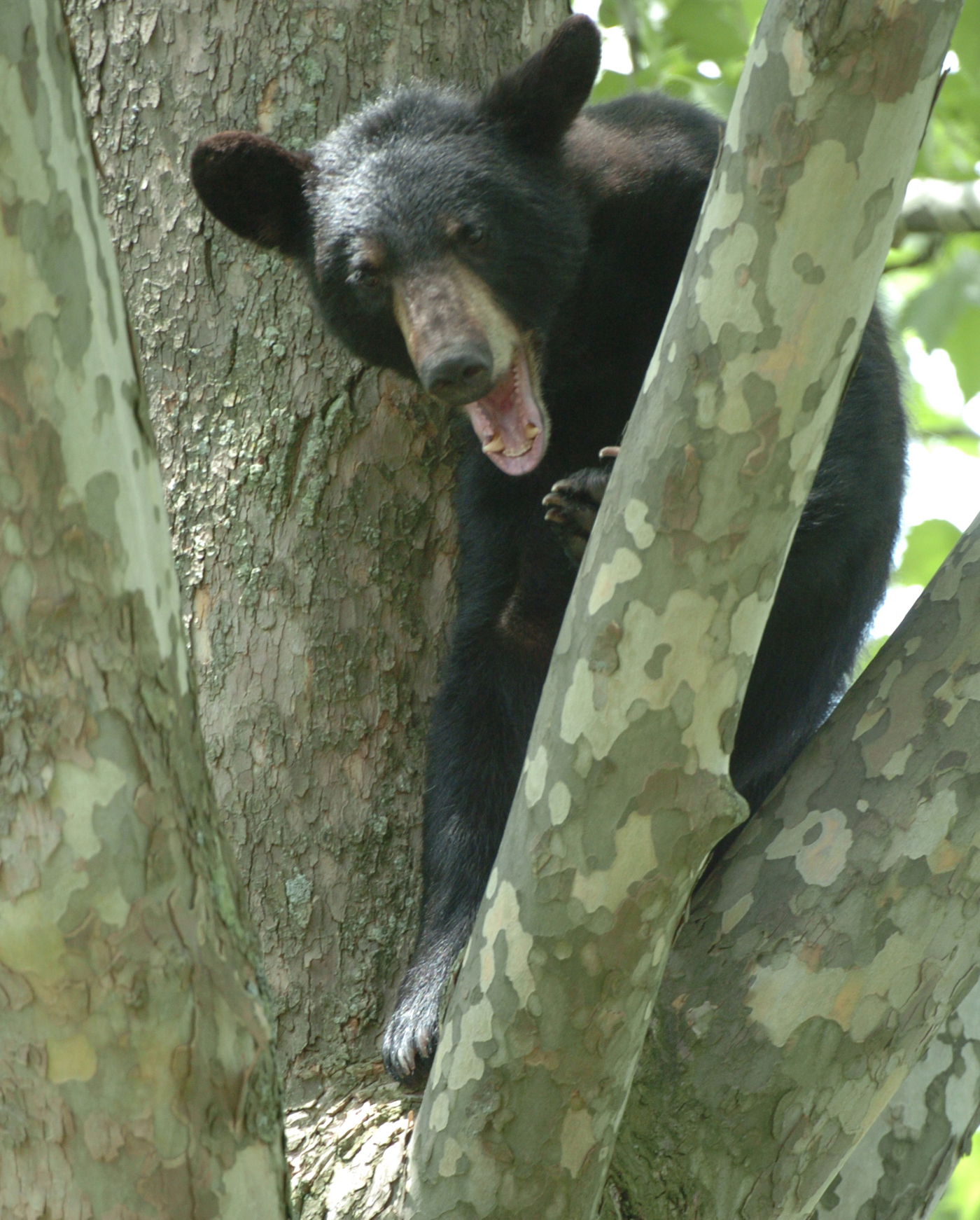
- Report Bear Sightings: While most sightings are harmless, it is important to report any unusual bear behavior, such as a bear that seems unafraid of humans, is entering homes or buildings, or is exhibiting aggressive behavior, to the New York State Department of Environmental Conservation. This information helps wildlife officials monitor bear populations and manage potential issues.
- Educate Yourself and Others: Spreading awareness about bear safety and responsible practices is vital for ensuring the well-being of both humans and wildlife in New York‘s wild spaces.
By embracing these principles, visitors can enjoy the thrill of exploring New York‘s natural beauty, knowing that they are contributing to the preservation of its wild inhabitants, including the elusive and magnificent black bear. The presence of bears in New York is not a threat, but rather a sign of a healthy and thriving ecosystem, a reminder of the wildness that still exists within this dynamic state.
LifeOutOfTheBox is a participant in the Amazon Services LLC Associates Program, an affiliate advertising program designed to provide a means for sites to earn advertising fees by advertising and linking to Amazon.com. Amazon, the Amazon logo, AmazonSupply, and the AmazonSupply logo are trademarks of Amazon.com, Inc. or its affiliates. As an Amazon Associate we earn affiliate commissions from qualifying purchases.