
For many, the mention of Oklahoma conjures images of endless plains, oil derricks, and perhaps the iconic musical. Yet, beneath this familiar facade lies a state teeming with surprising natural diversity, including significant mountainous regions, lush forests, and a vibrant wildlife population. One question often piques the curiosity of travelers and nature enthusiasts alike: “Are there bears in Oklahoma?” The answer, unequivocally, is yes. Oklahoma is home to a thriving population of Black Bears, offering a unique facet to its appeal as a travel destination for those seeking adventure and a deeper connection with the wild.
This guide delves into the fascinating world of Oklahoma’s bears, where to find them, and how to safely enjoy the state’s remarkable natural beauty. Beyond the bears, we’ll explore the broader tourism landscape, highlighting accommodation options and lifestyle experiences that make Oklahoma a compelling choice for your next adventure travel escapade.
The Resurgence of Bears in Oklahoma’s Wilds
The presence of Black Bears in Oklahoma is a testament to successful conservation efforts and the resilience of nature. Historically, Black Bears were native to the forested areas of the state. However, habitat loss and unregulated hunting in the late 19th and early 20th centuries led to a drastic decline in their numbers, almost pushing them to local extinction. Fortunately, dedicated initiatives by the Oklahoma Department of Wildlife Conservation and the natural expansion of bear populations from neighboring states like Arkansas and Missouri have allowed these majestic creatures to make a remarkable comeback.
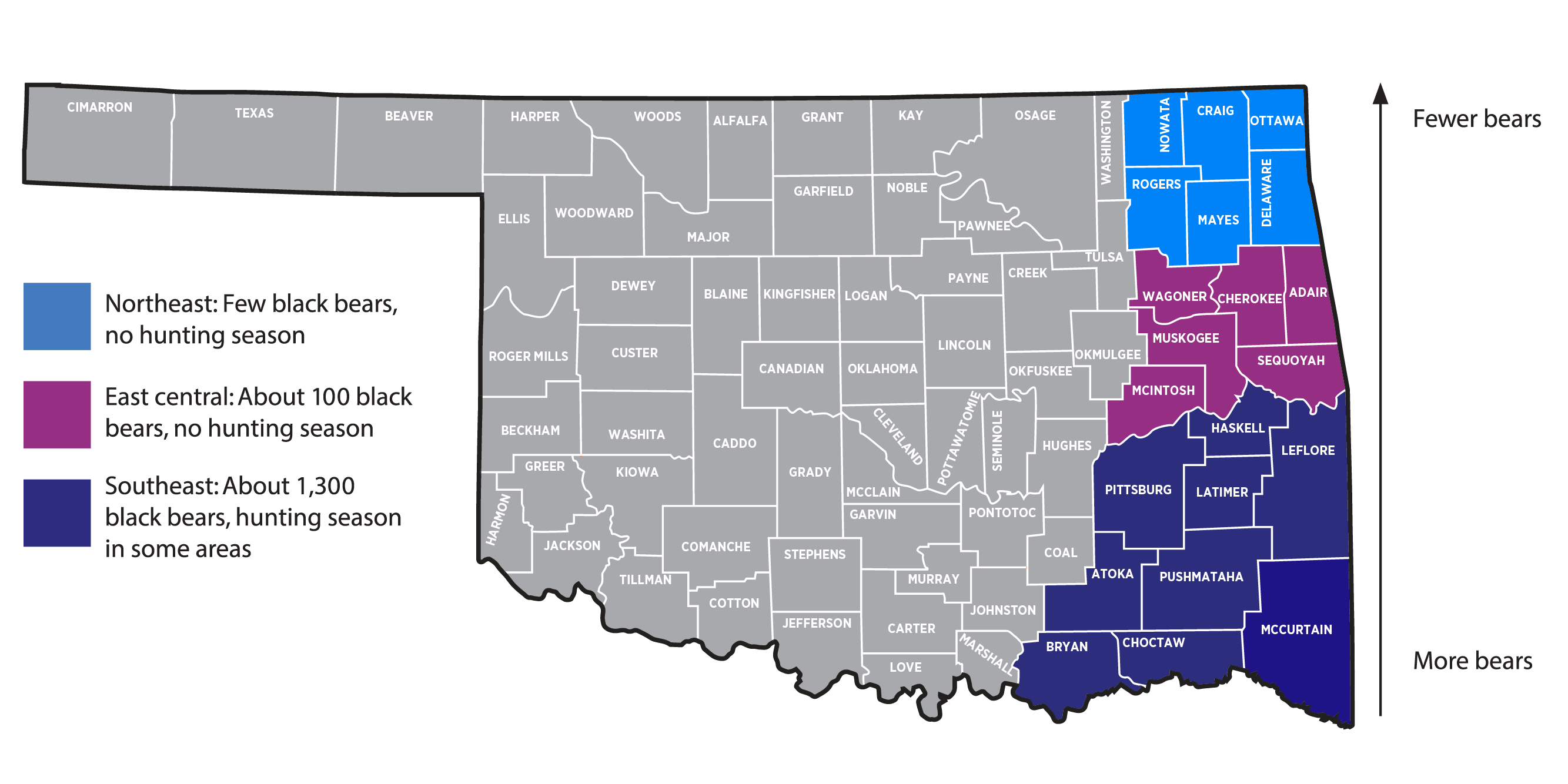
Today, Oklahoma boasts a healthy and growing Black Bear population, primarily concentrated in the heavily forested regions of the eastern part of the state. These bears are generally smaller and less aggressive than their Grizzly Bears counterparts found in western states, but they are wild animals nonetheless and warrant respect and caution from any traveler venturing into their territory. Understanding their habitats and behaviors is key to a safe and enriching wildlife viewing experience.
Where the Wild Things Roam: Prime Bear Habitats
The primary stronghold for Black Bears in Oklahoma is found within its southeastern and eastern Oklahoma counties, particularly within the rugged terrain of the Ouachita Mountains and parts of the Ozark Plateau. These regions provide the dense forests, abundant food sources, and secluded denning sites crucial for bear survival and reproduction.
Key areas where visitors might have a chance to spot a Black Bear – or at least evidence of their presence – include:
- Ouachita National Forest: Spanning both Oklahoma and Arkansas, this vast expanse of pine and hardwood forests is prime bear habitat. Popular for hiking, camping, and wildlife viewing, it offers numerous opportunities for outdoor enthusiasts.
- Beavers Bend State Park and the Broken Bow Area: Located in Southeastern Oklahoma near the Mountain Fork River, this popular recreational area is surrounded by dense forests. While bear sightings are relatively rare, the possibility exists, especially for those venturing off the beaten path into the more remote sections.
- Robbers Cave State Park: Nestled in the Sans Bois Mountains of Southeastern Oklahoma, this park offers stunning scenery, hiking trails, and a chance to experience the wilder side of Oklahoma.
- Ozark-St. Francis National Forest: While predominantly in Arkansas, the contiguous nature of the Ozarks means that bears from this forest frequently cross into Oklahoma’s northeastern counties.
When exploring these landmarks and natural areas, remember that bears are most active during dawn and dusk. Spring and fall are often the best times for potential sightings, as bears are foraging more actively before and after hibernation.
A Conservation Success Story
The comeback of the Black Bear in Oklahoma is a shining example of how concerted conservation efforts can lead to remarkable ecological recovery. The Oklahoma Department of Wildlife Conservation has played a pivotal role in managing the bear population through careful monitoring, habitat protection, and public education. These efforts ensure the long-term viability of bears in the state while promoting coexistence with humans.
Part of this success involves educating both residents and travelers about bear behavior and how to minimize human-bear conflicts. The goal is to allow these magnificent creatures to thrive in their natural environment without becoming habituated to human food or presence, which often leads to negative outcomes for the bears. For those planning a trip to Oklahoma’s wilder parts, understanding and supporting these conservation practices is part of being a responsible tourist.
Encountering Oklahoma’s Bears: Safety and Ethics for Travelers
For many nature lovers, the chance to see a bear in its natural habitat is a thrilling prospect. However, safety should always be the top priority. Black Bears are generally shy and prefer to avoid human contact, but they are powerful wild animals. Knowledge and preparation are essential for anyone exploring bear country.
Bear Safety Essentials for Outdoor Enthusiasts
Whether you’re hiking, camping, or enjoying outdoor activities in Oklahoma’s forested regions, it’s vital to follow these safety guidelines:
- Make Noise: Bears generally want to avoid people. Make your presence known by talking, singing, or clapping, especially when moving through dense vegetation or around blind corners.
- Travel in Groups: Group travel typically makes more noise and presents a more intimidating presence to a bear.
- Store Food Properly: This is perhaps the most critical rule. Never leave food or scented items (like toiletries) unattended. Use bear-resistant containers, hang food from trees, or store it in your vehicle’s trunk, away from sleeping areas. This prevents bears from associating humans with food sources.
- Keep a Clean Camp: Dispose of all trash in bear-resistant bins or pack it out. Clean cooking utensils immediately after use.
- Leash Pets: Keep dogs on a leash. An unleashed dog can provoke a bear and lead it back to you.
- Carry Bear Spray (Optional but Recommended): Know how to use it effectively.
- If You Encounter a Bear:
- Do not run. Running can trigger a chase response.
- Stand your ground and make yourself look large. Raise your arms, speak in a loud, firm voice.
- Back away slowly. Avoid direct eye contact.
- If a bear approaches, be aggressive: Yell, throw rocks, use your bear spray. Most Black Bears will retreat when confronted.
Remember, a fed bear is a dead bear. By properly storing food and managing attractants, you are doing your part to keep bears wild and safe.
Respecting Wildlife: Responsible Tourism Practices

Responsible tourism is about minimizing your impact on the environment and its wildlife. When visiting Oklahoma’s bear country, this means:
- Observe from a Distance: Use binoculars or a telephoto lens for wildlife viewing. Never approach a bear, especially cubs, as the mother is likely nearby and highly protective.
- Do Not Feed Wildlife: Feeding bears (or any wild animal) can make them reliant on human food, leading to aggressive behavior and ultimately requiring their removal or euthanasia.
- Stay on Marked Trails: This protects sensitive habitats and reduces your chances of a surprise encounter with wildlife.
- Pack It In, Pack It Out: Follow Leave No Trace principles. Carry out everything you carry in, including all garbage.
By adhering to these guidelines, travelers can ensure their visit to Oklahoma’s natural landmarks is both memorable and sustainable, contributing to the well-being of its bear population and ecosystems.
Beyond Bears: Exploring Oklahoma’s Natural Wonders and Accommodations
While the possibility of spotting a Black Bear adds an exciting dimension to an Oklahoma adventure, the state offers a wealth of other natural attractions and diverse accommodation options that cater to every type of traveler and lifestyle.
Top Nature Destinations and Activities
Oklahoma’s landscape is surprisingly varied, ranging from mountains and forests to vast prairies and scenic lakes, making it ideal for various outdoor activities.
- Talimena Scenic Drive: This National Scenic Byway offers breathtaking vistas as it winds through the Ouachita Mountains between Talihina, Oklahoma, and Mena, Arkansas. It’s particularly stunning during the fall foliage season.
- Broken Bow and Beavers Bend State Park: Beyond bear territory, this area is a hub for river activities like kayaking and fly fishing on the Mountain Fork River, hiking, and boating on Broken Bow Lake. It’s a prime spot for family trips and adventure travel.
- Wichita Mountains Wildlife Refuge: Located in southwestern Oklahoma, this refuge is home to free-ranging bison, elk, and longhorn cattle, offering incredible wildlife viewing opportunities in a starkly beautiful, ancient mountain landscape.
- Turner Falls Park: In the Arbuckle Mountains, this park features Oklahoma’s largest waterfall, natural swimming holes, caves, and scenic hiking trails.
- Lakes Region: Oklahoma boasts more than 200 man-made lakes, including popular spots like Lake Eufaula, Lake Texoma, and Grand Lake O’ the Cherokees, perfect for fishing, boating, and watersports.
- Little Sahara State Park: Experience an entirely different landscape with 1,500 acres of sand dunes perfect for ATV riding and sand buggy adventures.
Where to Stay: Hotels, Resorts, and Unique Accommodations
Oklahoma’s diverse natural landscapes are complemented by a wide array of accommodation options to suit every taste and budget, from rustic camping to luxury resorts.
- Near Bear Habitats (Southeastern Oklahoma): In areas like Broken Bow and Hochatown, you’ll find an abundance of private cozy cabins and lodges for rent. These are ideal for family trips or romantic getaways, offering a secluded experience close to nature. Many come equipped with modern amenities, hot tubs, and scenic views. For a more structured stay, consider hotels or resorts in nearby Idabel or Poteau.
- State Parks and National Forests: For the true outdoor enthusiast, many Oklahoma State Parks offer designated campgrounds with facilities ranging from primitive sites to full RV hookups. Cabins and yurts are also available in select parks like Beavers Bend State Park or Robbers Cave State Park.
- Urban Escapes: For those who prefer city amenities, Oklahoma City and Tulsa offer a broad spectrum of hotels, from boutique hotels in vibrant districts to luxury accommodations in the downtown areas. These cities serve as excellent bases for exploring the state, with day trips to natural attractions easily manageable.
- Unique Stays: Beyond traditional hotels and cabins, Oklahoma has charming bed and breakfasts in smaller tourist towns, glamping experiences, and even treehouses for an unforgettable stay. For example, near Three Forks Nature Center or Sequoyah National Wildlife Refuge, you might find unique eco-lodges or rustic retreats.
Regardless of where you choose to rest your head, booking in advance, especially during peak seasons, is always recommended to ensure the best rates and availability. Online reviews and comparison tools can help you find the perfect match for your travel style and budget.
Planning Your Oklahoma Adventure: Tips for a Memorable Trip
A trip to Oklahoma offers a blend of natural beauty, outdoor excitement, and rich cultural experiences. To make the most of your visit, especially if you’re hoping for a glimpse of its resident bears, a bit of planning goes a long way.
Best Times to Visit and What to Pack
- Spring (April-May): A beautiful time to visit, with wildflowers blooming and pleasant temperatures for hiking and exploring. Bears are emerging from hibernation, making early spring a potential time for sightings.
- Summer (June-August): Can be hot, especially in July and August. Ideal for lake activities and watersports. Southeastern Oklahoma’s forests offer some relief from the heat.
- Fall (September-November): Arguably the best time to visit for scenic beauty, with vibrant fall foliage, especially along the Talimena Scenic Drive and in the Ouachita Mountains. Temperatures are mild, perfect for hiking and wildlife viewing as bears forage intensely before winter.
- Winter (December-March): Generally mild, though snow and ice can occur, especially in the mountains. Many bears are in hibernation, so sightings are rare. Offers a serene, quiet experience for those who enjoy solitude.
What to Pack:
- Layered clothing suitable for varying temperatures.
- Sturdy hiking boots.
- Rain gear, regardless of the season.
- Sunscreen, hat, and insect repellent.
- Binoculars for wildlife viewing.
- Bear spray (and knowledge of how to use it) if venturing into deep bear country.
- Bear-resistant food storage if camping.
- A reliable map, GPS, or downloaded offline maps, as cell service can be spotty in remote areas.
Beyond the Wild: Oklahoma’s Cultural and Culinary Scene
While the allure of Oklahoma’s bears and natural landmarks is undeniable, don’t overlook the state’s rich local culture and burgeoning food scene.
- Oklahoma City: Explore the vibrant Bricktown Entertainment District, visit the profound Oklahoma City National Memorial & Museum, or delve into Western heritage at the National Cowboy & Western Heritage Museum.
- Tulsa: Home to the stunning Philbrook Museum of Art, the vibrant Brady Arts District, and the iconic Gathering Place, a world-class park.
- Native American Culture: Oklahoma is home to 39 federally recognized Native American tribes, offering a rich tapestry of history, museums, and cultural experiences throughout the state.
- Culinary Delights: From classic Oklahoma BBQ and chicken-fried steak to innovative farm-to-table restaurants in its major cities, the state’s dining scene is surprisingly diverse and delicious.
Whether you’re embarking on a solo adventure travel trip, a family vacation, or a business stay with a few days for exploring, Oklahoma offers a memorable and diverse travel experience.
In conclusion, the answer to “Are there bears in Oklahoma?” is a resounding yes, making the state an intriguing destination for wildlife viewing and nature exploration. With its dramatic Ouachita Mountains, lush forests, and dedicated conservation efforts, Oklahoma provides a unique habitat for Black Bears and an unforgettable backdrop for your next adventure. By understanding bear behavior, practicing responsible tourism, and embracing the state’s broader offerings, you can ensure a safe, enriching, and truly wild Oklahoma travel experience.
LifeOutOfTheBox is a participant in the Amazon Services LLC Associates Program, an affiliate advertising program designed to provide a means for sites to earn advertising fees by advertising and linking to Amazon.com. Amazon, the Amazon logo, AmazonSupply, and the AmazonSupply logo are trademarks of Amazon.com, Inc. or its affiliates. As an Amazon Associate we earn affiliate commissions from qualifying purchases.