
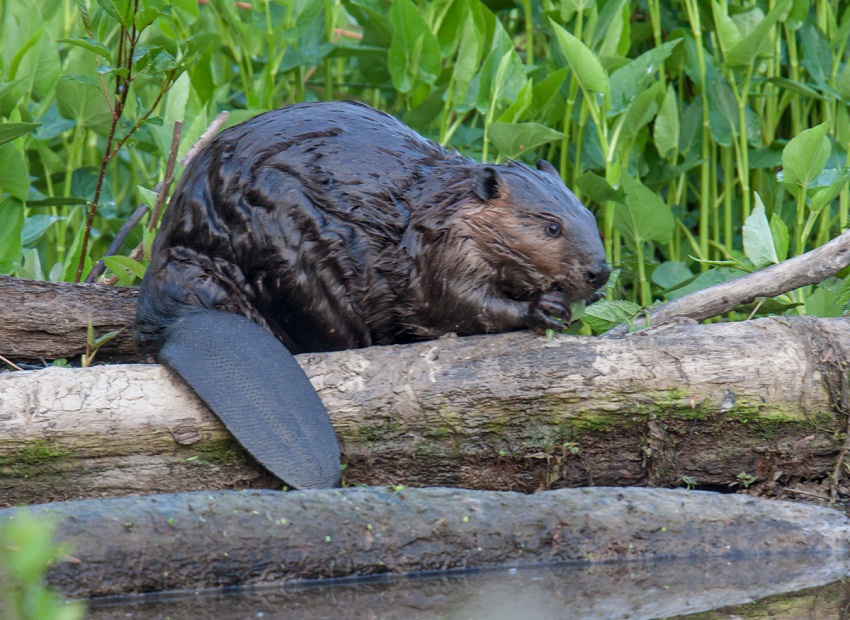
Often associated with the cooler climes of the northern United States and Canada, the image of a beaver tirelessly felling trees and constructing intricate dams might not immediately conjure up visions of Florida’s sunny wetlands and subtropical forests. Yet, the question, “Are there beavers in Florida?” is met with a resounding yes. These remarkable rodents, often dubbed “nature’s engineers,” are indeed a vital, albeit sometimes overlooked, component of the Sunshine State’s rich natural tapestry. Far from being an anomaly, the presence of the American Beaver (Castor canadensis) in Florida underscores the incredible adaptability of this species and highlights a fascinating aspect of the state’s diverse natural landmarks. Their activities shape landscapes, create unique habitats, and contribute significantly to the hydrological health of Florida’s freshwater ecosystems, making them a living, breathing landmark in their own right. This exploration delves into the surprising reality of beavers in Florida, examining their distribution, ecological impact, and where one might encounter these industrious creatures, thereby revealing another layer of the state’s profound natural heritage.

A Surprising Presence: The American Beaver in Florida’s Ecosystem
The notion of beavers thriving in a state known for alligators and palm trees might seem counterintuitive to many. However, the American Beaver is incredibly adaptable, and its presence in Florida is neither new nor isolated. These robust rodents have carved out a niche in various freshwater environments across the state, playing a crucial role in maintaining the delicate balance of wetland ecosystems. Understanding their widespread presence requires dispelling common myths and acknowledging their historical and contemporary distribution patterns.
Dispelling the Myth: Beavers Beyond the Northern Climes
The stereotype of beavers as purely cold-weather creatures is largely inaccurate. While they are iconic symbols of northern forests, their historical range extended throughout much of North America, from the Arctic Circle down to northern Mexico and across the continental United States. Florida, with its extensive network of rivers, streams, lakes, and cypress swamps, provides ample suitable habitat for beavers. The mild winters mean they don’t face the same challenges of ice formation and scarce winter food sources as their northern counterparts, allowing them to remain active year-round. Their ability to adapt their building techniques and diet to the local flora and hydrological conditions demonstrates their remarkable resilience and ensures their continued presence as a natural feature of Florida’s landscape.
Historical Footprint and Modern Distribution
The presence of beavers in Florida dates back millennia, long before European settlement. Historical records and archaeological evidence suggest that beavers were once more widespread across the state. However, intensive trapping during the colonial and post-colonial periods for their valuable fur significantly reduced their populations across North America, including in Florida. Conservation efforts in the 20th century, coupled with reduced trapping pressure and reintroductions in some areas, allowed beaver populations to rebound. Today, beavers can be found in most of Florida’s counties, particularly in the panhandle and northern parts of the state where forested wetlands and riverine systems are abundant. Areas around the Apalachicola River, Suwannee River, and numerous lesser-known tributaries and marshlands serve as prime habitats for these industrious creatures. Their contemporary distribution highlights their successful re-establishment and continued ecological relevance as a natural landmark throughout Florida’s freshwater systems.
Nature’s Engineers: Beavers as Keystone Species and Landscape Architects
Beavers are not merely inhabitants of Florida’s wetlands; they are active shapers of these environments. Their construction activities, primarily dam and lodge building, have profound ecological consequences, earning them the title of a “keystone species.” This means their presence and actions disproportionately affect the environment and other species within it, transforming waterways and creating dynamic natural landmarks that are integral to the state’s biodiversity and hydrological health.
The Dam Builders: Reshaping Waterways
The most recognizable aspect of beaver activity is their dam construction. Using logs, branches, mud, and rocks, beavers meticulously build structures that impound water, creating ponds and wetlands where none existed before or expanding existing ones. In Florida, these dams slow down water flow in rivers and streams, preventing erosion and allowing sediment to settle. The resulting ponds drastically alter the local hydrology, transforming fast-flowing channels into calmer, deeper pools. These newly formed or expanded water bodies become significant natural landmarks themselves, creating unique habitats and microclimates that differ dramatically from the surrounding land and water. The architectural ingenuity of a beaver dam, often built with precision and strength, serves as a testament to their engineering prowess and their profound impact on the natural landscape.
Creating Habitats: Biodiversity Hotspots
The beaver ponds created by these natural engineers are vibrant biodiversity hotspots. The standing water supports a vast array of aquatic plants, insects, fish, and amphibians. Wading birds, waterfowl, and raptors are drawn to these abundant food sources. The dead trees left standing within the flooded areas become snags and hollows, providing nesting sites for various bird species and shelter for bats and other small mammals. The edges of the ponds, with their mix of submerged and emergent vegetation, offer critical foraging and breeding grounds for species like otters, raccoons, and even alligators. By creating diverse aquatic and wetland habitats, beavers effectively increase the overall biodiversity of the areas they inhabit, turning a simple stream into a complex, thriving ecosystem that serves as a dynamic natural landmark for ecological study and appreciation. The “beaver effect” is a cascade of benefits that amplifies life in Florida’s freshwater environments.
Hydrological Impact: Water Retention and Quality
Beyond habitat creation, beaver dams play a crucial role in Florida’s hydrology. The ponds act as natural reservoirs, retaining water during dry periods and releasing it slowly, which can help mitigate the impacts of droughts and maintain base flows in streams. This water retention also helps to recharge groundwater tables, a critical resource in a state experiencing rapid development and increased water demand. Furthermore, beaver ponds improve water quality. As water flows through the pond, sediments and pollutants, including excess nutrients from agricultural runoff, settle out. The wetland vegetation in and around the ponds also filters contaminants, leading to cleaner water downstream. In essence, beavers provide invaluable ecosystem services, contributing to the natural purification and regulation of Florida’s precious water resources, making their altered landscapes vital natural landmarks for ecological stability.
Where to Observe Florida’s Beavers: Natural Sanctuaries and Viewing Tips
For those eager to witness these industrious engineers in action, Florida offers numerous opportunities. Observing beavers in their natural habitat can be a rewarding experience, providing a direct connection to the state’s wilder, untamed natural landmarks. However, successful and ethical viewing requires patience, knowledge of their habits, and respect for their environment.
State Parks and Wildlife Management Areas
Many of Florida’s state parks and wildlife management areas, particularly those with extensive freshwater systems, provide excellent opportunities for beaver spotting. Areas along the Apalachicola River watershed, such as the Tate’s Hell State Forest or the Blackwater River State Forest, are known to host healthy beaver populations. Further east, sections of the St. Johns River and its tributaries, particularly in less urbanized areas, also support beaver communities. These designated conservation lands prioritize the protection of natural ecosystems, making them ideal locations for wildlife viewing. Visitors should look for signs of beaver activity, such as gnawed trees, lodges (dome-shaped structures made of sticks and mud), and dams, which are natural landmarks formed by these animals. Ranger stations or visitor centers at these locations can often provide up-to-date information on recent sightings and optimal viewing spots.
Best Times and Practices for Beaver Spotting
Beavers are primarily crepuscular and nocturnal, meaning they are most active at dusk and dawn. The best time to observe them is usually in the hour before sunset or the hour after sunrise. During these times, they emerge from their lodges to forage, repair dams, and swim. Patience is key; finding a quiet spot near a pond or slow-moving stream known for beaver activity and waiting silently can often yield results. Binoculars are highly recommended for detailed observation without disturbing the animals. Look for ripples on the water, moving branches, or the characteristic V-shape of a beaver swimming across a pond. Their distinctive flat, paddle-like tails can also create a loud “slap” on the water’s surface as a warning signal.
Respecting Wildlife: Ethical Observation
When observing beavers or any wildlife, ethical practices are paramount. Always maintain a respectful distance to avoid disturbing the animals. Never attempt to feed beavers, as this can alter their natural behavior and make them dependent on humans. Keep noise levels to a minimum and avoid sudden movements. If you are in a canoe or kayak, paddle slowly and quietly, allowing the beavers to continue their activities undisturbed. Remember that these are wild animals in their natural habitat, which serves as a vital natural landmark. Our role as observers is to appreciate their presence without causing stress or harm, ensuring that these remarkable creatures can continue their essential work as the architects of Florida’s wetland ecosystems.
The Beaver’s Role in Florida’s Natural Landmarks and Conservation Efforts
The unassuming beaver, through its tireless work, contributes significantly to Florida’s natural heritage. Their dams and ponds become dynamic natural landmarks, constantly evolving and supporting a web of life. Recognizing their profound ecological importance is crucial for understanding and preserving the state’s diverse landscapes and the intricate balance of its ecosystems.
Contributing to Natural Heritage
Beaver-modified landscapes are distinct natural landmarks that showcase the power of a single species to transform its environment. These areas, characterized by their unique hydrology and heightened biodiversity, offer invaluable educational and recreational opportunities. They provide outdoor classrooms for ecological study, demonstrating concepts of ecosystem engineering, habitat creation, and water management in a tangible way. For nature enthusiasts, these beaver-created wetlands offer serene settings for birdwatching, photography, and quiet contemplation, connecting visitors to the wild heart of Florida. Their presence enriches the overall natural heritage of the state, reminding us that even seemingly common animals can hold extraordinary significance.
Conservation Status and Challenges
While American Beaver populations have largely recovered across their historical range, their presence in Florida is not without challenges. Habitat loss due to development and urbanization continues to encroach upon their territories. Conflicts can arise when beaver activity, such as dam building, impacts human infrastructure, leading to localized flooding of roads or agricultural lands. However, these challenges are increasingly being addressed through coexistence strategies, including the use of “beaver deceivers” (devices that control water levels in beaver ponds without removing the dam) and educational initiatives. The Florida Fish and Wildlife Conservation Commission (FWC) monitors beaver populations and provides guidance on managing human-beaver interactions, recognizing their ecological value.

Education and Awareness
Promoting education and awareness about beavers in Florida is essential for their continued conservation. Understanding their role as keystone species and their contribution to creating and maintaining vital natural landmarks helps foster appreciation for these often-misunderstood animals. By highlighting their ecological benefits—from water purification and groundwater recharge to habitat creation for countless other species—we can encourage more harmonious coexistence. Engaging local communities, landowners, and visitors in the story of Florida’s beavers helps secure a future where these natural engineers continue to shape and enrich the state’s extraordinary natural landscapes.
In conclusion, the answer to “Are there beavers in Florida?” is a resounding yes. These industrious rodents are not just present; they are integral components of the state’s natural landmarks, acting as ecological architects who profoundly influence the landscape. Their dams and lodges, the ponds they create, and the biodiversity they foster are all testaments to their critical role in Florida’s freshwater ecosystems. By recognizing and appreciating the American Beaver’s contribution, we gain a deeper understanding of the Sunshine State’s complex and vibrant natural heritage, affirming their status as living, evolving natural landmarks worthy of protection and admiration.
LifeOutOfTheBox is a participant in the Amazon Services LLC Associates Program, an affiliate advertising program designed to provide a means for sites to earn advertising fees by advertising and linking to Amazon.com. Amazon, the Amazon logo, AmazonSupply, and the AmazonSupply logo are trademarks of Amazon.com, Inc. or its affiliates. As an Amazon Associate we earn affiliate commissions from qualifying purchases.