
The poignant question of whether bodies still rest within the hull of the USS Arizona touches the very core of its status as one of America’s most significant and somber landmarks. This powerful inquiry delves into the heart of a national tragedy, transforming the wreckage from a mere relic into a perpetual tomb and a profound symbol of sacrifice. As a landmark, the USS Arizona Memorial at Pearl Harbor, Hawaii, is not just a historical site; it is a sacred space, an enduring testament to human loss and resilience.
The Eternal Resting Place: A Historical Overview
On the morning of December 7, 1941, the tranquil waters of Pearl Harbor were shattered by the surprise attack launched by the Imperial Japanese Navy. The assault aimed to cripple the United States Pacific Fleet, preventing its intervention in Japan’s military actions across the Pacific. Among the most devastating losses that day was the battleship USS Arizona.

The Attack on Pearl Harbor
The attack began shortly before 8:00 AM, catching the base completely off guard. Wave after wave of Japanese aircraft descended upon Pearl Harbor, targeting battleships, airfields, and other critical infrastructure. The USS Arizona, moored at Battleship Row, was one of the first ships to be hit. At approximately 8:06 AM, an armor-piercing bomb penetrated the ship’s deck near the forward ammunition magazine. The resulting catastrophic explosion lifted the massive battleship out of the water, tore it apart, and engulfed it in a raging inferno. The ship sank in a matter of minutes, taking with it the vast majority of its crew. This moment fundamentally altered the course of World War II and etched itself into the collective memory of the United States.
The Fate of the USS Arizona
Of the 1,512 crew members on board the USS Arizona that fateful morning, 1,177 perished. This staggering number accounts for nearly half of all American fatalities during the Pearl Harbor attack. Due to the intensity of the explosion and the speed with which the ship sank, many bodies were unrecoverable. The decision was made shortly after the attack to leave the wreckage of the USS Arizona where it lay, serving as the final resting place for those entombed within. Therefore, the answer to the question is unequivocally yes: the remains of over 900 sailors and marines still lie within the sunken hull of the USS Arizona. This makes the ship itself a mass grave and a uniquely poignant landmark.
The Human Cost: Interpreting the Landmark
The USS Arizona Memorial is unique among war memorials because it literally floats above the very structure it commemorates, with the ship’s hull visible beneath the water’s surface. This direct connection to the event and its victims imbues the landmark with an unparalleled sense of gravity and reverence.
Honoring the Fallen
The memorial, designed by Alfred Preis, was dedicated in 1962. It consists of three main parts: the entry, the assembly room, and the shrine. The shrine room features a marble wall listing the names of all 1,177 men who died on the USS Arizona. This list serves as a powerful reminder of the individual lives lost, transforming abstract casualty figures into concrete identities. For many visitors, seeing their names inscribed in stone evokes a profound emotional response, connecting them directly to the human tragedy of Pearl Harbor. The memorial ensures that these men are not forgotten, recognizing their sacrifice as a cornerstone of the nation’s defense and freedom.
The Decision to Remain Entombed
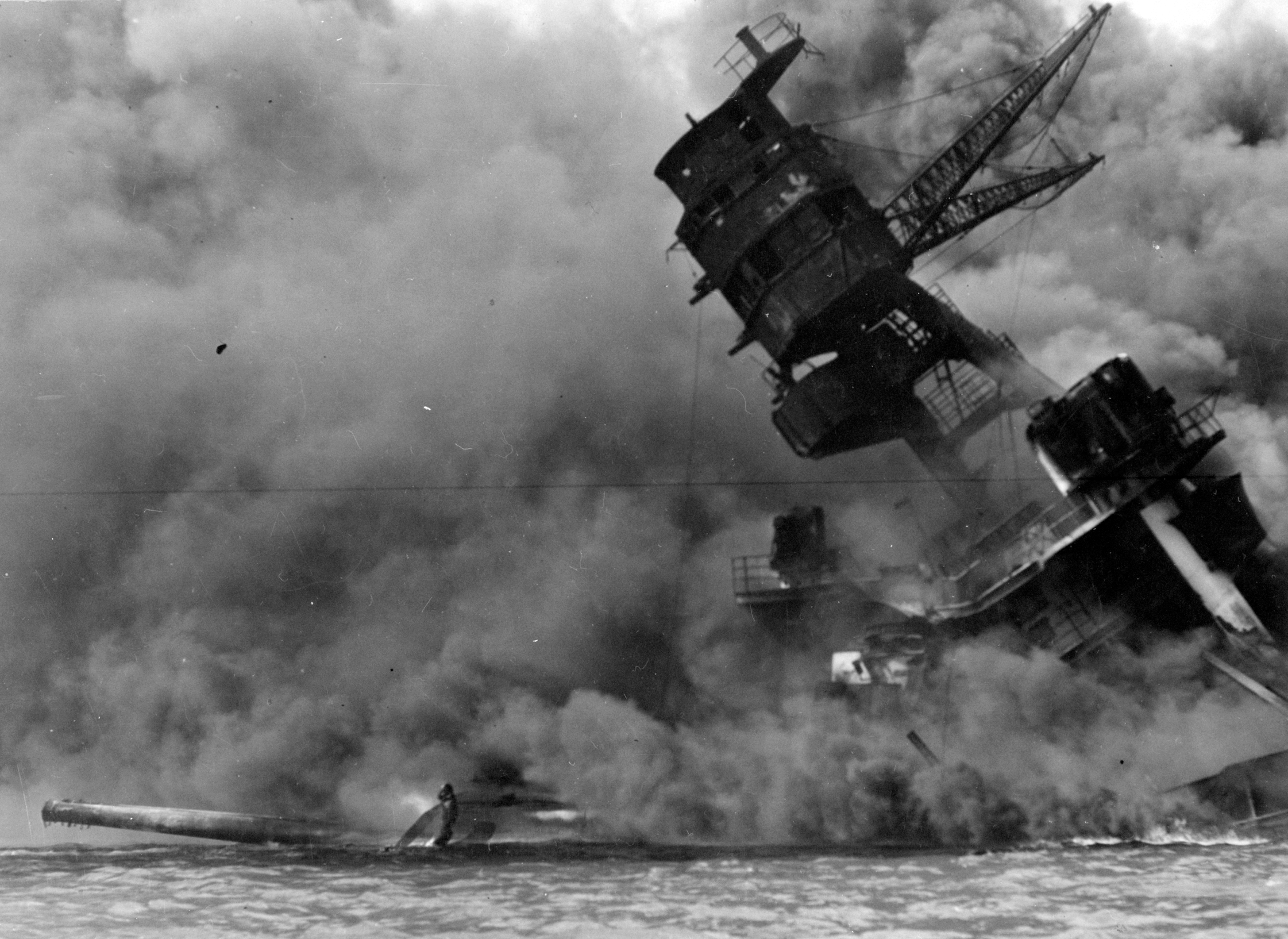
The decision to leave the ship and its fallen crew members undisturbed was a conscious one, rooted in profound respect and the practical impossibility of recovery given the damage. This choice transforms the USS Arizona into a permanent war grave, sanctified by the presence of those who perished. For the families of the lost, this arrangement provides a specific, tangible location to mourn and remember. It represents a promise to never forget the cost of freedom and the sudden, brutal reality of war. The site is a continuous burial ground, allowing surviving crew members of the USS Arizona and USS Utah (another battleship sunk that day) to have their ashes interred within the sunken battleship upon their passing, joining their shipmates in eternal rest. This rare and deeply personal tradition further cements the landmark’s role as a living monument to sacrifice.
The USS Arizona Memorial Today: A Site of Remembrance and Reflection
Managed by the National Park Service under the umbrella of the World War II Valor in the Pacific National Monument, the USS Arizona Memorial welcomes millions of visitors annually. It is a pilgrimage site for veterans, their families, and people from around the world seeking to understand the historical context and human impact of December 7, 1941.
Preservation Efforts
Preserving a sunken battleship that also serves as a mass grave presents unique challenges. The saltwater environment continuously corrodes the metal, and delicate ecosystems have formed around and within the wreck. The National Park Service and collaborating organizations undertake ongoing efforts to monitor the condition of the USS Arizona’s hull, study its deterioration, and ensure the stability of the structure. These efforts are not merely about preserving a piece of naval history; they are about maintaining the sanctity of a burial site. Advanced sonar, underwater photography, and robotic vehicles are used to survey the wreck without disturbing it, ensuring the integrity of this sacred landmark for future generations. The visible portions of the ship, such as the barbettes and the oil seeping from its fuel tanks, are carefully managed to both inform visitors and protect the environment.
Visiting the Sacred Ground
A visit to the USS Arizona Memorial begins at the Pearl Harbor Visitor Center in Honolulu. The experience typically includes a documentary film detailing the events of the attack, followed by a short boat ride to the memorial structure itself. Stepping onto the floating memorial, visitors are met with a serene and solemn atmosphere. The view of the sunken ship beneath the translucent water, with the occasional glint of sunlight on decaying metal and the slow, black tears of oil rising to the surface, is a powerful visual reminder of the tragedy. The names of the fallen inscribed in the shrine provide a focal point for reflection, encouraging visitors to consider the individual stories behind the historical event. This carefully curated experience emphasizes respect, remembrance, and education, making the landmark much more than just a historical exhibit.
The Legacy of a Landmark: Beyond the Wreckage
The USS Arizona Memorial transcends its physical form, becoming a living symbol of sacrifice, remembrance, and the profound impact of war. Its enduring presence, with the physical remains of sailors still within its hull, ensures that its lessons resonate through time.
The Symbolism of the Oil Seeps
Perhaps one of the most striking and poignant aspects of the USS Arizona today is the continuous, minute discharge of fuel oil from its submerged tanks. These iridescent drops, often referred to as “black tears” or “tears of the Arizona,” rise to the surface of the water, spreading into thin slicks. While a subject of environmental monitoring, these oil seeps have taken on deep symbolic meaning. They are seen as the ship “weeping” for its lost crew, a tangible and visible connection to the catastrophic event of over eight decades ago. This natural phenomenon reinforces the landmark’s status as an active memorial, a site where history continues to unfold in a subtle, yet powerful, manner.

Enduring Lessons
The USS Arizona Memorial serves as a powerful educational tool, teaching current and future generations about the perils of complacency, the costs of conflict, and the importance of peace. It stands as a stark reminder of a nation united in grief and determination, catalyzing its entry into World War II. The fact that the remains of hundreds of men lie within the ship’s wreckage elevates this landmark beyond a mere historical artifact; it is a profound ethical statement about honoring the dead and remembering their ultimate sacrifice. The question of whether bodies still exist within the USS Arizona ensures that every visitor confronts the very human reality of that day, securing the landmark’s place as an eternal guardian of memory and a beacon for peace.
LifeOutOfTheBox is a participant in the Amazon Services LLC Associates Program, an affiliate advertising program designed to provide a means for sites to earn advertising fees by advertising and linking to Amazon.com. Amazon, the Amazon logo, AmazonSupply, and the AmazonSupply logo are trademarks of Amazon.com, Inc. or its affiliates. As an Amazon Associate we earn affiliate commissions from qualifying purchases.