
When planning an adventure to the Centennial State, travelers often focus on the majestic peaks of the Rocky Mountains, the vibrant culture of Denver, or the scenic beauty of Aspen. However, for those venturing into the natural landscapes or even settling into their accommodations, a less glamorous concern might arise: the presence of potentially venomous spiders. The question, “Are there Brown Recluse Spiders in Colorado?” is a valid one, and understanding the answer is crucial for peace of mind and safety during your visit or stay.
Understanding the Brown Recluse Spider
The Brown Recluse Spider (Loxosceles reclusa) is a species notorious for its violin-shaped marking on its cephalothorax and its potent cytotoxic venom. Unlike the neurotoxic venom of the Black Widow Spider, which primarily affects the nervous system, the [Brown Recluse Spider]’s venom can cause significant tissue damage, leading to necrotic lesions. These spiders are generally shy and prefer dark, undisturbed locations such as woodpiles, sheds, basements, and closets. Their bite is often painless initially, meaning individuals may not realize they’ve been bitten until symptoms develop hours or days later.
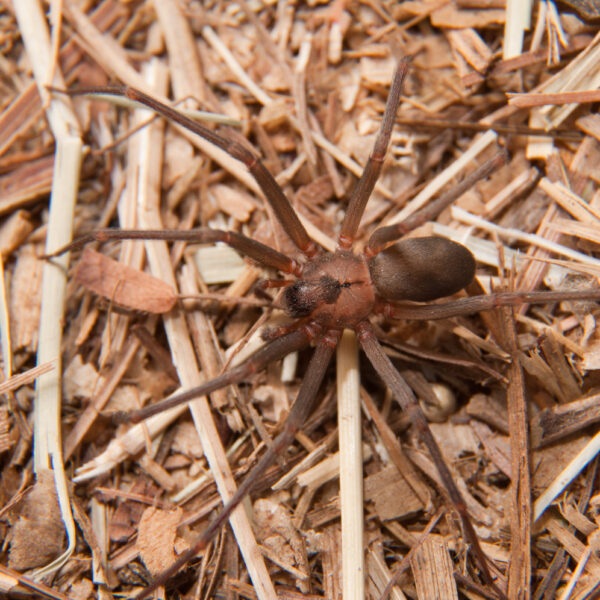
Identification and Characteristics
Accurately identifying a Brown Recluse Spider is key to distinguishing it from other common spiders. Key features include:
- Size: Adults typically have a leg span of about 1 to 3 inches.
- Color: Their coloration can range from light tan to dark brown.
- Marking: The most distinctive feature is the dark, violin-shaped marking on their cephalothorax, with the “neck” of the violin pointing towards the abdomen. However, this marking can sometimes be faint or absent in young spiders.
- Eyes: A crucial identifier is their eye arrangement. Brown Recluse Spiders have six eyes arranged in three pairs (dyads) in a semicircle, whereas most other spiders have eight eyes.
- Legs: Their legs are typically uniform in color and lack spines.
It’s important to note that many common house spiders can be mistaken for Brown Recluse Spiders, leading to unnecessary alarm. Misidentification is a frequent issue, and professional pest control services or entomologists are often consulted for definitive identification.
Geographic Range and Habitat
The native and primary range of the Brown Recluse Spider is the south-central United States. This includes states like Arkansas, Missouri, Oklahoma, Kansas, Texas, Louisiana, and parts of surrounding states. They are not considered native to the western United States, including Colorado. Their preferred habitats are dry, undisturbed areas where they can build their irregular, messy webs.
The Presence of Brown Recluse Spiders in Colorado
The consensus among entomologists and pest control experts is that the Brown Recluse Spider is not native to Colorado. This means that naturally occurring populations of these spiders do not inhabit the state. The climate and ecosystem of Colorado are not conducive to their established survival and reproduction.
Accidental Introductions and Isolated Incidents
While Colorado is not a natural habitat for Brown Recluse Spiders, the possibility of accidental introductions exists, as it does with many species across the globe. These introductions typically occur through human activity, such as transporting goods, furniture, or even potted plants from areas where the spiders are prevalent.
In rare instances, a Brown Recluse Spider might be found in Colorado that has been transported from its native range. These are usually isolated incidents, and the spider is unlikely to establish a self-sustaining population due to the unsuitable environment. Encounters with such individuals are exceptionally uncommon.
Distinguishing Native Spiders from Introduced Ones
It is vital for residents and visitors to understand that the vast majority of spiders encountered in Colorado are harmless. Many common spiders, such as cellar spiders, wolf spiders, and various orb-weavers, are beneficial predators that help control insect populations.

When a spider is found that resembles a Brown Recluse Spider, it is far more probable that it is a native species that has been misidentified. For example, the Desert Recluse (Loxosceles deserta) is sometimes found in neighboring states like Utah and Arizona, and while it shares some visual similarities, it is a distinct species with a slightly different geographic range and venom profile. However, even the presence of the Desert Recluse in Colorado is extremely rare and generally confined to areas very close to the state borders.
What to Do if You Suspect a Brown Recluse Spider
If you encounter a spider in Colorado that you suspect might be a Brown Recluse Spider, it is best to exercise caution and avoid direct contact.
- Do not panic: Remember that the likelihood of encountering a true Brown Recluse Spider in Colorado is very low.
- Observe from a distance: Try to note any distinctive markings or features, such as the violin shape or eye arrangement, without getting too close.
- Capture (if safe to do so): If you can safely capture the spider, do so using a jar or container. Place a piece of paper over the opening before screwing on a lid to prevent escape.
- Seek expert identification: The best course of action is to contact a local Colorado entomologist, university extension office, or a reputable pest control company. They can provide accurate identification based on the captured specimen or detailed photographs. Many of these organizations offer free or low-cost identification services for spiders.
Concerns for Travelers and Residents
For tourists visiting Colorado, especially those planning to engage in outdoor activities like camping or hiking in areas like Rocky Mountain National Park, the concern about Brown Recluse Spiders is largely unfounded. The primary outdoor risks related to arachnids in Colorado would be from spiders like the Black Widow Spider, which does have a presence in some arid regions of the state, though still not commonly encountered.
When staying in hotels, resorts, or vacation rentals in cities like Boulder, Colorado Springs, or smaller mountain towns, the risk of encountering a Brown Recluse Spider is exceptionally low. Accommodations typically maintain pest control measures, and the environment within these establishments is not conducive to the survival of these spiders.
For residents, the focus should be on general pest prevention rather than specific anxieties about Brown Recluse Spiders. This includes sealing cracks and crevices in homes, reducing clutter, and regularly cleaning out storage areas.
Other Common Spiders in Colorado
Given the low probability of encountering a Brown Recluse Spider in Colorado, it’s more practical to be aware of the spiders that are actually common in the state.
Harmless and Beneficial Arachnids
- Orb-Weavers: These spiders are responsible for the classic, circular webs often seen in gardens and between structures. They are harmless and excellent pest controllers.
- Jumping Spiders: Small, often fuzzy, and known for their excellent eyesight and active hunting. They are not venomous to humans and are quite docile.
- Wolf Spiders: Larger, ground-dwelling spiders that do not build webs to catch prey but instead actively hunt. They can deliver a bite if threatened, but it is generally not medically significant.
- Cellar Spiders (Daddy Longlegs): These spindly spiders are often found in corners of rooms and basements. They are completely harmless to humans.
Potentially Medically Significant Spiders in Colorado
The most notable spider species in Colorado that warrants caution is the Western Black Widow Spider (Latrodectus hesperus).
- Western Black Widow Spider: These spiders are characterized by their glossy black bodies and distinctive red hourglass marking on their underside. They prefer sheltered, dark locations such as woodpiles, sheds, under rocks, and in outdoor furniture. While their venom is neurotoxic and can cause severe pain and other symptoms, bites are rare and fatalities are extremely uncommon, especially with prompt medical attention.

Conclusion on Brown Recluse Spiders in Colorado
In summary, while the Brown Recluse Spider is a well-known and medically significant spider species, its presence in Colorado is considered extremely rare and limited to isolated incidents of accidental introduction. Travelers and residents planning trips to destinations like Denver, Estes Park, or even remote areas of the San Juan Mountains can largely set aside concerns about this particular species. The focus for spider-related vigilance in Colorado should be on the Western Black Widow Spider, which does inhabit certain parts of the state, though encounters remain infrequent. Understanding the local fauna and seeking expert advice for identification are the best strategies for a safe and enjoyable experience in the beautiful state of Colorado.
LifeOutOfTheBox is a participant in the Amazon Services LLC Associates Program, an affiliate advertising program designed to provide a means for sites to earn advertising fees by advertising and linking to Amazon.com. Amazon, the Amazon logo, AmazonSupply, and the AmazonSupply logo are trademarks of Amazon.com, Inc. or its affiliates. As an Amazon Associate we earn affiliate commissions from qualifying purchases.