
While the notion of encountering a venomous spider like the Brown Recluse Spider might evoke concern for any traveler, particularly those planning a visit to the Pacific Northwest, the reality for Oregon is generally reassuring. The state’s climate and ecosystems are not conducive to the established, thriving populations of Loxosceles reclusa that are found in more southerly and midwestern regions of the United States. However, the absence of widespread populations does not entirely preclude the possibility of their presence, prompting a closer examination of spider distribution and traveler awareness.
Understanding the Brown Recluse Spider
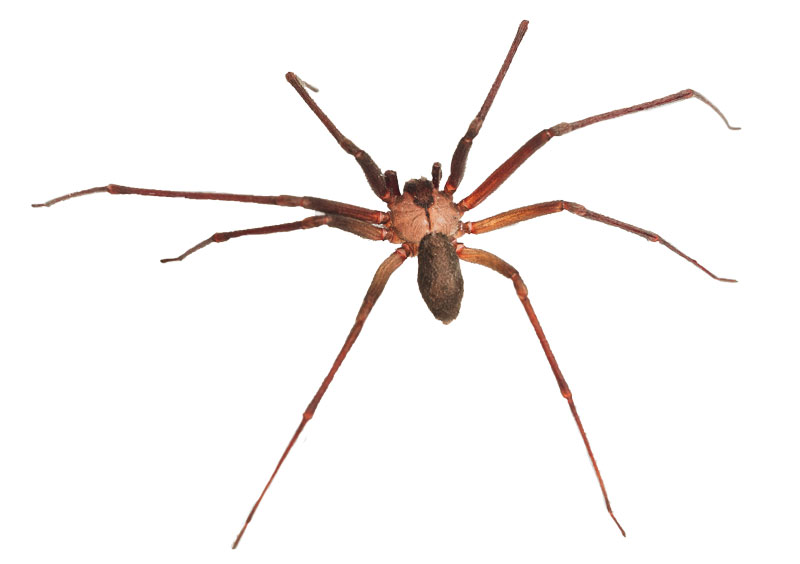
The Brown Recluse Spider, scientifically known as Loxosceles reclusa, is a medically significant arachnid recognized for its violin-shaped marking on its cephalothorax and its potent cytotoxic venom. This venom can cause necrotic lesions, a condition known as loxoscelism, which can lead to tissue damage if left untreated. Fortunately, these spiders are not aggressive and primarily bite defensively when they feel threatened, often when accidentally pressed against skin, such as when encountered in clothing, bedding, or stored items.

Their native habitat is primarily concentrated in the south-central and midwestern United States, including states like Missouri, Arkansas, Oklahoma, Kansas, and parts of Texas, Kentucky, and Tennessee. These regions offer the warm, dry conditions that the Brown Recluse Spider prefers, often inhabiting dark, secluded areas such as woodpiles, sheds, garages, and clutter in homes.
Habitat and Climate Preferences
The critical factor distinguishing the native range of the Brown Recluse Spider from areas like Oregon is climate. These spiders are highly adapted to arid or semi-arid environments with moderate temperatures. They thrive in areas that do not experience prolonged periods of extreme cold or excessive moisture, both of which can be detrimental to their survival and reproductive success. Oregon, with its generally cooler and wetter climate, particularly in the western half of the state, presents a less-than-ideal environment for the establishment of a robust Brown Recluse Spider population. The coastal regions and the Willamette Valley, popular destinations for tourists, are especially not suited to their preferred conditions.
The Possibility of Introduction
While the native range of the Brown Recluse Spider does not include Oregon, the modern world of travel and commerce introduces a degree of complexity. It is not impossible for individuals to inadvertently transport these spiders, or their egg sacs, to new regions. This can occur through various means:
Accidental Transportation
- Shipping and Cargo: The most common way a species can be introduced to a new environment is through the movement of goods. If a Brown Recluse Spider or its egg sac is present in items shipped from its native range, such as furniture, clothing, or even produce, it could potentially arrive in Oregon.
- Personal Travel: While less common, a traveler might unknowingly carry a spider or egg sac in luggage from an infested area to Oregon. This is more likely with items that have been stored in garages or basements in their origin location.
Establishment Challenges
Even if a Brown Recluse Spider is introduced to Oregon, the chances of it establishing a self-sustaining population are slim due to the environmental factors discussed earlier. The cooler, wetter climate can inhibit their ability to reproduce, find suitable shelter, and survive the winter months, especially in the more hospitable parts of the state.
Reported Sightings and Misidentifications in Oregon
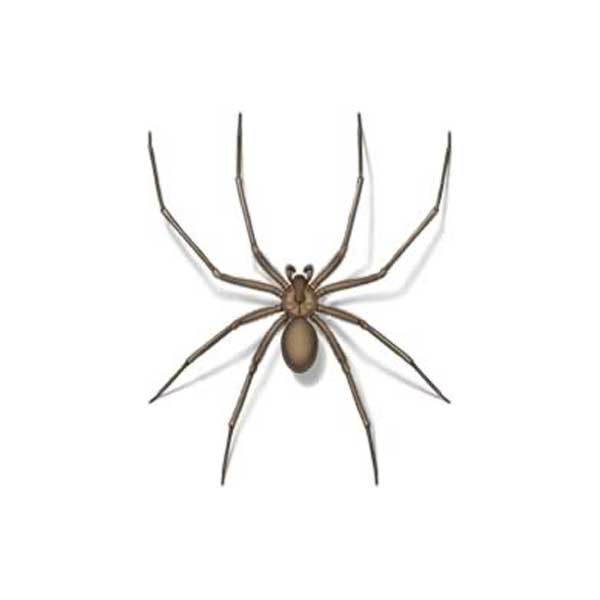
Despite the low probability of widespread populations, there have been anecdotal reports of suspected Brown Recluse Spider sightings in Oregon. It is crucial to understand that these reports are often based on misidentification. Many other common house spiders in Oregon can be mistaken for a Brown Recluse Spider, especially by individuals unfamiliar with arachnid identification.
Common Look-Alikes
Several native spider species in Oregon share some superficial similarities with the Brown Recluse Spider, leading to confusion. These include:
- Cellar Spiders (Pholcidae): Commonly found in homes, these spiders have long, thin legs and small bodies, and can be mistaken for larger spiders at a distance.
- Wolf Spiders (Lycosidae): While generally larger and more robust, some wolf spiders can have brown coloration and are often found in and around homes.
- Funnel-web spiders (Agelenidae): These spiders build funnel-shaped webs and can be found in various environments. Some species exhibit brown markings.
Expert Verification
Professional entomologists and arachnologists are the best resource for accurately identifying spiders. They emphasize that definitive identification of a Brown Recluse Spider requires observing specific morphological characteristics, most notably the eye arrangement (six eyes in three pairs arranged in a semicircle) and the distinct violin marking. Without expert confirmation, reports of Brown Recluse Spiders in Oregon should be treated with caution.
Traveler Safety and Precautions
For travelers visiting Oregon, the primary concern regarding spiders should be about common, non-venomous species rather than the Brown Recluse Spider. However, taking basic precautions is always a good practice when traveling to any new destination, particularly when staying in accommodations that might have more rustic settings, such as cabins or campgrounds.
General Spider Safety Tips
- Shake Out Clothing and Shoes: Before putting on clothes or shoes that have been left on the floor or stored, give them a good shake. This is a universal tip that can prevent encounters with a variety of arthropods.
- Inspect Bedding: When checking into hotels or vacation rentals, especially those in more remote areas like near Crater Lake National Park or the Oregon Coast, it’s wise to briefly check the bedding.
- Be Mindful of Clutter: If staying in a rental home or cabin, be aware of cluttered areas where spiders might seek shelter. Keeping living spaces tidy can reduce potential hiding spots.
- Proper Storage of Items: If you are staying for an extended period or in a more secluded area, avoid leaving clothing and personal items on the floor or in dark, undisturbed corners.
- Educate Yourself: Familiarize yourself with the common spiders found in Oregon. Knowing what to expect can alleviate unnecessary anxiety.
When to Seek Medical Attention
While the risk of encountering a Brown Recluse Spider in Oregon is extremely low, any suspected venomous spider bite should be treated with caution. If bitten by a spider and you experience symptoms such as severe pain, swelling, redness, blistering, or tissue damage, seek immediate medical attention. It is helpful to try and safely capture the spider (if possible without further risk) for identification by medical professionals.
Conclusion: A Low-Risk Encounter
In conclusion, the answer to whether there are Brown Recluse Spiders in Oregon is nuanced. While the state is not part of their native range, and the climate is generally unfavorable for their establishment, the possibility of accidental introduction exists. However, the probability of encountering a venomous Brown Recluse Spider in Oregon is exceedingly low, and most reported sightings are likely misidentifications of common native species. Travelers can enjoy their visit to the beautiful landscapes of Oregon, from the urban vibrancy of Portland to the natural wonders of the Columbia River Gorge, with minimal concern about this specific arachnid. Adhering to general safety practices when traveling will ensure a comfortable and enjoyable experience.
LifeOutOfTheBox is a participant in the Amazon Services LLC Associates Program, an affiliate advertising program designed to provide a means for sites to earn advertising fees by advertising and linking to Amazon.com. Amazon, the Amazon logo, AmazonSupply, and the AmazonSupply logo are trademarks of Amazon.com, Inc. or its affiliates. As an Amazon Associate we earn affiliate commissions from qualifying purchases.