
The periodic hum of cicadas is a sound that evokes a distinct feeling of summer for many, a symphony of the insect world that can range from a gentle buzz to an almost deafening roar. For those planning a visit to the Centennial State, a common question arises: will the distinctive chorus of cicadas be part of their Colorado experience? The answer, like much in nature, is nuanced and depends on several factors. While not as ubiquitous as in some eastern states known for their mass emergences, Colorado does indeed have cicada populations, with certain species making their presence known periodically. Understanding when and where these fascinating insects appear can add an intriguing layer to a Colorado adventure, transforming a natural phenomenon into an unexpected encounter.
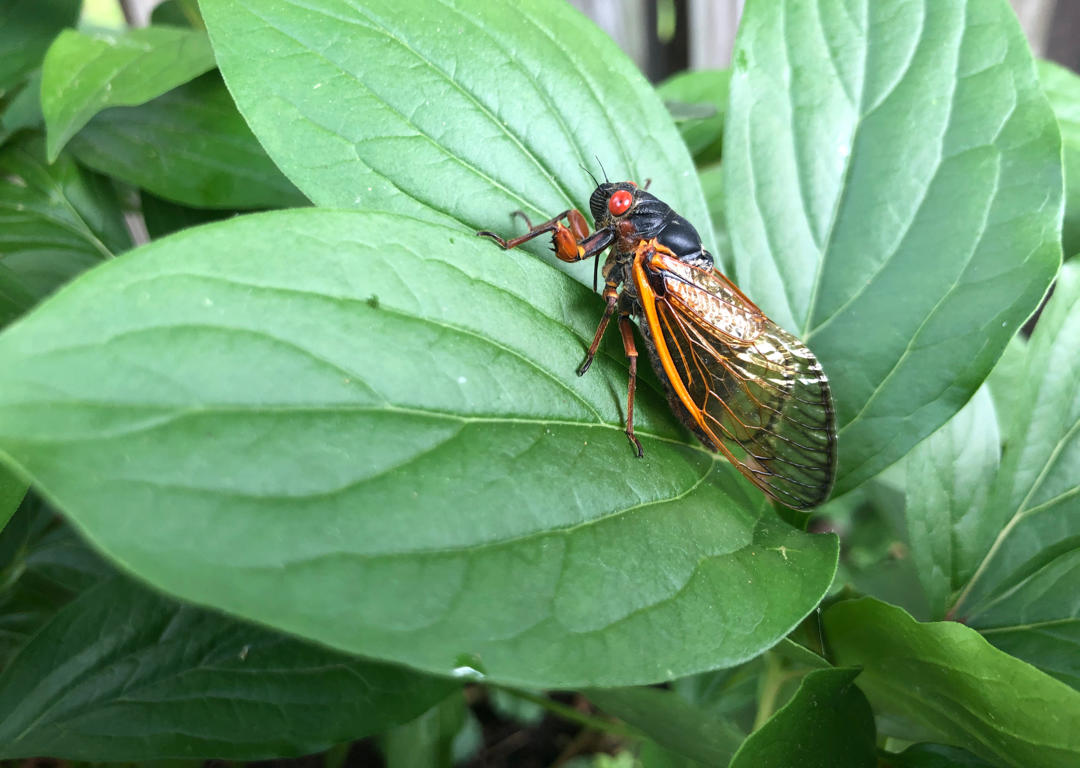
Understanding Cicada Cycles and Colorado’s Environment
Cicadas are renowned for their long life cycles, often spending many years underground as nymphs before emerging en masse to mate and reproduce. These cycles are typically categorized into periodical cicadas, which emerge in specific, synchronized broods every 13 or 17 years, and annual cicadas, which emerge every year, though their numbers might be less overwhelming. Colorado’s climate and geography play a crucial role in determining which types of cicadas can thrive and when their appearances are most likely.
Periodical Cicadas in the Centennial State
While the iconic 13- and 17-year periodical cicadas are most famously associated with the eastern and midwestern United States, their presence in Colorado is minimal to non-existent. The specific environmental conditions required for these large, synchronized emergences, such as soil type, temperature fluctuations, and the availability of host trees, are not as conducive in most parts of Colorado. Therefore, visitors hoping for a dramatic, state-wide spectacle of millions of periodical cicadas emerging from the ground are unlikely to witness it in Colorado. This doesn’t mean the state is devoid of insect life, but rather that it doesn’t host the famously massive broods.
Annual Cicadas: A Quieter Presence
Colorado is home to several species of annual cicadas. These are the cicadas that emerge every year, typically during the warmer months. While they might not generate the same level of awe-inspiring numbers as their periodical cousins, their presence can still be noticeable, especially in areas with mature trees and favorable microclimates. The “buzz” of annual cicadas is a common summer sound in many parts of the country, and Colorado is no exception. Their emergence is more spread out, and their numbers are generally lower, making them a more subtle, yet still present, component of the state’s natural soundscape.
The specific species of annual cicadas found in Colorado often include those in the Dicyphini and Tibicen genera. These insects are an integral part of the ecosystem, serving as a food source for birds, bats, and other insectivores. Their nymphs feed on the sap of tree roots, and their emergence as adults is a brief but vital part of their reproductive cycle.
Where to Potentially Hear Cicadas in Colorado
While you won’t find synchronized emergences of periodical cicadas across vast swathes of Colorado, certain areas offer a greater likelihood of encountering annual cicadas, particularly during their active season. The key lies in finding environments that provide the necessary resources for their survival and reproduction.
Urban and Suburban Woodlands
Cities and towns across Colorado that have a significant amount of mature trees, especially deciduous species, can become havens for annual cicadas. Areas like the greater Denver metropolitan area, with its extensive park systems and tree-lined residential neighborhoods, are good places to listen for the tell-tale hum. Neighborhoods with older trees provide ample root systems for nymph development and mature canopy for adult cicadas to feed and call from. Parks such as City Park in Denver or Wash Park can be surprisingly good spots during the peak of summer.
Foothills and Lower Montane Regions
As you move into the foothills and lower montane zones of the Rocky Mountains, particularly on the eastern side of the state, the presence of trees increases the chances of hearing annual cicadas. Areas around towns like Boulder, Golden, and Colorado Springs often have a mix of native and planted trees that support cicada populations. The transition zone where grasslands meet forests can be particularly interesting, as different insect populations often thrive in these ecotones.

Riparian Areas and River Valleys
River valleys and riparian corridors are natural magnets for biodiversity, and Colorado’s rivers are no exception. Areas along the South Platte River, Arkansas River, and Grand Valley can support a variety of tree species, including cottonwoods and willows, which are suitable hosts for cicada nymphs. These areas offer a more concentrated habitat, and thus a higher potential for encountering cicadas during their active season. Exploring state parks or national forests situated along these river systems might yield opportunities for auditory encounters.
Timing Your Cicada Spotting in Colorado
The timing of cicada emergence is highly dependent on temperature and weather patterns. While there are no fixed dates for their appearance, understanding general trends can help in planning a visit to potentially hear them.
Peak Emergence Season
For annual cicadas in Colorado, the most active period is typically from late June through August. The exact timing can shift based on the specific year’s weather. A warm spring followed by a hot summer will generally lead to an earlier and more robust emergence. Conversely, a cooler or wetter summer might delay or dampen their activity. It’s important to note that individual species within the annual cicada group might have slightly different emergence windows within this broader period.
Factors Influencing Emergence
Several environmental factors influence when cicadas emerge:
- Soil Temperature: Cicada nymphs are sensitive to soil temperature. They typically emerge when the soil temperature at a depth of about 6-8 inches reaches consistently warm levels, usually in the high 60s to low 70s Fahrenheit.
- Rainfall: Adequate rainfall is crucial for nymphs to successfully transition to the surface and for adults to reproduce. Extreme drought conditions can sometimes suppress emergence.
- Regional Variations: Even within Colorado, microclimates can play a role. Areas that warm up earlier in the spring, such as lower elevations and south-facing slopes, might see earlier emergence than higher, cooler regions.
For travelers hoping to experience this natural sound, planning a visit during the heart of summer, especially in July and August, offers the highest probability of hearing annual cicadas. Even if you don’t witness a mass emergence, the characteristic buzzing is a distinct part of the Colorado summer soundscape in suitable habitats.
Cicadas as Part of Colorado’s Natural Landscape
While not a headline attraction like the majestic Rocky Mountains or the historic Mesa Verde National Park, cicadas are a fascinating element of Colorado’s biodiversity. Their presence, though less dramatic than in some other parts of the country, contributes to the natural symphony of the state’s warmer months.
Ecological Role of Cicadas
Cicadas play a vital role in the ecosystem. As nymphs, they help aerate the soil as they burrow. Once they emerge as adults, they become a significant food source for a variety of predators, including birds, bats, squirrels, and other insects. This predation helps to regulate insect populations and provides essential nutrition for the wildlife that inhabits Colorado. Their ephemeral adult stage is entirely focused on reproduction, ensuring the continuation of their species and their place in the intricate web of life.

Experiencing Cicadas Responsibly
For nature enthusiasts, encountering cicadas can be a unique experience. The distinctive buzzing is a sign of a healthy ecosystem. When exploring Colorado, especially during the summer months in areas with mature trees, take a moment to listen. You might just catch the hum of these fascinating insects. Remember to observe them from a distance and avoid disturbing their natural cycles. Their appearance is a testament to the vibrant, and sometimes subtle, life that thrives within the Centennial State. While you might not be met with the overwhelming numbers of a periodical cicada emergence, the quiet buzz of annual cicadas is an authentic part of the Colorado summer, a natural melody that enriches the state’s diverse environmental tapestry.
LifeOutOfTheBox is a participant in the Amazon Services LLC Associates Program, an affiliate advertising program designed to provide a means for sites to earn advertising fees by advertising and linking to Amazon.com. Amazon, the Amazon logo, AmazonSupply, and the AmazonSupply logo are trademarks of Amazon.com, Inc. or its affiliates. As an Amazon Associate we earn affiliate commissions from qualifying purchases.