
Florida, the Sunshine State, is globally renowned for its pristine beaches, vibrant cities, world-class theme parks, and rich biodiversity. Millions flock to its shores annually, seeking warm weather, thrilling attractions, and unforgettable experiences. From the bustling streets of Miami to the magical realms of Orlando, and the tranquil beauty of the Florida Keys, the state offers a diverse tapestry of travel opportunities. But amidst this natural splendor and human-made excitement, a particular insect often sparks curiosity and, at times, a touch of wonder or apprehension: the cicada. So, are cicadas a part of the Florida experience? The short answer is unequivocally yes. These fascinating insects are indeed prevalent across the state, contributing their unique chorus to the soundtrack of Florida’s summer and even spring. Understanding their presence enriches the tourism experience and deepens appreciation for Florida’s unique natural lifestyle.

The Diverse World of Florida Cicadas
Florida’s subtropical and tropical climates provide an ideal habitat for numerous cicada species, differing significantly from the more famous periodical cicadas that emerge en masse in other parts of the United States. Unlike their synchronized northern cousins, Florida hosts primarily annual cicadas, meaning some species can be heard every year, though their numbers can fluctuate. This ensures that while you might not encounter a mass emergence event akin to the Brood X phenomenon, the distinctive buzzing and singing of cicadas are a regular feature of the Florida landscape.
Common Species You Might Encounter
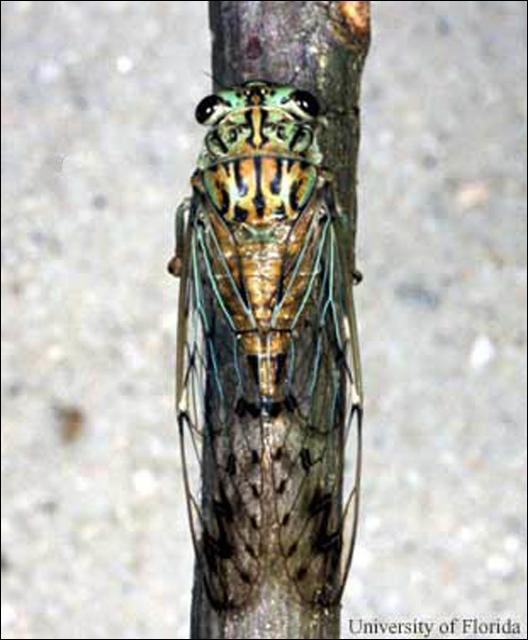
Among the most common cicada species found throughout Florida is the Florida Cicada (Neocicada hieroglyphica), easily recognizable by its robust size and intricate black and green markings. These insects are often found in pine flatwoods and oak hammocks, their song a buzzing hum that increases in intensity. Another prominent species is the Dog-Day Cicada (Tibicen canicularis or Neotibicen tibicen), a broader category that includes several closely related species found across the eastern US, including Florida. These are the cicadas most people associate with the peak of summer, their loud, rhythmic calls defining hot afternoons. Several smaller, less obtrusive species also exist, contributing to the broader cicada population without always drawing immediate attention. Their presence underscores Florida’s rich entomological diversity, intricately woven into the state’s natural fabric, from the wetlands of Everglades National Park to the suburban tree-lined streets of Tampa and Jacksonville.
The Cicada Life Cycle and When to Hear Them
The life cycle of a cicada is one of nature‘s most intriguing phenomena, particularly for annual species found in Florida. It’s a testament to patience and adaptation, involving extended periods underground before a relatively brief, but impactful, adult stage.
From Nymph to Adult: An Underground Journey
Most of a cicada’s life is spent as a nymph, burrowed underground, feeding on the sap from tree roots. This subterranean phase can last anywhere from two to five years for annual cicadas. When the soil temperature reaches a certain threshold, typically in late spring or early summer, the mature nymphs dig their way to the surface. They then climb onto trees, fences, or other vertical structures for their final molt, shedding their exoskeletons and transforming into winged adults. Travelers staying in resorts near forested areas, like those surrounding Walt Disney World or near the Gulf Coast beaches, might even stumble upon these discarded nymph shells, a fascinating piece of natural artwork.
Peak Season for Cicada Songs
In Florida, the cicada chorus typically begins in late spring, usually around May, and continues throughout the summer months, often well into September. The peak intensity of their singing is usually in July and August when temperatures are highest. This coincides with the peak tourism season for many families traveling for summer vacations. While the sounds can be ubiquitous across the state, they are most pronounced in areas with ample tree cover, such as state parks, nature preserves, and even lush suburban neighborhoods. For those visiting attractions like Busch Gardens Tampa Bay or exploring the historic district of St. Augustine, a daytime stroll might very well be accompanied by the distinctive buzz.
Experiencing Cicadas as a Florida Visitor
For many travelers, encountering cicadas might be a novel experience, particularly if they hail from regions where these insects are less common or less vocal. While their presence is undeniable, it rarely detracts from the overall enjoyment of a Florida vacation. In fact, for nature enthusiasts, it can add an authentic layer to the adventure.
Sounds of the Sunshine State
The most noticeable aspect of cicadas is their sound. Male cicadas “sing” to attract mates, producing a variety of calls depending on the species. These can range from a steady, high-pitched whine to a pulsating buzz or even a rapid-fire clicking. While loud, especially when many cicadas are singing together, it’s a natural part of the Florida soundscape, akin to the chirping of crickets. For those seeking quiet contemplation, it’s worth noting that the loudest periods are typically during the hottest parts of the day. Early mornings and evenings tend to be quieter. When choosing accommodation, a hotel or resort with well-insulated rooms, such as the luxurious suites at a Four Seasons Resort or a tranquil villa in the Florida Keys, can offer a peaceful retreat from the midday chorus. This consideration is part of planning a comfortable lifestyle experience while traveling.
Cicadas and Outdoor Activities
Cicadas are generally harmless to humans. They don’t bite or sting, and their primary focus is reproduction. However, their sheer numbers during peak emergence can sometimes be startling. If you’re planning outdoor activities like hiking in Ocala National Forest, fishing in the Gulf of Mexico, or simply relaxing by a pool at a family-friendly resort, you might see them flying about or resting on trees. They are generally clumsy flyers, and occasionally one might bump into you. This is purely accidental and nothing to be concerned about. Travelers engaging in nature photography might even find them fascinating subjects, capturing their unique appearance and the remnants of their life cycle.
Navigating Cicadas During Your Florida Stay
While cicadas are an integral part of Florida’s natural environment, understanding their habits and taking a few simple precautions can enhance your travel experience and ensure a comfortable stay. This is particularly relevant for those planning extensive outdoor activities or concerned about potential nuisances.
Accommodation Considerations
When booking accommodation in Florida, especially during the summer months, it’s worth considering the surroundings if you are sensitive to natural sounds. Hotels and resorts situated in urban centers like downtown Orlando or Miami Beach might experience fewer cicadas than those nestled in more heavily wooded or suburban areas. Many modern hotels, from budget-friendly options to high-end establishments like The Breakers Palm Beach, feature excellent soundproofing, which can significantly reduce ambient noise, including cicada calls. If you’re planning a long-term stay in a vacation rental or apartment, checking reviews or directly inquiring about the property’s proximity to dense vegetation can be helpful.
Furthermore, while cicadas are drawn to trees, they are generally not an indoor pest. They might occasionally fly into an open door or window, but they are not interested in inhabiting your living space. Keeping screens on windows and doors closed is usually sufficient to prevent any unwanted guests. Amenities like screened lanais or enclosed patios, common in many Florida homes and villas, offer a perfect spot to enjoy the outdoors without direct interaction with insects, enhancing your lifestyle experience.
Tips for Outdoor Enjoyment
For those embracing Florida’s outdoor lifestyle, cicadas are simply another part of the vibrant ecosystem.
- Embrace the Sound: Consider the cicada chorus as a unique soundtrack to your Florida adventure. It’s a sign of a healthy ecosystem.
- Timing Your Activities: If prolonged silence is preferred, schedule outdoor activities during early morning or late evening hours when cicada activity is typically lower.
- Focus on the Experience: Whether you’re at Everglades National Park, enjoying the rides at Universal Orlando Resort, or simply unwinding by the pool at a Marriott resort, maintain focus on the incredible experiences Florida offers. The cicadas are just a small, albeit loud, part of the broader natural tapestry.
Cicadas and Florida’s Ecosystem: More Than Just Noise
Beyond their striking appearance and loud songs, cicadas play a crucial ecological role in Florida. Their impact extends to soil health, nutrient cycling, and even serving as a food source for various wildlife. Understanding their environmental contribution can shift perspective from potential nuisance to vital component, enhancing appreciation for Florida’s nature landmarks.
Ecological Benefits
As nymphs, cicadas burrow through the soil, creating tunnels that help aerate the earth and improve water penetration. This natural tilling benefits tree roots and overall soil health. When they emerge, their discarded nymphal exoskeletons and, eventually, their bodies, return nutrients to the soil. This nutrient cycling is a fundamental process that supports the lush vegetation characteristic of Florida’s natural landscapes, from the protected areas around the Florida Keys National Marine Sanctuary to local botanical gardens. Moreover, cicadas are an important food source for a wide array of Florida wildlife. Birds, squirrels, raccoons, and various predatory insects all feast on cicadas, particularly during their emergence. This abundance of food demonstrates the interconnectedness of the ecosystem and highlights Florida’s rich biodiversity.

Conclusion: Embracing the Florida Cicada Experience
So, to reiterate, cicadas are indeed a consistent and often vocal presence in Florida. From the robust Florida Cicada to the summer-defining Dog-Day Cicada, these insects contribute significantly to the state’s natural soundscape and ecological balance. For travelers planning a visit, understanding their presence means embracing another unique facet of the Sunshine State.
Whether you’re exploring the vibrant culture of Miami, seeking thrills at Orlando’s theme parks, or relaxing on the serene beaches of the Gulf Coast, the hum and buzz of cicadas will likely accompany your journey, especially during the warmer months. They are harmless, fascinating, and an undeniable part of Florida’s rich biodiversity. By being aware of their life cycle, understanding their ecological role, and taking simple considerations into account for accommodation and outdoor activities, visitors can seamlessly integrate this natural phenomenon into an unforgettable Florida travel experience. Far from being a deterrent, the cicadas are another reminder of the vibrant, living environment that makes Florida such a captivating destination for tourism and lifestyle exploration. Embrace the sound, appreciate the nature, and enjoy all that Florida has to offer.
LifeOutOfTheBox is a participant in the Amazon Services LLC Associates Program, an affiliate advertising program designed to provide a means for sites to earn advertising fees by advertising and linking to Amazon.com. Amazon, the Amazon logo, AmazonSupply, and the AmazonSupply logo are trademarks of Amazon.com, Inc. or its affiliates. As an Amazon Associate we earn affiliate commissions from qualifying purchases.