
Unveiling the Mystery of the Phantom Feline
The whisper of a large, elusive cat echoing through the dense woodlands of Alabama has long fueled local lore and sparked curious investigations. For decades, the question “Are there cougars in Alabama?” has been a recurring theme, igniting debates among wildlife enthusiasts, landowners, and the general public. While definitive, widespread confirmation remains elusive, a tapestry of reported sightings, anecdotal evidence, and scientific speculation paints a compelling, albeit complex, picture of the potential presence of these magnificent predators within the state’s diverse landscapes.
The cougar, also known as the mountain lion or puma, is a solitary and highly adaptable animal, historically ranging across much of the Americas. Their presence in the southeastern United States, particularly in areas like Alabama, has been a subject of much discussion following their extirpation from the region by the early 20th century. However, the possibility of recolonization or the persistence of a small, isolated population cannot be entirely dismissed. This exploration delves into the evidence, the challenges of confirmation, and the implications for both wildlife management and public perception.
Historical Context and Disappearance
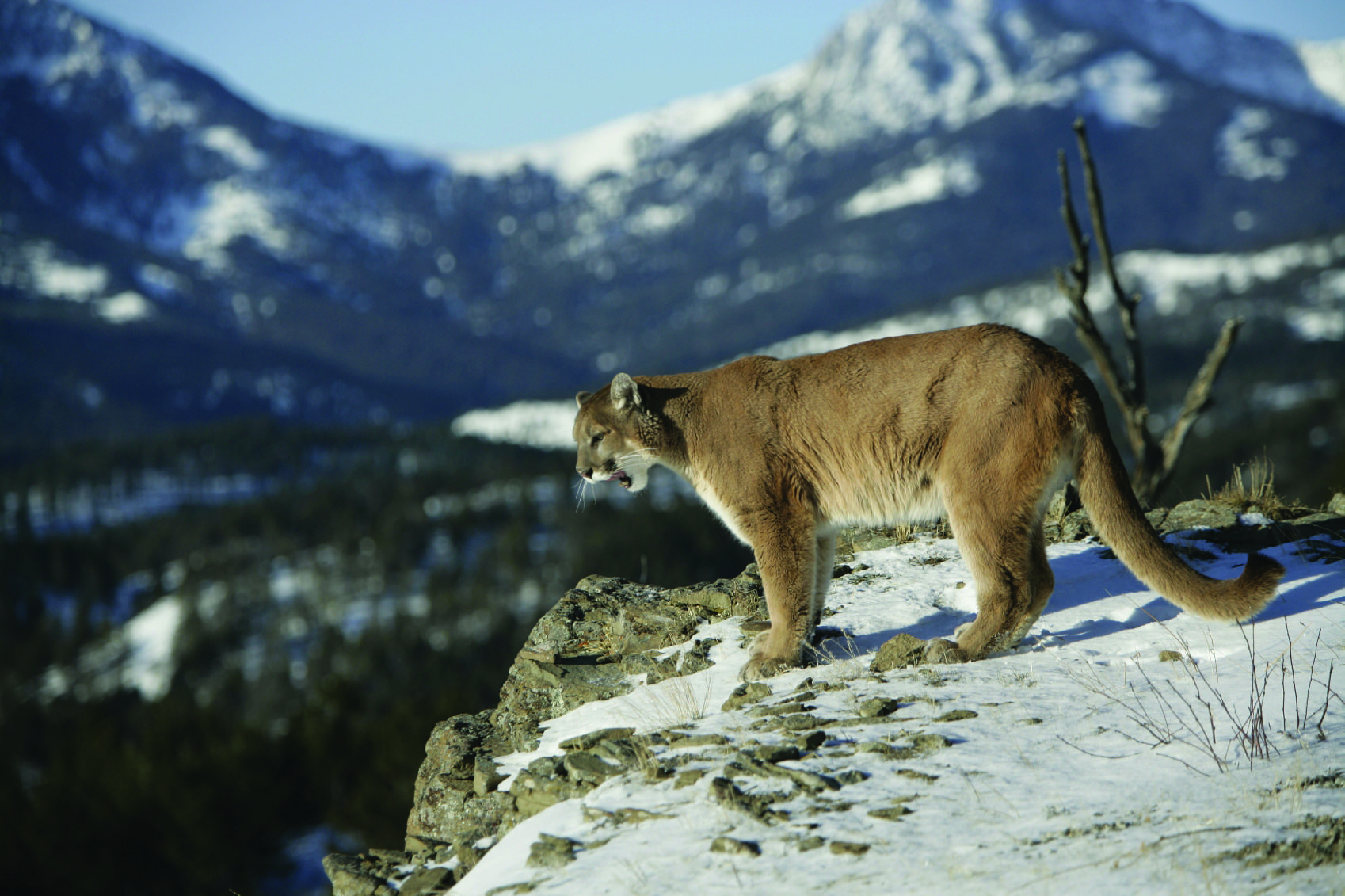
The cougar’s historical range once encompassed the entirety of the Southeastern United States, including Alabama. Their decline and eventual disappearance from these areas were largely attributed to habitat loss, hunting pressure, and a bounty system that encouraged their eradication. As human settlements expanded and agricultural practices intensified, the vast tracts of wilderness necessary to support large predators like cougars dwindled. The last officially confirmed sighting of a cougar in Alabama was reportedly in the late 19th century, leading to their classification as locally extinct.
This historical absence, however, does not preclude the possibility of a return. The landscape of Alabama has undergone significant changes since the era of widespread eradication. The resurgence of forests, particularly in former agricultural areas, has created more suitable habitat. Furthermore, populations of white-tailed deer, the cougar’s primary prey, have rebounded significantly, providing a potential food source for a recovering predator population. This ecological shift has led many to believe that the conditions for cougars to re-establish a presence might be present.
The Role of Habitat Reclamation
Post-agricultural land abandonment has played a crucial role in transforming the Alabama landscape. As farming became less economically viable in certain regions, land reverted to forests, creating interconnected corridors of suitable habitat. These areas, characterized by dense undergrowth, rocky outcrops, and riparian zones, offer the seclusion and resources that cougars need to survive and reproduce. Parks like Cheaha State Park and vast stretches of National Forest land, such as the Talladega National Forest, could potentially harbor such populations if they exist.
Prey Availability
The robust population of white-tailed deer across Alabama is a significant factor. Cougars are opportunistic predators, and a healthy prey base is essential for supporting a viable population. The abundance of deer means that the fundamental ecological requirement for cougar survival is met. This abundance also means that the impact of even a small cougar population on livestock or game populations would likely be minimal in the grand scheme of things, but still a concern for individual farmers or hunters.
Documented Sightings and Anecdotal Evidence
Despite the lack of definitive scientific proof, numerous anecdotal reports of cougar sightings in Alabama have surfaced over the years. These reports come from a variety of sources, including landowners, hunters, hikers, and casual observers. While individual accounts can be dismissed as misidentification or exaggeration, the sheer volume and consistency of some reports warrant closer examination. These often describe a large, tawny cat, often seen at dusk or dawn, moving with stealth and grace through wooded areas or across rural roads.
The Alabama Wildlife and Freshwater Fisheries Division (WFF) officially states that there is no confirmed evidence of a breeding population of cougars in the state. However, they do acknowledge the possibility of transient individuals moving into Alabama from neighboring states with established cougar populations, such as Florida or Arkansas. These transient animals, often young males seeking new territory, might wander considerable distances before settling or eventually moving on.
The Challenge of Identification
One of the primary challenges in confirming cougar presence is accurate identification. Many native species, such as bobcats, coyotes, and even domestic dogs, can be misidentified as cougars, especially in poor lighting conditions or from a distance. The large size and distinctive features of a cougar are not always easily distinguishable in fleeting glimpses. Furthermore, the fear and excitement associated with such a sighting can also contribute to potential misinterpretation.
Physical Evidence: Tracks, Scat, and Camera Traps

The most compelling evidence for the presence of any elusive animal comes in the form of physical traces. This includes clear paw prints, scat (feces), and photographic evidence from camera traps. While many purported cougar tracks have been found in Alabama, they often prove to be those of other canids or large domestic dogs upon closer examination. Scat analysis can be more definitive, but it requires collecting samples and conducting DNA testing to confirm the species.
Camera traps, strategically placed in areas with potential cougar habitat, offer a non-invasive method for documenting wildlife. While many camera trap studies have been conducted in Alabama, none have yet yielded definitive photographic evidence of cougars. The cost, deployment challenges, and the vastness of potential territory make comprehensive coverage difficult. However, the absence of evidence is not necessarily evidence of absence, and ongoing efforts continue to deploy these devices.
Scientific Perspectives and Potential Recolonization
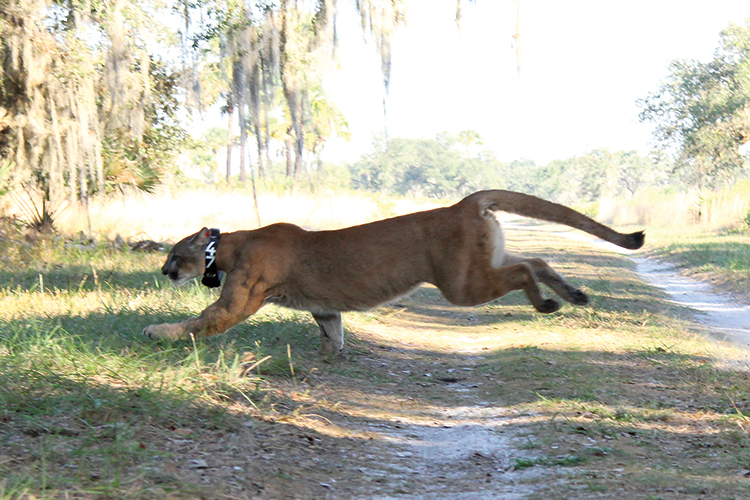
From a scientific standpoint, the question of cougars in Alabama is a fascinating case study in population dynamics and the potential for species recolonization. Biologists acknowledge that cougars are known to disperse great distances. For instance, the Florida panther, a subspecies of cougar, has shown evidence of expansion into new areas, suggesting that other cougar populations might exhibit similar behavior.
The closest confirmed cougar populations in the southeastern United States are primarily associated with the Florida panther, which is critically endangered and largely confined to southern Florida. However, there have been increasing reports and some evidence suggesting cougars are dispersing northward from Florida into other parts of the state. It is conceivable that individuals could continue this dispersal, eventually entering Alabama.
The Eastern Puma Controversy
A separate, but related, discussion revolves around the Eastern Puma, a distinct subspecies once thought to inhabit the eastern United States. The U.S. Fish and Wildlife Service officially declared the Eastern Puma extinct in 2011. However, some researchers and citizen scientists continue to advocate for the possibility of its survival, citing anecdotal evidence and the potential for a small, remnant population. While this theory remains largely unsubstantiated by mainstream science, it adds another layer to the ongoing mystery surrounding large cat presence in the East.
Genetic Connectivity and Dispersal Corridors
For a cougar population to thrive, there needs to be not only suitable habitat and prey but also genetic connectivity. This means having enough individuals spread across a large enough area to maintain genetic diversity and allow for successful reproduction. The development of protected areas and wildlife corridors, such as the Appalachian Trail region or the extensive undeveloped lands along the Tennessee River, could potentially facilitate such dispersal.
Implications for Alabama and Public Perception
The ongoing question of cougar presence has several implications for Alabama. Firstly, it affects wildlife management strategies. If cougars are indeed present, even in small numbers or as transient individuals, their presence needs to be factored into conservation planning and public safety advisories. Understanding their movements and habitat needs is crucial for coexistence.
Secondly, it influences public perception and awareness. The idea of a large, wild predator roaming the state can evoke both fear and fascination. Educating the public about cougar behavior, signs of their presence, and how to react to a sighting is essential to prevent unnecessary panic and promote responsible interactions with wildlife.
Coexisting with Predators
If cougars are confirmed in Alabama, promoting coexistence will be paramount. This involves educating landowners on how to protect livestock through secure enclosures and deterrents, and advising the public on secure practices when in cougar habitat, such as supervising children and pets. The focus would shift from eradication to understanding and integration.
The Role of Citizen Science
Citizen science initiatives can play a vital role in gathering more data. Encouraging the public to report potential sightings with detailed information, including location, time, date, and any photographic or video evidence, can help wildlife agencies track potential movements and hotspots. Responsible reporting, devoid of sensationalism, can contribute significantly to the scientific understanding of this elusive creature. The Alabama Department of Conservation and Natural Resources often encourages such reports through their wildlife division.
In conclusion, while definitive proof of a resident cougar population in Alabama remains elusive, the persistent anecdotal evidence, coupled with the ecological suitability of some regions and the known dispersal capabilities of the species, suggests that the question is far from settled. The ongoing exploration of this mystery highlights the dynamic nature of wildlife populations and the enduring allure of the wild within the Cotton State. Further scientific investigation, utilizing advanced technologies and engaging the public in responsible data collection, may one day provide a definitive answer to whether the phantom feline truly roams the Alabama wilderness.
LifeOutOfTheBox is a participant in the Amazon Services LLC Associates Program, an affiliate advertising program designed to provide a means for sites to earn advertising fees by advertising and linking to Amazon.com. Amazon, the Amazon logo, AmazonSupply, and the AmazonSupply logo are trademarks of Amazon.com, Inc. or its affiliates. As an Amazon Associate we earn affiliate commissions from qualifying purchases.