
For many contemplating a journey to the wild frontiers of Alaska, the thought of encountering its famed wildlife is a primary draw. Grizzlies, wolves, moose, and caribou often headline the list of anticipated sightings. Yet, a persistent question occasionally surfaces among wildlife enthusiasts and prospective tourists: “Are there cougars in Alaska?” The answer, while nuanced, is crucial for understanding Alaska’s unique ecological landscape and preparing for an authentic Alaskan experience focused on its true inhabitants.
The short answer is: for all practical purposes and based on official records, no, there are no established, breeding populations of cougars (also known as mountain lions or pumas) in Alaska. While rare, isolated sightings have occurred, these are typically attributed to transient individuals dispersing from established populations further south, rather than resident animals. This distinction is vital for anyone planning a visit, as it shapes expectations for wildlife encounters and the specific safety precautions that are relevant to this magnificent state.
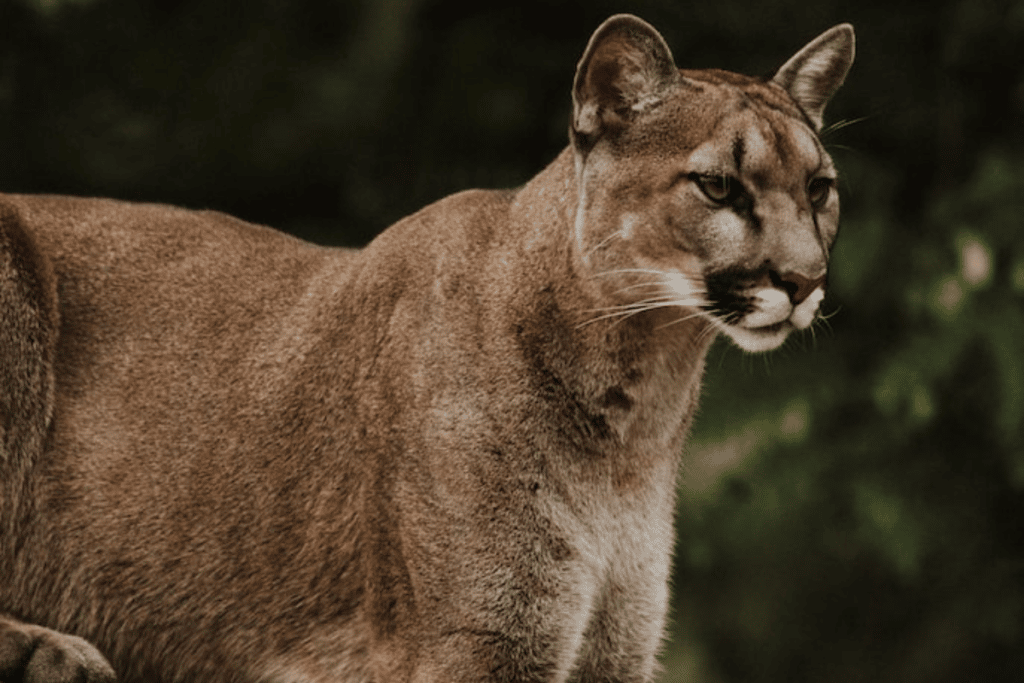
Alaska’s wilderness is undeniably vast and rugged, seemingly ideal for a stealthy predator like the cougar. However, its extreme northern latitude, unique climate, and a specific suite of highly adapted apex predators create an environment where the cougar has historically not thrived. Understanding this ecological reality is key to appreciating the wildlife Alaska truly offers, and ensuring that tourists focus on the magnificent creatures that genuinely call this land home.
The Elusive Truth: Understanding Cougar Distribution
Cougars are the most widely distributed wild felid in North America, ranging from the Canadian Yukon down to the southern tip of the Andes. Given this extensive range, it’s understandable why many might assume their presence in Alaska. However, geographical boundaries and ecological factors play a significant role in delineating their northernmost established territories.
Official Stance and Historical Sightings
The Alaska Department of Fish and Game explicitly states that there are no known breeding populations of cougars in the state. Reports of cougar sightings are exceedingly rare, and when they do occur, they are generally unconfirmed or involve animals that are likely individual transients. These vagrant cougars would most likely disperse from the large populations in neighboring British Columbia or the Yukon Territory. The journey north into Alaska through dense forests and across formidable mountain ranges is arduous, and the probability of an individual establishing a new territory, let alone finding a mate and breeding, is extremely low.
The few credible sightings have almost exclusively been in Southeast Alaska, an area characterized by its panhandle extending south, bordering British Columbia. This geographical proximity makes it the most plausible entry point for any dispersing individuals. However, even in Southeast Alaska, these sightings are so infrequent that they do not indicate a resident population. For the vast majority of Alaska, including popular tourist destinations like Anchorage, Fairbanks, and Denali National Park, the presence of cougars is not a factor for consideration.
Factors Limiting Cougar Presence in Alaska
Several key environmental and ecological factors contribute to the absence of established cougar populations in Alaska:
- Climate: Cougars are adaptable, but the extreme cold, deep snow, and prolonged winters characteristic of much of Alaska present significant challenges. While they can tolerate cold, the duration and severity of Alaskan winters make hunting and survival exceptionally difficult, especially for kittens.
- Prey Availability: While Alaska has abundant moose, deer, and caribou, these prey species often move into areas with deep snow during winter, making them harder for cougars to pursue. Furthermore, the preferred prey of cougars often overlaps with that of more dominant Alaskan predators.
- Competition with Other Apex Predators: Alaska is home to robust populations of formidable predators such as grizzly bears, black bears, and wolves. These animals are highly adapted to the Alaskan environment and compete directly with cougars for prey and territory. In such a competitive landscape, cougars, which are generally more solitary and less aggressive in direct confrontation with larger predators, would find it challenging to establish dominance and secure sufficient resources.
- Habitat Suitability: While parts of Alaska have dense forests, the vast expanses of tundra, glaciers, and mountainous terrain might not offer the continuous, interconnected habitat corridors that cougars typically utilize for hunting and dispersal.
Defining “Cougar” and Related Felines
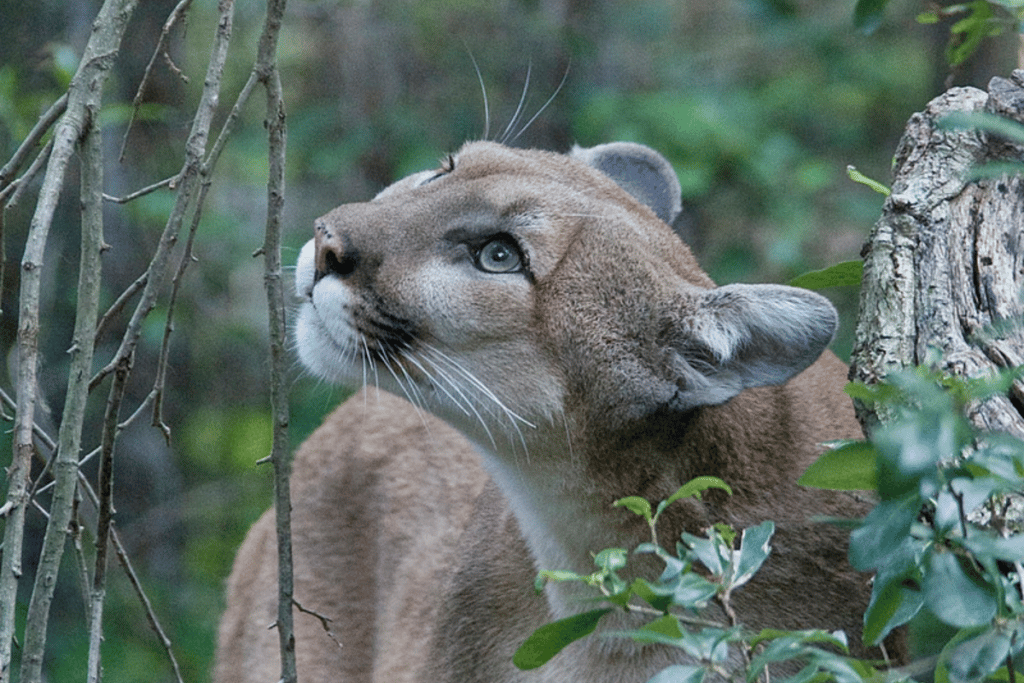
It’s important for tourists to understand that “cougar,” “mountain lion,” and “puma” all refer to the same species, Puma concolor. There are no other large, solitary, tawny-colored cats of this nature found in Alaska. While Alaska does host other wild felines like the Canadian lynx and the bobcat, these are significantly smaller, distinct species that pose no threat comparable to a cougar and are themselves rarely seen by human observers due to their shy nature. Therefore, if a tourist hears reports of a large cat, it’s highly likely to be a misidentification of another animal or an exceptionally rare, transient cougar.
Alaska’s Apex Predators: What Tourists Will Encounter
While the cougar remains a creature of distant curiosity in Alaska, the state offers unparalleled opportunities to observe other magnificent and genuinely Alaskan apex predators. These animals are integral to the Alaskan ecosystem and represent the true essence of its wildness.
The Big Three: Bears, Wolves, and Lynx
- Bears: Alaska is bear country, home to three distinct species: grizzly bears (a subspecies of brown bear), coastal brown bears (often larger than grizzlies due to salmon-rich diets, found in areas like Kodiak Island and Katmai National Park), and black bears. Encounters with bears are common, particularly in national parks, forests, and salmon spawning areas. Tourists often travel to Alaska specifically for bear viewing opportunities, which range from guided trips to observing them from a safe distance in designated areas.
- Wolves: The timber wolf, or gray wolf, thrives across much of Alaska’s wilderness. While elusive and shy, their howls are an iconic sound of the Alaskan backcountry. Tourists might catch a glimpse of them in vast protected areas like Denali National Park or the Arctic National Wildlife Refuge, especially with the help of experienced guides.
- Lynx: The Canadian lynx, characterized by its tufted ears and large paws, is a specialized predator of snowshoe hares. While present throughout Alaska’s boreal forests, lynx are notoriously solitary and nocturnal, making sightings extremely rare. They represent the secretive beauty of Alaska’s smaller predators.
Observing Wildlife Responsibly
For tourists, the focus should shift from the hypothetical cougar to the very real and awe-inspiring predators that define Alaska’s wilderness. Responsible wildlife viewing is paramount. This includes:
- Maintaining a safe and respectful distance from all wild animals.
- Never feeding wildlife.
- Storing food properly to avoid attracting animals.
- Using binoculars or telephoto lenses for close-up views.
- Staying on marked trails or following guide instructions.
The Thrill of the Wild: Unique Alaskan Encounters
Beyond the “Big Three,” Alaska boasts an incredible array of other wildlife: majestic moose, vast caribou herds, agile Dall sheep, and a diverse marine life including whales, seals, and sea otters. These are the true stars of Alaska’s tourism scene. A journey to Alaska promises not just a trip, but an immersion into one of the planet’s last great wild places, filled with genuine and unforgettable wildlife encounters, none of which typically involve cougars.
Wildlife Safety for Alaskan Travelers
Given the abundance of bears and wolves, understanding and practicing wildlife safety is a fundamental aspect of any Alaskan adventure. While cougar safety protocols are largely irrelevant here, bear and general wilderness safety are critical.
General Bear Safety Practices
- Carry Bear Spray: Always carry bear spray and know how to use it. This is your most effective deterrent against aggressive bears.
- Make Noise: When hiking, especially in areas with limited visibility, make noise (talk, sing, clap) to avoid surprising a bear. Most bear encounters occur when an animal is startled.
- Travel in Groups: Groups are generally safer than individuals. Bears are less likely to approach larger groups of people.
- Be Aware of Your Surroundings: Pay attention to signs of bear activity, such as scat, tracks, or overturned rocks. Avoid areas with fresh carcasses.
- Store Food Properly: Use bear-resistant containers for all food, garbage, and scented items (like toiletries). Never leave food unattended.
- If You See a Bear: Remain calm. Do not run. Talk in a low, calm voice. Back away slowly. If a bear charges, stand your ground and be prepared to use bear spray. For grizzlies/brown bears, play dead if contact is made. For black bears, fight back if attacked.
Preparedness and Awareness
Beyond specific bear protocols, general wilderness preparedness is vital. This includes:
- Informing Others: Let someone know your itinerary before heading into the backcountry.
- Carrying Essentials: Always carry a map, compass/GPS, extra food and water, first-aid kit, and appropriate layers of clothing. Weather in Alaska can change rapidly.
- Respecting Trail Closures: Adhere to all park and trail warnings or closures, which are often in place for wildlife activity or hazardous conditions.
Respecting the Wilderness
Tourists have a responsibility to minimize their impact on Alaska’s fragile ecosystems. Adopting “Leave No Trace” principles is essential:
- Plan ahead and prepare.
- Travel and camp on durable surfaces.
- Dispose of waste properly.
- Leave what you find.
- Minimize campfire impacts.
- Respect wildlife.
- Be considerate of other visitors.
This philosophy ensures that Alaska’s pristine beauty and diverse wildlife remain intact for future generations of visitors and its animal residents.
Why the Cougar Question Matters for Tourism
The question of cougars in Alaska, while seemingly minor, highlights broader aspects of responsible tourism: managing expectations, understanding local ecology, and promoting authentic experiences.
Managing Expectations for Wildlife Viewers
A tourist armed with accurate information about Alaska’s wildlife is a more prepared and satisfied tourist. Knowing that cougars are not a common concern allows visitors to focus their attention and safety preparations on the animals they are genuinely likely to encounter – primarily bears, moose, and wolves. It prevents unnecessary anxiety and redirects energy towards appreciating the actual, extraordinary biodiversity of the state.
The Allure of the Unknown
While the absence of cougars might disappoint some, the very mystery surrounding their potential presence in Alaska adds to the state’s mystique as a truly wild and untamed place. It underscores the idea that nature operates on its own terms, and certain boundaries remain uncrossed even by the most adaptable predators. This sense of raw, unadulterated wilderness is, for many, the ultimate draw of Alaska.
Promoting Authentic Alaskan Experiences
By focusing on the verified wildlife of Alaska, tourism promotes authentic and enriching experiences. Instead of searching for an almost non-existent predator, visitors can immerse themselves in genuine opportunities: watching grizzly bears fish for salmon, listening to a wolf pack howl under the northern lights, or spotting a majestic moose grazing in an open field. These are the truly defining wildlife moments that make an Alaskan journey unforgettable.
Exploring Alaska’s Diverse Ecosystems
Alaska’s colossal size means it encompasses an incredible array of ecosystems, each hosting its own unique flora and fauna. Understanding these habitats further contextualizes why certain species thrive and others do not.
From Coastal Rainforests to Arctic Tundra
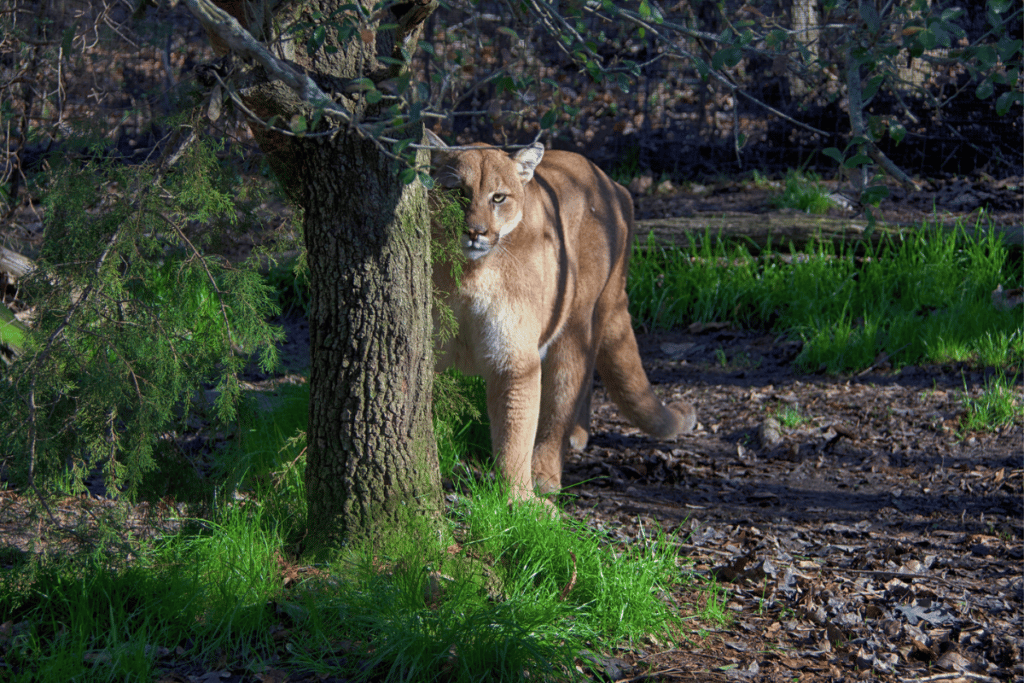
Alaska transitions from the temperate coastal rainforests of Southeast Alaska, similar to those in British Columbia, through vast interior boreal forests, across towering mountain ranges, and finally to the treeless Arctic tundra. Each of these zones presents distinct challenges and opportunities for wildlife. Cougars, typically favoring dense cover and diverse prey bases, would find the open tundra or the deep, long-wintered interior less hospitable than their established southern ranges.
Prime Wildlife Viewing Locations
For those eager to experience Alaska’s phenomenal wildlife, several locations stand out:
- Denali National Park: Famous for its “Big Five” (grizzly bears, wolves, caribou, moose, and Dall sheep), offering incredible opportunities for long-range viewing.
- Katmai National Park: World-renowned for its coastal brown bears, particularly at Brooks Falls where they gather to fish for salmon.
- Kodiak Island: Home to the massive Kodiak bear, a unique subspecies of brown bear.
- Prince William Sound/Resurrection Bay: Excellent for marine wildlife viewing, including sea otters, harbor seals, orcas, and humpback whales.
In conclusion, while the question of cougars in Alaska persists as a natural curiosity, the reality for tourists is clear: established populations do not exist. Instead of focusing on this elusive phantom, visitors should embrace the unparalleled opportunities to witness the truly iconic and abundant wildlife that defines Alaska’s wilderness. By understanding the state’s unique ecology, preparing for encounters with its actual apex predators, and practicing responsible tourism, travelers can ensure an awe-inspiring, safe, and authentically Alaskan adventure.
LifeOutOfTheBox is a participant in the Amazon Services LLC Associates Program, an affiliate advertising program designed to provide a means for sites to earn advertising fees by advertising and linking to Amazon.com. Amazon, the Amazon logo, AmazonSupply, and the AmazonSupply logo are trademarks of Amazon.com, Inc. or its affiliates. As an Amazon Associate we earn affiliate commissions from qualifying purchases.