
For many, the mention of Florida evokes images of sun-drenched beaches, theme parks bustling with families, lush golf courses, and iconic wildlife like alligators, manatees, and flamingos. It’s a premier travel destination, a haven for luxury resorts, and a vibrant tapestry of cultures and experiences that define a unique lifestyle. However, lurking beneath the surface of this idyllic landscape is a less-publicized, yet increasingly common, resident: the coyote. So, to answer the question directly – yes, coyotes are indeed present in Florida, and their story is a fascinating testament to adaptation and ecological change, with implications for both long-term residents and the millions of tourists who visit the state each year.
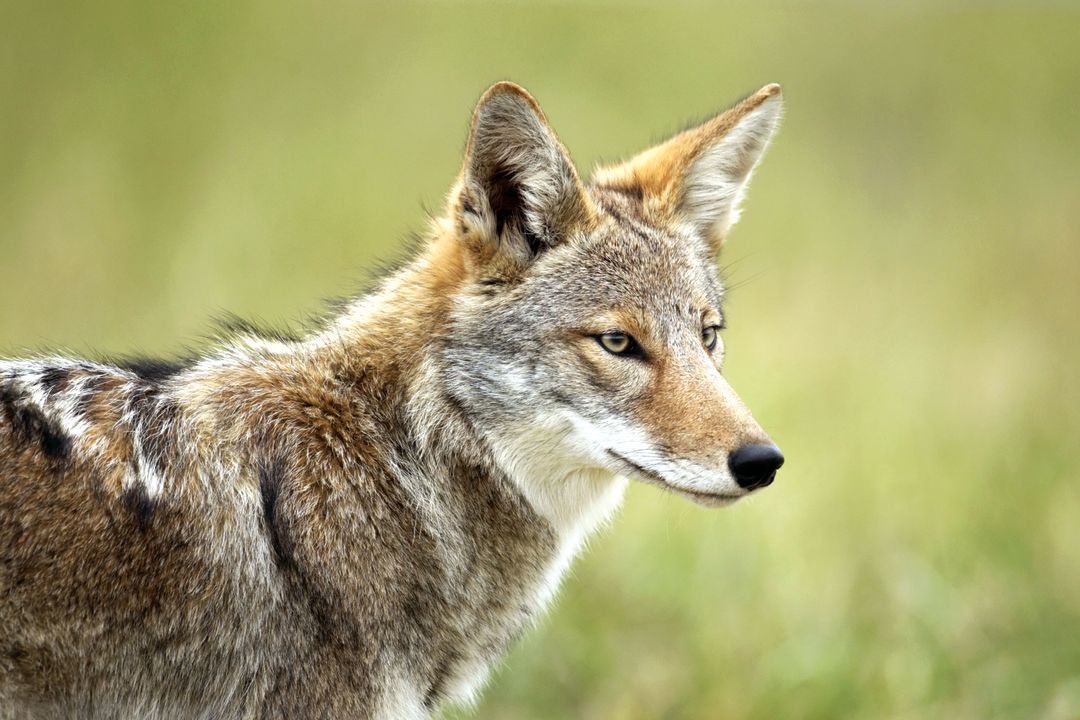
The presence of coyotes in the Sunshine State is a relatively recent phenomenon in the grand scheme of the state’s natural history. Traditionally associated with the American West, these incredibly adaptable canids have steadily expanded their range across the United States over the past century, filling ecological niches left vacant by the extirpation of larger predators like wolves and panthers in many areas. Their arrival in Florida marks a significant chapter in the state’s ongoing wildlife narrative, challenging preconceived notions and requiring a new understanding of human-wildlife coexistence in one of the world’s most popular tourist destinations.
The Unexpected Resident: Coyotes in the Sunshine State
The coyote’s journey into Florida is a remarkable tale of natural expansion and incredible adaptability. Unlike many of Florida’s native species, coyotes were not historically found in the peninsula. Their expansion began as they moved eastward from their traditional western territories, crossing natural barriers and adapting to diverse environments.
A History of Expansion and Adaptation
Coyotes began establishing a presence in Florida in the 1960s and 1970s. This eastward migration was facilitated by several factors, including human-induced landscape changes, such as deforestation and agricultural development, which created new habitats and reduced competition from larger predators. As they moved through the southeastern United States, they encountered diverse ecosystems and proved themselves master opportunists. By the early 21st century, coyotes were firmly established in all 67 counties of Florida, from the suburban sprawl of Miami and Orlando to the wild frontiers of Everglades National Park and the Ocala National Forest.
Their success is largely attributed to their omnivorous diet and their ability to thrive in a mosaic of habitats. They are not picky eaters, consuming everything from small mammals like rabbits and rodents to birds, insects, fruits, and even human-related food sources such as pet food and garbage. This dietary flexibility allows them to subsist in areas where more specialized predators would struggle, making them uniquely suited to Florida’s rapidly developing landscape.
Where They Roam: From Wilderness to Urban Centers
One of the most surprising aspects of coyote presence in Florida is their ubiquitous distribution. While you might expect to find them in vast, untouched natural areas like the Big Cypress National Preserve or state forests, coyotes have also become increasingly common residents of suburban neighborhoods and even urban parks. Sightings have been reported in major metropolitan areas like Tampa, Jacksonville, and St. Petersburg, often venturing into residential areas at night.
This urban adaptability is a key characteristic of modern coyote populations. They utilize green spaces, drainage ditches, golf courses, and even highway medians as corridors for travel and hunting. The presence of food sources – both natural prey and human-associated offerings – makes urban environments surprisingly attractive to these clever canids. For travelers exploring Florida’s diverse destinations, from the bustling theme parks of Orlando to the tranquil beaches of the Gulf Coast and the vibrant city life of South Beach, understanding that coyotes are part of the local fauna, even in developed areas, is becoming increasingly important for responsible tourism and personal safety.
Coyotes and Florida’s Tourism Landscape: A Unique Intersection
Florida’s tourism industry thrives on its natural beauty and diverse wildlife. While alligators, dolphins, and manatees often steal the spotlight, the presence of coyotes subtly intertwines with the travel experience, impacting everything from wildlife viewing opportunities to safety protocols in popular tourist areas.
Wildlife Watching and Ecotourism: An Unexpected Addition
Ecotourism is a significant draw for visitors to Florida, with many seeking authentic encounters with nature beyond the commercial attractions. While coyotes aren’t marketed alongside the iconic residents of the Everglades or the aquatic life of the Keys, they are undeniably a part of the state’s rich and evolving biodiversity. Responsible wildlife watching in areas like Myakka River State Park, Paynes Prairie Preserve State Park, or even urban parks can sometimes offer a glimpse of these elusive creatures.
For travelers interested in the broader ecological story of a destination, observing coyotes (from a safe and respectful distance) can provide a deeper understanding of how ecosystems adapt and change, especially in a state experiencing rapid development like Florida. Learning about their role in the food web, their impact on other species, and their incredible resilience adds another layer to the nature experience that ecotourists often seek. Understanding the presence of coyotes means appreciating the full spectrum of Florida’s wild inhabitants, from the majestic to the more subtle.
Ensuring Safety for Visitors and Residents
A primary concern for both tourists and locals is the potential for human-wildlife conflict. While coyote attacks on humans are exceedingly rare, their presence, especially in populated areas, necessitates awareness and caution. This becomes particularly relevant for families traveling with young children or those vacationing with pets. Resorts, hotels, and tourist attractions across Florida often provide guidance on local wildlife, and increasingly, this includes information about coyotes.
Key safety tips for visitors and residents alike include:
- Never feed coyotes: This is the golden rule. Feeding them, intentionally or unintentionally, habituates them to humans and can lead to bolder behavior. This applies to leaving food waste unsecured at vacation rentals or campsite.
- Secure garbage: Use wildlife-proof bins, especially if staying in self-catering accommodations or camping in state parks like John Pennekamp Coral Reef State Park or Bahia Honda State Park.
- Supervise children and pets: Small pets, especially cats and small dogs, can be seen as prey. Always keep dogs on a leash, and never leave pets unattended outdoors, even in fenced yards, particularly at dawn and dusk when coyotes are most active. This is crucial for guests staying at pet-friendly hotels or vacation villas.
- Haze if encountered: If a coyote approaches, make loud noises, wave your arms, or throw small objects (not at the animal) to scare it away. This reinforces their natural fear of humans.
- Be aware of surroundings: When walking or jogging, especially in areas bordering natural spaces, stay vigilant.
- Report aggressive behavior: If a coyote exhibits unusual or aggressive behavior, contact the Florida Fish and Wildlife Conservation Commission (FWC).
By adhering to these simple guidelines, both locals and visitors can significantly reduce the potential for negative interactions and ensure a safer, more enjoyable experience in Florida.
Coexisting with Coyotes: Lifestyle and Accommodation Considerations
The increasing overlap between human populations and coyote territories in Florida has tangible implications for lifestyle choices, accommodation selections, and daily routines, particularly for those considering a long-term stay or residing in the state.
Urban & Suburban Encounters: What Travelers Should Know
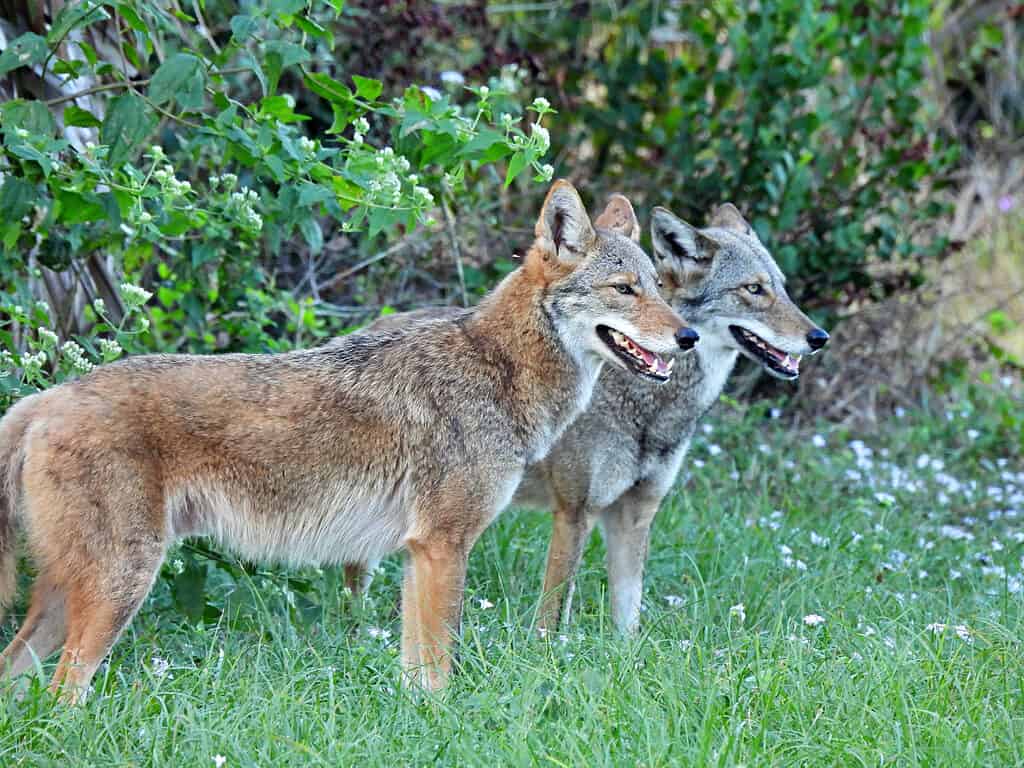
As cities like Fort Lauderdale, Naples, and Sarasota expand, so too do the opportunities for human-coyote encounters. Travelers staying in hotels, resorts, or rental homes in suburban areas should be aware that coyotes are a part of the local environment. It’s not uncommon for them to be seen trotting through residential streets, golf courses, or near resort properties during twilight hours.
Luxury resorts and family-friendly hotels in areas like Orlando (e.g., properties around Walt Disney World or Universal Orlando Resort) or on the Atlantic Coast might have protocols or signage regarding wildlife. Guests at such establishments, whether a Ritz-Carlton, a Hyatt Regency, or a vacation rental, are encouraged to practice responsible waste management and avoid leaving food items, even pet food, outside. The “Lifestyle” aspect here pertains to adapting one’s habits to minimize attraction for opportunistic wildlife, ensuring a peaceful stay for everyone. Understanding this ecological aspect enhances the overall travel experience, transforming potential anxieties into informed engagement with the local environment.
Protecting Pets While Traveling or Living in Florida
For many, travel means bringing beloved pets along. Florida boasts numerous pet-friendly accommodations, from boutique hotels to sprawling resorts. However, pet owners must exercise particular vigilance regarding coyotes. Small dogs and cats are especially vulnerable, as coyotes view them as potential prey.
- Leash Laws: Always adhere to leash laws, even in areas that seem safe or secluded. A quick dash into the bushes could lead to an unfortunate encounter.
- Supervised Play: Never leave pets unattended outdoors, even in what appear to be secure yards or designated pet relief areas at hotels.
- Nighttime Safety: Keep pets indoors at night, particularly during dawn and dusk, when coyotes are most active.
- Secure Pet Food: Store pet food indoors and do not feed pets outside, especially overnight.
- Report Sightings: If you frequently see coyotes near your accommodation, inform the hotel management or property owner so they can take appropriate measures, such as informing other guests or increasing deterrent efforts.
The choice of accommodation, especially for longer stays, might also factor in wildlife awareness. Properties with well-maintained grounds, secure fencing, or dedicated pet areas might be preferable. Pet owners seeking long-term stays in communities like Celebration or Winter Park often become more attuned to local wildlife patterns to ensure their pets’ safety. This intersection of pet ownership, travel, and local wildlife dynamics is a crucial element of the modern Florida experience.
The Broader Ecological Impact and Future Outlook
Coyotes, though non-native, have cemented their place in Florida’s diverse ecosystem. Their presence brings both challenges and potential benefits, prompting ongoing discussions about wildlife management and the importance of coexistence.
Role in the Ecosystem
Coyotes, as opportunistic predators, can play a role in regulating populations of small prey animals like rodents, rabbits, and raccoons, which can sometimes be overabundant in urban and suburban environments. This natural control can be beneficial in certain contexts, potentially reducing damage to property or agricultural lands. However, their impact on Florida’s native wildlife is a subject of ongoing study and concern. They are known to prey on ground-nesting birds, sea turtle hatchlings on beaches like Cocoa Beach, and even fawn populations of white-tailed deer. The extent of this impact on endangered or threatened species is a critical area for conservation efforts.
From a tourism perspective, understanding the coyote’s ecological role contributes to the broader narrative of sustainable tourism. Visitors to natural landmarks like Dry Tortugas National Park or Biscayne National Park, while unlikely to see coyotes there, can appreciate the complex web of life that sustains Florida’s unique natural attractions. It underscores the importance of minimizing human impact and supporting initiatives by organizations like the Sea Turtle Preservation Society, which also address predator control in nesting areas.
Managing Human-Coyote Interactions
The Florida Fish and Wildlife Conservation Commission (FWC) actively manages coyote populations through public education and by providing guidance on how to avoid conflicts. Their approach emphasizes coexistence through understanding and prevention, rather than widespread eradication, which has proven ineffective for such a resilient species. Education campaigns focus on secure food sources, responsible pet ownership, and hazing techniques to maintain coyotes’ natural wariness of humans.
As Florida’s population continues to grow and development expands, human-coyote interactions are likely to increase. The future outlook involves continued efforts in urban planning that considers wildlife corridors, public education for both new and long-term residents, and ongoing research into coyote ecology and behavior. For the tourism sector, this means integrating wildlife awareness into visitor guides, hotel information, and attraction messaging, ensuring that Florida remains a safe and enjoyable destination for all, including its wild residents.
Conclusion
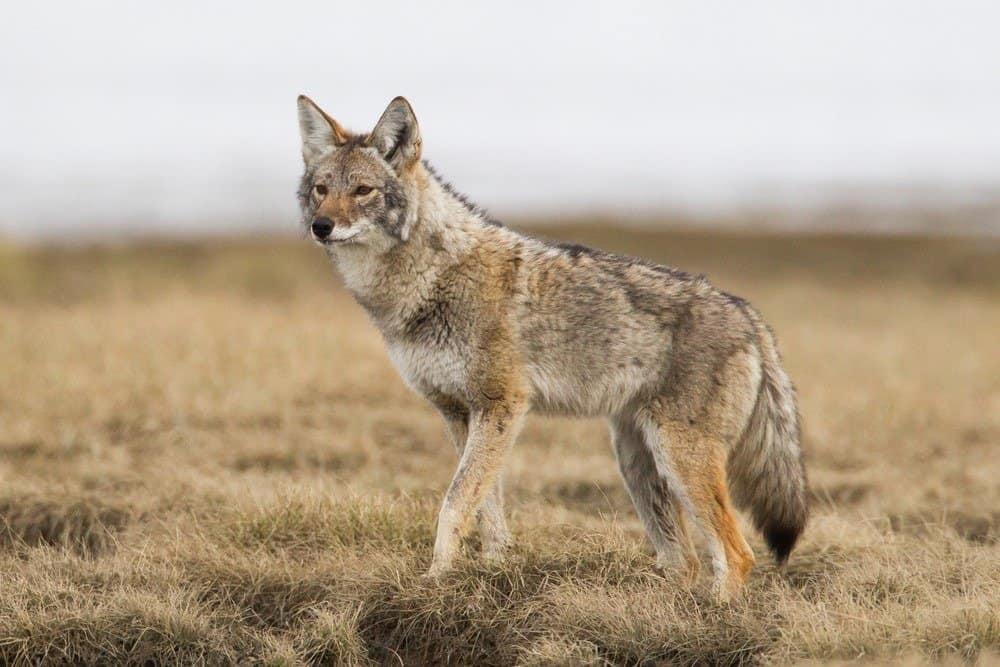
The answer to “Are there coyotes in Florida?” is a resounding yes, and their integration into the state’s diverse ecosystem is a testament to their remarkable adaptability. From the ancient forests of Ocala to the bustling urban centers of Miami-Dade and Orlando, these resilient canids are now an undeniable part of the Sunshine State’s wildlife tableau.
For visitors and residents alike, understanding the presence of coyotes is not a cause for alarm, but rather an invitation to appreciate the dynamic nature of Florida’s environment. It’s a reminder that even in a highly developed and popular tourist destination, wild nature persists and adapts. By practicing responsible wildlife viewing, securing food sources, and diligently protecting pets, we can ensure peaceful coexistence.
Whether you’re exploring the historic streets of St. Augustine, relaxing on the pristine sands of Clearwater Beach, or enjoying the magic of Walt Disney World, being aware of Florida’s full range of wildlife, including its more discreet inhabitants like the coyote, enriches the overall travel experience. It fosters a deeper connection to the local environment and reinforces the importance of responsible stewardship, ensuring that Florida’s natural wonders, both iconic and unexpected, can be enjoyed by generations to come.
LifeOutOfTheBox is a participant in the Amazon Services LLC Associates Program, an affiliate advertising program designed to provide a means for sites to earn advertising fees by advertising and linking to Amazon.com. Amazon, the Amazon logo, AmazonSupply, and the AmazonSupply logo are trademarks of Amazon.com, Inc. or its affiliates. As an Amazon Associate we earn affiliate commissions from qualifying purchases.