
The allure of the Florida Keys is undeniable, a string of tropical islands teeming with vibrant marine life, historical charm, and a relaxed, sun-kissed atmosphere. For many travelers, the image of the Keys conjures up crystal-clear waters, coral reefs, and a plethora of activities focused on the ocean. However, a more primal question sometimes surfaces for those venturing into this unique archipelago: are there crocodiles here? The answer, while nuanced, is a fascinating exploration of the region’s natural history and the dynamic ecosystem of South Florida.
Understanding Florida’s Reptilian Residents
When discussing large predatory reptiles in Florida, the conversation often bifurcates between two distinct species: the American alligator and the American crocodile. While often confused by the untrained eye, these creatures have different habitats, temperaments, and distributions within the state. Understanding these distinctions is crucial for appreciating their presence, or lack thereof, in the Florida Keys specifically.
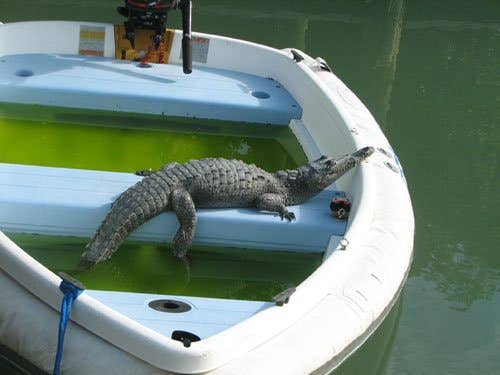
The American Alligator: A Common Sight
The American alligator is a ubiquitous presence throughout much of Florida, particularly in freshwater environments. They thrive in swamps, marshes, rivers, and lakes. Their robust population is a testament to successful conservation efforts following a period of decline. Alligators are more commonly found in the mainland portion of South Florida, including areas like the Everglades National Park. While their territory does extend into brackish waters, they generally prefer freshwater habitats and are not the primary reptilian inhabitant of the saltwater-rich Florida Keys. Sightings of alligators in the Keys are rare and usually indicate an individual that has strayed from its typical environment.
The American Crocodile: A More Elusive Tenant
In contrast, the American crocodile is a more salt-tolerant species, preferring brackish and saltwater environments. Their historical range in Florida is more limited than that of the alligator, primarily focusing on the southern tip of the mainland and extending into the coastal areas adjacent to the Keys. These reptiles are generally shyer and more elusive than their alligator cousins, preferring the seclusion of mangrove fringes and coastal estuaries.
Crocodiles in the Florida Keys: The Reality
So, do crocodiles inhabit the Florida Keys? The definitive answer is yes, but their presence is significantly more limited and less common than in mainland South Florida. The ideal habitat for American crocodiles – the brackish and saltwater environments with abundant mangrove systems – does exist in pockets throughout the Keys. However, the geographical and environmental factors of the archipelago create a less hospitable environment for large, established crocodile populations compared to the vast inland wetlands.
Historical Presence and Current Distribution
Historically, American crocodiles have been documented in the Florida Keys, though never in large numbers. Their range is primarily concentrated in the Upper and Middle Keys, with occasional sightings extending further south. Areas with extensive mangrove forests, such as those found around Key Largo and Islamorada, provide the necessary habitat for these reptiles. However, the development and human activity throughout many of the islands have likely fragmented and reduced suitable nesting and foraging grounds.
Factors Limiting Crocodile Populations in the Keys
Several factors contribute to the relatively low population of crocodiles in the Florida Keys:

- Limited Freshwater Sources: While American crocodiles are salt-tolerant, they still require access to freshwater for hydration and drinking. The Keys, being a chain of islands, have limited natural freshwater sources, making them less ideal for sustained breeding and survival compared to mainland wetlands.
- Habitat Fragmentation: Extensive development for tourism and residential purposes has significantly altered the natural landscape of the Keys. This fragmentation reduces the contiguous mangrove habitats that crocodiles rely on for shelter, hunting, and nesting.
- Predation and Competition: While adult crocodiles have few natural predators, juvenile crocodiles can be vulnerable to other predators. Competition for food resources with other species, including large fish and wading birds, can also play a role.
- Temperature Fluctuations: While the Keys enjoy a tropical climate, occasional cold snaps can pose a threat to less cold-tolerant species like the American crocodile, especially for young individuals.
Encounters and Safety
While the chances of encountering a crocodile in the Florida Keys are lower than encountering an alligator on the mainland, it is not impossible. If you are exploring mangrove areas, kayaking, or boating in secluded coves, you might have a rare sighting. It is crucial to remember that these are wild animals and should be treated with respect and caution.
- Maintain a Safe Distance: Never approach or attempt to feed any wild reptile. Observe from a significant distance.
- Be Aware of Your Surroundings: When swimming or wading in coastal waters, particularly in areas with dense mangrove cover, be mindful of potential wildlife.
- Educate Yourself: Understanding the behavior of these animals can help prevent unwanted encounters. Many local wildlife agencies provide educational resources on crocodile and alligator safety.
- Report Sightings: If you encounter a crocodile in an unusual or problematic location, report it to the Florida Fish and Wildlife Conservation Commission (FWC) rather than attempting to interact with it.
The Unique Ecosystem of the Florida Keys
The question about crocodiles in the Florida Keys highlights the intricate and often surprising biodiversity of this island chain. The ecosystem is a delicate balance of marine and terrestrial influences, with mangrove forests acting as critical nurseries and transitional zones. These vital habitats support a rich array of birdlife, fish, crustaceans, and other reptiles.
Mangrove Habitats: A Crucial Link
The mangrove forests that fringe many of the Keys are not just beautiful natural landscapes; they are ecological powerhouses. These salt-tolerant trees stabilize shorelines, filter water, and provide essential habitat for countless species. It is within these complex root systems and brackish waters that the American crocodile finds its most suitable, albeit limited, environment in the Keys. Kayaking tours through these mangrove tunnels, a popular activity for visitors, offer a glimpse into this unique world.
Marine Life and the Keys Experience
The primary draw for most visitors to the Florida Keys remains its world-class marine environment. The Florida Keys National Marine Sanctuary protects a vibrant coral reef system, teeming with colorful fish, sea turtles, and other fascinating marine creatures. Snorkeling and diving excursions to sites like Molasses Reef or the Conch Republic are quintessential Keys experiences. While large reptiles are not typically part of the underwater spectacle, the presence of crocodiles in the adjacent coastal areas adds another layer of wildness to the region’s natural tapestry.
Conservation Efforts and the Future
The conservation of both alligator and crocodile populations in Florida has been a remarkable success story. Through dedicated efforts to protect habitats, regulate hunting, and manage human-wildlife interactions, both species have seen their numbers rebound. For the American crocodile in the Keys, ongoing conservation focuses on preserving and restoring critical mangrove habitats and minimizing human disturbance in known crocodile territories. Understanding and respecting the natural inhabitants of the Florida Keys, whether they are vibrant reef fish or the more reclusive crocodiles, is paramount to ensuring the continued health and wonder of this extraordinary destination.

A Rare Encounter, A Lasting Impression
While the chances of seeing a crocodile in the Florida Keys are slim, the possibility adds an element of untamed wildness to this otherwise idyllic tropical paradise. For the adventurous traveler, a rare glimpse of this ancient reptile in its natural, brackish habitat can be an unforgettable experience, a reminder of the diverse and resilient wildlife that calls Florida home. The Keys remain a premier destination for marine exploration and island hopping, with the occasional, elusive crocodile serving as a fascinating footnote in its rich natural history.
LifeOutOfTheBox is a participant in the Amazon Services LLC Associates Program, an affiliate advertising program designed to provide a means for sites to earn advertising fees by advertising and linking to Amazon.com. Amazon, the Amazon logo, AmazonSupply, and the AmazonSupply logo are trademarks of Amazon.com, Inc. or its affiliates. As an Amazon Associate we earn affiliate commissions from qualifying purchases.