
For travelers planning a quintessential Florida getaway, the image of pristine beaches, vibrant cities, and thrilling theme parks often comes to mind. Yet, beneath the surface of this sun-drenched paradise lies a captivating natural world, home to some of the most ancient and formidable reptiles on Earth. A common question echoing among visitors and locals alike is whether Florida is inhabited by crocodiles or alligators. The fascinating answer is: both. Florida holds the unique distinction of being the only place in the United States where these two magnificent apex predators coexist in the wild. This remarkable ecological feature adds an unparalleled layer of intrigue and adventure for those seeking to immerse themselves in the state’s natural heritage. Understanding the distinctions between these incredible creatures, their habitats, and how to safely observe them is key to appreciating this truly unique aspect of Florida tourism and wildlife. From the expansive wetlands of the Everglades to the brackish waters of coastal estuaries, the Sunshine State offers an unparalleled opportunity to encounter these living dinosaurs, making it a dream destination for nature enthusiasts, wildlife photographers, and anyone intrigued by the wonders of the natural world.
Florida’s Apex Predators: A Unique Coexistence
The presence of both American Alligators and American Crocodiles in Florida is a testament to the state’s incredibly diverse and rich ecosystems. These ancient reptiles, often conflated in common parlance, actually represent distinct species with unique characteristics and preferred habitats. While alligators are widespread across the southeastern United States, the American Crocodile is a much rarer and more specialized species, primarily confined to the southernmost tip of Florida. This exceptional overlap in their territories makes Florida an unparalleled natural laboratory for studying these creatures and offers visitors an extraordinary chance to observe both in their natural environments. Their roles as apex predators are crucial for maintaining the delicate balance of wetland ecosystems, controlling populations of various fish, birds, and mammals. For the curious traveler, this duality presents not just a biological marvel but also a fascinating element to Florida’s travel narrative, distinguishing it from other wildlife destinations globally. The experience of seeing one, or even both, in the wild is a highlight for many, blending the thrill of discovery with the profound appreciation for nature’s resilience.
A Brief Overview of Their Presence
American Alligators (Alligator mississippiensis) boast a robust population across Florida, estimated at over 1.3 million individuals. They can be found in virtually every body of freshwater, from canals and ponds to rivers and lakes, even occasionally wandering into residential areas. Their adaptability has allowed them to thrive throughout the state, making alligator sightings a common occurrence for both residents and tourists. The American Crocodile (Crocodylus acutus), on the other hand, is a federally protected endangered species in the United States, with a much smaller and more localized population. Their presence is largely restricted to the brackish and saltwater environments of South Florida, particularly within the Everglades National Park, the Florida Keys, and along the Caribbean coastlines of Central America and South America. This geographic separation, while not absolute, generally allows for distinct viewing experiences depending on which part of the state a traveler explores. The recovery story of the American Crocodile in Florida is a testament to conservation efforts, turning what was once a critically endangered population into a cautiously optimistic success story.
Telling Apart the Titans: Alligators vs. Crocodiles in the Sunshine State
For the untrained eye, distinguishing between an alligator and a crocodile can be challenging, especially when observing them from a distance in their natural habitat. However, there are several key physical and behavioral characteristics that set them apart. Understanding these differences not only enriches the wildlife viewing experience but also aids in appreciating the unique ecological niches each species occupies. From the shape of their snout to their preferred watery abodes, these reptiles have evolved distinct adaptations that allow them to thrive in various Florida environments. For visitors to iconic natural landmarks like Everglades National Park or other wetland areas, knowing these identifiers can turn a casual sighting into an informed and memorable encounter. It’s a fascinating lesson in biodiversity, right in the heart of a premier travel destination, offering more than just scenic beauty but also an educational journey into zoology.
Physical Characteristics
The most prominent difference lies in their snout shape:
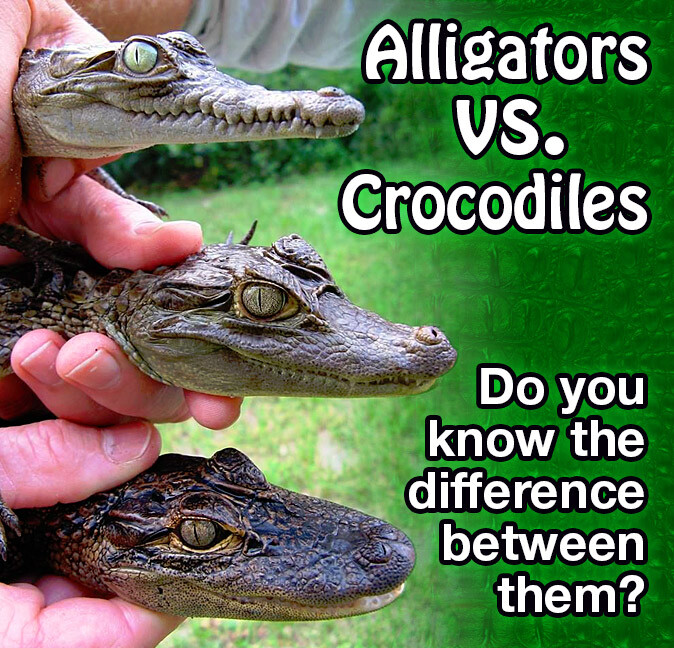
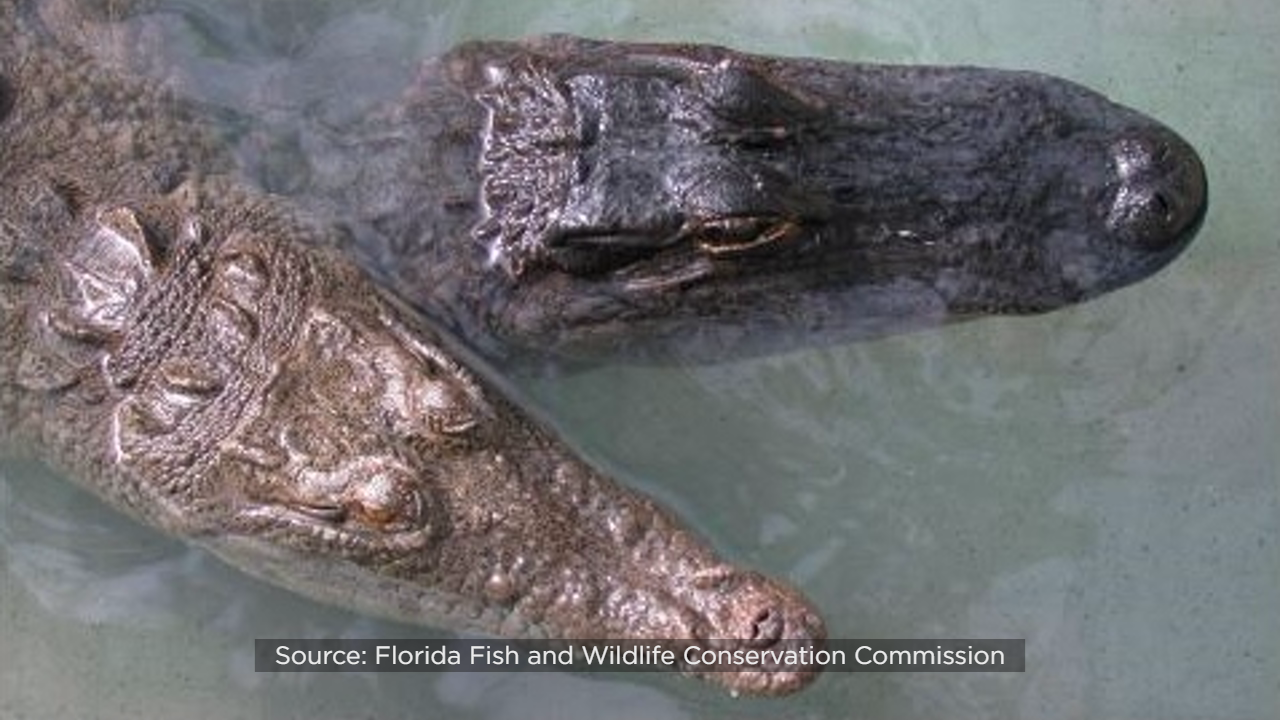
- Alligators possess a broad, U-shaped snout that is wider and blunter. When an alligator’s mouth is closed, the upper jaw completely covers the teeth of the lower jaw, so only the upper teeth are visible. Their skin tends to be darker, often a slate gray or black.
- Crocodiles have a more pointed, V-shaped snout that tapers more noticeably from the head. When a crocodile’s mouth is closed, both upper and lower teeth are visible, particularly the prominent fourth tooth on the lower jaw, which fits into a notch in the upper jaw. Their skin is typically lighter, ranging from tan to greenish-gray.
Beyond the snout, size can also be a distinguishing factor, though less reliable. While both can grow quite large, American Crocodiles generally attain larger average sizes and are often more slender in build than their alligator counterparts, sometimes reaching lengths of up to 20 feet, though 10-15 feet is more common in Florida. Alligators typically range from 8 to 11 feet for males, with females being smaller.
Preferred Habitats
The habitat preference is another crucial differentiator:
- Alligators are predominantly freshwater inhabitants. They thrive in swamps, marshes, lakes, ponds, and slow-moving rivers and canals across the entire state of Florida. They are less tolerant of saltwater and are typically found inland. This broad distribution means travelers can encounter them in numerous parks, preserves, and even golf courses throughout Central Florida and North Florida, as well as South Florida.
- Crocodiles, on the other hand, prefer brackish and saltwater environments. Their powerful salt glands allow them to excrete excess salt, making coastal estuaries, mangrove swamps, and tidal rivers their ideal homes. In Florida, their range is limited to the extreme South Florida region, primarily within Everglades National Park, Biscayne National Park, and the Florida Keys. This specialized habitat makes sightings of American Crocodiles a rarer and more sought-after experience for wildlife enthusiasts.
Where to Spot These Ancient Reptiles in Florida
For travelers keen on experiencing Florida’s wild side, there are numerous opportunities to safely observe both alligators and, with a bit more planning, crocodiles. These encounters range from dedicated wildlife attractions to expansive national parks and even incidental sightings in urban fringes. Understanding where to go and what to expect can greatly enhance your chances of a memorable wildlife viewing experience, deeply connecting you with the natural wonders that define the Sunshine State. Observing these magnificent creatures in their natural habitat is not just a tourist activity; it’s an immersive experience that highlights Florida’s commitment to preserving its unique ecological landscape, making it a pivotal part of responsible tourism.
National Parks & Wildlife Refuges
The vast wetlands of Florida are their primary domain, and national parks offer the best chance for viewing them in undisturbed settings:
- Everglades National Park: This iconic UNESCO World Heritage Site is arguably the best place in the United States to see both alligators and crocodiles. Alligators are abundant throughout the park, especially visible along the Anhinga Trail, Shark Valley, and the numerous canals. Crocodiles are rarer but can be spotted in the park’s saltwater estuaries, particularly near the Flamingo area and the coastline.
- Big Cypress National Preserve: Adjacent to the Everglades, this preserve offers similar opportunities for alligator sightings in its freshwater sloughs and cypress swamps. While less common, crocodiles have also been documented in the preserve’s brackish zones, especially towards the Gulf of Mexico.
- Biscayne National Park: Primarily a marine park, its mangrove-lined shores and shallow waters around Key Largo and Biscayne Bay are known habitats for the American Crocodile. Kayaking or boating in these areas may offer a chance to spot them.
- Crocodile Lake National Wildlife Refuge: Located on Key Largo, this refuge was specifically established to protect the American Crocodile and its critical habitat. Access is limited to protect the species, but surrounding areas may offer glimpses.
- Other State Parks & Reserves: Numerous state parks across Florida, such as Myakka River State Park near Sarasota, or areas along the Wekiva River and Blackwater Creek in Central Florida, are excellent for alligator viewing via airboat tours, boardwalks, or kayaking.
Dedicated Wildlife Attractions & Tours
For a guaranteed and often up-close encounter, several attractions specialize in showcasing Florida’s reptilian residents:
- Gatorland (Orlando/Kissimmee): Known as the “Alligator Capital of the World,” Gatorland offers thrilling shows, a breeding marsh, and thousands of alligators and crocodiles. It’s an educational and entertaining experience, perfect for families visiting Orlando or Kissimmee.
- St. Augustine Alligator Farm Zoological Park: This historic park is the only facility in the world to exhibit all living species of crocodilians, making it an invaluable educational resource for distinguishing between them. It’s a must-visit for anyone intrigued by these reptiles.
- Busch Gardens Tampa Bay (Tampa): While primarily a theme park, Busch Gardens Tampa Bay also features wildlife exhibits where visitors can observe alligators and other native Florida species.
- Wild Florida Airboats & Gator Park (Kissimmee): Offers airboat tours into protected wetlands where wild alligators are frequently seen, combined with a wildlife park featuring rescued animals.
- Airboat Tours: Numerous operators in and around the Everglades, Kissimmee, Fort Lauderdale, and Naples offer guided airboat tours, providing an exciting way to explore the swamps and marshlands, often with guaranteed alligator sightings and educational commentary. These include Everglades Holiday Park and Sawgrass Recreation Park.
Urban and Suburban Encounters
Due to Florida’s extensive water systems and increasing human population, encounters with alligators, in particular, can occur in unexpected places:
- Canals and Ponds: Residential communities, golf courses, and retention ponds throughout the state often have resident alligators. While fascinating, it’s crucial to maintain a respectful distance and never feed them.
- Lakes and Rivers: Larger bodies of water near populated areas, such as Lake Jesup near Orlando (which boasts one of the largest alligator populations in Florida), are natural habitats.
- Coastal Areas (for crocodiles): In South Florida, especially around the Florida Keys and parts of Miami and Fort Lauderdale, crocodiles can occasionally be seen in canals, marinas, and along intercoastal waterways. This is particularly true in areas like the Ten Thousand Islands and the Rookery Bay National Estuarine Research Reserve in Southwest Florida, and along the canals that connect to the Fakahatchee Strand Preserve State Park. Their presence in urban settings highlights the critical importance of human-wildlife coexistence and proper safety protocols.
Coexisting Safely: Essential Tips for Visitors
While the opportunity to see alligators and crocodiles in Florida is an unforgettable experience, it’s paramount to remember that these are wild, powerful animals. Safety should always be the top priority for both visitors and the wildlife. The Florida Fish and Wildlife Conservation Commission (FWC) provides clear guidelines for safe interactions, emphasizing respect for these creatures and their natural behaviors. By following these essential tips, travelers can ensure their wildlife encounters are positive, safe, and contribute to the ongoing conservation of Florida’s unique ecosystems. These guidelines are crucial for promoting responsible tourism, allowing both humans and reptiles to thrive in close proximity within the state’s dynamic landscape.
Never Feed Wildlife
This is perhaps the most critical rule. Feeding alligators or crocodiles, even small scraps, can be detrimental in several ways:
- Loss of Fear: It causes them to lose their natural fear of humans, associating people with food. This habituation makes them more likely to approach boats, docks, and shorelines, increasing the risk of dangerous encounters.
- Aggressive Behavior: Fed alligators can become aggressive or territorial, viewing humans as a food source or competitors.
- Illegal Activity: In Florida, feeding alligators is illegal and carries significant penalties, punishable by law. This applies to both direct feeding and disposing of food scraps in waters where alligators reside.
Maintain a Safe Distance
Always keep a respectful and safe distance from alligators and crocodiles, especially mothers guarding nests or young.
- Minimum Distance: The FWC recommends maintaining at least 15 feet (about 4.5 meters) from alligators. For crocodiles, given their more cautious nature and endangered status, even greater distance is advisable.
- Observing from Afar: Use binoculars or telephoto lenses for close-up views rather than approaching the animals.
- Avoid Waterside Edges: Be cautious near water bodies, especially at dawn, dusk, and night when alligators are most active. Keep pets on a leash and away from the water’s edge.
Be Aware of Your Surroundings
Vigilance is key, particularly in areas known to harbor these reptiles.
- Read Warning Signs: Always pay attention to warning signs posted in parks, trails, and recreational areas. These signs are there for your safety and indicate known alligator or crocodile presence.
- Supervise Children and Pets: Never allow small children or pets to wander unattended near water. Alligators can perceive small animals as prey.
- Swim in Designated Areas: Only swim in designated swimming areas that are typically monitored and considered safe from alligators. Avoid swimming in natural lakes, rivers, or canals where alligators are common.
- Do Not Harass: Never poke, prod, or attempt to catch an alligator or crocodile. Not only is it dangerous, but it is also illegal and harmful to the animals.
By adhering to these simple yet vital rules, travelers can fully enjoy the incredible opportunity to witness Florida’s prehistoric inhabitants in their natural glory, ensuring a safe and respectful interaction with the state’s wild heart. It underscores the spirit of adventure and responsible exploration that defines so much of the best travel experiences, especially when dealing with such majestic and powerful creatures that form an integral part of Florida’s unique Florida Wildlife Corridor.
Embracing Florida’s Wild Side: A Truly Unique Experience
The presence of both alligators and crocodiles transforms a trip to Florida from a typical beach vacation into an extraordinary adventure into the wild. It’s a compelling facet of the state’s tourism appeal, drawing millions of visitors each year who are eager to witness these ancient reptiles. Florida stands as a beacon for wildlife enthusiasts, offering a rare opportunity to delve into the ecological intricacies of two different crocodilian species coexisting. This unique aspect enriches the travel experience, providing not just relaxation and entertainment but also profound educational moments and a deeper connection to nature. From guided airboat tours through the Everglades to educational visits at specialized parks, the options for safe and exciting encounters are plentiful, catering to every type of traveler.
This natural phenomenon is more than just a curiosity; it’s a living testament to Florida’s ecological diversity and conservation successes, particularly with the American Crocodile. It encourages a lifestyle of environmental awareness and responsible exploration, prompting visitors to consider their impact on delicate ecosystems. Whether you’re planning a family trip, a luxury getaway, or a budget-friendly adventure, incorporating wildlife viewing into your itinerary adds an unparalleled dimension to your Florida experience. So, pack your binoculars, review your safety guidelines, and prepare to be amazed by the living dinosaurs that call the Sunshine State home. It’s an adventure that promises to be as unforgettable as Florida itself, cementing its status as a premier global destination for both relaxation and raw, untamed nature.
LifeOutOfTheBox is a participant in the Amazon Services LLC Associates Program, an affiliate advertising program designed to provide a means for sites to earn advertising fees by advertising and linking to Amazon.com. Amazon, the Amazon logo, AmazonSupply, and the AmazonSupply logo are trademarks of Amazon.com, Inc. or its affiliates. As an Amazon Associate we earn affiliate commissions from qualifying purchases.