
For many prospective travelers planning a visit to the Sunshine State, the image of lurking reptilian predators immediately comes to mind. While the presence of alligators is widely known and often a unique draw for visitors, a more specific question frequently arises: “Are there crocodiles in Florida?” The answer, unequivocally, is yes – but with significant distinctions that are crucial for understanding this unique aspect of Florida’s natural landscape. While American Alligators are ubiquitous across the state, their saltwater-loving cousins, the American Crocodiles, are a much rarer and more elusive sight, confined primarily to the southernmost tip of Florida and its brackish coastal environments. Delving into the world of Florida’s crocodilians offers an insightful glimpse into the state’s diverse ecosystems and the fascinating creatures that inhabit them, making for an enriched travel experience for those who appreciate nature and wildlife.

Unpacking the Myth: Alligators vs. Crocodiles in Florida
The terms “alligator” and “crocodile” are often used interchangeably by the uninformed, but they refer to two distinct species with differing habitats, behaviors, and physical characteristics. In Florida, both can be found, but their distribution and commonality vary dramatically. Understanding these differences is key to appreciating Florida’s unique crocodilian population and dispelling common misconceptions.
The American Alligator: Florida’s Ubiquitous Reptile
The American Alligator ( Alligator mississippiensis ) is by far the more common and widespread crocodilian in Florida, found in all 67 counties. These formidable reptiles thrive in freshwater environments such as lakes, rivers, ponds, canals, and marshes. Their presence is a defining feature of Florida’s wetlands, making them a frequent sight for residents and tourists alike. American Alligators can grow quite large, with males typically reaching lengths of 10-15 feet.
Physically, alligators are characterized by their broad, U-shaped snouts and their dark, often greenish-black coloration. When their mouths are closed, only the upper teeth are visible, an important distinction from their crocodilian counterparts. Alligators are cold-blooded creatures that regulate their body temperature by basking in the sun, making them easily spotted on riverbanks and alongside roads. While generally wary of humans, they are powerful predators, playing a vital role in maintaining the ecological balance of their freshwater habitats. Encountering an alligator, though common, always serves as a powerful reminder of the wild nature that still thrives within Florida’s bustling landscapes.
The American Crocodile: A Rare and Reclusive Resident
In stark contrast, the American Crocodile ( Crocodylus acutus ) is an exceptionally rare and geographically restricted resident of Florida. Florida represents the northernmost extent of their range, which stretches south through the Caribbean, Central America, and northern South America, including parts of Mexico. Unlike alligators, American Crocodiles prefer brackish or saltwater habitats, such as mangrove estuaries, coastal lagoons, and even open seas. This preference for saline environments is a crucial factor in their limited distribution within Florida.
Distinguishing features of the American Crocodile include a narrower, more pointed V-shaped snout, a lighter grayish-green or brownish coloration, and the distinct visibility of both upper and lower teeth when its mouth is closed, particularly the fourth tooth on the lower jaw. They can grow larger than alligators, with some individuals exceeding 15 feet. However, despite their impressive size, American Crocodiles are generally shyer and more reclusive than alligators, making sightings much less common. Their historical population decline led them to be listed as an endangered species, a status that has since been upgraded to threatened due to successful conservation efforts. Observing an American Crocodile in its natural habitat is a testament to the wild spirit of Florida and a highlight for any dedicated wildlife enthusiast.
Where to Find American Crocodiles in Florida
For travelers hoping to catch a glimpse of the elusive American Crocodile, knowing where to look is paramount. Their specialized habitat requirements mean their presence is limited to specific areas in South Florida, primarily coastal and brackish water environments.
The South Florida Stronghold
The primary stronghold for American Crocodiles in the United States is the southernmost tip of Florida. This includes the vast, interconnected waterways of Everglades National Park, especially its coastal regions like Florida Bay. Here, the mix of freshwater from the Everglades and saltwater from the Gulf of Mexico and the Atlantic Ocean creates the ideal brackish conditions these reptiles require. Key areas within the park where they might be observed include the coastline along the Gulf Coast and the eastern coastal areas leading towards the Florida Keys.
Beyond the Everglades, populations extend into the upper Florida Keys, notably around Key Largo and its surrounding islands, as well as Biscayne National Park. These areas offer numerous coves, tidal creeks, and mangrove fringes that provide perfect habitat for these shy creatures. While rare, sightings have also been reported further north along the Atlantic Coast in isolated instances, usually of transient individuals. However, the consistent, breeding populations are firmly rooted in these southern coastal havens. Wildlife viewing tours in these specific regions, especially those focusing on mangrove estuaries, offer the best chance for a responsible encounter.
Habitat Preferences and Behavior
American Crocodiles exhibit distinct habitat preferences crucial for their survival and successful reproduction. They thrive in environments where freshwater and saltwater mix, creating brackish conditions. Mangrove forests are particularly vital, offering protection, nesting sites, and a rich food source of fish, crustaceans, and other small animals. The dense root systems of mangroves provide excellent cover, making it challenging to spot crocodiles even when they are present.
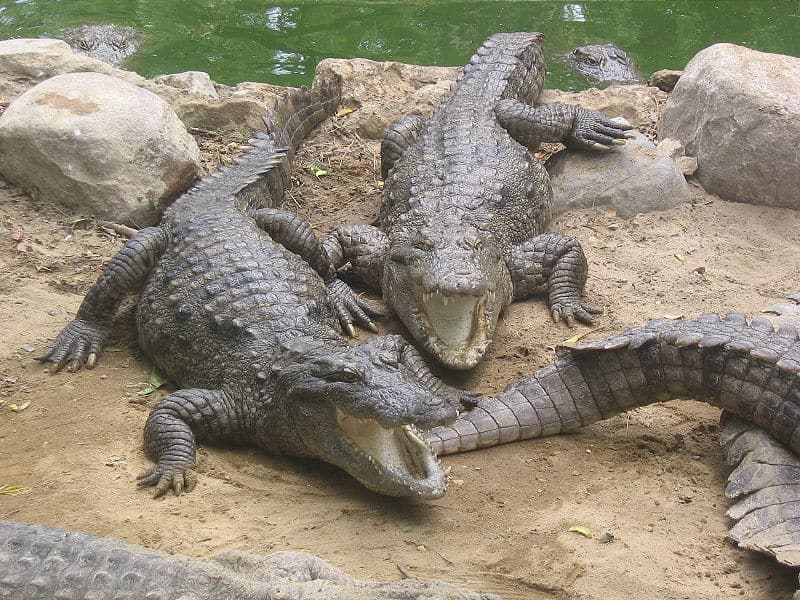
Nesting typically occurs in late spring, with females digging burrows or creating mound nests near the water’s edge in sandy or muddy areas above the high-tide line. The eggs incubate for several months, and the female often guards the nest. Crocodile hatchlings are vulnerable, and their survival is highly dependent on undisturbed habitats. During cooler months, crocodiles may become less active, basking in the sun to warm themselves. Their reclusive nature means they typically avoid human interaction, preferring to retreat when disturbed. Travelers exploring these areas should maintain a respectful distance and avoid disturbing their natural habitats, especially during nesting season.
Coexisting with Florida’s Apex Predators: Safety and Respect
Encountering any large wild animal demands respect and caution. While American Crocodiles are significantly less aggressive towards humans than their reputation might suggest, and far rarer to encounter than alligators, understanding general safety guidelines for coexisting with Florida’s apex predators is paramount for a safe and enjoyable travel experience.
Understanding Crocodile and Alligator Behavior
Both American Crocodiles and American Alligators are powerful, opportunistic predators. They are driven by instinct and hunger, not malice. Generally, they avoid humans, but can become aggressive if they feel threatened, are protecting their young, or if they associate humans with food. The most critical rule is never to feed these animals. Feeding them habituates them to humans, leading them to lose their natural fear and increasing the likelihood of dangerous encounters. This is not only illegal but detrimental to both humans and the animals themselves.
They are most active during dawn, dusk, and night, which are prime hunting times. During these periods, low light conditions can make it difficult to spot them, increasing the risk of accidental encounters, especially near water bodies. Always assume that any body of water in South Florida could harbor a crocodilian. Pets, especially small dogs, resemble their natural prey and should be kept on leashes and away from the water’s edge.
Essential Safety Tips for Visitors
For travelers venturing into areas where alligators and potentially crocodiles reside, a few safety tips can make all the difference:
- Maintain Distance: Always observe wildlife from a safe and respectful distance. Use binoculars or telephoto lenses for close-up views. Never approach a crocodile or alligator, their nest, or their young.
- Swim Smart: Avoid swimming, wading, or letting children or pets play in unposted waters or areas known to have alligators or crocodiles, especially at dawn, dusk, or night. Stick to designated swimming areas.
- Boating and Kayaking: Be aware of your surroundings when on the water. Avoid dangling hands or feet in the water. If you see a crocodilian, steer clear and do not provoke it.
- Fishing: Dispose of fish scraps in designated bins, not in the water or along the shoreline. Fish waste can attract crocodilians.
- Report Concerns: If you encounter a crocodilian that is acting aggressively, seems unafraid of humans, or is in an unusual location (like a residential pool), contact the Florida Fish and Wildlife Conservation Commission (FWC).
By adhering to these guidelines, visitors can safely appreciate Florida’s incredible wildlife without putting themselves or the animals at risk.
Conservation Efforts and the Future of Florida’s Crocodiles
The story of the American Crocodile in Florida is a remarkable testament to the power of conservation. Once on the brink of extinction within the United States, these magnificent reptiles have seen a significant recovery thanks to dedicated efforts.
A Success Story of Recovery
In the 1970s, the American Crocodile population in Florida plummeted to dangerously low numbers, with only a few hundred individuals estimated to remain. This decline was primarily due to habitat loss, pollution, and historical hunting for their skin. Recognizing the critical situation, the species was listed as endangered under the Endangered Species Act. This designation spurred intensive conservation efforts by federal and state agencies, including the National Park Service in Everglades National Park and Biscayne National Park, and the Florida Fish and Wildlife Conservation Commission.
These efforts included habitat protection, research, monitoring programs, and public education campaigns. Measures such as restricting development in critical habitats, managing water flow in the Everglades to maintain suitable salinity levels, and protecting nesting sites proved instrumental. By 2007, the population had recovered sufficiently for the species to be downlisted from “endangered” to “threatened” in Florida. This success story highlights the effectiveness of collaborative conservation initiatives and offers hope for other imperiled species.

Challenges and Ongoing Protection
Despite their recovery, American Crocodiles in Florida continue to face ongoing challenges. Habitat loss due to coastal development remains a significant threat, as human populations expand into their sensitive coastal environments. Climate change and rising sea levels pose long-term risks, potentially impacting their low-lying nesting areas and preferred brackish water habitats. Pollution, particularly from plastics and runoff, can also affect their ecosystems and food sources.
Therefore, continued protection and monitoring are essential. Research into their population dynamics, nesting success, and habitat use remains vital for informed management decisions. Public awareness campaigns are crucial to ensure that residents and visitors understand the importance of these animals and how to coexist safely and responsibly. The American Crocodile is an indicator species; its health reflects the overall health of Florida’s unique coastal ecosystems. Supporting conservation efforts and practicing responsible tourism directly contributes to the long-term survival of this remarkable reptile.
In conclusion, while the American Alligator dominates Florida’s freshwater habitats, the American Crocodile is indeed a part of the state’s incredible biodiversity, albeit a rarer and more geographically specific one. Travelers to South Florida, particularly those exploring the coastal regions of the Everglades and the upper Florida Keys, have a small but real chance of observing this magnificent and once critically endangered species. By understanding their differences, respecting their habitats, and adhering to safety guidelines, visitors can not only enjoy a unique wildlife viewing experience but also contribute to the ongoing conservation of these vital apex predators, ensuring they remain a part of Florida’s natural heritage for generations to come.
LifeOutOfTheBox is a participant in the Amazon Services LLC Associates Program, an affiliate advertising program designed to provide a means for sites to earn advertising fees by advertising and linking to Amazon.com. Amazon, the Amazon logo, AmazonSupply, and the AmazonSupply logo are trademarks of Amazon.com, Inc. or its affiliates. As an Amazon Associate we earn affiliate commissions from qualifying purchases.