
The question “Are there elk in Alaska?” often surprises even seasoned travelers. When one thinks of Alaska, images of moose, caribou, grizzly bears, and wolves usually come to mind, not the majestic elk. Yet, the answer is a resounding yes! Alaska is home to thriving populations of elk, offering a truly unique wildlife viewing experience that stands apart from the typical Alaskan safari. For those seeking extraordinary travel experiences and deep dives into nature, discovering elk in the Last Frontier presents an unparalleled adventure, blending the thrill of a wilderness expedition with the opportunity to witness these magnificent creatures in a rugged, breathtaking landscape.
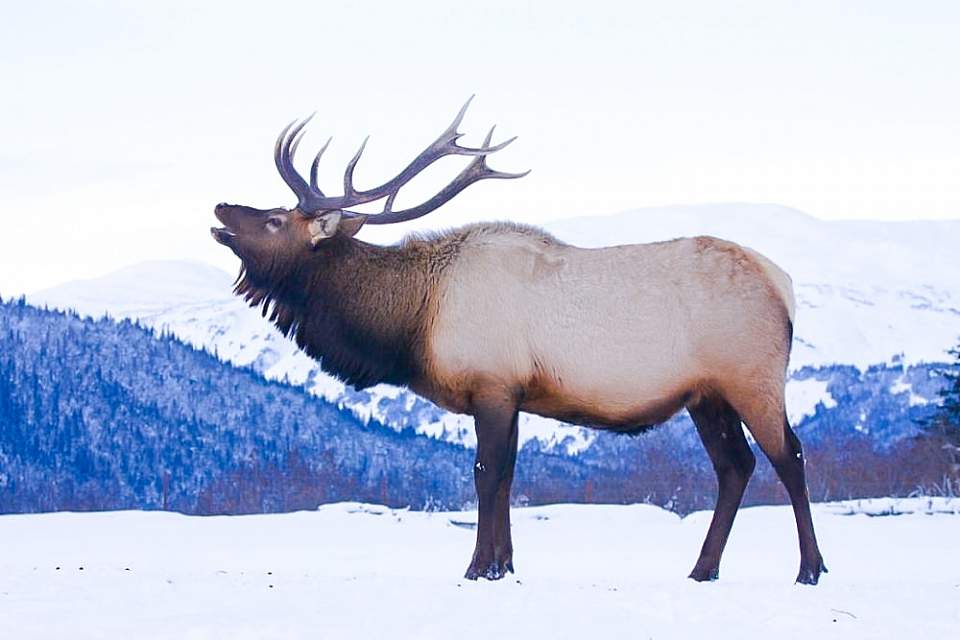
The presence of elk in Alaska is a testament to successful conservation efforts and careful wildlife management. While not native to the entire state, specific regions have become vital habitats for two distinct subspecies: the Rocky Mountain elk and the Roosevelt elk. These populations, primarily introduced, have adapted remarkably well to the Alaskan environment, establishing themselves as integral components of the local ecosystems. This article delves into where to find these elusive animals, how they arrived in Alaska, and how you can plan an unforgettable trip to witness them firsthand, integrating seamlessly with your tourism and lifestyle preferences, whether you prefer luxury travel or a budget travel adventure.
A Majestic Presence: Elk in the Last Frontier
The story of elk in Alaska is one of deliberate introduction and adaptation. Unlike moose or caribou, elk were not historically widespread across the Alaskan landscape. Their presence today is a direct result of human intervention aimed at diversifying wildlife populations and providing additional hunting and viewing opportunities. This makes their existence even more fascinating for visitors keen on understanding the complex interplay between conservation, ecology, and human impact in a pristine wilderness.
The Arrival of Elk in Alaska
The first successful introduction of elk to Alaska occurred in 1928, when eight Rocky Mountain elk were transplanted from the National Bison Range in Montana to Afognak Island, part of the Kodiak Archipelago. These animals adapted remarkably well to their new coastal forest environment, characterized by dense Sitka spruce and western hemlock forests, lush undergrowth, and a milder maritime climate compared to interior Alaska. The population on Afognak Island and neighboring Raspberry Island flourished, growing into a significant herd that has captivated wildlife enthusiasts and researchers alike.
A second introduction, this time of Roosevelt elk from Washington State, took place in 1987 on Etolin Island in Southeast Alaska. This initiative aimed to establish an elk population in a different ecological zone, characterized by the temperate rainforests of the Alexander Archipelago. The Roosevelt elk, known for being the largest subspecies of elk, have also thrived, creating another distinct and valuable population for Alaska’s wildlife tapestry. These efforts highlight a unique chapter in Alaskan conservation, showcasing how carefully planned introductions can enrich a region’s biodiversity and offer new attractions for nature-focused travelers.
Where to Find Alaska’s Elk Herds
For those eager to witness these magnificent animals, your Alaskan adventure will primarily focus on two distinct geographical regions, each offering its own unique charm and challenges for wildlife viewing:
- Kodiak Archipelago (Specifically Afognak Island and Raspberry Island): This is home to the descendants of the original Rocky Mountain elk introduction. The islands are characterized by rugged coastlines, dense forests, and mountainous terrain, providing excellent habitat for the elk. Access typically involves flying into Kodiak city and then arranging a floatplane or boat charter to one of the islands. The wilderness here is truly raw, promising an authentic expedition for adventurous travelers.
- Southeast Alaska (Primarily Etolin Island): This region hosts the Roosevelt elk. Etolin Island is situated within the Tongass National Forest, a vast expanse of temperate rainforest. Access to Etolin Island usually involves flights to gateway cities like Ketchikan or Petersburg, followed by a boat or small aircraft charter. The lush, verdant environment provides a stark contrast to the drier, interior landscapes often associated with elk in other parts of North America.
Both locations offer distinct experiences, making Alaska a prime destination for elk enthusiasts. The remote nature of these islands ensures a wilderness experience, making elk sightings all the more rewarding.
Planning Your Alaskan Elk-Viewing Adventure
Embarking on an elk-viewing trip in Alaska requires careful planning and a spirit of adventure. These aren’t roadside attractions; they are deep wilderness experiences. To maximize your chances of a successful and memorable encounter, understanding the logistics, timing, and necessary preparations is key. This aligns perfectly with the goal of creating unforgettable experiences for discerning travelers.
Best Time for Wildlife Encounters
The timing of your visit can significantly impact your elk-viewing success.
- Fall (Late August to October): This is arguably the best time to witness elk in their full glory, as it coincides with the rutting season. During the rut, bull elk are highly active, bugling loudly to attract mates and challenging rivals. This period offers incredible photographic opportunities and a chance to hear the iconic sounds of the wilderness. The cooler temperatures and vibrant fall foliage also add to the scenic beauty of the Alaskan landscape.
- Late Spring/Early Summer (May to June): While the rut offers dramatic displays, late spring and early summer can also be rewarding. Calves are born during this period, and you might see cows with their young. The weather is generally milder, and daylight hours are long, providing ample time for exploration. However, elk might be more dispersed and less vocal outside of the rut.
- Winter (November to April): Winter viewing can be challenging due to harsh weather and deep snow, making access difficult. However, elk might be more concentrated in lower elevations or along coastal areas as they seek food, potentially offering unique viewing opportunities for the most intrepid travelers. This season is often best for guided tours or those seeking a truly rugged experience.
Regardless of the season, checking with the Alaska Department of Fish and Game or local guides for specific conditions and elk movements is always recommended.
Essential Gear and Guides
A successful elk-viewing trip in Alaska hinges on preparation and, often, the expertise of local professionals.
- Gear: Pack layers of waterproof and windproof clothing, sturdy hiking boots, and insect repellent (especially in summer). Binoculars or a spotting scope are indispensable for distant viewing without disturbing the animals. A high-quality camera with a good zoom lens is essential for capturing those memorable moments. Don’t forget navigation tools like a GPS and maps, and bear spray, as you’ll be in prime bear country.
- Guided Tours: For optimal safety and success, especially in such remote terrain, hiring an experienced local guide is highly recommended. Guides possess invaluable knowledge of elk behavior, local geography, and safety protocols for wilderness travel. Many outfitters specialize in wildlife viewing and photography tours, providing everything from transportation to specialized equipment and expert insights. This is often the best way to ensure a rewarding and safe experience, whether you’re interested in family trips or a solo adventure.
Accommodation and Travel Logistics for Remote Expeditions
Given the remote nature of elk habitats in Alaska, planning your accommodation and transportation is as crucial as the elk search itself. These are not areas with abundant infrastructure, so foresight and booking in advance are paramount. Our platform specializes in offering insights into diverse accommodation options, from hotels to villas, ensuring your stay complements your adventure.
Choosing Your Stay: From Rustic Cabins to Luxury Lodges
Accommodation options near Alaska’s elk country vary significantly, catering to different lifestyle and budget travel preferences.
- Wilderness Lodges: For a comfortable yet immersive experience, consider booking a stay at a wilderness lodge on or near Afognak Island or Etolin Island. Examples might include the Afognak Wilderness Lodge or specialized resorts near Kodiak or Petersburg. These often offer all-inclusive packages that cover meals, guided tours, and comfortable suites or cabins, making them ideal for luxury travel or those seeking a hassle-free, premium experience. They blend the rugged outdoors with desirable amenities.
- Public Use Cabins: For budget travel or a more rustic adventure, the Alaska State Parks and Tongass National Forest offer primitive public use cabins that can be rented. These typically require advanced booking and provide basic shelter, often without running water or electricity. They are perfect for self-sufficient travelers looking for an authentic wilderness immersion and a significant cost-saving measure compared to resorts.
- Camping: Backcountry camping is another option for the truly adventurous, though it demands extensive wilderness experience and adherence to leave-no-trace principles. Always be prepared for unpredictable weather and wildlife encounters.
- Gateway Cities: If staying directly on the islands is not feasible, consider hotels or apartments in nearby gateway communities like Kodiak, Anchorage, Homer, Seward (for Afognak), or Ketchikan, Petersburg, Wrangell (for Etolin Island). From these points, you can arrange day trips or multi-day excursions to the elk areas. Our site provides extensive reviews and comparison tools to help you find the best hotels or long-term stays in these cities.
Navigating Alaska’s Wilderness: Getting There
Reaching the elk viewing areas involves a multi-stage journey, which is part of the adventure.
- To Kodiak Archipelago: Most travelers fly into Anchorage International Airport (ANC). From Anchorage, you’ll take a commercial flight to Kodiak’s Kodiak Airport (ADQ). From Kodiak, access to Afognak or Raspberry Island is exclusively via floatplane or boat charter. These local transport services need to be booked well in advance.
- To Etolin Island: For Southeast Alaska elk, you’ll likely fly into Ketchikan International Airport (KTN) or Petersburg James A. Johnson Airport (PSG). From there, boat charters are the primary mode of transportation to Etolin Island, often hired from local communities like Wrangell or Petersburg. The Alaska Marine Highway System also provides ferry access to some coastal communities in the region, offering a scenic but slower option.
These journeys are an integral part of the Alaskan wilderness experience, offering breathtaking views and a sense of true adventure before you even reach your elk-viewing point. Planning and booking these segments in advance is critical due to limited availability, especially during peak seasons.
Embracing Responsible Wildlife Tourism
Witnessing elk in Alaska is a privilege that comes with the responsibility of ethical wildlife viewing. As proponents of sustainable tourism, we emphasize practices that ensure the well-being of the animals and the preservation of their habitat.
- Maintain Distance: Always observe elk from a safe and respectful distance. Use binoculars or telephoto lenses to get a closer look without disturbing their natural behavior.
- Never Feed Wildlife: Feeding wild animals can alter their natural foraging behaviors, make them dependent on humans, and lead to aggressive encounters.
- Minimize Noise: Speak softly and move quietly to avoid startling elk or other wildlife.
- Stay on Designated Trails: If trails exist, stick to them to minimize your impact on vegetation and reduce habitat disturbance. In areas without trails, tread lightly.
- Pack It In, Pack It Out: Leave no trace of your visit. Carry out all trash, including organic waste.
- Support Local Conservation: Consider contributing to local conservation organizations or choosing tour operators who demonstrate a commitment to sustainable practices and wildlife protection. This aligns with local culture and helps preserve Alaska’s unique ecosystems for future generations of both wildlife and travelers.
By adhering to these tips, you contribute to a positive and sustainable wildlife tourism model, ensuring that the magic of seeing elk in Alaska remains a possibility for years to come.
Beyond Elk: The Broader Alaskan Wildlife Experience
While elk are a compelling reason to visit these specific Alaskan islands, your journey to the Last Frontier offers a much broader spectrum of wildlife and natural wonders. The same areas that host elk are also teeming with other iconic Alaskan species, enhancing your overall experience.
On the Kodiak Archipelago and Afognak Island, you’ll share the landscape with the colossal Kodiak brown bear, a subspecies of grizzly bear found only on these islands. Birdwatchers will revel in the diversity of marine birds, including bald eagles, puffins, and various seabirds. The coastal waters are rich with sea otters, harbor seals, and migrating whales, making boat tours an excellent opportunity to spot marine life. Fishing for salmon and halibut is also a popular activity in the region.
In Southeast Alaska, near Etolin Island, the temperate rainforests are home to black bears, Sitka black-tailed deer, and a myriad of bird species. The intricate network of waterways and islands is perfect for kayaking and exploring untouched fjords, often leading to sightings of humpback whales, orcas, and porpoises. The lush environment also offers unique flora, making it a paradise for botanists and hikers. The Tongass National Forest itself is a landmark of natural beauty and biodiversity.
Integrating an elk-viewing expedition into a broader Alaskan travel itinerary allows you to fully appreciate the state’s incredible ecological diversity. Whether you’re captivated by the thought of a Kodiak brown bear encounter, the thrill of whale watching, or simply soaking in the pristine wilderness, Alaska delivers a comprehensive wildlife experience. Many travel guides recommend dedicating sufficient time to explore these areas, ensuring you don’t miss out on the wealth of natural attractions beyond the elk themselves.
In conclusion, yes, there are elk in Alaska, and seeking them out offers an extraordinary wildlife adventure unlike any other. These majestic animals, thriving in unique island ecosystems, provide a compelling reason to venture into some of the Last Frontier’s most remote and beautiful landscapes. By planning thoughtfully, respecting the wilderness, and embracing the journey, travelers can discover the hidden secret of Alaskan elk and create memories that will last a lifetime.
LifeOutOfTheBox is a participant in the Amazon Services LLC Associates Program, an affiliate advertising program designed to provide a means for sites to earn advertising fees by advertising and linking to Amazon.com. Amazon, the Amazon logo, AmazonSupply, and the AmazonSupply logo are trademarks of Amazon.com, Inc. or its affiliates. As an Amazon Associate we earn affiliate commissions from qualifying purchases.