
For many, the image of a firefly dancing in the twilight evokes a sense of whimsical wonder and nostalgic charm. These bioluminescent beetles, with their captivating flashes, are often associated with humid summer nights in northern states or the enchanting hills of places like Gatlinburg, Tennessee, particularly around Great Smoky Mountains National Park. This often leads travelers and nature enthusiasts to ponder a crucial question when planning a trip to the Sunshine State: are there fireflies in Florida? The answer, much to the delight of visitors and locals alike, is a resounding yes!
While Florida might be more renowned for its pristine beaches, theme parks, and vibrant cities, it also harbors a surprisingly diverse and active firefly population. The state’s unique subtropical climate, abundant wetlands, and vast natural preserves create ideal habitats for these enchanting creatures. Seeing fireflies can add an unexpected and magical dimension to any Florida itinerary, transforming a typical family vacation or a romantic getaway into an unforgettable experience. This guide delves into where and when to find these glowing gems, offering tips for responsible viewing, and how to seamlessly integrate this natural marvel into your overall Florida travel plans.
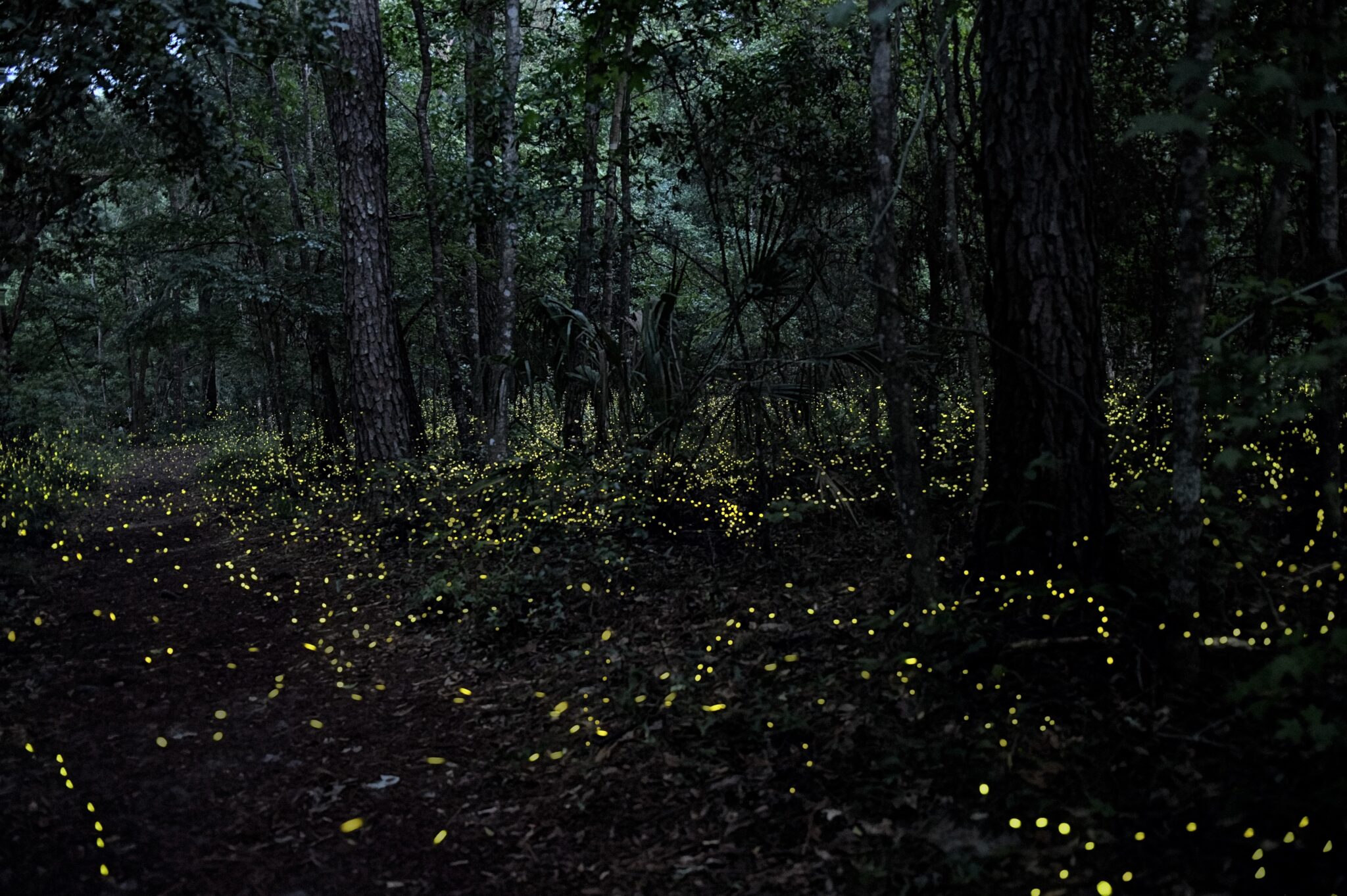
The Luminous Magic: Fireflies in the Sunshine State
The perception that fireflies are absent from Florida often stems from the dense urban development and pervasive light pollution found in major metropolitan areas like Orlando, Miami, and Tampa. However, venture into the state’s quieter, more natural corners, and you’ll discover that these captivating insects are very much a part of the local ecosystem, adding a special kind of magic to the humid nights.
Dispelling the Myth: A Haven for Light-Up Bugs
Florida’s extensive network of state parks, national forests, and preserves provides crucial refuges for various species of fireflies. Far from the neon glow of tourist attractions and bustling cityscapes, these natural sanctuaries offer the dark skies and undisturbed habitats essential for firefly courtship displays. The warm, moist conditions that characterize much of Florida’s spring and early summer are perfect for these insects, which thrive in damp environments where their prey (slugs and snails) is plentiful and their larvae can develop in moist soil.
Understanding that fireflies are present, but perhaps not as conspicuous as in other regions, is the first step towards a successful viewing experience. It requires a slight shift in focus from the state’s more conventional attractions to its rich, biodiverse natural landscapes. For those seeking authentic travel experiences and a deeper connection with nature, tracking down Florida’s fireflies offers a rewarding adventure that complements any itinerary focused on ecotourism or outdoor activities.
Species Spotlight: Who’s Glowing in Florida?
Florida is home to several species of fireflies, each with its own unique flashing pattern and preferred habitat. While the synchronous fireflies of Tennessee, known for their breathtaking coordinated light shows, are a rarer sight in Florida, the state boasts other fascinating varieties.
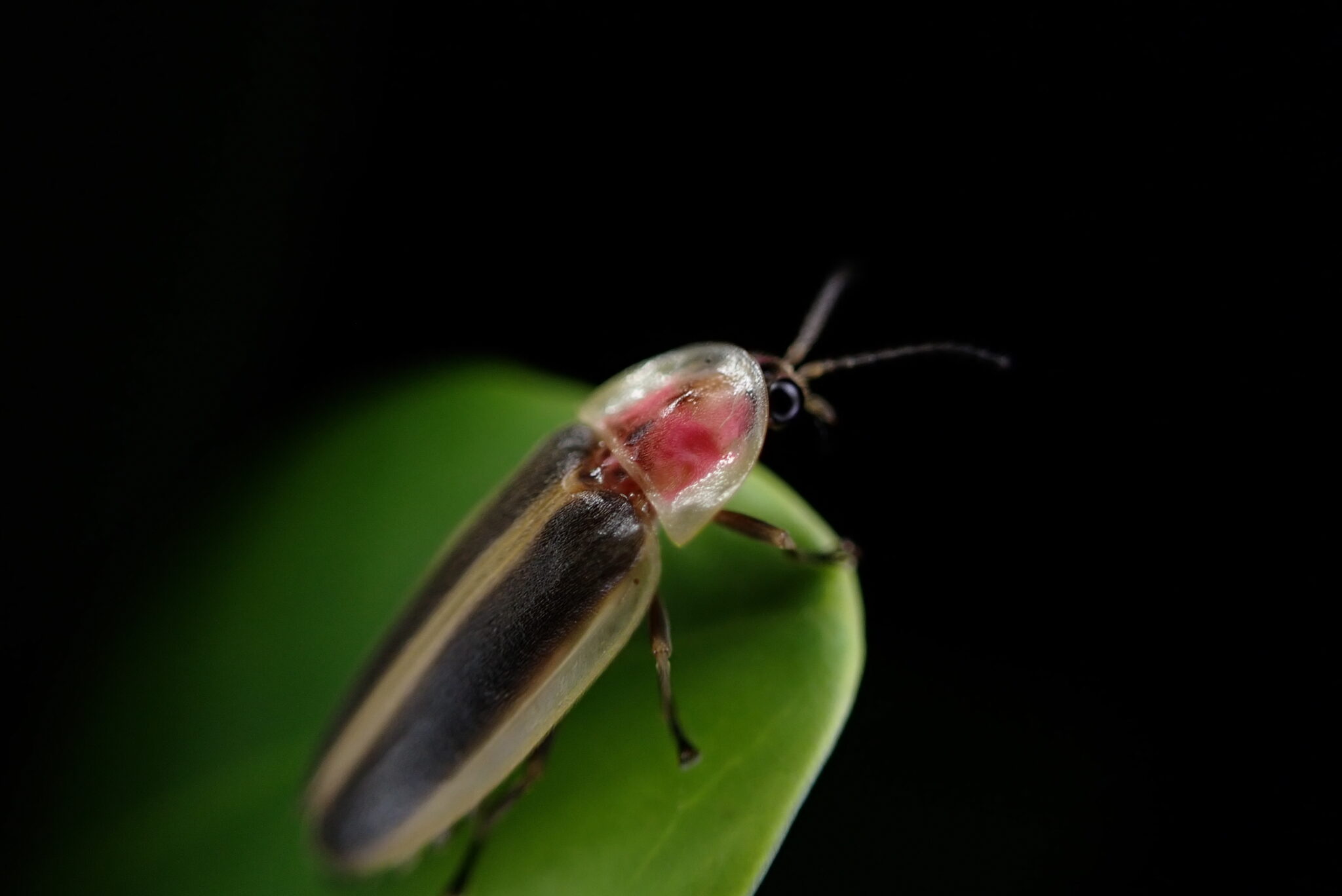
One of the most commonly encountered groups belongs to the Photinus genus, often referred to as “blinking fireflies.” These are the classic fireflies that emit distinct, often yellowish-green flashes as they fly, with males using specific patterns to attract females hidden in the vegetation. You might observe them blinking individually or in small clusters, creating a natural light show against the dark foliage.
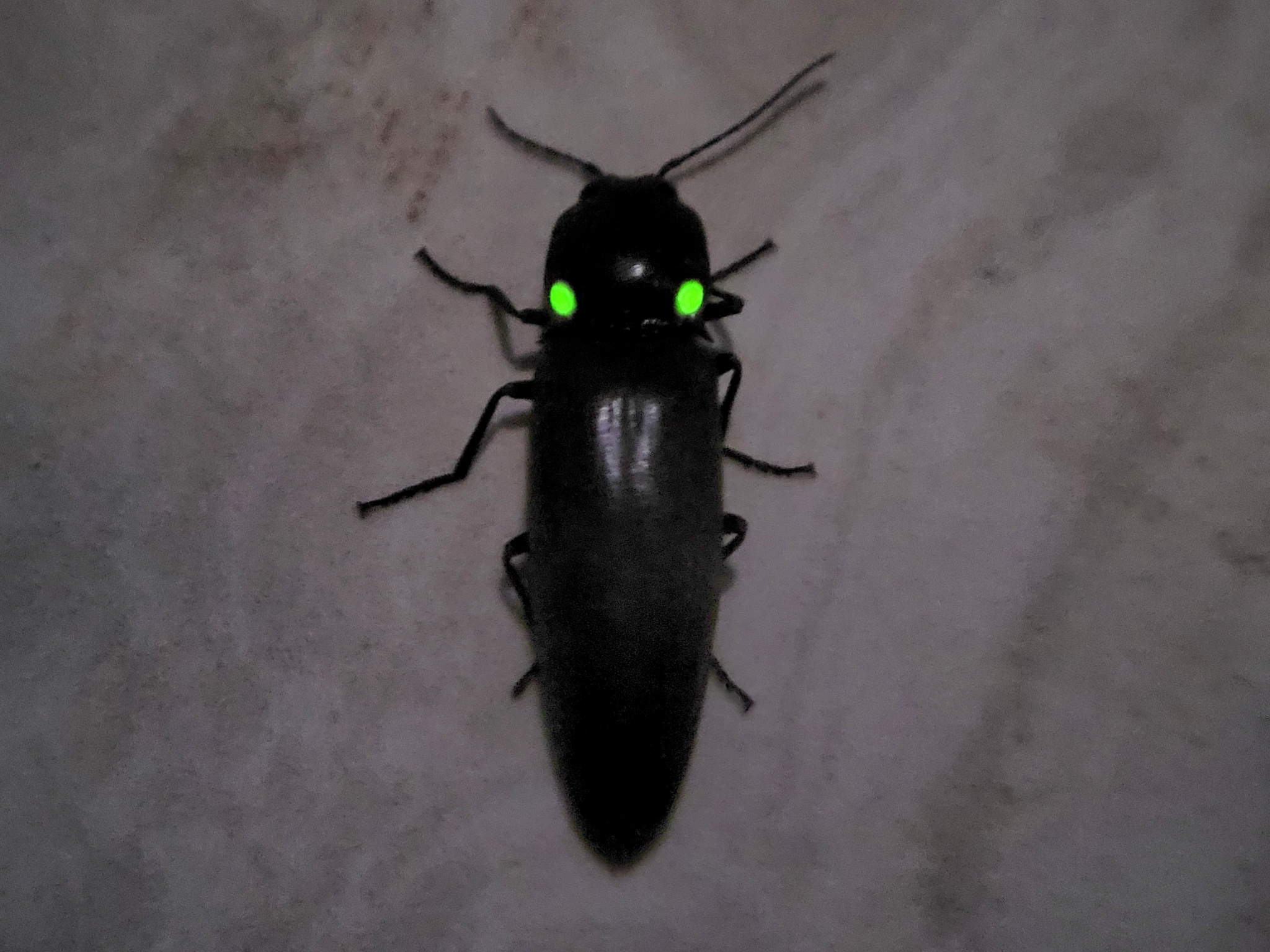
Another interesting genus present in Florida is Photuris. These fireflies are sometimes called “femme fatales” because the females of some Photuris species mimic the flash patterns of Photinus females to lure and prey upon Photinus males. This fascinating predatory behavior adds another layer of intrigue to the firefly world. Beyond the flashing species, Florida also hosts “dark fireflies” or “day-active fireflies” (such as species of Phausis or Pyropyga), which either do not glow at all or produce only a very dim, constant glow, and are primarily active during the day.
The diversity of fireflies in Florida means that while you might not see the massive synchronized displays found elsewhere, you’ll still encounter a vibrant and active population, especially if you know where and when to look. Their presence highlights the rich ecological tapestry that makes the Sunshine State a compelling destination for nature lovers.
When and Where to Witness the Spectacle
To maximize your chances of encountering Florida’s fireflies, timing and location are key. Unlike some insect migrations, firefly appearances are more localized and depend heavily on environmental conditions. Planning your trip around these factors will significantly enhance your firefly viewing success.
Prime Seasons for Firefly Spotting
The peak season for firefly activity in Florida typically spans from late spring to early summer, generally from April through June. During these months, temperatures are consistently warm, and humidity levels are high, creating the perfect conditions for adult fireflies to emerge, mate, and lay eggs. While some species might be active earlier or later, this window offers the best opportunity for widespread sightings.
- April: As spring fully sets in, firefly activity begins to pick up, especially in the southern and central parts of the state.
- May: This is often considered the peak month, with robust displays possible across many suitable habitats.
- June: Activity remains strong, particularly in the northern reaches of Florida, before the intense heat and heavy summer rains of July sometimes diminish their visibility.
It’s also important to remember that fireflies are primarily nocturnal. Their bioluminescent displays begin at dusk and can continue for several hours into the night, often peaking about 30-60 minutes after sunset. Moonless nights are particularly advantageous, as the absence of moonlight allows their natural glow to shine even brighter, enhancing the magical experience.
Top Destinations for Firefly Encounters
When it comes to location, success lies in venturing away from brightly lit urban centers and into Florida’s wilder, darker landscapes. These areas provide the minimal light pollution and abundant moisture that fireflies require.
- Everglades National Park & Big Cypress National Preserve: These vast wetlands in South Florida are natural havens for fireflies. The extensive marshes, cypress swamps, and humid environment make them prime viewing spots. Guided night tours offered by park rangers or local ecotourism operators can sometimes include firefly observations.
- Ocala National Forest: Located in central Florida, this sprawling forest offers numerous campgrounds and hiking trails that become excellent firefly viewing spots after dark. Its relatively remote location ensures dark skies.
- Kissimmee Prairie Preserve State Park: Known as one of Florida’s best dark-sky locations for stargazing, this park is also fantastic for fireflies. The expansive prairies and minimal light pollution provide an ideal backdrop for their luminous dances. Camping here is highly recommended for an immersive experience.
- State Parks and Wildlife Management Areas: Numerous other state parks throughout Florida, especially those with forested areas, wetlands, or riparian zones (areas along rivers or streams), can offer excellent opportunities. Look for parks with primitive camping or remote hiking trails. Areas away from major cities like Key West, Daytona Beach, or St. Augustine will naturally have darker skies.
- Rural Areas and Private Lands: Simply driving through less developed rural areas, especially those with agricultural fields or natural forests, can yield surprising firefly sightings. If you’re staying in a country villa or an eco-lodge, inquire with locals about nearby spots.
Remember, the key is to seek out environments that are dark, damp, and undisturbed by human activity.
Creating the Perfect Firefly Viewing Experience
To make the most of your firefly quest, a little preparation goes a long way:
- Timing is Everything: Aim to be in your chosen location just before dusk. The best displays typically occur within the first hour or two after sunset.
- Embrace the Darkness: Fireflies are highly sensitive to light. Turn off all flashlights, phone screens, and car lights once you arrive. If you absolutely need light, use a flashlight covered with red cellophane or a red-light headlamp, as red light has minimal impact on fireflies.
- Dress Appropriately: Long pants and sleeves can help protect against mosquitoes, which are often present in firefly habitats. Apply insect repellent as needed.
- Be Patient and Still: Find a comfortable spot, sit quietly, and let your eyes adjust to the darkness. It may take a few minutes for the fireflies to become visible and for their patterns to emerge.
- Stay on Designated Paths: To avoid disturbing their habitat and for your own safety, remain on marked trails.
- Observe, Don’t Capture: Resist the urge to catch fireflies. Their delicate bodies are easily harmed, and disrupting their mating rituals can impact future generations. Simply enjoy their natural beauty from a respectful distance.
- Check Local Conditions: Before heading out, check the weather forecast for clear, warm, and humid nights. Recent rainfall can be a good indicator of prime conditions.
Beyond the Glow: Why Fireflies Matter and How to Protect Them
The captivating allure of fireflies extends beyond their visual spectacle; these insects play a vital role in their ecosystems and serve as important bio-indicators. Understanding their significance is crucial for appreciating them responsibly and contributing to their conservation.
The Ecological Importance of Fireflies
Fireflies are an integral part of many food webs. As larvae, they are voracious predators, feasting on slugs, snails, and other small invertebrates. This makes them natural pest controllers in gardens and agricultural areas. As adults, while some species do not feed, others consume nectar or pollen, contributing to pollination. They also serve as a food source for other animals, though many fireflies contain bitter compounds that deter predators.
Beyond their direct ecological roles, fireflies are often considered bio-indicators. A healthy, thriving firefly population often signifies a healthy ecosystem, rich in biodiversity and with minimal human disturbance. Conversely, a decline in firefly numbers can signal environmental issues such as habitat degradation, pollution, or climate change. Their presence is a testament to the overall health of Florida’s natural landscapes, underscoring the importance of preserving these delicate balances.
Conservation Challenges and How Travelers Can Help
Sadly, firefly populations are declining globally, and Florida’s fireflies are not immune to these threats. The primary culprits include:
- Light Pollution: This is perhaps the most significant threat. Artificial light at night interferes with fireflies’ ability to signal each other for mating. Streetlights, residential lighting, and even vehicle headlights can disrupt their displays, reducing reproductive success.
- Habitat Loss and Degradation: Wetlands, forests, and other natural areas are increasingly converted for development, agricultural expansion, or drained, destroying essential firefly breeding grounds and larval habitats.
- Pesticide Use: Broad-spectrum pesticides, used in agriculture and residential landscaping, can directly harm firefly larvae and adults, as well as reduce their prey base.
- Climate Change: Changes in temperature and rainfall patterns can impact firefly life cycles and the availability of suitable habitats.
As travelers and tourists, you have a unique opportunity to contribute to firefly conservation:
- Practice Responsible Tourism: When visiting natural areas, stick to trails, pack out what you pack in, and minimize your environmental footprint.
- Support Dark-Sky Initiatives: Choose accommodations that prioritize dark skies, and advocate for communities to reduce unnecessary outdoor lighting, especially during peak firefly season.
- Choose Eco-Friendly Accommodations: Opt for hotels, resorts, or vacation rentals (such as eco-lodges, villas, or apartments) that demonstrate a commitment to sustainability and conservation. Look for establishments that minimize light pollution and support local conservation efforts.
- Educate Others: Share your knowledge about fireflies and the threats they face with friends and family, fostering a greater appreciation and desire to protect them.
- Support Conservation Organizations: Contribute to groups dedicated to firefly research and habitat preservation.
By being mindful of these issues, travelers can ensure that the magic of fireflies continues to enchant future generations, both in Florida and around the world.
Integrating Firefly Experiences into Your Florida Getaway
Discovering Florida’s fireflies doesn’t have to be a standalone, isolated event. It can seamlessly become a highlight of a broader travel itinerary, especially for those who appreciate nature, seek unique experiences, and value sustainable tourism. Whether you’re planning a luxury escape, a budget-friendly adventure, or a memorable family trip, incorporating a firefly viewing can elevate your Florida experience.
Pairing Nature with Comfort: Accommodation Options
For firefly enthusiasts, choosing the right accommodation is key. While bustling city hotels in Miami or resorts near Walt Disney World Resort might offer convenience to other attractions, they are less ideal for firefly viewing due to light pollution. Instead, consider options that place you closer to nature:
- Eco-Lodges and Boutique Hotels: Many smaller, independent hotels and lodges situated near state parks or rural areas actively promote sustainable practices and often boast minimal light pollution. These can offer a blend of comfort and immediate access to prime firefly habitats.
- Resorts and Suites with Extensive Grounds: Some larger resorts, particularly those on the outskirts of towns or with sprawling properties, might have dark areas within their grounds or offer specific “stargazing” or “nature walk” activities that could include firefly spotting. Inquire about their outdoor lighting policies.
- Vacation Rentals (Villas, Apartments, Cabins): Booking a private villa or apartment in a more rural setting provides flexibility and the comfort of home. This is an excellent option for families or groups who want to control their environment and have direct access to natural surroundings after dark. Websites offering vacation rentals often allow filtering by location, helping you find a spot away from city lights.
- Campgrounds: For the most immersive and budget-friendly experience, camping within a state park or national forest puts you directly in the heart of firefly territory. Many Florida campgrounds offer amenities ranging from basic tent sites to RV hookups. Booking in advance, especially during peak season, is always recommended.
- Booking and Reviews: Utilize booking platforms to read reviews about accommodation’s proximity to natural areas and comments on quietness or darkness, which can be indirect indicators of firefly potential. Comparing options based on amenities like private balconies or nature trails can also be helpful.
By strategically choosing your lodging, you can ensure that your stay is not only comfortable but also conducive to magical nocturnal encounters.
Enhancing Your Trip: Other Florida Nature Attractions
A firefly quest naturally pairs well with Florida’s other magnificent natural attractions, creating a comprehensive ecotourism adventure. Combine your evening glow-worm hunt with daytime explorations:
- Explore National Parks and Preserves: During the day, places like Everglades National Park, Big Cypress National Preserve, and Ocala National Forest offer incredible opportunities for hiking, birdwatching, kayaking, airboat tours, and wildlife viewing (alligators, manatees, various bird species). These daytime activities deepen your appreciation for the same environments that host fireflies at night.
- Visit Springs and Rivers: Florida is famous for its crystal-clear freshwater springs, perfect for swimming, snorkeling, and diving. The river systems connected to these springs also provide lush, humid habitats that fireflies favor.
- Discover Coastal Beauty: While many firefly spots are inland, Florida’s less developed coastlines, such as Amelia Island or Sanibel Island, offer serene beaches, shelling opportunities, and beautiful natural preserves that can be explored during the day.
- Unwind at Other Natural Landmarks: Consider a trip to Dry Tortugas National Park for its historical fort and incredible snorkeling, or Biscayne National Park for its vibrant coral reefs and mangrove forests. Even closer to urban hubs, John Pennekamp Coral Reef State Park offers underwater adventures.
- Balance Urban and Rural: For those who still want to experience Florida’s world-class theme parks like Universal Orlando Resort or attractions like Busch Gardens Tampa Bay and the Kennedy Space Center Visitor Complex, plan to allocate a few days for nature-focused excursions. Many natural parks are within a reasonable driving distance of major cities, making day trips or overnight stays feasible. This balanced approach caters to diverse lifestyles, from luxury travelers seeking unique experiences to families creating lasting memories.
By combining the daytime adventures that Florida is famous for with the magical nighttime quest for fireflies, you can craft a travel experience that is both exhilarating and deeply connected to the natural world. So, pack your bags, prepare for wonder, and set your sights on a luminous Florida evening – the fireflies are waiting!
LifeOutOfTheBox is a participant in the Amazon Services LLC Associates Program, an affiliate advertising program designed to provide a means for sites to earn advertising fees by advertising and linking to Amazon.com. Amazon, the Amazon logo, AmazonSupply, and the AmazonSupply logo are trademarks of Amazon.com, Inc. or its affiliates. As an Amazon Associate we earn affiliate commissions from qualifying purchases.