
For many travelers and nature enthusiasts, the image of a warm summer evening is incomplete without the rhythmic, bioluminescent dance of fireflies. Across the United States, particularly in the humid regions of the Appalachian Mountains or the lush landscapes of the Great Smoky Mountains, these “lightning bugs” are a staple of the local ecology. However, those visiting the Pacific Northwest often find themselves asking a lingering question: why is the night sky in Oregon so conspicuously dark?
The reality of firefly distribution in the American West is a topic of both scientific curiosity and traveler intrigue. While Oregon is home to vast, breathtaking wilderness areas ranging from the high desert of Central Oregon to the temperate rainforests of the Oregon Coast, the elusive firefly remains almost entirely absent from the state’s illuminated landscape.

The Scientific Reality of Fireflies in the West
To understand why one might not encounter these glowing beetles during a camping trip in Crater Lake National Park or the Mount Hood National Forest, one must look at the specific environmental requirements of the Lampyridae family.
Environmental Constraints and Habitat
Fireflies are generally moisture-dependent creatures. Their larvae typically live in damp soil, leaf litter, or decaying wood, requiring a stable, humid environment to survive. While the western side of the Cascade Range experiences significant rainfall, the unique climatic patterns of the region—characterized by cool, dry summers—do not align with the needs of the common eastern firefly species. Unlike the humid subtropical climates of the Eastern United States, where warm nights foster high insect activity, the temperate evenings of the Pacific Northwest are often too cool to support the chemical reactions necessary for bioluminescence.
The Genetic Divide
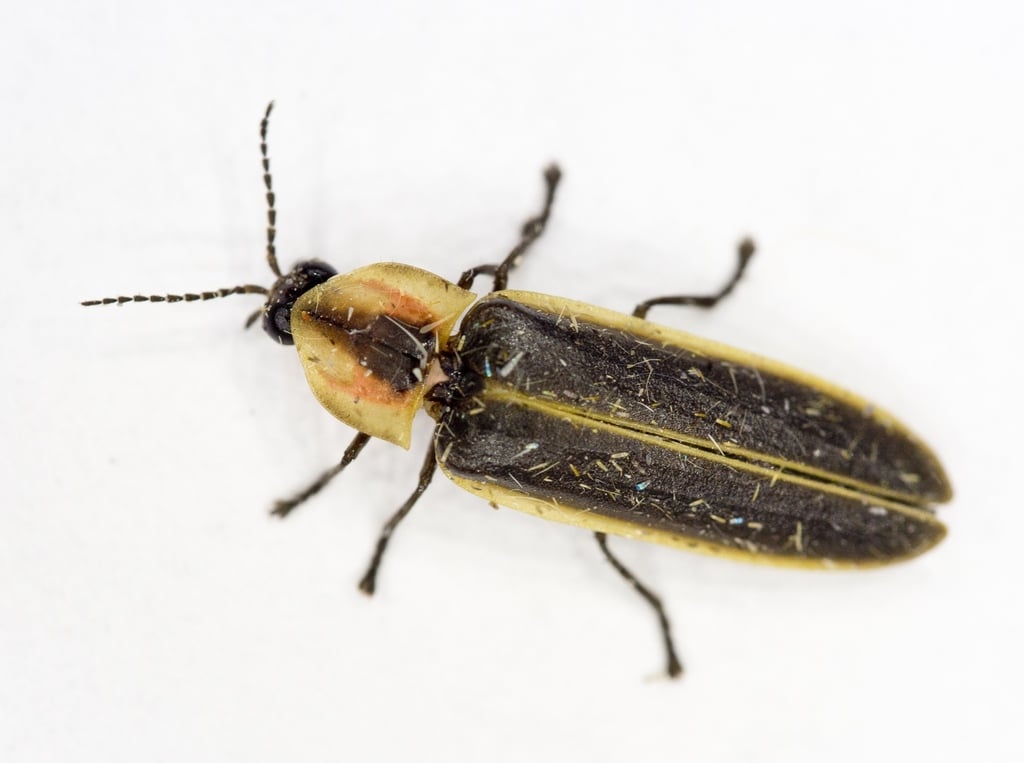
Entomologists have noted a distinct biological divide between eastern and western populations of fireflies. While there are a few species of fireflies that inhabit western states, such as California, they are often non-bioluminescent or possess very subtle light-emitting capabilities that do not result in the dramatic “flashing” displays that tourists expect. In Oregon, these specific western-adapted varieties are rarely sighted by the casual observer.
Exploring the Natural Wonders of the Pacific Northwest
Though the lack of fireflies might be a slight disappointment for those chasing childhood nostalgia, Oregon offers an unparalleled variety of natural phenomena that compensate for the absence of glowing beetles. The state’s ecological diversity, ranging from the rugged cliffs of Cannon Beach to the high-alpine vistas of the Wallowa Mountains, provides a stage for a different kind of nocturnal majesty.
Nocturnal Wildlife and Stargazing
Because Oregon lacks the light pollution found in major metropolitan centers like New York City or Los Angeles, the state has become a premier destination for amateur astronomers and nature photographers. In areas such as the Oregon Outback, the clarity of the night sky allows for breathtaking views of the Milky Way. For visitors who prefer bioluminescence, a trip to the Oregon Coast during the late summer months may reveal the presence of bioluminescent plankton, which causes the breaking waves to glow with a neon-blue hue—a rare spectacle that serves as a stunning alternative to terrestrial fireflies.
The Ecology of Oregon’s Temperate Forests
The forests surrounding Portland and the Willamette Valley are teeming with other forms of nocturnal life. Instead of watching for flashing beetles, many visitors find joy in observing the diverse owl populations, bats, and other crepuscular creatures that emerge as the sun sets over the Columbia River Gorge.
Navigating the Myths of Regional Wildlife
There are occasionally anecdotal reports from residents or travelers who believe they have spotted fireflies in Oregon. In almost every documented case, these sightings have been attributed to one of two things: mistaken identity or localized, non-native anomalies.
Mistaken Identity
Many insects in the Pacific Northwest can mimic the movement of a firefly under the right lighting conditions. Small moths, or even certain species of beetles that reflect light from a nearby campfire or porch light, can deceive the human eye. Furthermore, there are glow-worms—a related family of beetles—that live in various parts of the Western United States. While these larvae can emit light, they do not possess the aerial flashing behavior of the fireflies found in Pennsylvania or Tennessee.
The Role of Climate Change
While current ecological data suggests that native fireflies are not established in Oregon, scientists are closely monitoring how changing global temperatures might influence the range of various insect species. As the climate shifts, some species are slowly migrating to cooler northern latitudes, though there is currently no evidence that Lampyridae are successfully colonizing the Willamette Valley or the high plateau of Bend.
Planning Your Trip to Oregon
For travelers coming from states where fireflies are abundant, the absence of these beetles should not deter you from exploring the wilderness of Oregon. The state offers an immersive outdoor experience that highlights the rugged beauty of the American West.
When to Visit
If you are hoping to experience the best of the Oregon night sky, plan your trip for the late summer, particularly in August or September. During this time, the weather is stable, the skies are generally free of clouds, and the Perseid meteor shower often provides a spectacular show for those camping in the Alvord Desert.

Essential Tips for Nature Enthusiasts
- Embrace the Dark: Bring a high-quality telescope or binoculars, as the stargazing opportunities in Eastern Oregon are among the best in the United States.
- Coastal Bioluminescence: Check with local environmental agencies regarding “red tide” or bioluminescent algae bloom reports along the Pacific Ocean shoreline. These occurrences can transform a simple walk on the beach into a magical light show.
- Stay in Local Lodges: Many of the historic lodges, such as the Timberline Lodge on the slopes of Mount Hood, offer guided evening walks that focus on the unique nocturnal flora and fauna of the region, providing a rich educational experience that replaces the need for common insect spotting.
Ultimately, while the fireflies of the east remain a charming symbol of summer elsewhere, Oregon possesses a different kind of quiet enchantment. The absence of these glowing visitors allows the traveler to focus on the vast, untamed horizons, the brilliance of the galactic core, and the unique, subtle wonders of the Pacific Northwest. Whether you are exploring the deep caves of the Oregon Caves National Monument or trekking the high trails of Three Sisters Wilderness, the state offers a profound connection to the natural world that doesn’t require a single blink of light to be truly memorable.
LifeOutOfTheBox is a participant in the Amazon Services LLC Associates Program, an affiliate advertising program designed to provide a means for sites to earn advertising fees by advertising and linking to Amazon.com. Amazon, the Amazon logo, AmazonSupply, and the AmazonSupply logo are trademarks of Amazon.com, Inc. or its affiliates. As an Amazon Associate we earn affiliate commissions from qualifying purchases.