
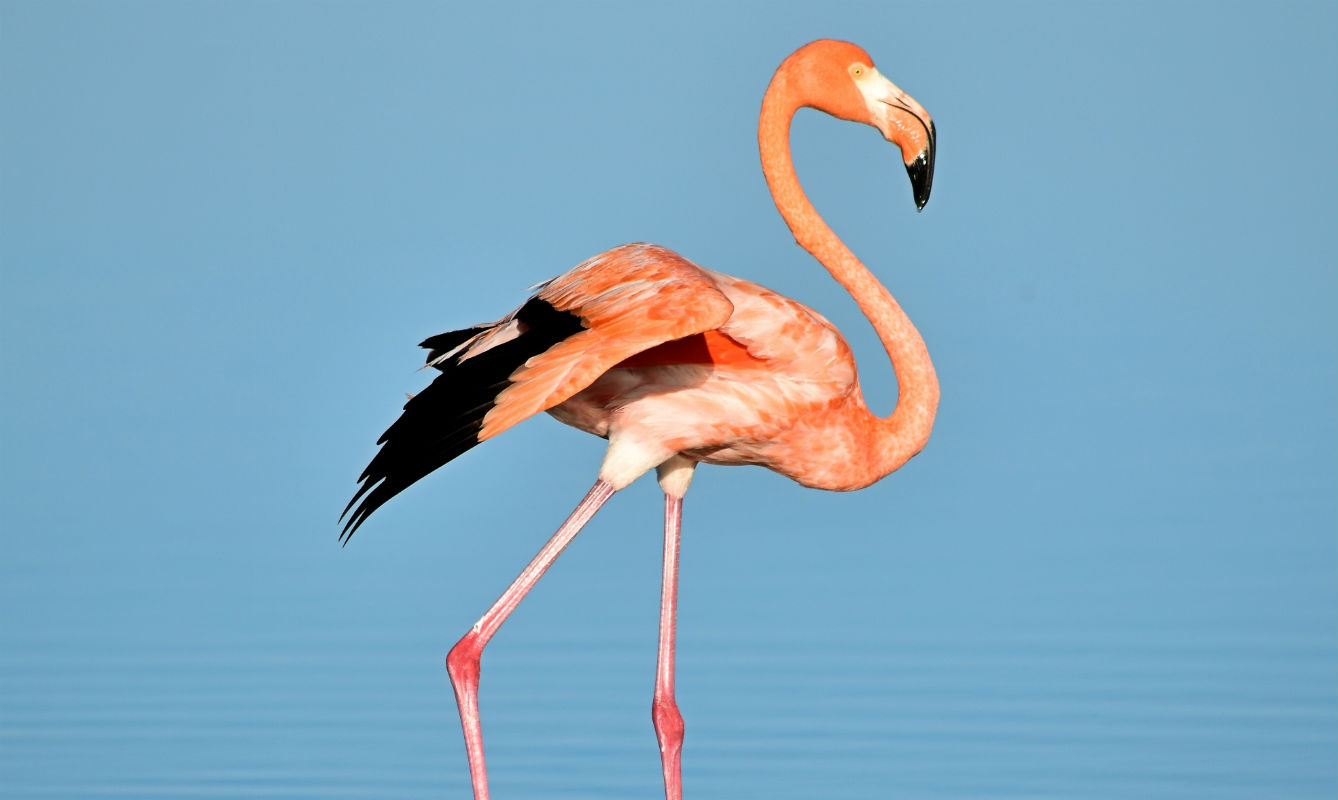
The image of a vibrant, coral-pink flamingo standing gracefully in shallow turquoise waters has long been synonymous with the tropical allure of Florida. For many, these elegant birds are an iconic symbol of the Sunshine State, often appearing on postcards and promotional materials. Yet, the answer to the seemingly simple question, “Are there flamingos in Florida?” is far more nuanced and historically complex than one might initially assume. While the state once boasted a robust native population, these magnificent creatures faced a dire period of near-extinction. Today, however, a fascinating resurgence is underway, drawing the attention of conservationists, birdwatchers, and travelers alike, eager to witness this comeback story firsthand.

This article delves into the captivating history of flamingos in Florida, exploring their past presence, their dramatic disappearance, and the exciting factors contributing to their current return. We’ll guide you through the best places to potentially spot these elusive beauties, from well-known sanctuaries to remote national parks, and offer insights into planning a trip that combines flamingo viewing with the myriad other attractions that make Florida an unparalleled travel destination. Whether you’re a dedicated birder or a casual tourist, understanding the journey of the American Flamingo in Florida adds a rich layer to any visit to this diverse and dynamic state.
The Curious Case of Florida’s Flamingos: A Historical Perspective
The narrative of the American Flamingo (Phoenicopterus ruber) in Florida is a poignant tale of ecological fluctuation, human impact, and the resilience of nature. For centuries, these majestic birds were an integral part of Florida’s unique wetland ecosystems, their striking color a natural complement to the state’s vibrant landscapes.
From Abundance to Near Extinction
Historical records and archaeological evidence suggest that large flocks of American Flamingos once thrived across South Florida, particularly in the vast, shallow wetlands of the Everglades and along the coastal regions of the Florida Keys. Early explorers and settlers documented their impressive presence, painting a picture of a flourishing avian population. However, the late 19th and early 20th centuries brought a devastating turn for these birds. The burgeoning fashion industry developed an insatiable demand for exotic feathers, which were prized for adorning women’s hats. Flamingos, with their spectacularly colored plumes, became a prime target for plume hunters. Unrestricted hunting, coupled with habitat destruction due to agricultural expansion and drainage projects, rapidly decimated the native flamingo population. By the mid-20th century, the American Flamingo was largely considered extirpated from Florida’s wild, with only rare, sporadic sightings reported.
For decades, a significant debate simmered among ornithologists and conservationists: were the occasional flamingos seen in Florida truly wild natives, or were they escapees from captive collections, or perhaps vagrants blown in from populations in the Caribbean? The consensus often leaned towards the latter, reinforcing the idea that wild flamingos were no longer a true part of Florida’s natural heritage. This perception, while understandable given the historical decimation, inadvertently delayed focused conservation efforts for a potential native return. However, recent scientific studies, employing techniques like stable isotope analysis of historical specimens, have largely settled this debate. The evidence overwhelmingly indicates that a substantial native population of American Flamingos did indeed exist in Florida before the hunting frenzy, confirming their rightful place as an indigenous species.
The Recent Resurgence and What’s Driving It
Against this backdrop of historical loss, the last decade has witnessed a remarkable and encouraging shift. Sightings of wild flamingos in Florida have become increasingly frequent and widespread, signaling a genuine resurgence of the species. This comeback is not attributable to a single factor but rather a confluence of environmental shifts and conservation triumphs.
One of the most significant recent events contributing to this influx was Hurricane Idalia in August 2023. This powerful storm, which made landfall in the Florida Panhandle, played an unexpected role in dispersing large numbers of flamingos from their established populations in the Yucatan Peninsula of Mexico and Cuba. Blown off course by the hurricane’s winds, flocks of these majestic birds were spotted in unprecedented numbers across various parts of Florida, including areas where they hadn’t been seen in decades. While some of these birds may eventually return to their original colonies, many have lingered, exploring new habitats and potentially establishing new foraging grounds.
Beyond the immediate impact of hurricanes, longer-term environmental changes are also at play. Climate change, with its effects on sea levels and habitat availability in the wider Caribbean region, may be influencing flamingo migration patterns and pushing them northward. Changes in water management practices within Florida, aimed at restoring natural hydrological flows in wetlands like the Everglades, could also be creating more hospitable conditions and increasing food availability.
Crucially, ongoing conservation efforts throughout the Caribbean and Florida have also played a vital role. Increased awareness, protected breeding grounds in neighboring countries, and stricter regulations against hunting have allowed existing populations to stabilize and grow, making outward expansion more likely. The returning flamingos are a testament to nature’s resilience and a beacon of hope for Florida’s unique biodiversity. For travelers, this means an exciting new dimension to the state’s already rich wildlife viewing opportunities.
Where to Spot the Elusive American Flamingo in Florida
For those hoping to catch a glimpse of Florida’s iconic pink residents, understanding where to look and what to expect is key. While guaranteed sightings in the wild remain challenging due to their nomadic nature, certain locations offer a higher probability, blending natural beauty with unique visitor experiences.
Guaranteed Sightings: Hialeah Park Racing & Casino
If your primary goal is to see flamingos without leaving it to chance, Hialeah Park Racing & Casino in Hialeah, just outside Miami, is your best bet. This historic landmark, established in 1925, is not just famous for its horse racing track and elegant architecture; it’s also home to a well-established, captive-bred flock of American Flamingos.
The flock at Hialeah Park is renowned for being one of the largest and “pinkest” in the country, thanks to their carefully managed diet which provides the necessary carotenoids for their vibrant plumage. These birds roam freely within a designated, protected area of the park, offering fantastic photo opportunities and a reliable chance to observe their distinctive behaviors up close. Visiting Hialeah Park provides a unique blend of history, architectural splendor, and wildlife viewing, making it an excellent stop for travelers exploring the Miami area. While these birds are not wild in the same sense as those found in national parks, they offer a stunning representation of the species and ensure visitors don’t leave Florida without seeing a flamingo.
Wild Encounters: National Parks and Refuges
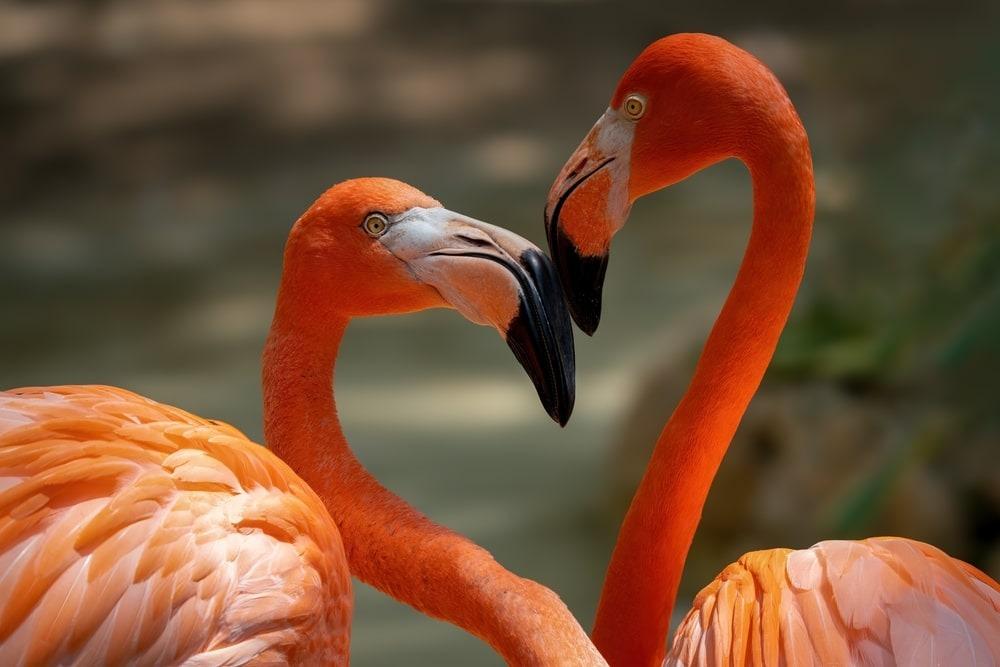
For the more adventurous and patient traveler seeking a truly wild flamingo encounter, Florida’s vast network of national parks and wildlife refuges offers promising, albeit less predictable, opportunities. These areas provide the natural habitats that flamingos historically favored and are currently recolonizing.
- Everglades National Park: As the largest subtropical wilderness in the United States, the Everglades is a prime candidate for wild flamingo sightings. The southern tip of the park, particularly around the remote Flamingo visitor area and along the Florida Bay coastline, is where most sightings have historically occurred. While it’s more common to see other wading birds like roseate spoonbills, white ibises, and various herons here, the recent increase in flamingo numbers makes it a more viable location than ever before. Accessing the Flamingo area typically involves a scenic drive or boat tour, offering a comprehensive Everglades experience whether you spot a flamingo or not. Keep your binoculars ready and an eye on the distant mudflats and shallow waters.
- Dry Tortugas National Park: Located nearly 70 miles west of Key West in the Florida Keys, Dry Tortugas National Park is one of the most remote national parks in the United States and a true gem for wildlife enthusiasts. This cluster of seven small islands, accessible primarily by ferry or seaplane, is a crucial stopover for migratory birds and offers pristine marine environments. While challenging to reach, the remote, undisturbed nature of the Dry Tortugas often makes it a more likely spot for rare bird sightings, including flamingos, especially during migration periods. The isolation means less human disturbance, providing ideal conditions for these shy birds.
- Florida Keys: Beyond Dry Tortugas, sporadic sightings have been reported throughout the archipelago of the Florida Keys, particularly in the shallow flats and mangrove areas. These sightings often coincide with migratory movements or after storm events, as birds are blown off course. Exploring lesser-known state parks, kayaking through mangroves, or taking a local eco-tour can increase your chances of an unexpected encounter.
- St. Marks National Wildlife Refuge: Surprisingly, the Florida Panhandle has also seen an increase in flamingo sightings, particularly at St. Marks National Wildlife Refuge near Tallahassee. This expansive refuge, known for its historic lighthouse and diverse birdlife, offers extensive marshlands and tidal flats that provide suitable habitat. While still considered a rare occurrence in this region, the post-Idalia influx saw flamingos venturing further north, highlighting the dynamic nature of their recolonization.
Planning Your Flamingo-Focused Expedition
Successfully observing flamingos in the wild requires patience, preparation, and a bit of luck. The best time to visit Florida for birdwatching, including potential flamingo sightings, is generally during the cooler, drier months of winter (November to April). During this period, migratory birds are abundant, and the weather is more pleasant for outdoor exploration. However, the unexpected arrival of flamingos post-hurricane Idalia in late summer/early fall of 2023 demonstrated that opportunities can arise at any time, especially after significant weather events.
When planning your trip, consider these tips:
- Bring Binoculars and a Camera with a Zoom Lens: Flamingos are often shy and prefer to keep their distance, so good optics are essential.
- Go Early or Late: Dawn and dusk are often the most active times for birds and wildlife.
- Consult Local Resources: Check with park rangers, local birding groups, or online forums for recent sightings and the best current locations.
- Consider Guided Tours: Many eco-tour operators in areas like the Everglades or Florida Keys specialize in wildlife viewing and can offer valuable insights and access to prime areas.
- Manage Expectations: While the chances of seeing wild flamingos are increasing, they are still a rare and unpredictable sight. Enjoy the incredible diversity of Florida’s other wildlife and natural beauty, and consider a flamingo sighting a bonus!
Beyond the Birds: Experiencing Florida’s Diverse Offerings
While the quest to spot a flamingo can be a compelling reason to visit Florida, the state offers an unparalleled array of experiences that cater to every type of traveler. From world-famous theme parks to pristine beaches, vibrant cities, and serene natural landscapes, Florida truly is a destination with something for everyone, perfectly aligning with themes of travel, tourism, and lifestyle.
From Thrills to Tranquility: Major Attractions
Florida’s reputation as a global tourism hotspot is largely built on its iconic attractions:
- Theme Parks: For families and thrill-seekers, the magic of Orlando is undeniable. Walt Disney World Resort, with its four theme parks and two water parks, promises enchantment and adventure for all ages. Nearby, Universal Orlando Resort offers immersive cinematic experiences, exhilarating rides, and the beloved Wizarding World of Harry Potter. These resorts provide a complete entertainment experience, often including luxury accommodation options, diverse dining, and extensive shopping.
- Beaches: Beyond the adrenaline, Florida’s coastline boasts some of the world’s most beautiful beaches. From the lively shores of Miami Beach, famous for its Art Deco architecture and vibrant nightlife, to the sugary white sands of Clearwater Beach, consistently ranked among the best in the United States, there’s a perfect stretch of sand for every preference. Visitors can relax, swim, sunbathe, or enjoy various water sports.
- Vibrant Cities: Florida’s cities are melting pots of culture, cuisine, and entertainment. Miami offers a dynamic blend of Latin American influence, cutting-edge art districts like Wynwood, and world-class dining. Orlando extends beyond theme parks, with a thriving downtown scene, shopping outlets, and diverse culinary offerings. Meanwhile, Key West, the southernmost point of the continental United States, charms with its bohemian atmosphere, historic architecture, and legendary sunsets. These urban centers offer a wealth of experiences, from exploring local culture and history to enjoying upscale dining and lively evening entertainment.
Embracing Nature and Adventure
For those whose lifestyle leans towards outdoor adventure and natural beauty, Florida delivers in spades:
- Wildlife Viewing and Eco-Tours: Beyond flamingos, Florida is a paradise for wildlife enthusiasts. Airboat tours through the Everglades offer thrilling encounters with alligators, turtles, and diverse bird species. Kayaking or paddleboarding through mangrove tunnels provides a serene way to observe manatees, dolphins, and countless fish. Organizations like Audubon Florida offer birding trails and information to help travelers explore the state’s rich avian diversity.
- Water Sports and Exploration: With thousands of miles of coastline and countless freshwater springs, Florida is a mecca for water activities. Snorkeling and diving in the Florida Keys National Marine Sanctuary reveal vibrant coral reefs teeming with marine life. Fishing charters depart daily from coastal towns, offering opportunities to catch tarpon, snapper, and more. For a unique experience, swimming or tubing in Florida’s crystal-clear natural springs, such as those found at Weeki Wachee Springs State Park, provides a refreshing escape.
- Exploring Unique Ecosystems: Florida is home to several distinct ecosystems beyond the Everglades, including vast pine flatwoods, ancient cypress swamps, and pristine barrier islands. Hiking and biking trails crisscross state parks and forests, inviting visitors to immerse themselves in the state’s diverse natural heritage.
Accommodation and Lifestyle in the Sunshine State
Florida’s robust tourism infrastructure means travelers can find accommodation to suit any preference or budget, from luxurious resorts to charming boutique hotels and practical apartments:
- Luxury Travel: For those seeking an upscale experience, Florida boasts a plethora of five-star resorts, particularly in areas like Palm Beach, Naples, and South Beach Miami. These properties often feature world-class spas, gourmet dining, private beach access, and exceptional amenities. Private villas and exclusive condominiums are also available for those desiring more privacy and personalized service.
- Budget-Friendly Options: Travelers on a budget will find ample choices, including well-known hotel chains, independent motels, and a wide selection of vacation rentals. Many cities offer hostels and guesthouses, especially popular in destinations like Key West.
- Family-Friendly Stays: Resorts and hotels catering specifically to families are abundant, particularly near theme parks. These often include kid-friendly pools, activity programs, and suites designed to accommodate larger groups.
- Unique Stays: Beyond traditional hotels, Florida offers unique accommodation experiences, from charming bed and breakfasts in historic districts to rustic cabins in state parks, allowing travelers to immerse themselves more deeply in local culture and nature.
Ultimately, a trip to Florida is about curating an experience that aligns with your individual lifestyle and travel goals. Whether you’re chasing the elusive American Flamingo, seeking thrilling adventures, or simply desiring relaxation on a pristine beach, the Sunshine State promises a memorable journey.
The question “Are there flamingos in Florida?” has transformed from a historical enigma to an exciting current reality. The sight of these magnificent pink birds gracing Florida’s wild landscapes once again is a powerful symbol of successful conservation and the enduring magic of the natural world. While encountering a wild flamingo requires patience and a bit of luck, the journey to find them will undoubtedly lead you through some of Florida’s most stunning and diverse environments.
Beyond the allure of the flamingos, Florida remains an unparalleled destination, offering an extraordinary blend of natural beauty, world-class entertainment, vibrant culture, and diverse accommodation options. It’s a place where iconic landmarks stand alongside hidden natural gems, where thrilling theme parks complement serene wilderness areas, and where every traveler can craft their perfect lifestyle experience. So, pack your bags, binoculars, and a sense of adventure – Florida awaits, and its flamingos are slowly, but surely, coming home.
LifeOutOfTheBox is a participant in the Amazon Services LLC Associates Program, an affiliate advertising program designed to provide a means for sites to earn advertising fees by advertising and linking to Amazon.com. Amazon, the Amazon logo, AmazonSupply, and the AmazonSupply logo are trademarks of Amazon.com, Inc. or its affiliates. As an Amazon Associate we earn affiliate commissions from qualifying purchases.