
The allure of the Hawaiian Islands is undeniable, a tropical paradise synonymous with pristine beaches, lush rainforests, and the vibrant spirit of aloha. Travelers flock to Hawaii seeking sun-drenched escapes, luxurious resorts, and unforgettable cultural experiences. But amidst the iconic imagery of Waikiki Beach and the majestic Diamond Head, a curious question might arise for the nature enthusiast: are there flamingos in Hawaii?
While Hawaii is renowned for its unique endemic wildlife, including the Hawaiian Monk Seal and the Nene Goose, the vibrant pink plumage of the flamingo is not a creature typically associated with these volcanic islands. This doesn’t mean, however, that the chances of spotting a flamingo in Hawaii are entirely zero. The answer is more nuanced, involving a blend of natural occurrences, human intervention, and a touch of serendipity. To truly understand the presence, or lack thereof, of flamingos in Hawaii, we need to delve into their natural habitats, explore the possibilities of rare sightings, and consider the environments where they might be found.
The Natural Habitat of the Flamingo
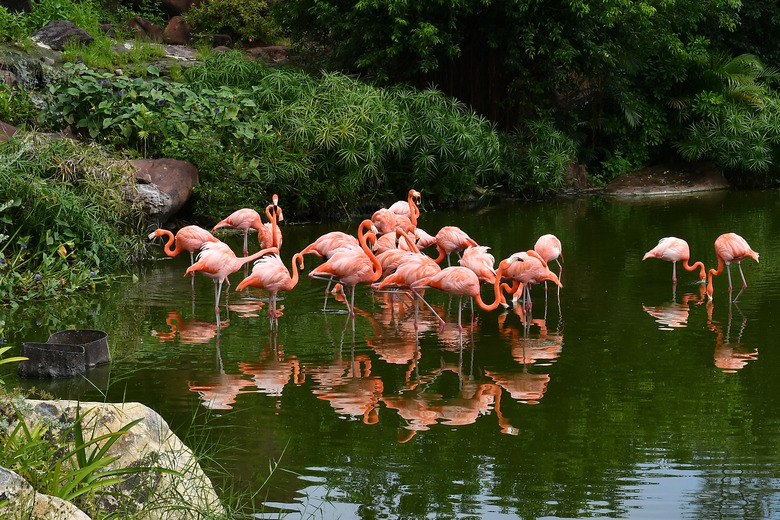
Flamingos are, by nature, social birds that thrive in specific ecological niches. Their iconic pink and red coloration is a direct result of their diet, which consists primarily of brine shrimp and blue-green algae. These microscopic organisms contain carotenoid pigments, the very same ones found in carrots, which are then metabolized by the flamingos, giving them their signature hues. Without access to these specific food sources, a flamingo cannot achieve its characteristic vibrant coloring.
These magnificent birds are predominantly found in large, shallow saline or alkaline lakes, lagoons, and mudflats across various continents. Their global distribution spans parts of Africa, Asia, the Caribbean, and South America. The Greater Flamingo, for instance, is one of the most widespread species, inhabiting areas from the Mediterranean region to India. The American Flamingo is a common sight in parts of the Caribbean, Central America, and the northern coast of South America. Their specialized beaks are perfectly adapted for sifting through mud and water to extract their tiny prey, a feeding method that requires specific water conditions and a rich supply of their dietary staples.
The environmental requirements for flamingos are quite precise. They need extensive shallow water bodies for foraging, along with safe nesting sites, often on small islands or mounds within these wetlands, to protect their eggs and young from predators. The presence of brackish or hypersaline water is crucial, as it often supports the dense populations of brine shrimp and algae that form the cornerstone of their diet. The unique geological formations and climatic conditions of these areas are vital for sustaining flamingo populations.
Flamingos in Hawaii: A Question of Belonging
Given the distinct ecological needs of flamingos and the established biodiversity of the Hawaiian Islands, it’s important to address why they aren’t a native or common resident. Hawaii’s natural environment, while incredibly diverse and unique, doesn’t naturally provide the extensive saline or alkaline wetlands that flamingos require for sustained populations. The islands are characterized by freshwater streams, volcanic craters, dense rainforests, and coastal areas, but not typically the large, shallow, hypersaline lagoons that serve as prime flamingo real estate elsewhere in the world.
The endemic bird species of Hawaii, such as the i’iwi with its scarlet plumage and curved bill, or the Hawaiian Honeycreeper species, have evolved in isolation over millions of years, adapting to the specific flora and fauna of the archipelago. These evolutionary pathways have led to a unique avifauna that is distinct from mainland continents and other island chains. The absence of flamingos in this native evolutionary tapestry is a testament to the specialized environmental conditions that have shaped Hawaii’s wildlife.
However, the question of “are there flamingos in Hawaii?” doesn’t necessarily end with “they are not native.” Occasionally, vagrant birds can be found far from their usual ranges due to storms, unusual weather patterns, or navigational errors. While rare, such occurrences can lead to unexpected sightings in places not typically associated with a species. For flamingos, a stray individual might, in theory, be blown off course during migratory periods or while traversing vast oceanic distances. These instances would be isolated events, not indicative of an established population.
Furthermore, the possibility of flamingos appearing in Hawaii can also be linked to human activities, most notably in zoological settings. Many zoos and wildlife parks around the world feature flamingos as popular exhibits. It is conceivable that such an exhibit could exist within the islands, offering visitors a chance to see these birds up close. Additionally, private collections or rehabilitation centers might house flamingos, though these would be controlled environments rather than wild populations.
Rare Sightings and Accidental Visitors
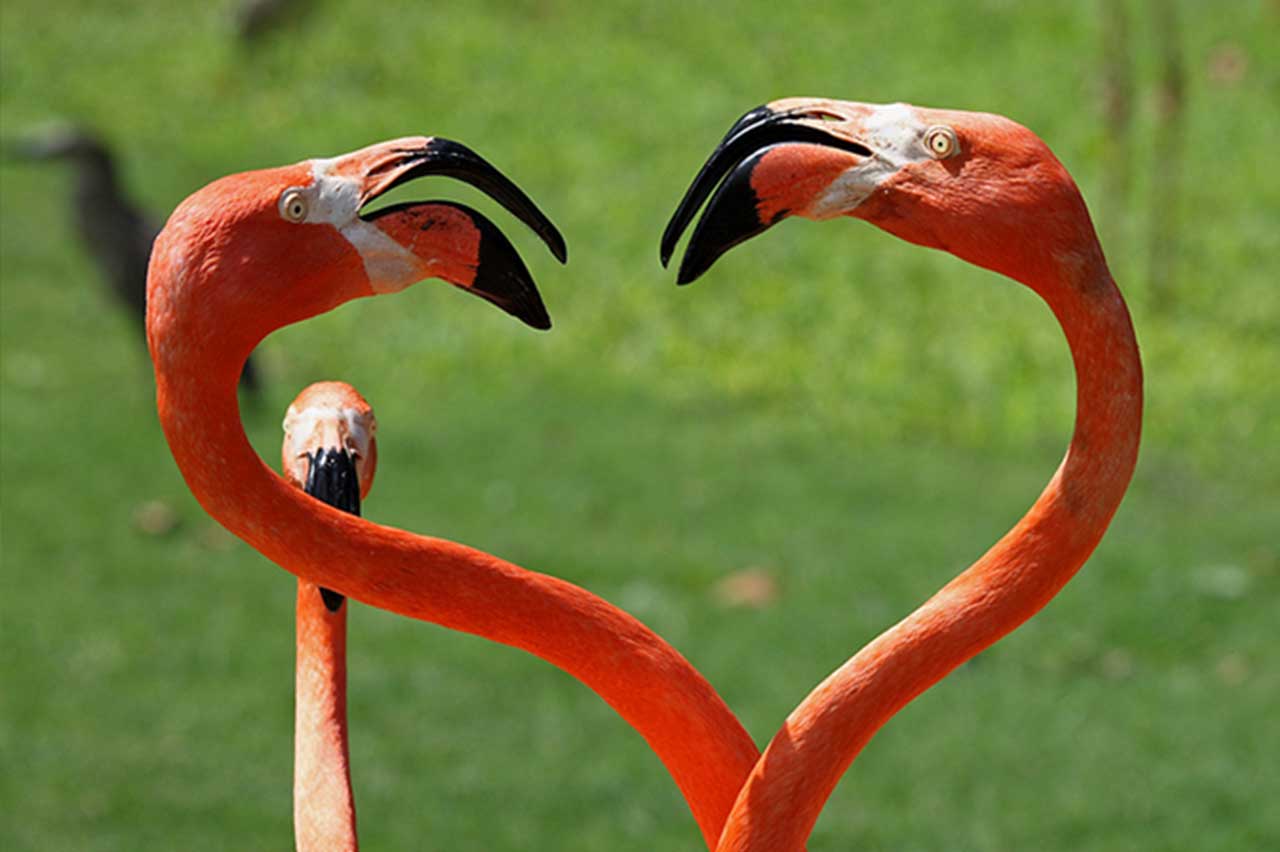
The dream of spotting a flamingo in the wild while on vacation in Hawaii is a romantic one, but it’s crucial to manage expectations. The chances of encountering a wild flamingo in Hawaii are exceedingly slim, bordering on the astronomically improbable for established populations. However, the concept of accidental visitors, or vagrants, is a real phenomenon in ornithology.
Occasionally, birds can be displaced from their usual habitats. Powerful storms, such as hurricanes, can carry birds hundreds or even thousands of miles from their intended destinations. For a bird like a flamingo, which often inhabits coastal wetlands, a severe weather event could potentially push individuals across significant stretches of ocean. These disoriented birds might then find themselves in unfamiliar territories, including the Hawaiian archipelago.
If such an event were to occur, a flamingo might be sighted on one of the islands. These sightings would likely be of a single individual or a very small group, and they would be considered exceptional events. The bird would be far from its usual food sources and may struggle to survive in an environment not suited to its dietary needs. Such a sighting would be a significant event for local birdwatchers and ornithologists, a testament to the unpredictable nature of avian migration and the impact of extreme weather.
Flamingos in Captivity: Zoos and Wildlife Parks
While wild flamingos are not a natural part of the Hawaiian landscape, the opportunity to see these majestic birds does exist for visitors and residents. The most probable place to encounter flamingos in Hawaii is within the confines of a zoo or a dedicated wildlife park. These institutions play a vital role in conservation, education, and providing opportunities for the public to learn about a diverse range of species.
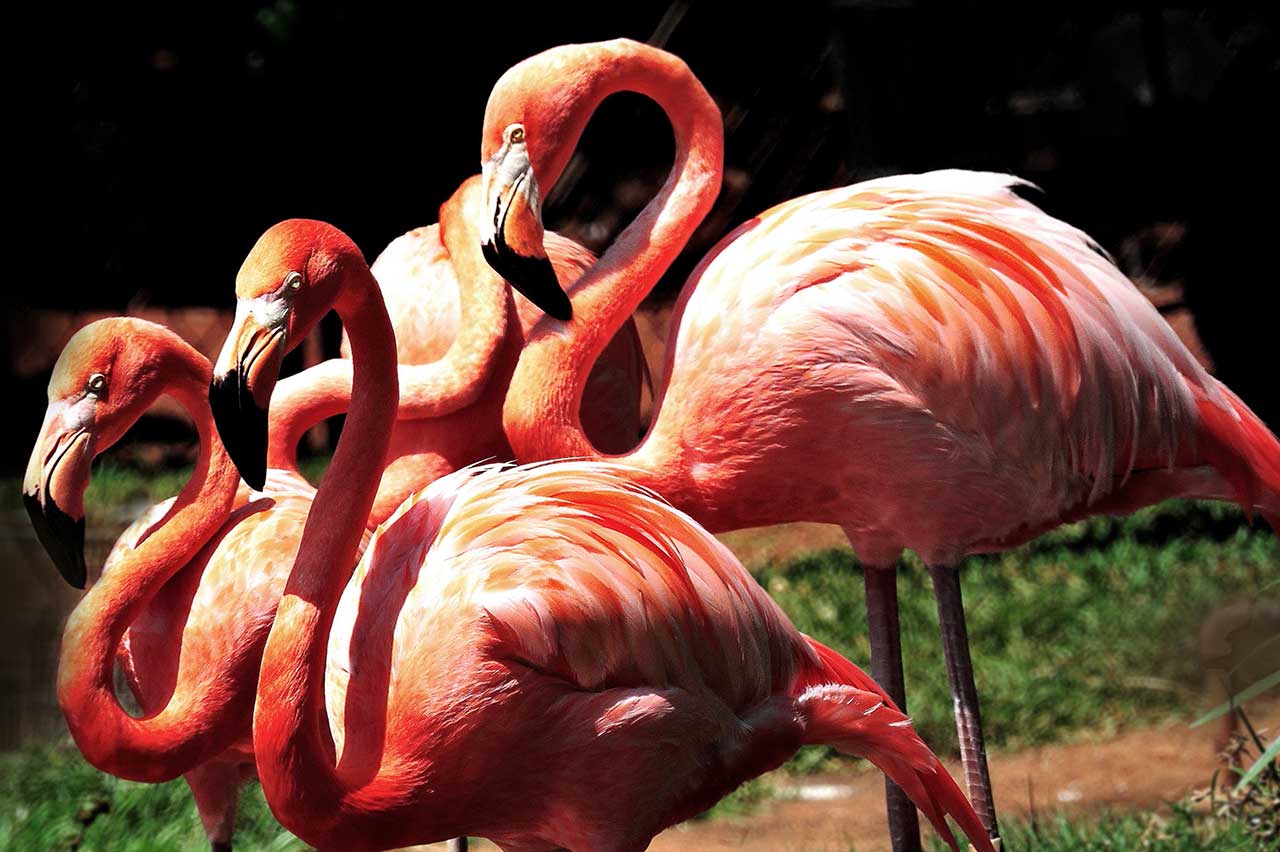
Several renowned zoological facilities are located in Hawaii, offering a glimpse into the world’s fauna. For instance, the Honolulu Zoo on Oahu is a popular attraction, housing a wide array of animals. It is not uncommon for zoos of this caliber to feature a variety of flamingo species as part of their exhibits, allowing visitors to admire their distinct colors and graceful forms. These captive populations are managed carefully, with dedicated habitats designed to mimic their natural environments as closely as possible, including providing appropriate food and water to maintain their health and vibrant coloring.
Similarly, wildlife sanctuaries and conservation centers across the islands might also have flamingos, either as part of rescue and rehabilitation efforts or as permanent residents. These facilities often serve an educational purpose, highlighting the importance of biodiversity and conservation for all species, whether native or exotic. Therefore, while you might not stumble upon a flock of wild flamingos wading in a Hawaiian lagoon, a visit to a local zoo or wildlife park offers a reliable and enjoyable way to experience these remarkable birds.
Conclusion: A Matter of Experience, Not Expectation
In conclusion, the answer to “Are there flamingos in Hawaii?” is a nuanced one. While you will not find wild, breeding populations of flamingos naturally inhabiting the Hawaiian Islands due to the lack of suitable saline wetlands and their specific dietary requirements, the possibility of encountering them is not entirely extinguished.
The most likely scenario for seeing flamingos in Hawaii is within the controlled environments of zoological parks and wildlife sanctuaries. These institutions provide safe havens and educational opportunities, allowing visitors to witness the beauty of these birds. For example, the Honolulu Zoo on Oahu is a prime location where you might find flamingos on display. Such sightings are a testament to the efforts of conservationists and the global appeal of these striking creatures.
The remote possibility of a vagrant flamingo arriving in Hawaii as an accidental visitor, perhaps due to severe weather events, is an ornithological curiosity rather than a common occurrence. While exciting for bird enthusiasts, these rare events do not signify a natural presence. Therefore, when planning a trip to Hawaii with the hope of seeing flamingos, it’s advisable to manage expectations and focus on the abundant and unique native wildlife that makes these islands so special, such as the Hawaiian Monk Seal or the various endemic bird species. However, for those eager to lay eyes on these pink wonders, a visit to a local zoo offers a sure bet for an unforgettable encounter.
LifeOutOfTheBox is a participant in the Amazon Services LLC Associates Program, an affiliate advertising program designed to provide a means for sites to earn advertising fees by advertising and linking to Amazon.com. Amazon, the Amazon logo, AmazonSupply, and the AmazonSupply logo are trademarks of Amazon.com, Inc. or its affiliates. As an Amazon Associate we earn affiliate commissions from qualifying purchases.