
Yes, Colorado is home to several glaciers, though they may not be as extensive or dramatic as those found in other mountainous regions of the world. Tucked away in the highest reaches of the Rocky Mountains within the state, these alpine features represent a dwindling legacy of Colorado’s colder past. These are typically small, high-elevation cirque glaciers, remnants of much larger ice sheets that once sculpted the landscape during the Pleistocene epoch. While many permanent snowfields are often mistaken for glaciers, a true glacier is defined by its ability to move under its own weight, a process driven by the accumulation and compaction of snow and ice over many years. This dynamic movement, albeit slow, is what distinguishes them from static snow patches. Colorado’s glaciers are vital natural landmarks, offering insights into glacial processes and serving as critical indicators of climate change, even as their continued existence faces increasing threats from a warming climate.
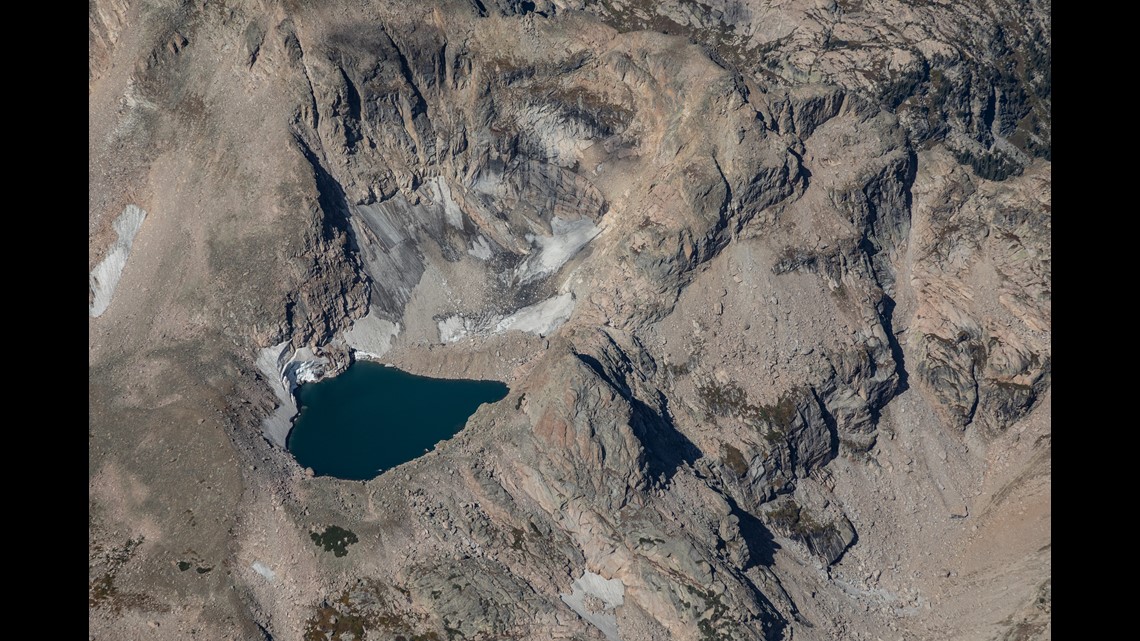
The Alpine Giants of Colorado: A Fading Legacy
Colorado’s glaciers are unique natural landmarks, existing at the southern edge of where such formations are typically found in the United States outside of Alaska. Unlike the vast icefields of the Arctic or the towering valley glaciers of the Pacific Northwest, Colorado’s glaciers are relatively modest in size, typically occupying protected cirques and north-facing slopes above 12,000 feet. They are a testament to the extreme conditions of the high alpine environment, where snowfall is abundant and temperatures remain low enough, even through summer, to allow ice to persist year-round and slowly deform.
Defining Colorado’s Glaciers
To be classified as a true glacier, a mass of ice must demonstrate evidence of current or recent movement, which can be identified through crevasses, moraines, or other geomorphological features. Many permanent snowfields, or “rock glaciers” – masses of rock and ice that move downslope – are often confused with true glaciers. While fascinating in their own right, rock glaciers exhibit different dynamics and are not composed primarily of flowing ice. Colorado’s true glaciers are “cirque glaciers,” named for the bowl-shaped depressions they carve into mountain sides. These glaciers are characterized by their location in sheltered amphitheaters, where snow accumulates and compacts into ice, and where they are somewhat protected from direct sunlight and wind. Their relatively small size makes them particularly vulnerable to climatic shifts, as their mass balance – the difference between ice accumulation and melt – can fluctuate dramatically year to year.
Historical Context and Decline
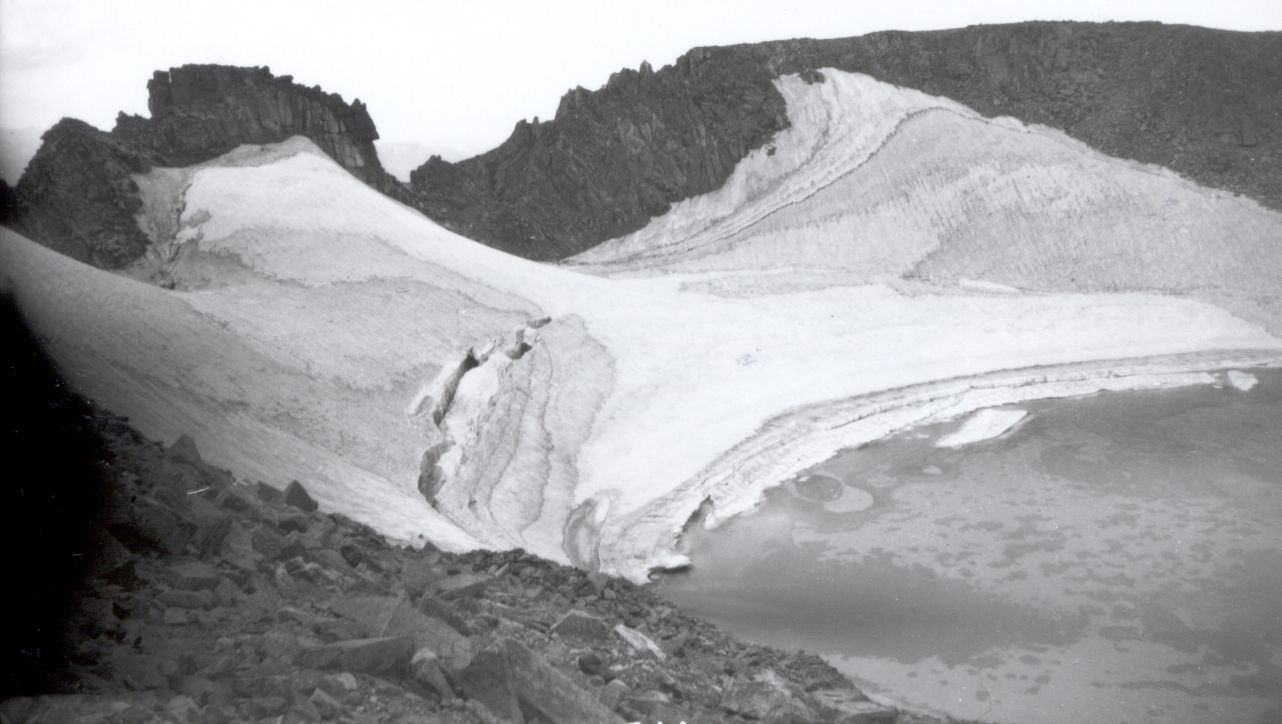
The landscape of Colorado bears the unmistakable marks of extensive glaciation during the Pleistocene Ice Ages, when massive valley glaciers descended from the high peaks, carving out U-shaped valleys, cirques, and moraines that are still prominent features today. Modern Colorado glaciers are merely tiny remnants of this grander past. Over the last century, scientific monitoring has revealed a consistent and alarming trend: nearly all of Colorado’s glaciers are shrinking, both in area and volume. This retreat is largely attributed to rising global temperatures, which lead to increased melt rates in the summer and, in some cases, reduced snowfall in the winter. The rate of retreat has accelerated in recent decades, leading to concerns about the long-term viability of these natural landmarks and the implications for the ecosystems and water resources they support. Many of Colorado’s named glaciers are now mere fractions of their former selves, some having completely disappeared or downgraded to inactive ice patches.
Notable Glacial Formations and Their Locations
Despite their diminishing size, several distinct glaciers remain in Colorado, primarily concentrated in the higher elevations of the Front Range and the Continental Divide. These formations are iconic natural landmarks, each offering a unique perspective on Colorado’s glacial heritage. Their existence is a testament to the state’s extreme alpine environment, where pockets of ice manage to persist against the warming trends.
Glaciers in Rocky Mountain National Park
Rocky Mountain National Park is one of the best places to observe true glaciers in Colorado. The park’s rugged terrain and high peaks provide the necessary conditions for these ice masses to form and persist.
Andrews Glacier
Andrews Glacier is perhaps one of the most well-known and studied glaciers in Rocky Mountain National Park. Located in a cirque between Taylor Peak and Otis Peak, it is a relatively small cirque glacier that has been continuously monitored for decades. It drains into Andrews Creek and eventually into Loch Vale, feeding the subalpine ecosystem below. Hikers can often get views of Andrews Glacier from trails leading towards Andrews Tarn, observing its characteristic crescent shape and evidence of movement, even in late summer. Its health is closely watched as a proxy for the broader climate trends affecting the region.
Taylor Glacier
Situated near Taylor Peak in a dramatic cirque, Taylor Glacier is another significant ice mass within Rocky Mountain National Park. This glacier is accessible via challenging alpine routes and provides stunning views, particularly from the area around Sky Pond. Like Andrews Glacier, it has undergone substantial retreat over the past century, a trend that is clearly visible in the geological record of its moraines and the current extent of the ice. The meltwater from Taylor Glacier contributes to the headwaters of the Big Thompson River, highlighting its ecological importance.
Tyndall Glacier
Found beneath Mount Tyndall, Tyndall Glacier is another example of a true glacier in the park, albeit one that is often covered by seasonal snow for much of the year, making its distinction from a permanent snowfield more challenging for the casual observer. Its remote location adds to its pristine nature, representing a delicate natural landmark high in the Colorado wilderness.
Other Significant Colorado Glaciers

Beyond Rocky Mountain National Park, other areas of the Colorado high country host important glacial formations, each with unique characteristics and environmental significance.
Arapaho Glacier
Located southwest of Boulder in the Indian Peaks Wilderness, Arapaho Glacier holds a particularly special status. It is the largest glacier in Colorado and serves as a primary water source for the City of Boulder’s municipal supply. This direct connection to human settlements underscores its critical importance beyond its value as a natural landmark. Due to its significance, Arapaho Glacier has been extensively studied and is a key site for glaciological research in the United States. Its retreat has serious implications for Boulder’s water future and is a stark reminder of the broader impacts of climate change.
Fair Glacier
Also situated in the Indian Peaks Wilderness, near Mount Albion, Fair Glacier is another example of a persistent ice mass within the Front Range. While smaller than Arapaho Glacier, it contributes to the alpine hydrology of the area and is a testament to the persistent cold environments found at these extreme elevations.
St. Vrain Glacier
Further north in the Indian Peaks Wilderness, the St. Vrain Glacier is another notable landmark. It is positioned in a deep cirque and its meltwaters feed the St. Vrain Creek, an important tributary in the South Platte River basin. These glaciers, though seemingly isolated, are interconnected components of Colorado’s delicate mountain ecosystems.
The Ecological and Hydrological Importance
Colorado’s glaciers, though small, are disproportionately significant natural landmarks, playing a crucial role in the state’s hydrology and ecology. Their presence impacts everything from local water supplies to the survival of unique alpine flora and fauna. As these ice masses continue to recede, their broader implications for the environment become increasingly pronounced.
Water Resources and Ecosystems
Glaciers act as natural reservoirs, storing vast amounts of water in the form of ice and releasing it gradually as meltwater throughout the drier late summer and early fall months. This steady supply of cold, clean water is critical for maintaining stream flows in high-elevation creeks and rivers, many of which are headwaters for major river systems, including the mighty Colorado River. The consistent release of glacial meltwater helps to sustain aquatic ecosystems, providing essential habitat for cold-water fish species and other organisms during periods when other water sources might be scarce. Beyond the immediate water supply, the perpetually cold conditions created by glaciers support unique alpine and nival ecosystems, allowing specialized plant species and invertebrates to thrive in niches that would otherwise be uninhabitable. The distinct microclimates around glaciers foster biodiversity, creating pockets of life adapted to extreme cold and meltwater dependency.
Climate Change and Future Outlook
The current state and rapid retreat of Colorado’s glaciers serve as unequivocal indicators of climate change. Glaciers are inherently sensitive to temperature fluctuations and precipitation patterns, making them excellent barometers for long-term climatic shifts. The accelerated melt observed in recent decades directly correlates with rising global temperatures, underscoring the profound impact of human-induced climate change on these fragile natural landmarks. The implications of their continued disappearance are far-reaching. Hydrologically, the loss of glaciers means a reduction in natural water storage and a change in streamflow patterns, potentially exacerbating droughts and impacting water availability for agriculture, municipalities, and ecosystems downstream. Ecologically, the loss of these cold, wet environments could lead to the extinction of specialized species and a fundamental alteration of alpine ecosystems. Efforts to monitor and study these glaciers are critical, providing invaluable data for understanding climate change and developing strategies for conservation and adaptation in a warming world.
Visiting Colorado’s Glacial Landscapes
While direct access to the glaciers themselves is often discouraged due to safety concerns and the fragile nature of the ice, numerous opportunities exist to view these remarkable natural landmarks from a distance, typically via challenging hiking trails in the high country. Experiencing the glacial landscapes of Colorado offers a profound connection to the state’s geological past and an important perspective on its environmental future.
Accessing Glacial Views
The best way to witness Colorado’s glaciers is through dedicated hikes into the alpine wilderness. In Rocky Mountain National Park, for instance, the Sky Pond Trail offers spectacular views of Taylor Glacier from the cirque containing Sky Pond and Glass Lake. Similarly, the trail leading to Andrews Tarn provides an impressive vantage point for Andrews Glacier. For those hoping to see Arapaho Glacier, the extensive trail system in the Indian Peaks Wilderness offers several routes that provide distant views of this significant ice mass. It’s crucial for visitors to remember that these are high-altitude environments. Proper preparation, including acclimatization, appropriate gear for variable weather conditions, and knowledge of route finding, is essential. Respecting park regulations and practicing Leave No Trace principles ensures the preservation of these fragile natural landmarks for future generations.
Best Times to Witness Remaining Ice
The prime time to observe Colorado’s glaciers is typically during the late summer and early fall (August through September). During these months, the seasonal snowpack has largely melted away, revealing the true extent of the glacial ice and its characteristic blue hues. This period also offers relatively stable weather conditions, although afternoon thunderstorms are always a possibility in the Rocky Mountains. In contrast, visiting earlier in the season (June and July) might find the glaciers still largely covered by winter snow, making them harder to distinguish from permanent snowfields. Conversely, as winter approaches, new snowfall can once again obscure the ice. Witnessing these glaciers in their most exposed state allows for a clearer appreciation of their geological significance and provides a tangible understanding of their retreat over time.
LifeOutOfTheBox is a participant in the Amazon Services LLC Associates Program, an affiliate advertising program designed to provide a means for sites to earn advertising fees by advertising and linking to Amazon.com. Amazon, the Amazon logo, AmazonSupply, and the AmazonSupply logo are trademarks of Amazon.com, Inc. or its affiliates. As an Amazon Associate we earn affiliate commissions from qualifying purchases.