
The allure of the Hawaiian Islands, with their pristine beaches, vibrant coral reefs, and lush volcanic landscapes, draws millions of visitors each year. From the bustling shores of Oahu to the dramatic cliffs of Kauai, and the active volcanoes of the Big Island to the famous surf breaks of Maui, Hawaii offers an unparalleled tropical escape. Travelers flock here for a myriad of experiences, seeking adventure, relaxation, and a deep connection with nature. Whether you’re dreaming of lounging in a luxurious resort, exploring ancient cultural sites, or simply soaking up the sun, Hawaii promises an unforgettable journey. However, for some, a primal curiosity about the ocean’s apex predators also surfaces. The question often arises, particularly for those who envision themselves dipping into the turquoise waters: “Are there great white sharks in Hawaii?”
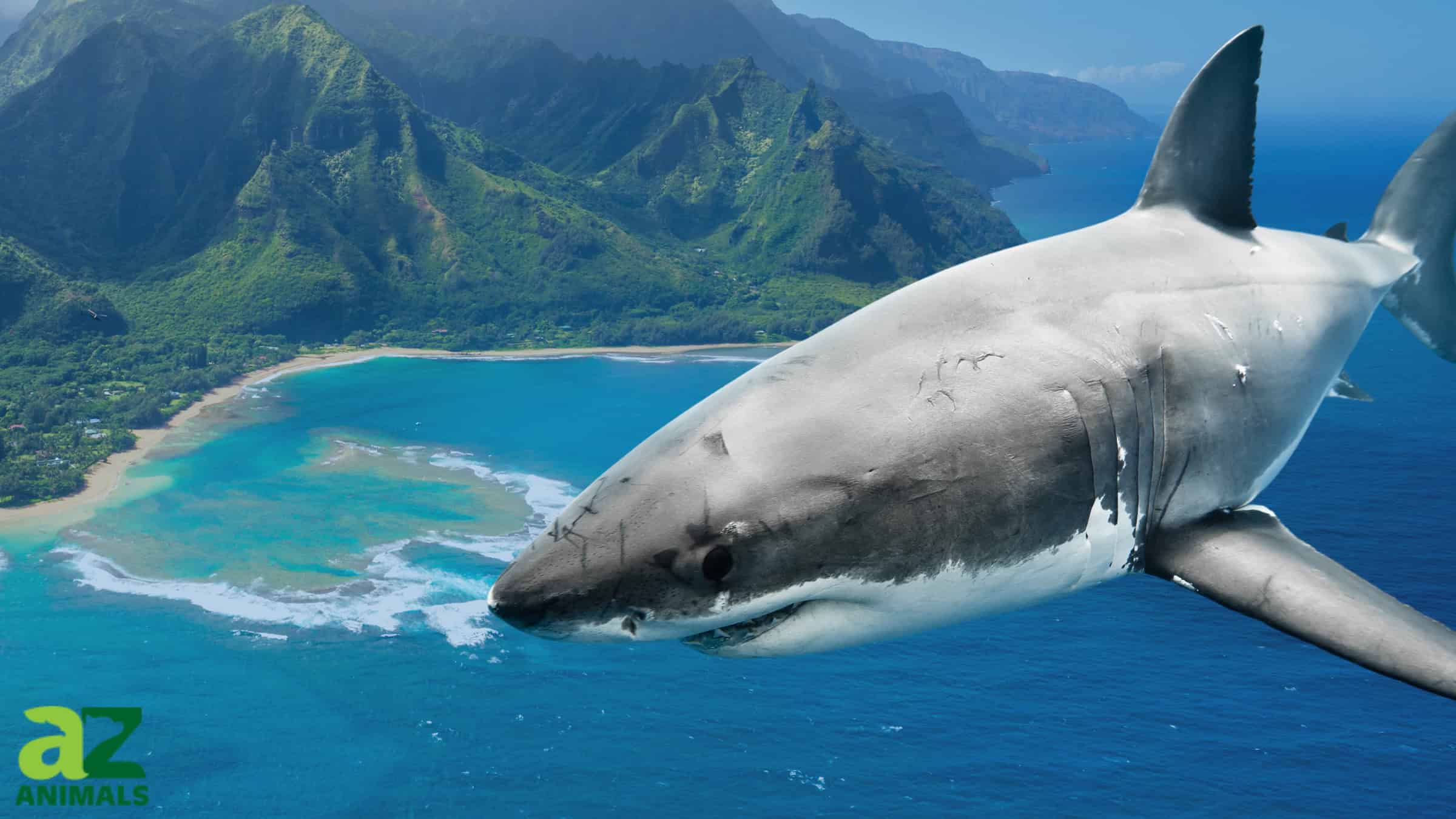
This inquiry, while perhaps tinged with a touch of apprehension, is a natural one when considering a destination renowned for its marine life. The presence of sharks in any ocean environment can spark fascination and concern. Understanding the reality of shark populations, especially large species like the great white, is crucial for informed decision-making, whether you’re planning a dive trip, a surfing excursion, or simply a leisurely swim. This article delves into the presence of great white sharks in Hawaiian waters, dispelling myths and providing a clear, evidence-based perspective to help you enjoy the wonders of the Pacific with peace of mind.
Understanding Shark Encounters in Hawaiian Waters
While Hawaii is celebrated for its breathtaking natural beauty and diverse marine ecosystems, the question of great white sharks often arises from a general awareness of their presence in the Pacific Ocean. It’s important to approach this topic with a balanced perspective, grounded in scientific understanding rather than sensationalized accounts.
The Actual Likelihood of Great White Shark Sightings
Great white sharks are migratory predators, known to travel vast distances across the world’s oceans. Their natural range includes the waters of the North Pacific, which certainly encompasses Hawaii. However, the frequency and nature of their presence in Hawaiian waters are often misunderstood.
Geographic Range and Migration Patterns
Great white sharks have been observed in Hawaiian waters, but these sightings are relatively infrequent, especially when compared to other oceanic regions where they are more commonly found. Their migratory patterns are complex and influenced by factors such as food availability and breeding grounds. While Hawaii lies within their potential range, it is not considered a primary habitat or a consistent aggregation point for large populations of great white sharks. Unlike areas such as South Africa‘s False Bay or California‘s Farallon Islands, where great whites are more readily observed due to abundant prey like seals, Hawaii does not present the same ecological conditions that would draw large numbers of these apex predators.
The warm waters of the central Pacific are not the preferred environment for great white sharks for extended periods. They are more commonly associated with cooler temperate waters. While individuals may pass through Hawaiian waters during their extensive migrations, they are not known to reside there year-round in significant numbers. This distinction is key to understanding the true risk.
Recorded Sightings and Scientific Data
Scientific research and official records of shark sightings in Hawaii generally indicate that great white sharks are rare visitors rather than resident inhabitants. Organizations dedicated to marine research and shark conservation have meticulously documented shark activity. These records consistently show that the species most frequently encountered in Hawaii are tiger sharks, hammerhead sharks, and reef sharks. Great white sharks, when sighted, are typically solitary individuals on transit.
Historical data and ongoing monitoring efforts by institutions like the Hawaii Department of Land and Natural Resources and various marine biology research centers do not point to Hawaii as a hotspot for great white sharks. The narrative of their presence is more often fueled by anecdotal reports or occasional, isolated encounters rather than a consistent ecological presence. This is not to say they are entirely absent, but rather that their presence is sporadic and not a defining characteristic of the Hawaiian marine environment.
Other Shark Species in Hawaii
It’s essential to differentiate the great white shark from the numerous other shark species that inhabit and thrive in the rich waters surrounding the Hawaiian Islands. Understanding the common species provides a more accurate picture of the marine life encountered by swimmers, surfers, and divers.
Common Shark Species and Their Habitats
Hawaii is home to a diverse array of shark species, many of which are far more commonly encountered. Tiger sharks, known for their broad diet and presence in shallow and deep waters alike, are one of the most frequently observed large sharks. Hammerhead sharks, with their distinctive head shape, are also common, particularly in certain areas like Maui. Various species of reef sharks, such as whitetip reef sharks and blacktip reef sharks, are abundant around coral reefs and are generally not a concern for human safety.
These species play vital roles in the Hawaiian marine ecosystem. Their presence is a testament to the health of the ocean and the biodiversity of the islands. Unlike the great white, many of these species are more adapted to the warmer tropical waters and readily found in areas frequented by humans.
Safety and Awareness: Coexisting with Sharks
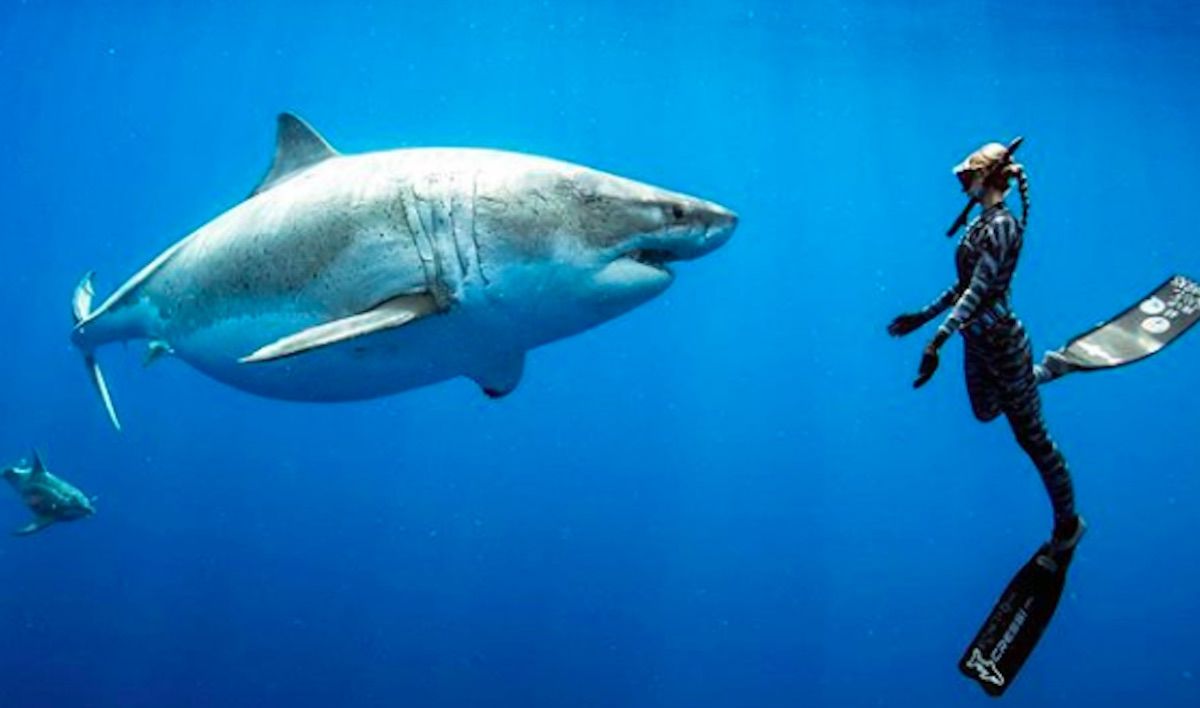
The presence of sharks, in general, is an integral part of the Hawaiian marine environment. Responsible tourism and ocean recreation involve understanding and respecting these animals. Shark encounters, while rare, do occur, and it’s important to be aware of safety protocols.
The majority of shark bites in Hawaii are attributed to tiger sharks, often occurring in areas where they are feeding or where humans may be perceived as prey due to splashing or the presence of bait. By adhering to general ocean safety guidelines – such as avoiding swimming at dawn or dusk, not swimming alone, avoiding areas with fishing activity or known baitfish schools, and refraining from wearing shiny jewelry – the risk of an unwanted encounter can be significantly minimized.
It’s also worth noting that many shark species are crucial for maintaining the balance of the marine food web. Their conservation is as important as the enjoyment of Hawaii‘s beaches and waters. Responsible interaction means appreciating their existence from a safe distance and understanding their role in this magnificent ecosystem.
Exploring the Marine Wonders of Hawaii Safely
The ocean surrounding the Hawaiian Islands is a treasure trove of marine life, offering incredible experiences for snorkelers, divers, and surfers. While the question of great white sharks may linger, focusing on the realities of common species and practicing responsible ocean etiquette ensures a safe and enriching adventure.
Diving and Snorkeling in Hawaiian Waters
Hawaii is a world-renowned destination for underwater exploration. The clear, warm waters provide exceptional visibility, revealing vibrant coral reefs teeming with colorful fish, graceful sea turtles, and a variety of marine mammals. From the famed Molokini Crater off Maui to the Hanauma Bay Nature Preserve on Oahu, countless locations offer unparalleled opportunities for discovery.
Popular Dive Sites and Marine Life
The diverse marine topography supports a rich tapestry of life. Expect to encounter playful bottlenose dolphins, majestic humpback whales during their winter migration, and an astonishing array of reef fish. The underwater landscapes themselves are attractions, from lava tubes and ancient shipwrecks to shallow reefs perfect for beginner snorkelers.
When exploring these areas, it’s common to see reef sharks, which are generally shy and pose little threat. These encounters are often highlights for visitors, offering a glimpse into the natural behavior of these fascinating creatures. Certified dive operators and knowledgeable guides can provide valuable insights into local marine life and safety procedures, ensuring a memorable and secure experience.
Responsible Wildlife Viewing
Respect for marine life is paramount in Hawaii. This includes maintaining a safe distance from all animals, especially sharks, and never attempting to feed them. Understanding their natural behaviors and habitats is key to coexisting peacefully. Many tour operators are committed to ethical wildlife viewing practices, prioritizing the well-being of the animals and the integrity of the ecosystem. By choosing reputable operators and following their guidance, visitors can contribute to the preservation of Hawaii‘s precious marine environment.
Surfing and Water Sports in the Islands
The legendary surf breaks of Hawaii attract wave riders from across the globe. From the beginner-friendly shores of Waikiki on Oahu to the challenging big waves of the North Shore, Hawaii offers something for every level of surfer. Beyond surfing, popular activities include paddleboarding, kayaking, and swimming.
Famous Surf Spots and Conditions
Each island boasts its own unique surf culture and iconic spots. Oahu‘s North Shore is a mecca for experienced surfers during the winter months, known for its powerful waves at breaks like Pipeline and Waimea Bay. Maui offers excellent surfing for all levels, with spots like Ho’okipa Beach Park being popular. Kauai and the Big Island also provide fantastic surfing opportunities, each with its distinct charm and wave characteristics.
Understanding Ocean Hazards
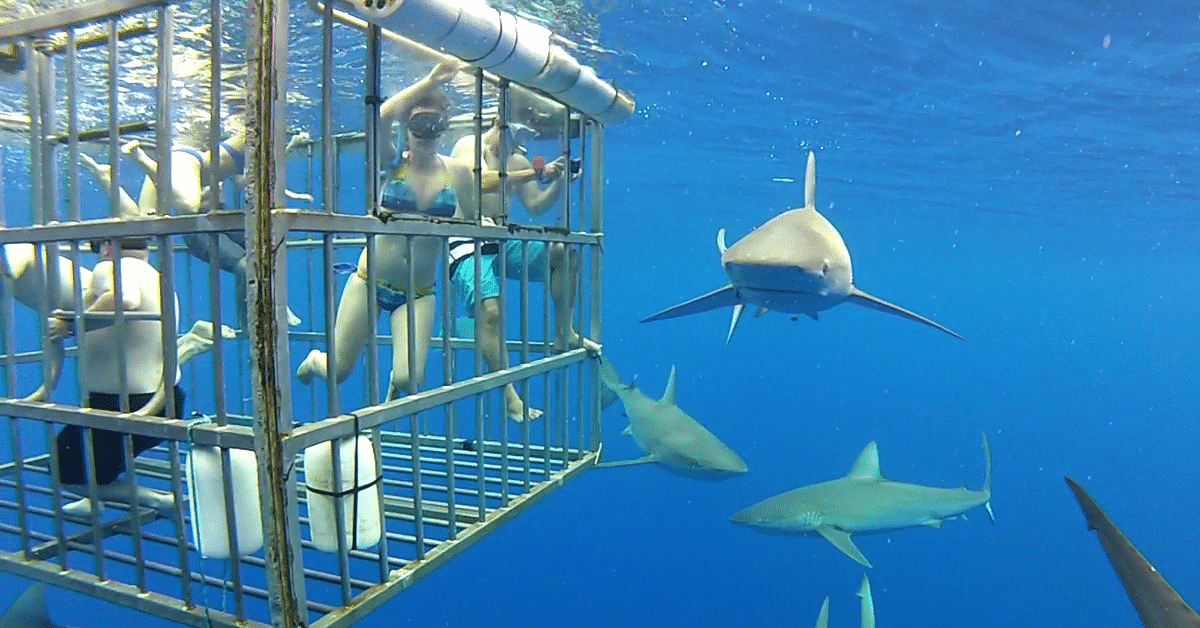
While enjoying the exhilaration of Hawaiian waves, it’s important to be aware of all potential ocean hazards. This includes strong currents, unpredictable wave patterns, and the presence of marine life. Shark encounters, though statistically rare, are a possibility in any ocean environment. Following safety advice, such as surfing in groups, staying aware of your surroundings, and heeding local warnings, is always recommended. The thrill of Hawaiian watersports is best enjoyed with a healthy respect for the power and inhabitants of the ocean.
In conclusion, while great white sharks can be found in the broader Pacific Ocean, their presence in Hawaii is infrequent and they are not considered resident apex predators in the way they are in some other parts of the world. The waters surrounding the Hawaiian Islands are rich with diverse marine life, and with proper awareness and respect for the ocean, visitors can safely enjoy the unparalleled beauty and adventure that Hawaii has to offer, creating memories that will last a lifetime.
LifeOutOfTheBox is a participant in the Amazon Services LLC Associates Program, an affiliate advertising program designed to provide a means for sites to earn advertising fees by advertising and linking to Amazon.com. Amazon, the Amazon logo, AmazonSupply, and the AmazonSupply logo are trademarks of Amazon.com, Inc. or its affiliates. As an Amazon Associate we earn affiliate commissions from qualifying purchases.