
The allure of Hawaii is undeniable. Its turquoise waters, volcanic landscapes, and vibrant local culture draw millions of travelers each year, seeking everything from sun-drenched beach experiences to thrilling adventure activities. For many, the dream vacation involves swimming, snorkeling, or surfing in the warm Pacific Ocean. However, a natural question can arise for the intrepid explorer: with such a rich marine ecosystem, are there any apex predators lurking beneath the waves? Specifically, the iconic and often feared Great White Shark – is it a resident of Hawaiian waters?
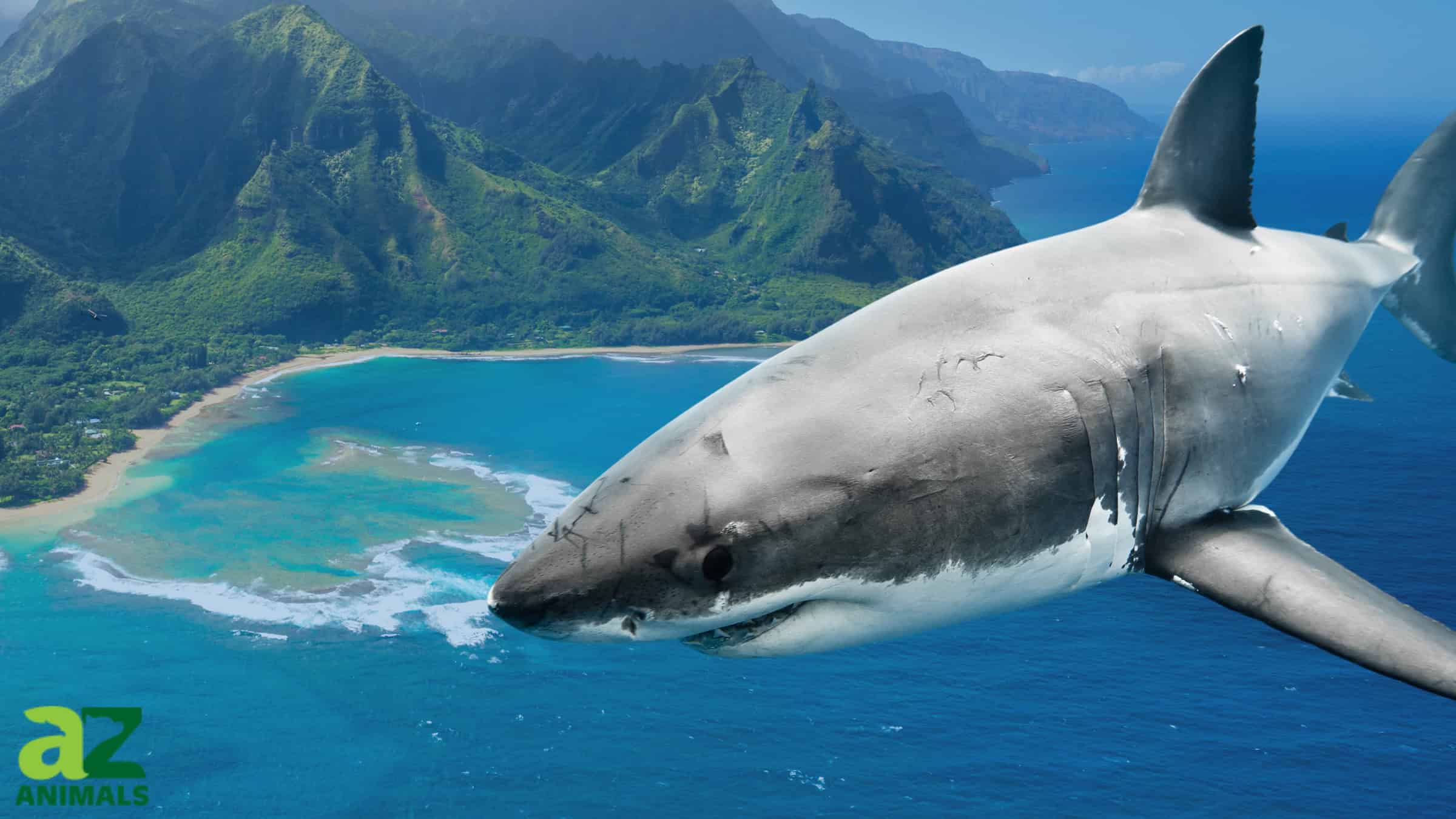
The short answer, supported by scientific consensus and observational data, is that Great White Sharks are not considered a resident species of the Hawaiian Islands. While they are found in temperate waters across the globe, including the eastern Pacific, their presence in Hawaii is exceptionally rare and generally limited to opportunistic, transient visits. This is a significant point for those planning travel to Hawaii, especially for water-based tourism and lifestyle pursuits.
Understanding the Hawaiian Marine Environment and Shark Populations
The marine environment of Hawaii is diverse and teeming with life. While it boasts a rich array of marine fauna, its oceanic temperature, preferred prey, and migration patterns lean away from supporting a consistent population of Great White Sharks.
Preferred Habitats and Diet of Great White Sharks
Great White Sharks are apex predators known for their presence in cooler, temperate waters. Their global distribution often correlates with areas rich in large marine mammals like seals and sea lions, which form a significant portion of their diet. These include coastlines of Australia, South Africa, and parts of the western United States, such as California.
The waters surrounding the Hawaiian Islands, on the other hand, are tropical and generally warmer. While Hawaii does have marine mammal populations, such as Hawaiian Monk Seals and humpback whales (especially during their winter migration), the overall abundance and accessibility of their preferred prey, particularly pinnipeds, are less consistent compared to their prime habitats.
Common Shark Species in Hawaii
Hawaii is home to a variety of shark species, many of which are commonly encountered by swimmers, surfers, and divers. These include:
- Tiger Sharks: Perhaps the most well-known shark species in Hawaii, tiger sharks are large, opportunistic feeders and are responsible for the majority of shark bites in the islands. They are drawn to Hawaii by the abundance of sea turtles, which are a primary food source.
- Reef Sharks: Various species of reef sharks, such as whitetip reef sharks and blacktip reef sharks, are common in shallower waters and around coral reefs. They are generally small and pose little threat to humans.
- Hammerhead Sharks: Several species of hammerhead sharks inhabit Hawaiian waters, often found in deeper offshore areas or along reef edges.
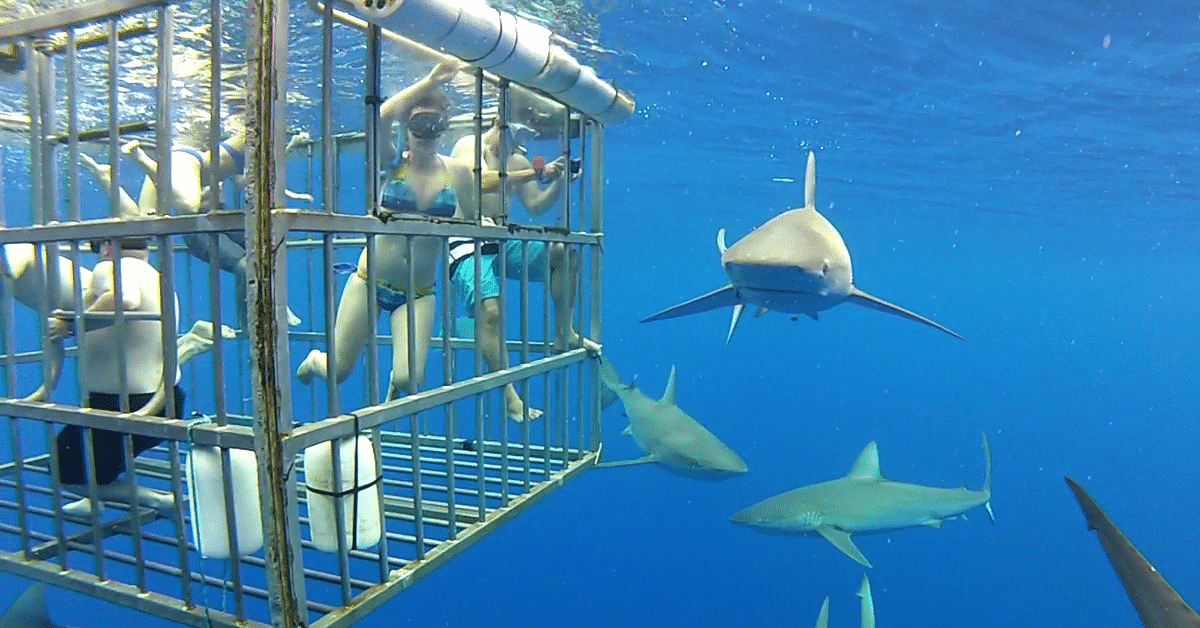
- Galapagos Sharks: These sharks are also relatively common in Hawaii and are often seen near shorelines.
These species are adapted to the tropical environment and thrive in the local ecosystem. The absence of a consistent food source and the warmer temperatures are key factors that limit the presence of Great White Sharks.
Occasional Sightings and Transient Visitors
While not a resident, it is not entirely impossible for a Great White Shark to appear in Hawaiian waters. Scientific data suggests that these visits are rare, opportunistic, and often linked to migration patterns or unusual environmental conditions.
Evidence and Records of Great White Sharks in Hawaii
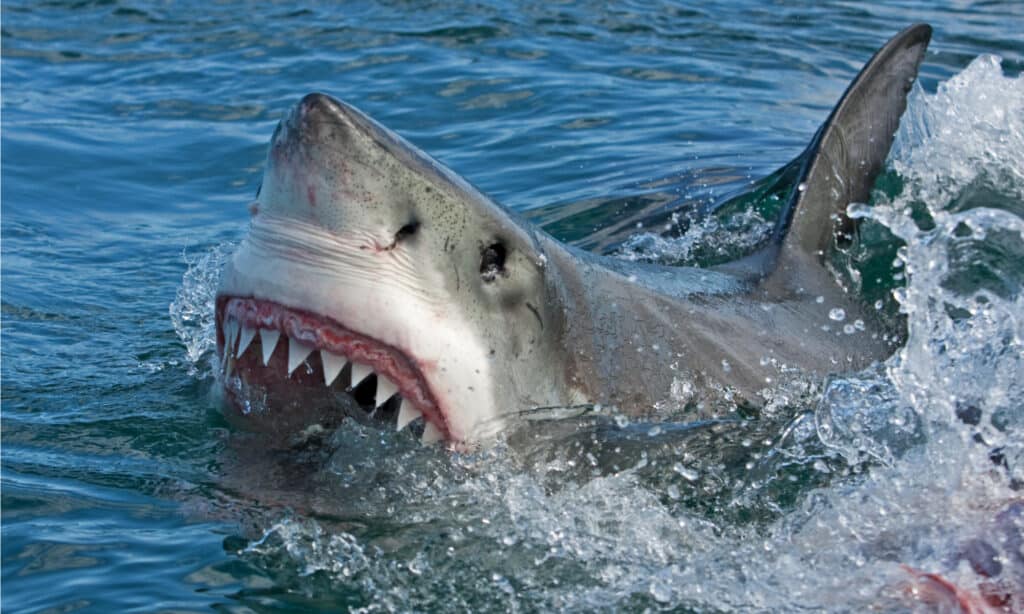
Confirmed sightings of Great White Sharks in Hawaii are few and far between. When they do occur, they are typically solitary individuals. Unlike in places like California where aggregations can be observed at specific feeding grounds, Hawaii lacks such consistent hotspots for this species.
Researchers have occasionally tagged and tracked Great White Sharks undertaking long migrations. It’s within the realm of possibility that an individual, during an extensive journey, might pass through Hawaiian waters. However, these are transient encounters rather than establishing a permanent presence. The vastness of the Pacific Ocean means that many pelagic species travel through various regions without establishing a breeding or feeding colony.
Factors Influencing Transient Appearances
Several factors could theoretically lead to a Great White Shark appearing in Hawaii:
- Migration Pathways: As mentioned, some Great White Sharks undertake extensive migrations. It’s conceivable that an individual following a broad migratory route might incidentally pass through Hawaiian waters.
- Food Availability: While not their primary habitat, an unusual abundance of a preferred prey item, or a shift in prey distribution due to environmental changes, could temporarily attract a shark.
- Oceanographic Conditions: Changes in ocean currents or temperatures could influence the distribution of marine life, potentially drawing a shark into unfamiliar territory.
It is important to reiterate that these are speculative or exceptional circumstances. The established ecological understanding of Great White Sharks and the marine environment of Hawaii does not support the notion of them being a common or resident species.
Safety and Responsible Tourism in Hawaiian Waters
Understanding the local marine life is crucial for a safe and enjoyable experience in Hawaii. While the risk of encountering a Great White Shark is exceedingly low, general safety precautions are always recommended for any water activity.
Understanding Shark Behavior and Bite Statistics
The most commonly encountered sharks in Hawaii are not Great Whites, but rather species like the tiger shark. While shark bites can and do occur in Hawaii, they are statistically rare when considering the millions of people who enter the water each year for activities like surfing, snorkeling, and swimming.
The vast majority of shark species in Hawaii are not dangerous to humans and actively avoid them. When bites do happen, they are often attributed to mistaken identity by the shark, particularly tiger sharks which may mistake a surfer’s limbs for prey. Understanding this context helps to alleviate undue fear.
Best Practices for Water Safety in Hawaii
For visitors enjoying Hawaii’s stunning coastlines and engaging in water sports, adopting responsible practices is key:
- Heed Warning Signs: Always pay attention to any posted signs or lifeguard warnings at beaches. These are put in place for your safety.
- Avoid Swimming at Dawn and Dusk: These are peak feeding times for many shark species, so it’s advisable to limit water activities during these periods.
- Stay in Groups: Sharks are more likely to approach a lone individual. Swimming or surfing with others can deter potential encounters.
- Avoid Murky Waters: Sharks often hunt in low visibility conditions. If the water is murky, it’s best to stay out.
- Don’t Swim Near Fishing Activity: Areas where fishing is taking place, especially with bait or discarded fish parts, can attract sharks.
- Avoid Wearing Shiny Jewelry: The glint of jewelry can sometimes resemble the scales of fish, potentially attracting curious sharks.
- Respect Marine Life: Never feed sharks or other marine animals. This can disrupt their natural feeding behaviors and make them more accustomed to humans.
When considering accommodation and hotel options, many resorts and hotels are located on prime beachfront properties. They often provide up-to-date information on local beach conditions and safety advisories, which can be an invaluable resource for travelers. For those interested in learning more about marine life, many tours and educational programs focus on the diverse and fascinating ecosystem of Hawaii, offering insights without posing undue risk.
In conclusion, while Hawaii is indeed a paradise for ocean lovers, the concern about Great White Sharks is largely unfounded. The islands’ tropical climate and marine ecosystem favor other shark species. By understanding the local marine environment and practicing responsible water safety, visitors can fully immerse themselves in the breathtaking beauty and exhilarating experiences that Hawaii has to offer, with peace of mind about its most formidable finned inhabitants.
LifeOutOfTheBox is a participant in the Amazon Services LLC Associates Program, an affiliate advertising program designed to provide a means for sites to earn advertising fees by advertising and linking to Amazon.com. Amazon, the Amazon logo, AmazonSupply, and the AmazonSupply logo are trademarks of Amazon.com, Inc. or its affiliates. As an Amazon Associate we earn affiliate commissions from qualifying purchases.