
The vast, rugged landscapes of Colorado evoke images of towering peaks, pristine forests, and a vibrant tapestry of wildlife. It’s a land where the spirit of the American West still breathes, attracting millions of travelers eager to immerse themselves in nature’s grandeur. For those planning a wilderness adventure, a common, intriguing question often arises: “Are there grizzly bears in Colorado?” This query taps into a deep fascination with one of North America’s most iconic and formidable creatures. While Colorado’s wilderness is undeniably rich with biodiversity, the story of the grizzly bear here is one of history, myth, and a contemporary absence that shapes the state’s unique outdoor experience.
Understanding the presence, or lack thereof, of grizzlies in Colorado is essential for any responsible traveler, whether you’re embarking on a challenging hike, planning a serene camping trip, or simply hoping to catch a glimpse of the state’s magnificent wildlife. From the snow-capped summits of the Rocky Mountains to the sprawling forests, Colorado offers an unparalleled backdrop for adventure and discovery. As we delve into the answer, we’ll explore the historical context of these magnificent animals, clarify the difference between Colorado’s current bear residents and their powerful cousins, and provide vital insights for anyone seeking to enjoy the state’s natural beauty safely and respectfully. This comprehensive guide aims to equip you with the knowledge needed to fully appreciate the wild heart of Colorado, ensuring your journey is as informed as it is unforgettable.
The Fading Roar: A Historical Perspective
The question of grizzly bears in Colorado is not simply a matter of present-day sightings but delves into a rich and poignant history that tells a tale of coexistence, conflict, and ultimately, disappearance. Historically, grizzly bears (Ursus arctos horribilis) were indeed majestic inhabitants of Colorado’s expansive wilderness. Their historical range stretched across much of western North America, extending down through the Rocky Mountains and into the diverse ecosystems of Colorado. These powerful omnivores played a crucial role in maintaining the ecological balance of these wild lands, acting as apex predators and ecosystem engineers.
Colorado’s Last Grizzlies
For centuries, grizzly bears roamed the rugged peaks and valleys that today define Colorado’s most iconic landscapes. Early explorers, trappers, and settlers frequently encountered these formidable animals, often with a mix of awe and trepidation. However, as human populations expanded and agricultural and ranching activities intensified throughout the 19th and early 20th centuries, the pressure on grizzly populations mounted significantly. Habitat loss, coupled with extensive hunting and predator control programs, led to a rapid decline in their numbers across the contiguous United States.
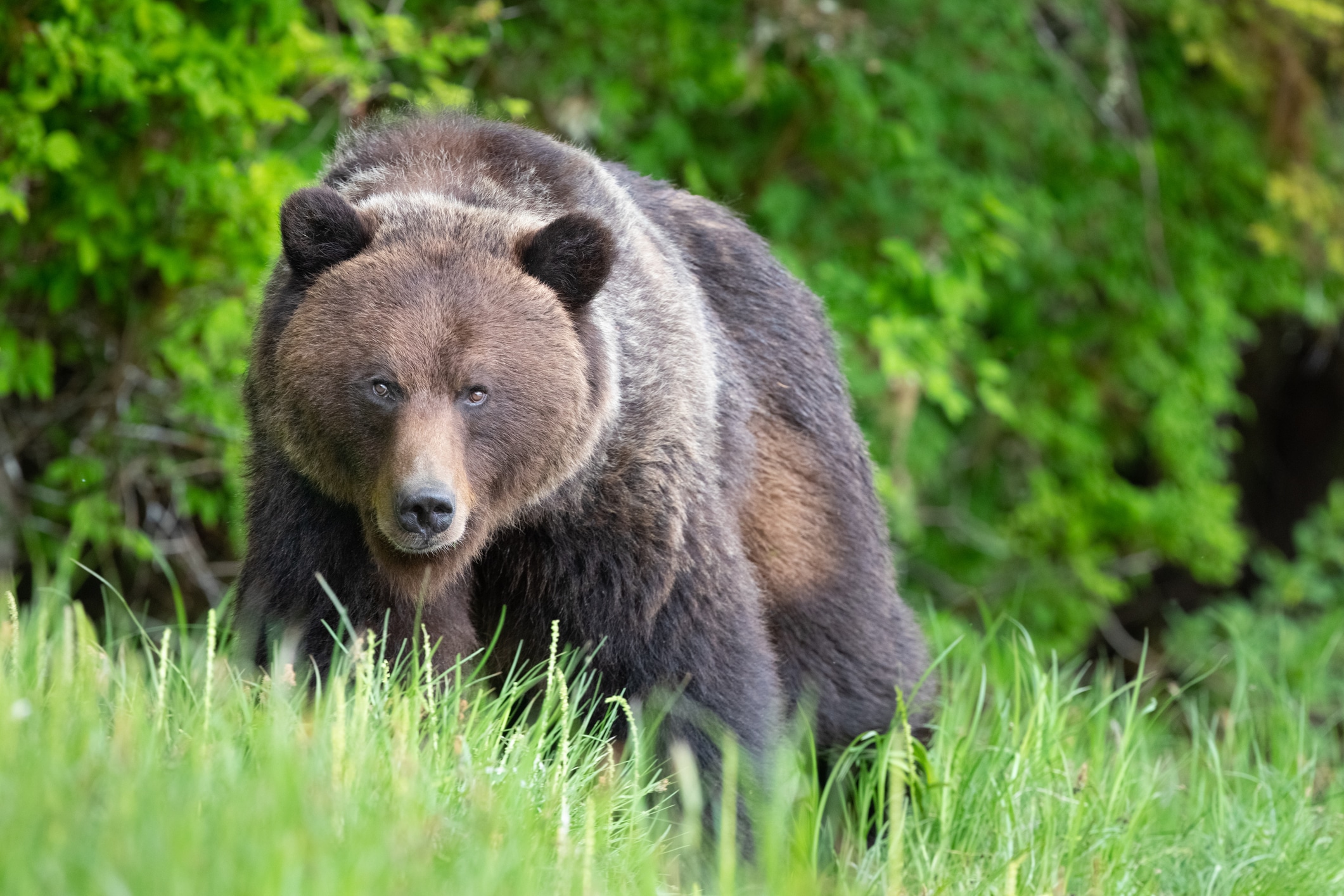
In Colorado, the fate of the grizzly mirrored this tragic trend. The last confirmed grizzly bear sighting in the state occurred in 1979. This wasn’t a casual observation but a dramatic encounter that has since become legendary in Colorado’s wildlife annals. A bow hunter named Ed Wiseman was attacked by a grizzly sow while hunting elk in the San Juan Mountains, specifically near the headwaters of the Navajo River. Although Wiseman survived the encounter, the bear did not. Subsequent analysis of the bear’s remains, including its skull and tracks, confirmed it was an adult female grizzly, weighing approximately 250 pounds. This incident, occurring deep within the remote South San Juan Wilderness area, marked the definitive end of the grizzly bear’s long-standing presence in Colorado.
The Ghost of the San Juan Wilderness
Since that 1979 encounter, despite numerous rumors, unconfirmed sightings, and the enduring hope of some wildlife enthusiasts, there has been no scientifically validated evidence of grizzly bears inhabiting Colorado. Wildlife biologists and state agencies, such as Colorado Parks and Wildlife (CPW), diligently monitor the state’s ecosystems for any signs of returning grizzlies. Extensive research, including remote camera traps, scat analysis, and genetic studies, have all consistently indicated their absence. The wilderness areas, particularly the San Juan Mountains, which encompass vast tracts of pristine habitat, are often cited as the most probable locations should grizzlies ever naturally re-establish themselves from populations in states like Wyoming or Montana. However, the geographical barriers and the distance from existing grizzly populations make natural recolonization a highly unlikely, albeit romantic, prospect in the near future. The memory of the grizzly, however, persists as a powerful symbol of Colorado’s wild past, reminding us of the profound impact human actions can have on magnificent species and the ecosystems they inhabit.
Distinguishing Fact from Fiction: Black Bears vs. Grizzlies
For many visitors to Colorado’s wilderness, the sight of a bear can be both thrilling and a source of confusion. Given the historical presence of grizzlies and their formidable reputation, it’s common for people to wonder if the bear they’ve spotted is one of these elusive giants. However, the scientific and observational reality in Colorado today is clear: the only bear species present in the state is the American black bear (Ursus americanus). Understanding the key differences between black bears and grizzly bears is crucial for accurate identification, dispelling myths, and ensuring safety during your travels and outdoor adventures in Colorado.
Understanding Colorado’s Bear Population
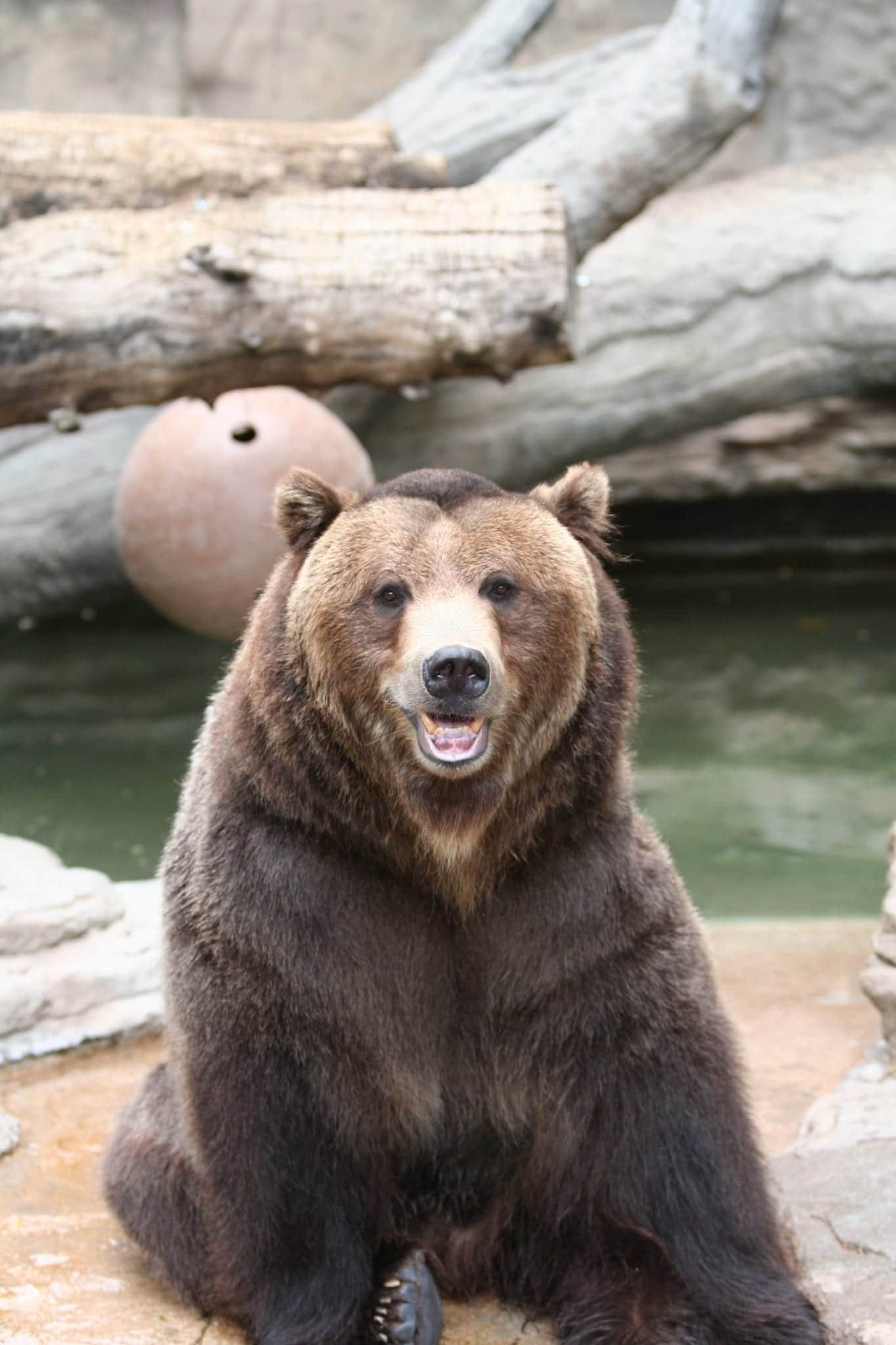
Colorado boasts a healthy and thriving population of American black bears. These adaptable omnivores are found across most of the state’s forested and mountainous regions, from the eastern foothills to the western slope, and can occasionally be spotted even in urban fringe areas as they search for food. While they are called “black bears,” their fur color can vary widely, ranging from jet black to various shades of brown, cinnamon, and even blonde. This color variation is a primary source of misidentification, as a large, light-colored black bear can sometimes be mistaken for a grizzly by an untrained eye.
However, several distinct physical characteristics differentiate black bears from grizzly bears. Black bears are generally smaller, weighing between 150 to 500 pounds for adults, though exceptionally large males can exceed this. They have a relatively straight facial profile, no prominent shoulder hump, and their ears are typically larger and more pointed in proportion to their head. Their claws are shorter and more curved, better suited for climbing trees, which they do with remarkable agility, especially when young or threatened. Their tracks often show a shorter toe pattern with a curved arch.
The Science of Absence
In contrast, grizzly bears are significantly larger and more robust, with adults typically weighing 300 to 800 pounds, and some males exceeding 1,000 pounds. Their most distinguishing features include a prominent muscular hump on their shoulders, a dished or concave facial profile, and smaller, rounder ears. Their front claws are noticeably long and straight, perfectly adapted for digging, which is a primary method for finding food. These long claws also mean grizzlies cannot climb trees as effectively as black bears. Their tracks are generally larger, with a flatter footpad and longer, straighter claw marks that are often visible separated from the toe pads.
The scientific consensus from wildlife experts at Colorado Parks and Wildlife and other conservation organizations is unequivocal: there are no grizzly bears in Colorado. All bear sightings in the state are, without exception, American black bears. Any reports of grizzlies are invariably cases of misidentification, often due to the color variation of black bears, their size, or simply the powerful impact of the grizzly myth. For travelers and residents, this knowledge is not just academic; it informs appropriate safety measures and expectations when exploring Colorado’s wild places. While black bears are generally less aggressive than grizzlies, they are still wild animals that command respect and caution, requiring specific protocols to ensure both human and bear safety.

Embracing Colorado’s Wild Side: A Guide for Travelers
Colorado’s allure for travelers lies in its unparalleled opportunities for outdoor adventure, from world-class ski resorts to thousands of miles of hiking trails through breathtaking scenery. While the grizzly bear is no longer a resident, the state’s wilderness teems with other incredible wildlife, making wildlife viewing a cornerstone of the Colorado experience. For any traveler venturing into the backcountry or even exploring the fringes of developed areas, understanding how to interact safely and responsibly with wildlife, especially black bears, is paramount. This section offers essential guidance for embracing Colorado’s wild side, ensuring a memorable and safe journey.
Essential Bear Safety in Colorado
Since black bears are the only bear species in Colorado, bear safety protocols are tailored to their behavior. Black bears are generally shy and avoid human contact, but they are opportunistic feeders. Conflicts often arise when bears become accustomed to human food sources.
Before You Go:
- Research: Check with local park rangers or Colorado Parks and Wildlife for any recent bear activity in your chosen destination.
- Proper Food Storage: If camping, use bear-resistant food containers or hang food from a tree at least 10 feet off the ground and 4 feet from the trunk. Never leave food, scented items (like toiletries), or trash unattended, even for a short time. This applies to car camping as well; store food in locked vehicles.
- Cleanliness: Keep your campsite, picnic area, or cabin deck clean and free of food scraps.
- Bear Spray: While not always necessary for black bears, carrying bear spray and knowing how to use it can provide an extra layer of security, especially in very remote areas or if you feel uneasy.
During Your Trip:
- Make Noise: When hiking, especially in dense vegetation or along streams, make noise to avoid surprising a bear.
- Stay Alert: Pay attention to your surroundings. Look for signs of bear activity, such as scat, tracks, or overturned rocks.
- Keep Dogs Leashed: Unleashed dogs can provoke bears and lead them back to their owners.
- If You Encounter a Bear:
- Stay Calm: Do not run. Running can trigger a chase response.
- Make Yourself Look Large: Raise your arms, stand on your tiptoes, and make noise.
- Back Away Slowly: Give the bear plenty of space to escape.
- Do Not Feed Bears: Never, under any circumstances, feed a bear. It habituates them to humans and often leads to their demise.
- Fight Back if Attacked: If a black bear attacks, fight back aggressively using anything you have, focusing on the bear’s face and snout. This is different advice than for grizzlies (where playing dead is sometimes recommended), reinforcing the importance of knowing which species you’re dealing with.
Responsible tourism in Colorado means respecting wildlife and their habitats, minimizing human-wildlife conflict, and leaving no trace.
Beyond Bears: Encountering Colorado’s Rich Wildlife
While bear safety is important, it’s just one aspect of experiencing the incredible biodiversity Colorado offers. The state is a paradise for wildlife viewing, providing opportunities to see a diverse array of animals in their natural habitats.
Travelers can expect to encounter:
- Elk: Especially prevalent in Rocky Mountain National Park and during the fall rut, these majestic creatures are a sight to behold.
- Mule Deer: Common throughout the state’s forests and open spaces.
- Bighorn Sheep: Colorado’s state animal, often seen on rocky cliffs and mountain slopes, particularly along Highway 14 in Big Thompson Canyon.
- Moose: A growing population, especially in the northern Colorado mountains, like around State Forest State Park or the Never Summer Wilderness.
- Mountain Lions: While rarely seen due to their secretive nature, they are present in many remote areas.
- Coyotes and Foxes: Common in various habitats, including near urban areas.
- A Myriad of Birds: From eagles and hawks soaring above to diverse waterfowl and songbirds in riparian zones, Colorado is a birder’s delight.
For optimal wildlife viewing, consider visiting in the early morning or late evening, using binoculars, and maintaining a respectful distance. Many Colorado resorts and hotels, particularly those catering to ecotourism, offer guided wildlife tours or are situated in prime viewing locations, enhancing the travel experience. For instance, a stay at a mountain lodge near Estes Park can put you right at the doorstep of Rocky Mountain National Park’s abundant wildlife.
Iconic Colorado Destinations for Nature Lovers
Colorado is a treasure trove of natural wonders, offering diverse landscapes that cater to every type of traveler. From the dramatic peaks of the Continental Divide to the unique ecosystems of the high desert, the state is a prime destination for those seeking outdoor adventure, stunning vistas, and encounters with wild America. While the allure of grizzlies might be a ghost of the past, the living, breathing wilderness of Colorado provides countless opportunities to connect with nature in profound ways. Planning your trip around some of these iconic landmarks and destinations will ensure an unforgettable experience.
Exploring Rocky Mountain National Park
Perhaps Colorado’s most famous natural landmark, Rocky Mountain National Park is an absolute must-visit for any nature enthusiast. Located just a short drive from Denver and Boulder, the park encompasses 415 square miles of pristine Rocky Mountain environment, including towering peaks, alpine tundra, clear mountain lakes, and lush forests. It’s an ideal place to witness Colorado’s vibrant wildlife, including large herds of elk, bighorn sheep, and of course, black bears.
The park offers a plethora of activities:
- Hiking: With over 350 miles of hiking trails, from easy lakeside strolls to challenging climbs up Longs Peak, there’s a trail for every fitness level.
- Scenic Drives: Trail Ridge Road, the highest continuous paved road in North America, offers breathtaking panoramic views and crosses the Continental Divide.
- Camping: Several campgrounds within the park provide opportunities for overnight stays, allowing deeper immersion in nature.
- Wildlife Photography: The park is a prime location for capturing stunning images of Colorado’s fauna and flora.
Accommodation options abound in nearby towns like Estes Park and Grand Lake, ranging from cozy cabins and boutique hotels to larger resorts and vacation rentals, making it easy to plan a memorable stay.
Southern Colorado’s Untamed Beauty
While Rocky Mountain National Park draws massive crowds, Southern Colorado offers its own unique brand of untamed beauty, often with fewer visitors and a deeper sense of wildness. This region is home to vast wilderness areas, dramatic geological formations, and a rich cultural history.
Key destinations include:
- The San Juan Mountains: This rugged range, part of the larger Southern Rockies, is where the last grizzly in Colorado was seen. Today, it offers some of the most remote and stunning backcountry experiences, with charming towns like Durango, Telluride, and Ouray serving as gateways. These towns offer a blend of luxury and rustic accommodations, perfect for any travel style.
- Great Sand Dunes National Park and Preserve: A truly unique landmark, where colossal sand dunes rise dramatically against the backdrop of the 13,000-foot Sangre de Cristo Mountains. Activities here range from sandboarding and hiking the dunes to exploring nearby forests and wetlands.
- Canyons of the Ancients National Monument: For those interested in history and archaeology, this monument preserves the highest known archaeological site density in the United States, offering insights into ancestral Puebloan cultures.
- The Arkansas River Valley: Running through towns like Salida and Buena Vista, this area is renowned for whitewater rafting, fishing, and accessing numerous 14,000-foot peaks (fourteeners) for hiking. Many local accommodations cater specifically to adventure travelers.
Exploring Southern Colorado provides an intimate look at the state’s diverse ecosystems and a chance to experience the solitude of its expansive wilderness, making it an ideal choice for adventurous travelers seeking a genuine connection with nature.
Conclusion: Colorado’s Enduring Wild Spirit
The answer to “Are there grizzly bears in Colorado?” is, unequivocally, no. While these magnificent creatures once roamed the state’s rugged terrain, their presence is now a poignant part of Colorado’s historical narrative, remembered through tales and the occasional misidentification of its thriving black bear population. The last confirmed grizzly sighting in 1979 marked the end of an era, leaving behind a legacy that continues to fuel public fascination and underscores the importance of wildlife conservation.
Despite the absence of grizzlies, Colorado’s wild spirit remains as vibrant and captivating as ever. The state offers a boundless playground for adventurers and nature enthusiasts, from the iconic peaks of Rocky Mountain National Park to the remote beauty of the San Juan Mountains. Travelers can immerse themselves in diverse landscapes, encounter a rich array of wildlife—including elk, moose, bighorn sheep, and black bears—and partake in countless outdoor activities such as hiking, camping, skiing, and whitewater rafting.
For those planning a journey to Colorado, the emphasis shifts from worrying about grizzlies to appreciating the present reality: a state abundant in natural beauty and teeming with black bears. Responsible tourism involves understanding and respecting the local wildlife, practicing proper bear safety, and minimizing one’s environmental footprint. Whether you choose to stay in a luxurious mountain resort in Aspen, a charming hotel in Durango, or rough it in a backcountry campsite, your experience will be enriched by a commitment to mindful travel and a deep appreciation for Colorado’s enduring wild heart. Come discover the awe-inspiring landscapes and diverse ecosystems that make Colorado a premier destination for anyone seeking adventure, natural beauty, and a profound connection with the great outdoors.
LifeOutOfTheBox is a participant in the Amazon Services LLC Associates Program, an affiliate advertising program designed to provide a means for sites to earn advertising fees by advertising and linking to Amazon.com. Amazon, the Amazon logo, AmazonSupply, and the AmazonSupply logo are trademarks of Amazon.com, Inc. or its affiliates. As an Amazon Associate we earn affiliate commissions from qualifying purchases.