
The question of whether grizzly bears roam the wilds of Oregon is one that sparks both curiosity and a touch of awe. For many, grizzlies evoke images of untamed wilderness, a symbol of the raw power and vastness of nature. While the iconic grizzly bear (Ursus arctos horribilis) is indelibly linked with states like Montana and Wyoming, its presence in Oregon is a more nuanced and historically complex story. This exploration delves into the past, present, and potential future of grizzly bears in the Beaver State, examining the ecological factors, historical context, and ongoing conservation efforts that shape this fascinating question.

A Historical Presence: Echoes of the Grizzly Past
The story of grizzlies in Oregon is not one of recent arrival, but rather a tale of a once-thriving population that has since been drastically reduced. Historically, the majestic grizzly bear was a native inhabitant of Oregon’s diverse landscapes, from the Cascade Mountains to the remote eastern reaches. Their presence was a testament to the ecological health and wildness of the region, playing a vital role in shaping the environment through their foraging habits.
The Golden Age of Grizzlies in Oregon
During the 19th century, as settlers began to expand westward, grizzly bears were a common sight in many parts of Oregon. Their large size, powerful build, and distinctive shoulder hump made them a formidable presence. Accounts from early explorers and settlers often mention encounters with these bears, painting a picture of a landscape where humans and large predators coexisted, albeit sometimes precariously. The rich ecosystems of the time provided ample food sources, including berries, roots, fish, and small mammals, supporting a healthy grizzly bear population.
The Decline and Disappearance
The arrival of significant human settlement brought about profound changes to Oregon’s ecosystems and its wildlife. Habitat loss due to agriculture, logging, and urban development began to shrink the available territory for grizzly bears. More significantly, direct conflicts between humans and bears, often stemming from perceived threats to livestock or personal safety, led to widespread hunting and eradication efforts. As a result, grizzly bear populations in Oregon experienced a steep and devastating decline. By the early to mid-20th century, the grizzly bear was considered locally extinct in Oregon, a poignant symbol of the impact of human expansion on apex predators.
The Present Reality: A Ghost of the Wilderness
Today, the presence of grizzly bears in Oregon is extremely limited and largely unconfirmed in terms of a breeding population. However, the possibility of their return, or the occasional transient individual, keeps the conversation alive and underscores the importance of understanding their ecological requirements and the potential for their reintroduction.
Transient Bears and Occasional Sightings
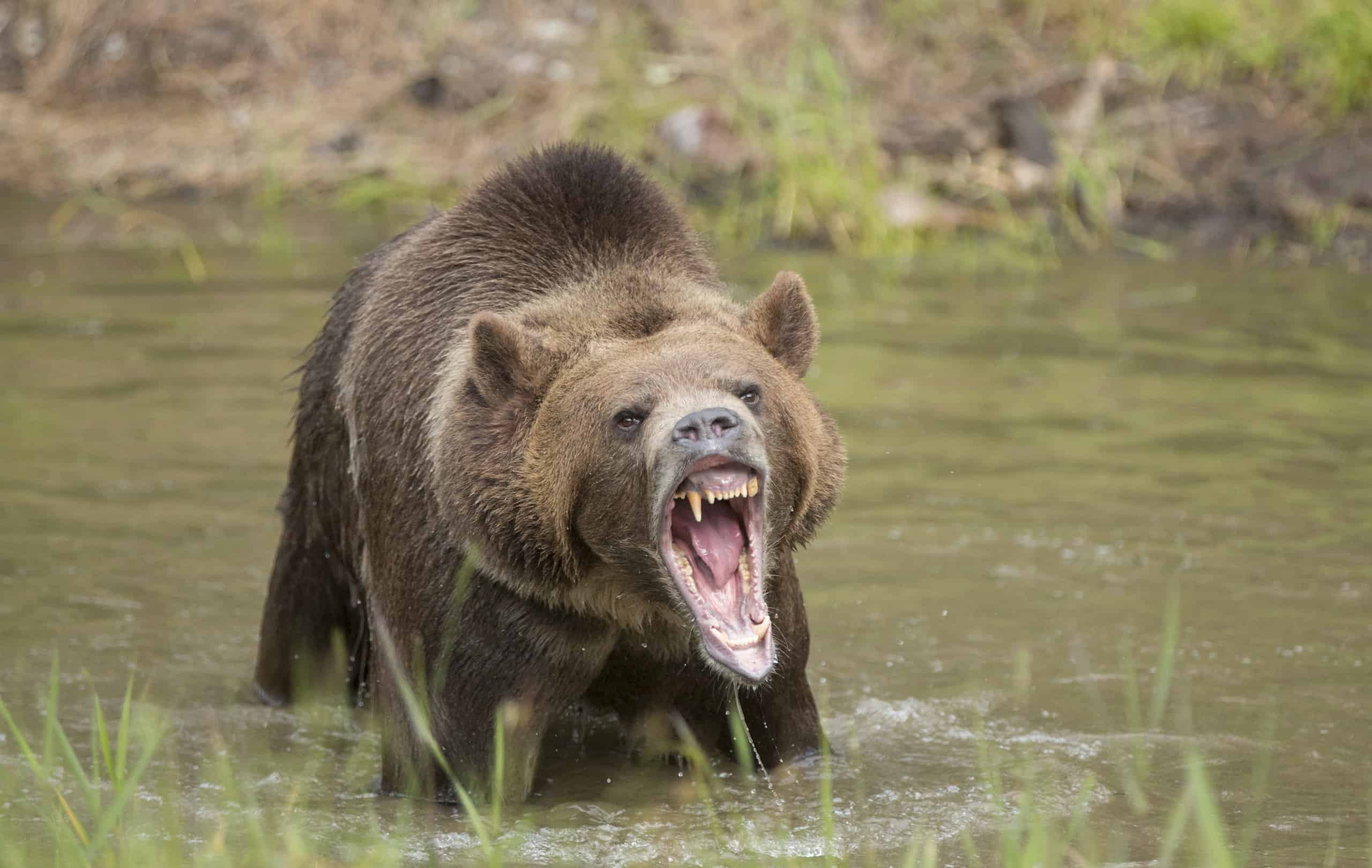
While a stable, self-sustaining grizzly bear population does not currently exist in Oregon, there have been occasional reports of individual bears venturing into the state. These are typically believed to be young males dispersing from the larger grizzly bear populations in neighboring states, most notably in the Northern Rocky Mountains. These individuals may travel long distances in search of new territory or mates. However, such sightings are rare and do not indicate a resident population. Each confirmed sighting, though infrequent, is a significant event for wildlife biologists and conservationists, offering a tantalizing glimpse of what could be.
The Yellowstone Ecosystem and Potential Expansion
The closest established grizzly bear populations to Oregon are located in the Yellowstone Ecosystem and the Northern Continental Divide Ecosystem in Montana. These populations have shown signs of recovery and expansion in recent decades. As these populations grow, it is biologically plausible that individual bears, particularly younger males, will explore beyond their current established ranges. This natural dispersal is a key factor in the potential recolonization of former habitats. The question then becomes whether suitable habitat exists and if the environmental conditions are favorable for grizzlies to establish a foothold in Oregon once more.
The Future Prospect: Pathways to Recovery
The question of grizzly bears in Oregon is not just about documenting their current status but also about considering their future. Conservation initiatives and ecological assessments play a crucial role in determining whether the Beaver State can once again be a home for these magnificent animals.
Habitat Suitability and Connectivity
For grizzly bears to return and thrive, they require large, intact areas of suitable habitat that offer food, water, and security from human disturbance. Oregon possesses some areas with these characteristics, particularly in the Wallowa Mountains and other remote wilderness areas in the eastern part of the state. These regions offer opportunities for foraging on vegetation, roots, berries, and insects, as well as access to other potential food sources. Crucially, habitat connectivity is also vital. Bears need corridors to move between these suitable areas and to connect with populations in other states. Fragmented landscapes and human development can act as significant barriers to such movement.
Conservation Efforts and Public Perception
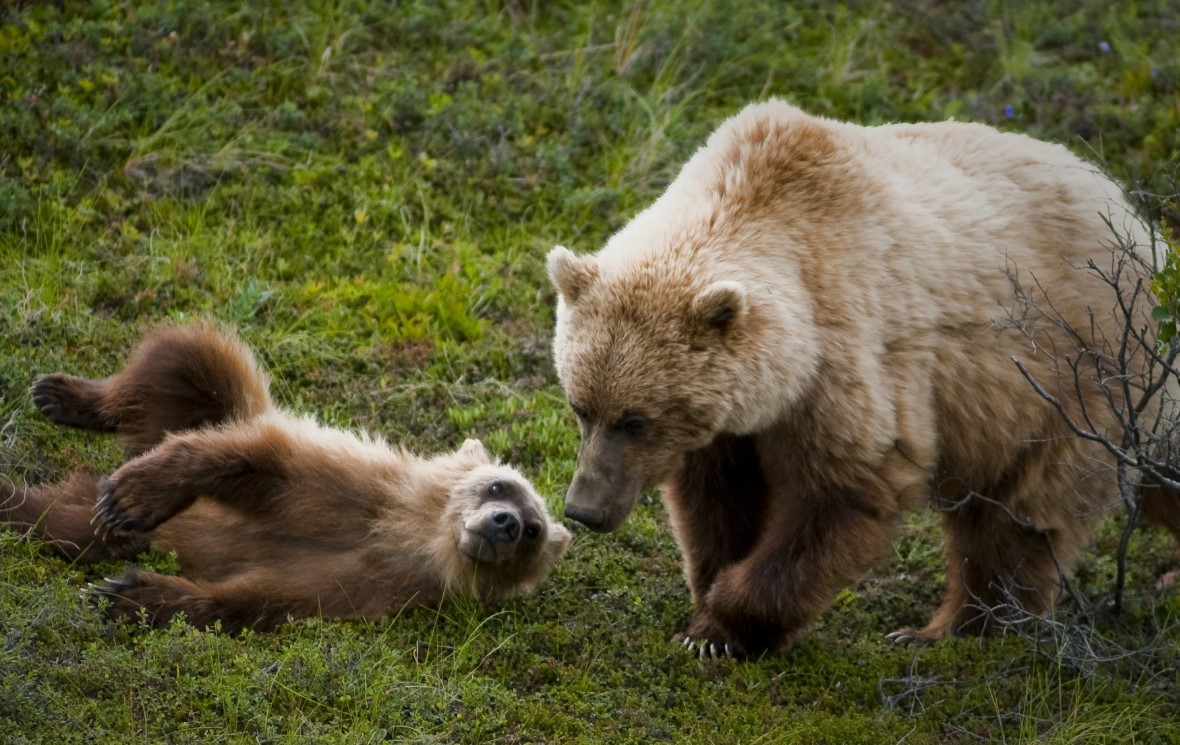
The potential return of grizzly bears to Oregon is a complex issue that involves significant conservation efforts and careful consideration of public perception. Organizations and government agencies are engaged in monitoring wildlife populations, studying habitat conditions, and developing management plans. Public education and engagement are also critical. Understanding the ecological role of grizzly bears and the strategies in place to mitigate human-wildlife conflict are essential for fostering support for their potential return. Successful reintroduction or recolonization efforts require a delicate balance between conservation goals and the needs and concerns of local communities. This involves proactive measures to prevent conflicts, such as bear-resistant attractant storage and education on bear safety.
The presence of grizzly bears in Oregon, though currently marginal, remains a powerful symbol of wildness and the ongoing story of conservation. While they may not be a common sight today, the echoes of their past presence and the potential for their future return continue to captivate and inspire. The journey of the grizzly bear in Oregon is a testament to the resilience of nature and the enduring human fascination with the untamed corners of our world.
LifeOutOfTheBox is a participant in the Amazon Services LLC Associates Program, an affiliate advertising program designed to provide a means for sites to earn advertising fees by advertising and linking to Amazon.com. Amazon, the Amazon logo, AmazonSupply, and the AmazonSupply logo are trademarks of Amazon.com, Inc. or its affiliates. As an Amazon Associate we earn affiliate commissions from qualifying purchases.