
Florida, often celebrated for its sun-drenched beaches, vibrant cities, and thrilling theme parks, holds a deeper secret for nature enthusiasts: it’s a vital haven for some of the world’s most enchanting birds. The question, “Are there hummingbirds in Florida?”, is one that often surprises visitors and even some long-time residents. The answer is a resounding and joyful yes! These tiny, iridescent marvels not only grace the Sunshine State with their presence but are an integral part of its delicate ecosystem, offering a unique natural attraction that complements the region’s more famous draws.
For anyone planning a trip to Florida or considering a more permanent stay, understanding the local wildlife can significantly enrich the experience. Beyond the iconic alligators and majestic manatees, the sight of a hummingbird darting among blossoms is a moment of pure magic, a testament to the state’s incredible biodiversity. This article delves into the world of Florida’s hummingbirds, guiding you on where and when to find them, how to attract them, and why their presence makes Florida an even more captivating destination for travelers, nature lovers, and anyone seeking a glimpse of natural wonder.
The Vibrant Truth: Hummingbirds Call Florida Home
Florida is far from just a stopover for these tiny aviators; for many, it’s a winter retreat or a crucial refueling station during epic migratory journeys. The state’s diverse habitats, from lush coastal regions to expansive inland forests and meticulously maintained botanical gardens, provide the perfect conditions for hummingbirds to thrive. Understanding which species frequent Florida and their behaviors is the first step to truly appreciating these aerial acrobats.
The Ruby-throated Hummingbird: Florida’s Most Common Visitor
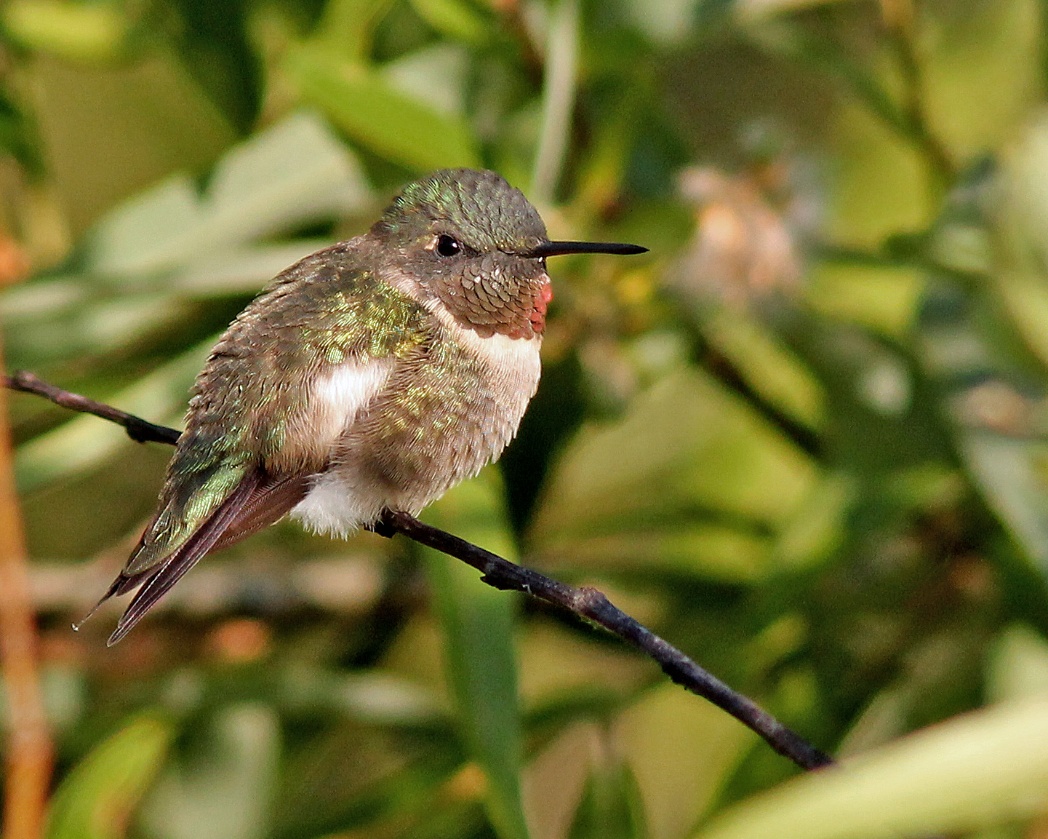
The undisputed star of Florida’s hummingbird population is the Ruby-throated Hummingbird. These magnificent birds, known for the males’ striking iridescent red gorget (throat patch), are common throughout the eastern United States during breeding season. However, as winter approaches in colder northern climates, millions of Ruby-throated Hummingbirds embark on an incredible migration south. For many, Florida serves as a critical wintering ground, particularly the southern parts of the state, where subtropical temperatures ensure a continuous supply of nectar-rich flowers.
Their journey is nothing short of epic, with many crossing the Gulf of Mexico in a single, non-stop flight that can last up to 20 hours. Upon arrival in Florida, they are often exhausted but quickly rejuvenate amidst the state’s abundant flora. From late September through November, the arrival of these birds is a celebrated event for birdwatchers and conservationists alike. They remain throughout the winter, fueling up for their return trip north in early spring, typically from March to May. This makes Florida a fantastic destination for observing the Ruby-throated Hummingbird for a significant portion of the year, particularly during the cooler, drier months when many other tourist activities are also at their peak comfort levels.
Beyond the Ruby-Throat: Occasional Winter Guests
While the Ruby-throated Hummingbird dominates, Florida’s unique geographical position and diverse ecosystems also attract several other hummingbird species, albeit less frequently. These are often referred to as “vagrants” – birds that have strayed from their usual migratory routes or wintering grounds, providing exciting surprises for dedicated birders.
Some of the occasional winter visitors reported in Florida include the Rufous Hummingbird, which typically breeds in western North America and winters in Mexico and the southern United States, and the Black-chinned Hummingbird. Other less common sightings might include the Calliope Hummingbird, the smallest bird in North America, or even the Allen’s Hummingbird. These rare appearances underscore Florida’s importance as a potential refuge for various species, especially during unusual weather patterns or migratory shifts. For serious birdwatchers and those keen on unique wildlife experiences, keeping an eye out for these occasional visitors adds an element of thrilling unpredictability to a Florida nature tour.
Where to Witness These Winged Jewels Across the Sunshine State
Experiencing the sheer energy and beauty of hummingbirds firsthand is a highlight for any nature lover visiting Florida. Fortunately, there are numerous destinations and strategies to increase your chances of an unforgettable encounter, seamlessly blending into your travel itinerary whether you’re seeking a quiet retreat or an educational family outing.
Prime Natural Habitats and Birding Hotspots
Florida’s natural landscapes are dotted with locations that serve as ideal hummingbird habitats. These areas often feature a rich diversity of native plants, providing essential nectar sources and insect prey.
- Florida State Parks and National Wildlife Refuges: These protected areas are designed to conserve natural ecosystems and are excellent places for birdwatching. Many parks, particularly those with a focus on native plant restoration, will have designated trails and viewing areas. Popular spots like Paynes Prairie Preserve State Park near Gainesville or St. Marks National Wildlife Refuge in the Panhandle are known for their migratory bird populations, including hummingbirds.
- Botanical Gardens and Arboretums: Places like Fairchild Tropical Botanic Garden in Coral Gables or Marie Selby Botanical Gardens in Sarasota are designed to showcase diverse plant life, making them ideal places for hummingbirds. These carefully curated environments offer a concentrated and predictable source of nectar, often with specialized “hummingbird gardens” featuring favored plants. Visitors can enjoy well-maintained paths and often educational signage about local wildlife.
- Coastal Areas and Barrier Islands: During migration, coastal areas, especially those with dense vegetation, act as critical landfalls for exhausted birds. The Florida Keys and islands along the Gulf Coast are excellent spots to observe hummingbirds as they prepare for or recover from their arduous journeys. Consider places like Fort De Soto Park near St. Petersburg or areas around Key West.
- Everglades National Park: While perhaps more famous for its alligators, the Everglades vast and diverse ecosystems, particularly areas with flowering shrubs and trees, also host hummingbirds. Exploring the park’s various trails and visitor centers can yield surprising sightings.
For travelers, these locations offer not just hummingbird viewing opportunities but also broader nature experiences, often paired with other attractions like hiking, kayaking, and photography. Many eco-tourism operators in Florida offer birdwatching tours, providing expert guides who know the best spots and times for sightings.
Creating a Hummingbird Haven in Your Own Backyard or Balcony
You don’t need to visit a dedicated park to see hummingbirds in Florida. Many residents and even long-term visitors staying in rental homes or apartments can attract these birds directly to their living spaces. This is a delightful lifestyle activity that connects you directly with nature.
- Planting Nectar-Rich Flowers: Hummingbirds are particularly attracted to tubular flowers, especially those in shades of red, orange, and pink. Excellent native Florida plants include Firebush (Hamelia patens), Coral Honeysuckle (Lonicera sempervirens), Red Salvia (Salvia coccinea), and Trumpet Vine (Campsis radicans). Non-native but popular choices include Pentas and Impatiens.
- Hummingbird Feeders: A well-maintained hummingbird feeder can be a magnet. Use a solution of one part white sugar to four parts water (no red dye, please, as it’s unnecessary and can be harmful). Clean feeders every 2-3 days, more frequently in hot weather, to prevent mold. Place feeders in a visible but safe location, away from predators.
- Water Sources: While hummingbirds primarily drink nectar, they also appreciate a fine mist from a sprinkler or a specialized bird bath that provides a shallow, gently moving water source for bathing.
- Avoid Pesticides: If you’re hoping to attract hummingbirds, avoid using pesticides in your garden. These birds also feed on small insects, which are a crucial source of protein, especially for young birds.

Creating a backyard haven is not only rewarding but also contributes to the conservation of these magnificent birds by providing vital food and shelter resources, especially during migratory periods. For those enjoying a long-term stay in Florida, setting up such a garden can be a fulfilling project that brings daily joy.
When to Catch a Glimpse: Migration and Year-Round Presence
Understanding the seasonal patterns of hummingbirds in Florida is key to maximizing your chances of an encounter. While Ruby-throated Hummingbirds are the primary species, their presence ebbs and flows throughout the year, dictated by their incredible migratory cycles.
Spring Migration: A Burst of Activity
As winter loosens its grip, typically from late February through May, Florida experiences the northward spring migration. Millions of Ruby-throated Hummingbirds that wintered in Florida, Mexico, and Central America begin their journey back to breeding grounds further north, often as far as Canada. During this time, the state’s flowers and feeders become bustling refueling stations. Early spring, particularly March and April, can be an excellent time to witness a flurry of activity, especially in the central and northern parts of Florida, as birds pass through.
This period coincides with beautiful spring weather, making it an ideal time for general travel and outdoor activities across the state. Many of Florida’s natural areas are at their most vibrant, offering a full spectrum of experiences for visitors.
Fall Migration and Winter Residency: Florida’s Crucial Role
The fall migration, from late July through November, marks the southward movement of hummingbirds. This is arguably the best time to see a high volume of hummingbirds in Florida. Birds from breeding grounds all across the eastern United States and Canada converge on the state, using it as a major corridor to reach their winter homes. Peak activity is usually observed from September to October.
For many Ruby-throated Hummingbirds, Florida itself is their winter destination. The southern half of the state, in particular, hosts a stable population of wintering birds from November through February. During these cooler months, when the tourist crowds are often pleasant, and the weather is idyllic, you can reliably find hummingbirds foraging in gardens, parks, and natural areas throughout South Florida. This continuous presence makes Florida a unique destination for year-round hummingbird observation, a true highlight for anyone interested in eco-tourism or simply enjoying the tranquil beauty of nature during their travels.
Enhancing Your Hummingbird Experience in Florida
Engaging with nature, especially such delicate creatures as hummingbirds, requires a thoughtful approach. By following ethical guidelines and integrating these encounters into your travel plans, you can create memorable experiences while contributing to the well-being of these fascinating birds.
Essential Tips for Ethical Hummingbird Watching
- Maintain Distance: Always observe hummingbirds from a respectful distance. Quick movements or close approaches can stress them and disrupt their feeding. Use binoculars for a closer look without disturbance.
- Stay Quiet: Loud noises can startle hummingbirds. Move slowly and speak softly when you are in an area where they are present.
- Respect Their Space: If a hummingbird is feeding at a specific flower or feeder, allow it to continue undisturbed. Avoid blocking its access.
- Never Attempt to Touch: Hummingbirds are incredibly fragile. Attempting to catch or touch them is harmful and illegal.
- Support Local Conservation: When visiting parks or gardens known for hummingbirds, consider donating or supporting their conservation efforts. Organizations like the Audubon Society provide valuable resources and advocate for bird protection in Florida and beyond.
- Use Proper Photography Etiquette: If you’re a photographer, use a telephoto lens to get close-up shots without invading the bird’s space. Avoid using flash directly on the birds, as it can disorient them.
By adhering to these principles, you ensure that your hummingbird viewing experience is not only enjoyable for you but also safe and beneficial for the birds themselves. This responsible tourism approach aligns perfectly with a lifestyle that values nature and conservation.
Integrating Hummingbird Encounters into Your Florida Travel Itinerary
For travelers keen on experiencing Florida’s natural side, incorporating hummingbird watching can be a delightful addition to any itinerary.
- Family-Friendly Adventures: Birdwatching, including seeking out hummingbirds, is an excellent activity for family trips. It encourages patience, observation skills, and an appreciation for wildlife. Many Florida State Parks offer educational programs and easy walking trails suitable for all ages.
- Relaxing Retreats: For those on a luxury or budget travel itinerary seeking tranquility, spending time in a botanical garden or a quiet park observing hummingbirds offers a peaceful escape from the hustle and bustle of more crowded attractions. Consider hotels or accommodations (villas, apartments, resorts) that feature extensive gardens or are near natural preserves, enhancing your chances of a spontaneous sighting from your balcony or patio.
- Eco-Tourism and Sustainable Travel: Focusing on wildlife encounters supports local eco-tourism initiatives and promotes sustainable practices. Choosing accommodation that emphasizes environmental responsibility, such as eco-resorts, can further enhance this experience.
- Combining Interests: Hummingbird watching can be easily combined with other interests. Imagine a morning birding session followed by exploring local culture and cuisine, or a visit to a historical landmark. Many of Florida’s birding hotspots are located within or near vibrant cities like Miami, Orlando, Tampa, or Jacksonville, allowing for a diverse travel experience.
No matter your travel style, the opportunity to witness these tiny titans of the avian world adds a layer of unexpected beauty and wonder to a Florida vacation.

Conclusion
The question “Are there hummingbirds in Florida?” can now be confidently answered with an enthusiastic yes. Florida is not just a passing fancy for these iridescent jewels; it is a critical wintering ground and a vital migratory pathway, primarily for the Ruby-throated Hummingbird, with occasional surprises from other species. From the meticulously curated landscapes of Fairchild Tropical Botanic Garden to the wild expanse of Everglades National Park, and even in the most modest of backyard gardens, these energetic birds offer a constant source of wonder.
Their presence underscores Florida’s immense natural beauty and ecological significance, complementing its world-renowned beaches and theme parks with a rich tapestry of wildlife experiences. For travelers, hoteliers, and tourism professionals, recognizing and celebrating the state’s hummingbird population adds another layer to Florida’s appeal, promoting responsible travel and an appreciation for the intricate balance of nature. So, whether you’re planning your next adventure, seeking a unique local experience, or simply enjoying the natural rhythms of the Sunshine State, keep an eye out for these incredible winged gems. Their brief, dazzling appearance is a reminder of the extraordinary natural world that thrives within, and around, the vibrant landscapes of Florida.
LifeOutOfTheBox is a participant in the Amazon Services LLC Associates Program, an affiliate advertising program designed to provide a means for sites to earn advertising fees by advertising and linking to Amazon.com. Amazon, the Amazon logo, AmazonSupply, and the AmazonSupply logo are trademarks of Amazon.com, Inc. or its affiliates. As an Amazon Associate we earn affiliate commissions from qualifying purchases.