
For many travelers planning a dream vacation to the United States tropical paradise, the question of weather safety is paramount. While images of swaying palms and turquoise waters dominate the brochures for Hawaii, the reality of tropical weather systems is a topic of significant importance. The short answer is yes, there are hurricanes in Hawaii, but the frequency, impact, and geographical nuances of these storms are often misunderstood by those visiting from the mainland or international destinations. Understanding the dynamics of the Central Pacific hurricane season is essential for any responsible visitor looking to enjoy the islands while remaining prepared.
Understanding the Central Pacific Hurricane Season
The hurricane season in the Pacific Ocean surrounding the islands officially runs from June 1st through November 30th. This window aligns closely with the Atlantic Ocean season, yet the behavior of storms in this region is distinct. For the majority of the year, the islands are protected by a combination of natural atmospheric factors that make direct hits a relatively rare occurrence compared to the Gulf Coast or the Eastern Seaboard.
The Role of the Central Pacific Hurricane Center
Monitoring these systems is the primary responsibility of the Central Pacific Hurricane Center, located in Honolulu on the island of Oahu. This agency works in tandem with the National Weather Service to provide real-time updates, watches, and warnings. For tourists, staying tuned to these reports is the first step in seasonal safety. While many storms develop in the eastern Pacific near Mexico, they often weaken or veer away before reaching the archipelago.
Why Direct Hits Are Rare
Hawaii is a small target in the vast expanse of the northern Pacific Ocean. Beyond its size, the islands benefit from a high-pressure ridge usually located to the northeast, which acts as a shield, steering many tropical cyclones away from the main islands. Additionally, the waters surrounding the islands, while warm enough to support coral reefs at Waikiki Beach or Hanauma Bay, are often cooler than the waters required to sustain a major hurricane’s intensity. Vertical wind shear—the change of wind speed and direction with height—also frequently “decapitates” developing storms before they can make landfall on islands like Maui or Kauai.
Historical Context: Significant Storms in Island History
To understand the potential impact of hurricanes, one must look at the historical record. Although infrequent, the storms that do reach the islands can be transformative. These events serve as a reminder for those visiting Hilo or Kona that nature’s power is a constant presence in the tropics.
The Impact of Hurricane Iniki
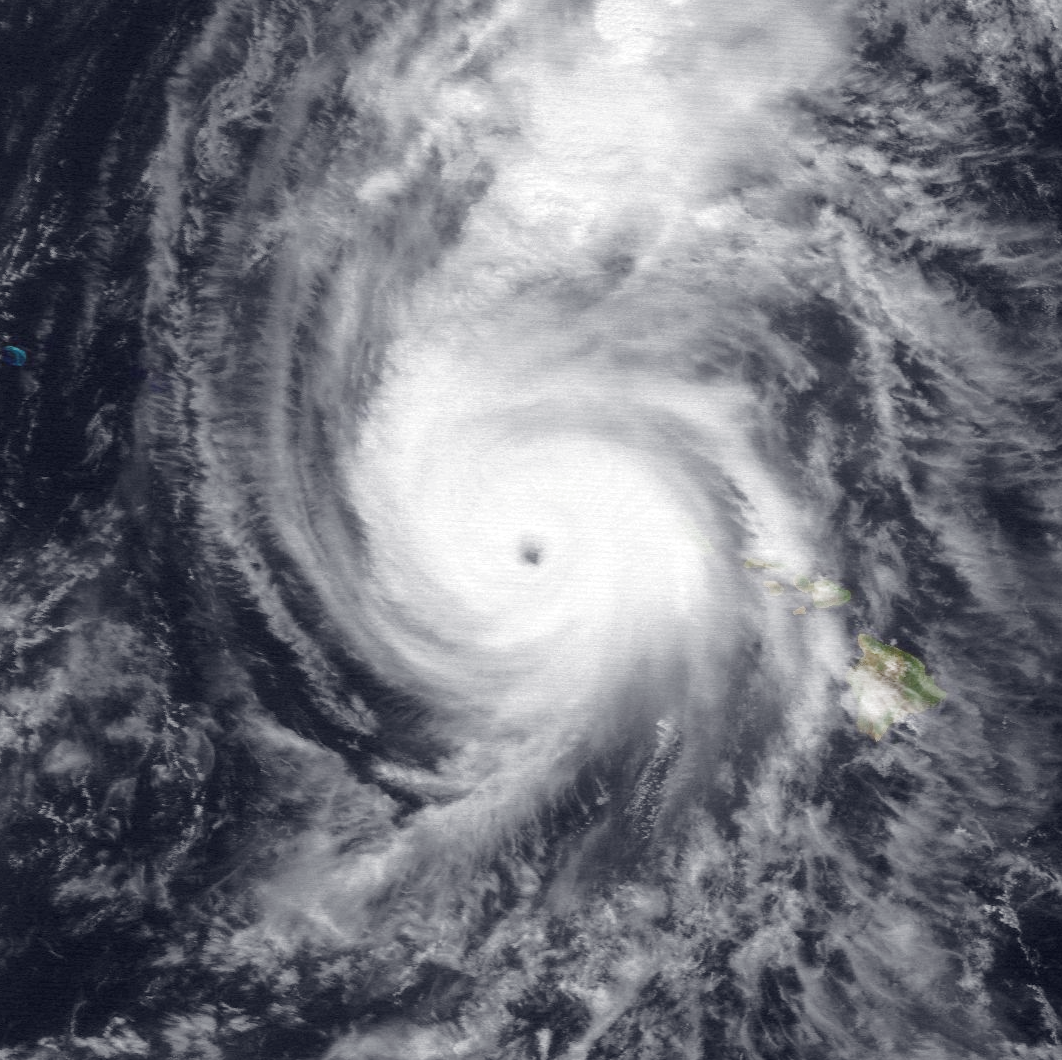
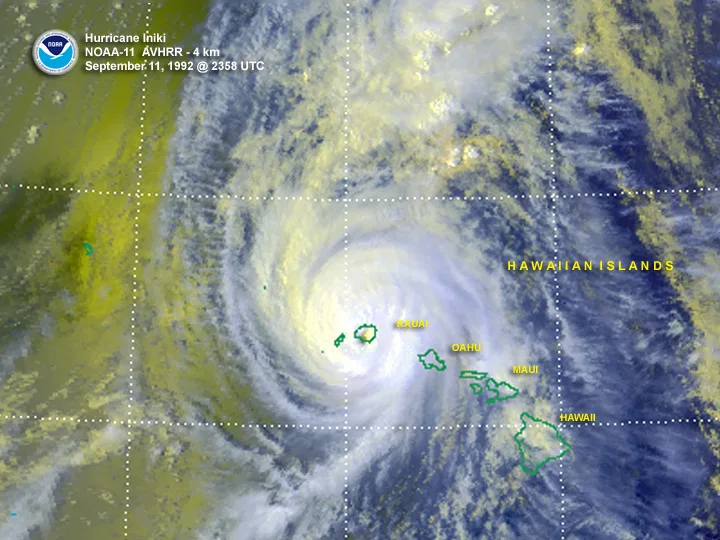
The most devastating storm in modern memory is Hurricane Iniki, which struck the island of Kauai in September 1992. As a Category 4 storm, it caused billions of dollars in damage, particularly in areas like Princeville and Poipu. The recovery took years and fundamentally changed the building codes and emergency preparedness protocols across the entire state. Today, tourists visiting the “Garden Isle” may still hear stories from locals about the resilience required to rebuild landmarks like the Old Koloa Town.
Recent Near Misses and Tropical Storms
In more recent years, the islands have seen an uptick in “near misses.” Hurricane Lane in 2018 brought record-breaking rainfall to the Big Island, causing significant flooding in Hilo even without a direct landfall. Similarly, Hurricane Douglas in 2020 passed dangerously close to Oahu and the North Shore, prompting widespread closures of attractions like Pearl Harbor. These events highlight that even if a hurricane does not “hit” an island directly, its outer bands can bring torrential rain, high surf, and heavy winds that disrupt travel plans.
Geography and the “Hawaii Effect”
The topography of the islands plays a fascinating role in how storms behave. The massive volcanic peaks of Mauna Kea and Mauna Loa on the Big Island act as physical barriers. These mountains, rising over 13,000 feet above sea level, can actually disrupt the circulation of a tropical cyclone, often causing it to weaken or dissipate as it approaches from the east.
Windward vs. Leeward Impacts
When a storm approaches, the “Windward” sides of the islands—such as the lush cliffs of the Na Pali Coast or the windward shores of Molokai—typically receive the brunt of the moisture. Conversely, leeward areas like Lahaina on Maui or Kapolei on Oahu may experience “downslope winds,” which can be hot and gusty. For tourists, this means that weather conditions can vary wildly from one side of an island to the other during a storm event.
Flash Flooding and Landslides
In the tropics, the primary danger often isn’t the wind, but the water. The steep terrain of places like Waimea Canyon or the Iao Valley makes them susceptible to rapid flash flooding. Travelers exploring the Hana Highway must be particularly cautious; tropical systems can turn scenic waterfalls into dangerous torrents within minutes. Local authorities often close state parks like Haleakala National Park or Hawaii Volcanoes National Park well in advance of a storm’s arrival to prevent visitors from being stranded.
Essential Tips for Travelers During Hurricane Season
Planning a trip during the hurricane season does not mean you should expect disaster, but it does require a different level of logistical preparation. Most visitors will experience nothing more than a passing tropical shower, yet being “weather-wise” is a hallmark of a savvy traveler.
Monitoring and Local Resources
Upon arrival in Honolulu or Kahului, it is wise to familiarize yourself with local news outlets. Staying updated via the Federal Emergency Management Agency app or local radio stations is recommended. If a “Hurricane Watch” is issued, it means conditions are possible within 48 hours; a “Warning” means conditions are expected within 36 hours. If you are staying at a major resort in Waikiki or Wailea, the staff will have established emergency protocols and will guide guests to the safest areas of the property.
Travel Insurance and Flexibility
One of the most practical tips for visiting Hawaii between June and November is to invest in comprehensive travel insurance that includes trip cancellation for weather-related events. Flights into Daniel K. Inouye International Airport can be delayed or diverted if a storm is in the vicinity. Having a flexible itinerary allows you to shift activities—perhaps visiting the indoor exhibits at the Bishop Museum instead of a boat tour along the Na Pali Coast if the seas are rough.
Safety at Sea and on the Coast
Even if a hurricane is hundreds of miles away, it can generate massive swells that affect the beaches. Places known for big waves, such as the Banzai Pipeline or Waimea Bay, can become extremely dangerous for swimmers. Always heed the warnings of the Honolulu Ocean Safety lifeguards. If the “High Surf Advisory” signs are out, it is best to stay on the sand.
Embracing the Spirit of Kuleana (Responsibility)
In Hawaiian culture, there is a deep respect for the land and the elements. This responsibility, or kuleana, extends to visitors. During a weather event, following the instructions of local officials is not just about personal safety—it is about not straining local resources.
Respecting Local Closures
If the Department of Land and Natural Resources closes a trail like the Kalalau Trail or a park like Diamond Head State Monument, it is for a vital reason. Attempting to bypass these closures for a photo opportunity puts both the traveler and potential first responders at risk. Instead, use storm days as an opportunity to experience the islands’ culture in other ways—perhaps by visiting a local gallery in Lahaina or learning about traditional crafts at the Polynesian Cultural Center, provided they remain open.
Supporting Local Recovery
If your visit happens to coincide with a period of recovery following a storm, being a mindful tourist is more important than ever. Supporting local businesses in Kapaa or Hilo helps the community regain its footing. Organizations like the American Red Cross often operate in the islands during these times, and visitors can sometimes find ways to volunteer or donate to local relief funds.
Conclusion: The Reality of Tropical Travel
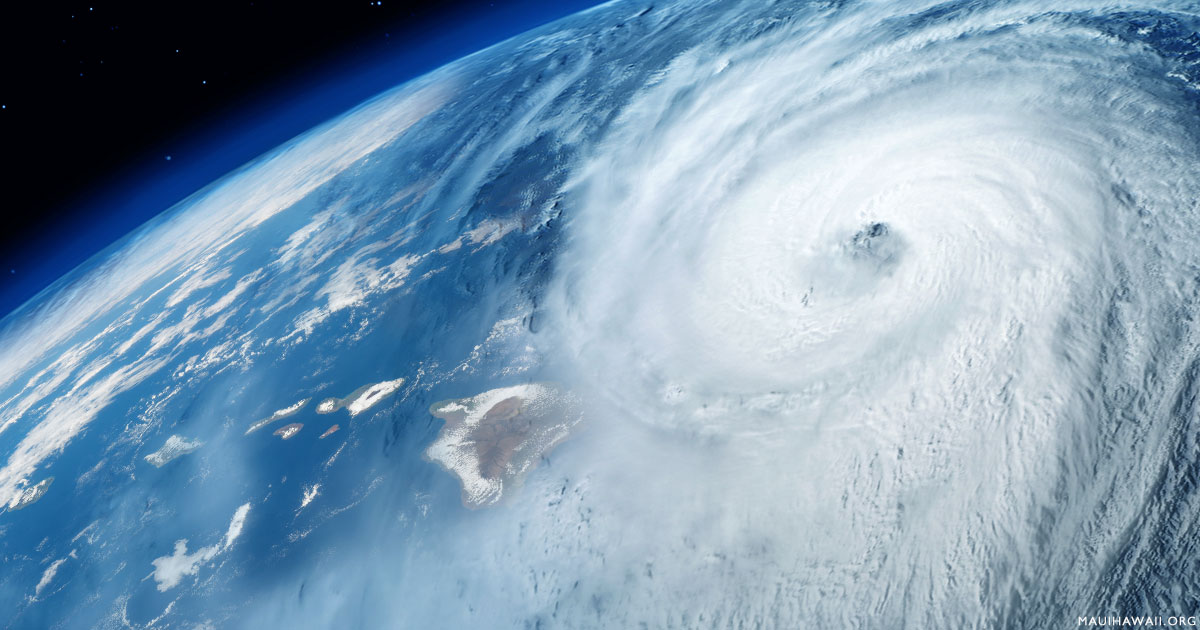
While the threat of hurricanes in Hawaii is a geographical reality, it should not deter you from experiencing the incredible beauty of the islands. The statistical likelihood of a major hurricane striking during a one-week vacation is very low. By understanding the season, monitoring the Central Pacific Hurricane Center, and maintaining a flexible mindset, you can navigate the tropical weather with confidence.
Whether you are hiking the volcanic craters of Haleakala National Park, snorkeling the reefs off Lanai, or enjoying the luxury of Kapalua, being prepared ensures that your Hawaiian adventure remains a positive and safe experience. The islands are resilient, and their beauty often shines even brighter after a tropical rain. Just remember to pack your sense of adventure, a reliable poncho, and a healthy respect for the power of the Pacific Ocean.
LifeOutOfTheBox is a participant in the Amazon Services LLC Associates Program, an affiliate advertising program designed to provide a means for sites to earn advertising fees by advertising and linking to Amazon.com. Amazon, the Amazon logo, AmazonSupply, and the AmazonSupply logo are trademarks of Amazon.com, Inc. or its affiliates. As an Amazon Associate we earn affiliate commissions from qualifying purchases.