
The rugged, sun-drenched landscapes of Arizona evoke images of saguaro cacti, red rock formations, and perhaps the elusive mountain lion. Yet, for many years, a more enigmatic and powerful predator has captured the imagination of wildlife enthusiasts and conservationists alike: the jaguar. The very question, “Are there jaguars in [Arizona]?”, stirs a sense of adventure and wonder, beckoning travelers to explore the state’s wild frontiers. While their presence is incredibly rare and primarily confined to the southern reaches, the fact that these magnificent big cats roam the canyons and mountains of [Arizona] at all is a testament to the state’s incredible biodiversity and ongoing conservation efforts. For those drawn to unique travel experiences, understanding the journey of the jaguar in [Arizona] unveils a compelling narrative of ecological resilience and offers a unique lens through which to appreciate the state’s natural beauty and rich cultural tapestry.

The Ghost Cats of the Southwest: A Historical Perspective
The history of jaguars in the American Southwest is a captivating tale of ancient presence, near disappearance, and a hopeful, albeit fragile, resurgence. These apex predators, historically ranging from the southern United States through Mexico and Central and South America, were once a more common sight across the borderlands. Their legacy is deeply etched into the very fabric of the region, from indigenous folklore to the ecosystem’s delicate balance.
A Legacy Etched in Stone:
For centuries, jaguars, known scientifically as Panthera onca, were an integral part of the ecological mosaic of the southwestern [United States]. Their historical range extended beyond just [Arizona], encompassing parts of New Mexico, Texas, and even into California. These powerful creatures thrived in diverse habitats, from dense riparian corridors to rugged mountain ranges, adapting to the varying terrain and prey availability.
However, the late 19th and early 20th centuries brought significant challenges. As human settlements expanded, habitat destruction, a decline in prey species, and relentless hunting – often in response to livestock depredation – pushed jaguars to the brink of extinction within the [United States]. They were systematically targeted, primarily by ranchers and government predator control programs, leading to their almost complete eradication from their northernmost territories. By the mid-20th century, jaguars were officially listed as endangered, and many believed they had vanished from the [United States] entirely, their presence relegated to history books and faded photographs. Their cultural significance, once revered in indigenous traditions as symbols of power and mystery, seemed to fade with their physical disappearance.
Reemergence and Rediscovery:
Despite their near eradication, the story of jaguars in [Arizona] took a surprising turn in the late 20th and early 21st centuries. Against all odds, individual jaguars began to reappear, crossing the international border from [Mexico] and venturing back into their ancestral lands. These sporadic but significant sightings ignited hope among conservationists and sparked a renewed fascination with these elusive “ghost cats.”
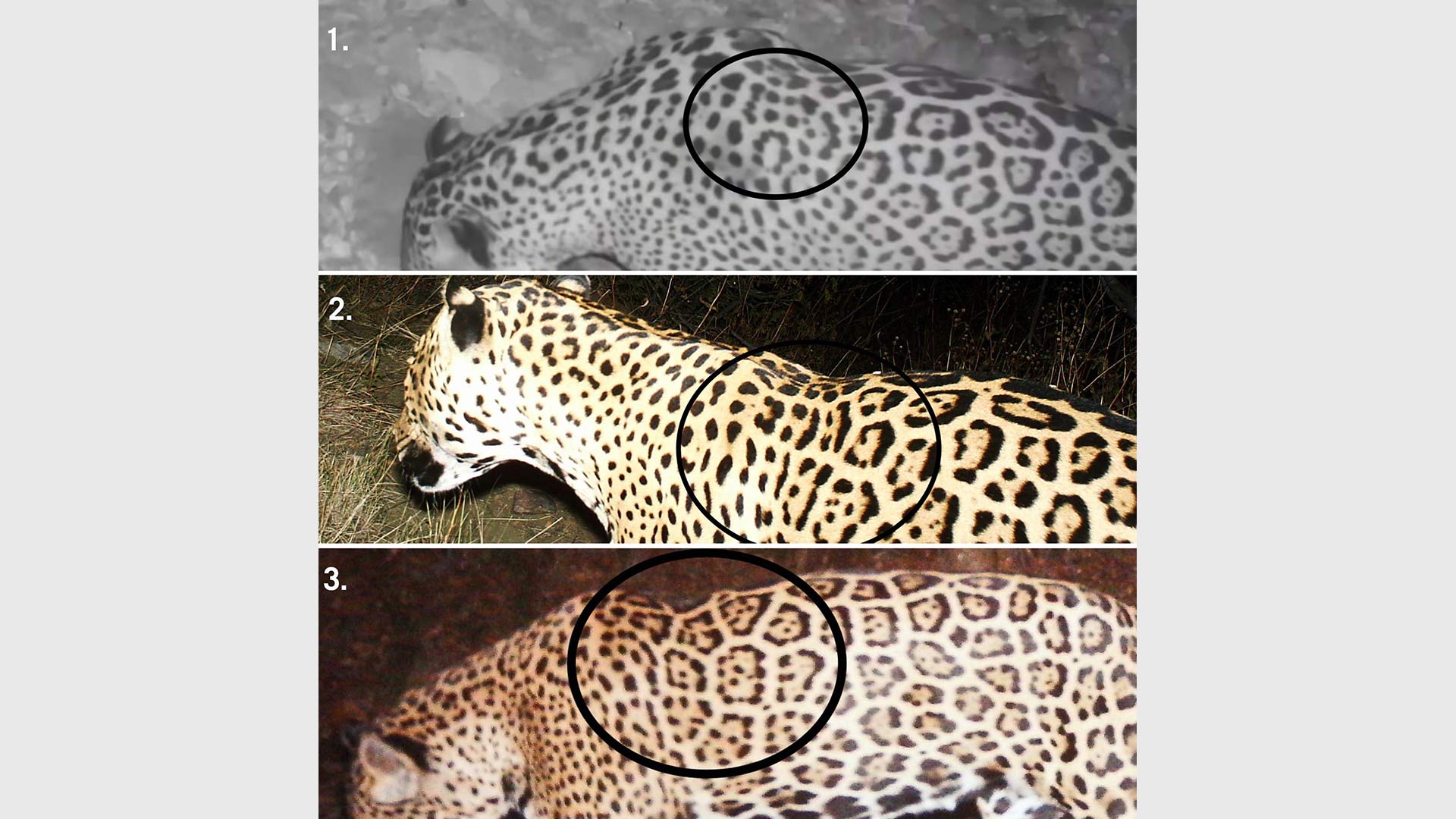
One of the most celebrated and well-documented reintroductions to public consciousness was ” El Jefe,” a male jaguar whose presence in the Santa Rita Mountains south of Tucson was confirmed through trail camera footage from 2011 to 2015. [El Jefe]’s sustained presence for several years proved that jaguars could not only survive but potentially thrive in the borderlands. More recently, other individuals have been sighted, including ” Yo’ko” and ” Sombra,” primarily in the rugged “sky island” mountain ranges such as the Huachuca Mountains and the Patagonia Mountains.
These reemergences are largely attributed to a combination of factors: habitat protection in [Mexico], natural dispersal of young males seeking new territories, and dedicated conservation efforts on both sides of the border. Organizations like the Arizona Game and Fish Department, the Borderlands Jaguar Project, and the Center for Biological Diversity have been instrumental in monitoring these animals, advocating for habitat connectivity, and raising public awareness. Their work is crucial in ensuring that these rare visitors can find safe passage and potentially establish a more permanent, breeding population in the future, turning a dream into a tangible reality for [Arizona]’s wild heart.
Where to Seek the Unseen: Prime Habitats and Observation Tips
For the intrepid traveler or wildlife enthusiast hoping to catch a glimpse of [Arizona]’s elusive jaguars, it’s crucial to understand that direct observation is exceptionally rare. These are solitary, nocturnal, and highly secretive animals, perfectly adapted to vanishing into their surroundings. However, understanding their preferred habitats can deepen an appreciation for the conservation efforts underway and enhance any broader wildlife viewing experience in the region.
Southwestern [Arizona]’s Wild Frontiers:
The jaguars that have been documented in [Arizona] primarily inhabit the “sky island” mountain ranges of the southern part of the state. These unique ecosystems, characterized by isolated, forested mountains rising dramatically from desert plains, provide critical habitat. Key areas include the Coronado National Forest, particularly sections within the [Santa Rita Mountains], [Huachuca Mountains], Atascosa Mountains, and Chiricahua Mountains.
These ranges offer a challenging, rugged terrain of steep canyons, dense thorny scrub, and vital riparian corridors – strips of lush vegetation along streams and rivers. Jaguars are drawn to these areas for their abundance of prey, including deer, javelina, and smaller mammals, as well as the essential water sources. The dense cover also provides ideal camouflage and denning sites. While the vastness and remoteness of these areas make jaguar sightings exceedingly rare, they are excellent destinations for general wildlife viewing, birdwatching, and experiencing the raw, untamed beauty of the Sonoran Desert and its higher-elevation counterparts. Visitors exploring these areas are immersing themselves in the very landscape where these magnificent creatures silently roam, making every rustle in the underbrush a moment of thrilling possibility.
Preparing for a Wildlife Adventure:
Embarking on a journey into [Arizona]’s wild frontiers, whether specifically for jaguar “hunting” (via camera, of course) or for general wildlife observation, requires careful preparation and a deep respect for nature. While the chances of seeing a jaguar are infinitesimal, the opportunity to connect with their habitat and the region’s diverse ecosystem is immense.

For any remote expedition, essential gear includes sturdy hiking boots, layered clothing suitable for varying temperatures, plenty of water, navigation tools (GPS, maps), and emergency supplies. Binoculars are indispensable for spotting distant wildlife, and a good camera with a telephoto lens can capture the beauty of the landscape and its more visible inhabitants. Safety is paramount; always inform someone of your itinerary, hike with a companion, and be aware of other wildlife, including mountain lions, bears, and venomous snakes.
The best times for general wildlife observation in [Arizona] are typically during the cooler months, from fall through spring, when animals are more active during daylight hours. While jaguars are predominantly nocturnal, focusing on dawn and dusk offers the highest chances for other elusive creatures. For those seeking a deeper understanding, considering a guided tour with local naturalists or wildlife experts can be invaluable. These professionals often possess intimate knowledge of the area, its ecology, and the best practices for responsible wildlife viewing. Many conservation groups also offer educational programs or citizen science opportunities that allow travelers to contribute to monitoring efforts, indirectly supporting jaguar conservation while enjoying the breathtaking wilderness.
Beyond the Hunt: Exploring [Arizona]’s Rich Offerings
While the allure of the jaguar draws a specific kind of adventurous spirit to [Arizona], the state offers an incredible array of attractions and experiences that cater to every type of traveler. From world-renowned natural wonders to vibrant cultural hubs and luxurious resorts, [Arizona] seamlessly blends outdoor adventure with refined comfort, ensuring a memorable trip whether or not a “ghost cat” reveals itself.
[Arizona]’s Diverse Attractions for Every Traveler:
For those venturing into [Arizona], the jaguar’s elusive territory is just one facet of a multi-dimensional travel experience. The state is a treasure trove of iconic landmarks and breathtaking natural beauty that beckon visitors from around the globe. No visit to [Arizona] would be complete without witnessing the majestic Grand Canyon, a natural wonder of staggering proportions that offers unparalleled views and hiking opportunities. Further south, the vibrant red rock formations of Sedona provide a spiritual and aesthetic haven, famous for its energy vortexes, art galleries, and scenic trails.
Beyond these titans, Saguaro National Park, near [Tucson], offers an immersive experience among the towering cacti that define the Sonoran Desert landscape, while Petrified Forest National Park in the northeast showcases ancient trees turned to stone and vibrant badlands. For birdwatchers, the small town of Patagonia is a renowned hotspot, teeming with unique avian species that thrive in its riparian habitats. History buffs can explore ancient cliff dwellings at Montezuma Castle National Monument or delve into the rich heritage of the Hopi Villages, learning about enduring indigenous cultures. The local culture is also rich in Southwestern cuisine, from authentic Mexican food to Native American fry bread, and vibrant arts and crafts that reflect the diverse influences of the region.
Accommodations and Lifestyle: Enhancing Your [Arizona] Experience:
[Arizona]’s diverse landscapes are matched by its wide range of accommodation options, ensuring that every lifestyle and budget can find its perfect fit. Whether you’re seeking a luxurious retreat after a day of exploring or a cozy base for your adventures, the state delivers. Near the jaguar habitats, cities like [Tucson] offer a selection of upscale resorts and hotels, many boasting amenities like spas, golf courses, and exquisite dining, providing a comfortable sanctuary amidst the desert’s rugged beauty. Imagine unwinding by a pool with mountain views after a day of hiking in the [Santa Rita Mountains] – a perfect blend of adventure and indulgence.For a more unique experience, charming towns like Bisbee offer boutique hotels steeped in history and local character, while Sierra Vista provides convenient access to the [Huachuca Mountains] and numerous birding hotspots with various hotel options. Beyond these, eco-lodges and rustic cabins can be found deeper in the national forests for those craving a more immersive natural experience.
[Arizona] caters to various travel lifestyles. Luxury travel enthusiasts can enjoy five-star resorts and exclusive guided tours, while budget travel options are plentiful, from campgrounds to economical hotels, making adventure accessible to all. Family trips can be enriched by educational nature centers and kid-friendly attractions, creating lasting memories. Even business stays find their niche, with conference centers set against stunning backdrops, offering an inspiring environment for meetings and corporate retreats. Travelers can easily find the ideal stay by utilizing online platforms for booking, reading reviews, and comparison shopping, ensuring their accommodation enhances their overall [Arizona] experience, whether they’re tracking jaguars or simply soaking in the sun.The Future of Jaguars in [Arizona] and Conservation Tourism
The story of jaguars in [Arizona] is far from over; it’s an ongoing narrative of hope, challenge, and the critical importance of conservation. Their reemergence represents a remarkable ecological comeback, but their future in the borderlands is intricately linked to human choices and the collective commitment to protecting their habitat. For travelers, this creates a unique opportunity to engage with conservation through responsible tourism, ensuring that these magnificent creatures can continue to roam the American Southwest for generations to come.
A Balancing Act: Conservation and Human Presence:
The return of jaguars to [Arizona] highlights the delicate balance between wildlife conservation and the increasing human presence in the region. Their existence relies heavily on maintaining habitat connectivity, especially across the [United States]-[Mexico] border, which serves as a vital corridor for dispersal. Efforts to protect and restore riparian areas, prevent fragmentation from development, and mitigate conflicts with livestock are paramount.
Conservation organizations are actively working on these fronts, utilizing advanced tracking technologies, community outreach programs, and policy advocacy. Sustainable tourism plays a crucial role in supporting these endeavors. By choosing to visit national forests and parks, staying in eco-conscious accommodations, and supporting local businesses that prioritize environmental stewardship, visitors directly contribute to the economic viability of conservation. Awareness is also key; understanding the challenges jaguars face, such as the impacts of border wall construction or climate change, empowers travelers to become advocates for their protection. Responsible tourism practices, such as staying on marked trails, minimizing disturbance to wildlife, and properly disposing of waste, are small but significant ways every visitor can contribute to preserving the integrity of jaguar habitats.
Leaving a Legacy:
Visiting [Arizona] with the knowledge that jaguars are slowly reclaiming their ancient lands adds an extraordinary layer of depth to the travel experience. It transforms a scenic trip into a journey imbued with ecological significance and the thrill of participating in a hopeful conservation story. Even if an actual jaguar sighting remains a distant dream for most, the sheer possibility of their presence enriches every moment spent in the wilderness.
The legacy we can leave for future generations of both humans and jaguars is one of respect and preservation. By choosing to explore [Arizona] responsibly, supporting its protected areas, and learning about its diverse ecosystems, travelers become silent partners in the jaguar’s remarkable comeback. It’s an invitation to appreciate not just the iconic landmarks like the [Grand Canyon] or the vibrant culture of [Tucson], but also the untouched wild spaces where nature’s most elusive wonders continue to thrive. The question “Are there jaguars in [Arizona]?” is answered with a resounding “Yes,” and with that answer comes the profound responsibility and privilege of witnessing, and helping to secure, the return of these majestic ghost cats to their rightful home.
LifeOutOfTheBox is a participant in the Amazon Services LLC Associates Program, an affiliate advertising program designed to provide a means for sites to earn advertising fees by advertising and linking to Amazon.com. Amazon, the Amazon logo, AmazonSupply, and the AmazonSupply logo are trademarks of Amazon.com, Inc. or its affiliates. As an Amazon Associate we earn affiliate commissions from qualifying purchases.