
The question “Are there moose in California?” often sparks curiosity and a touch of disbelief among both seasoned travelers and wildlife enthusiasts. [California], known as the Golden State, conjures images of sun-drenched beaches, towering redwood forests, bustling cities like San Francisco and Los Angeles, and the dramatic landscapes of the Sierra Nevada Mountains. Yet, the majestic moose, an animal synonymous with the wilder, colder climes of North America, doesn’t immediately fit into this iconic picture.
While [California]’s biodiversity is astonishingly rich, supporting a vast array of unique flora and fauna, the answer to whether moose call the [Golden State] home is complex, leaning mostly towards a definitive “no,” with a few intriguing caveats. This deep dive will explore the rare occurrences of moose sightings, the ecological reasons why [California] isn’t typical moose habitat, and more importantly, what incredible wildlife experiences and natural landmarks the state does offer for the discerning traveler. We’ll also touch upon how to integrate these wildlife encounters into a broader travel itinerary, from finding the perfect accommodation to embracing sustainable tourism.
The Elusive Presence: Moose in the Golden State
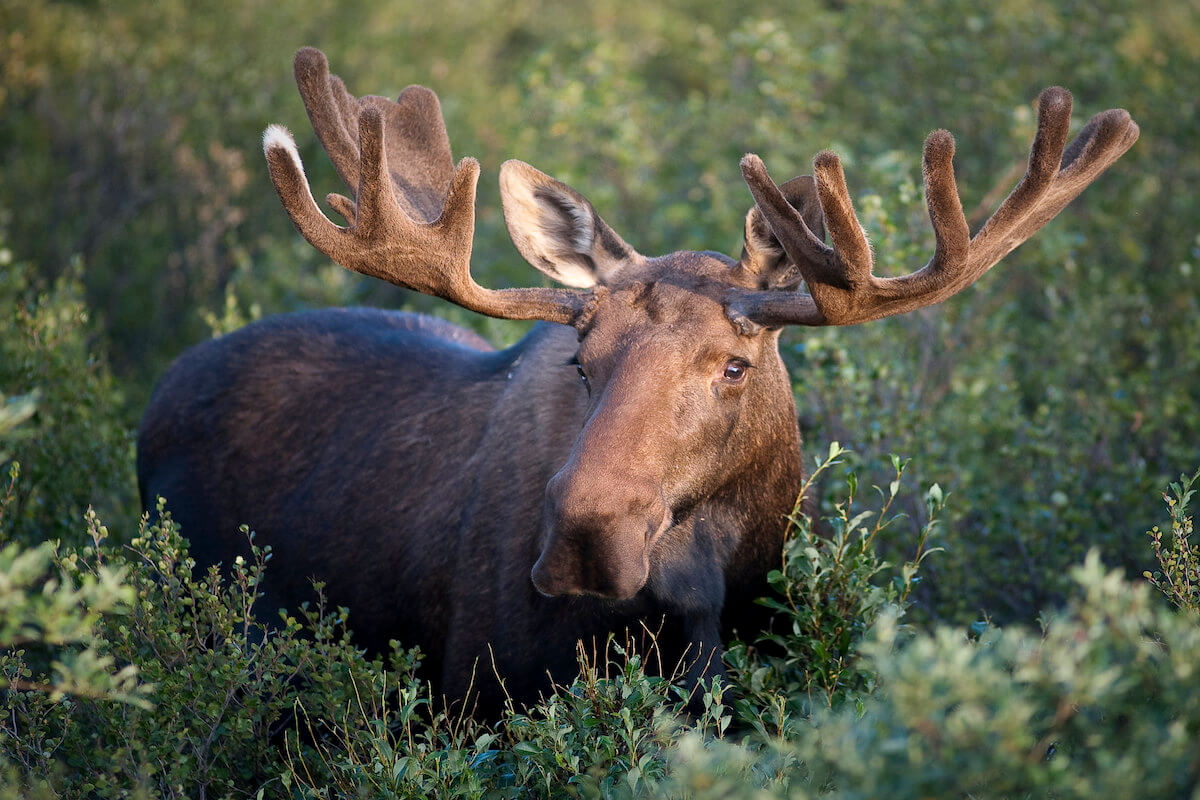
For an animal as large and distinctive as the moose (Alces alces), its presence or absence in a region is usually quite clear. In [California], the situation is more nuanced than a simple yes or no, reflecting the state’s diverse geography and its position at the edge of many species’ natural ranges.
Historical Sightings and Transient Visitors
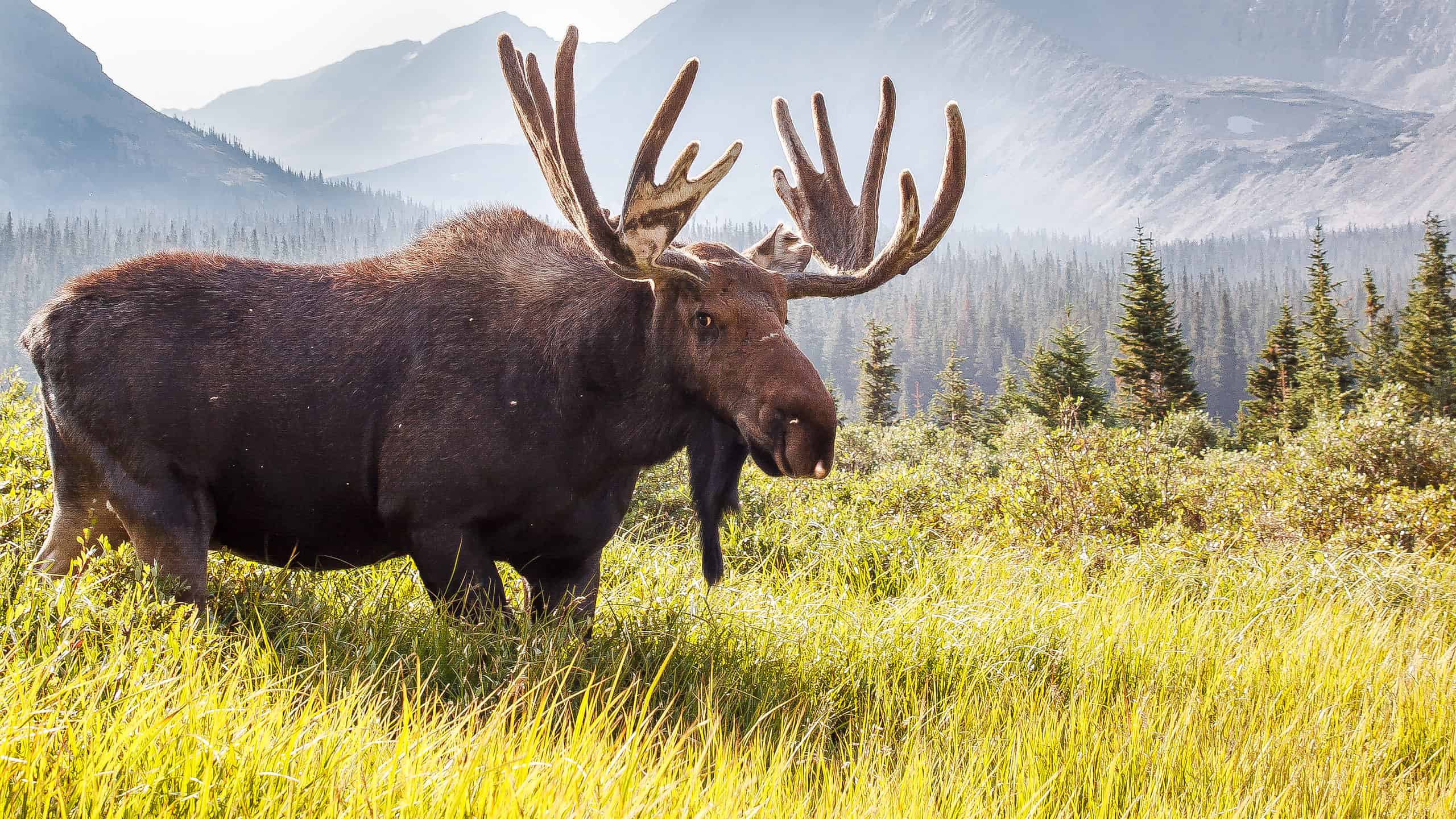
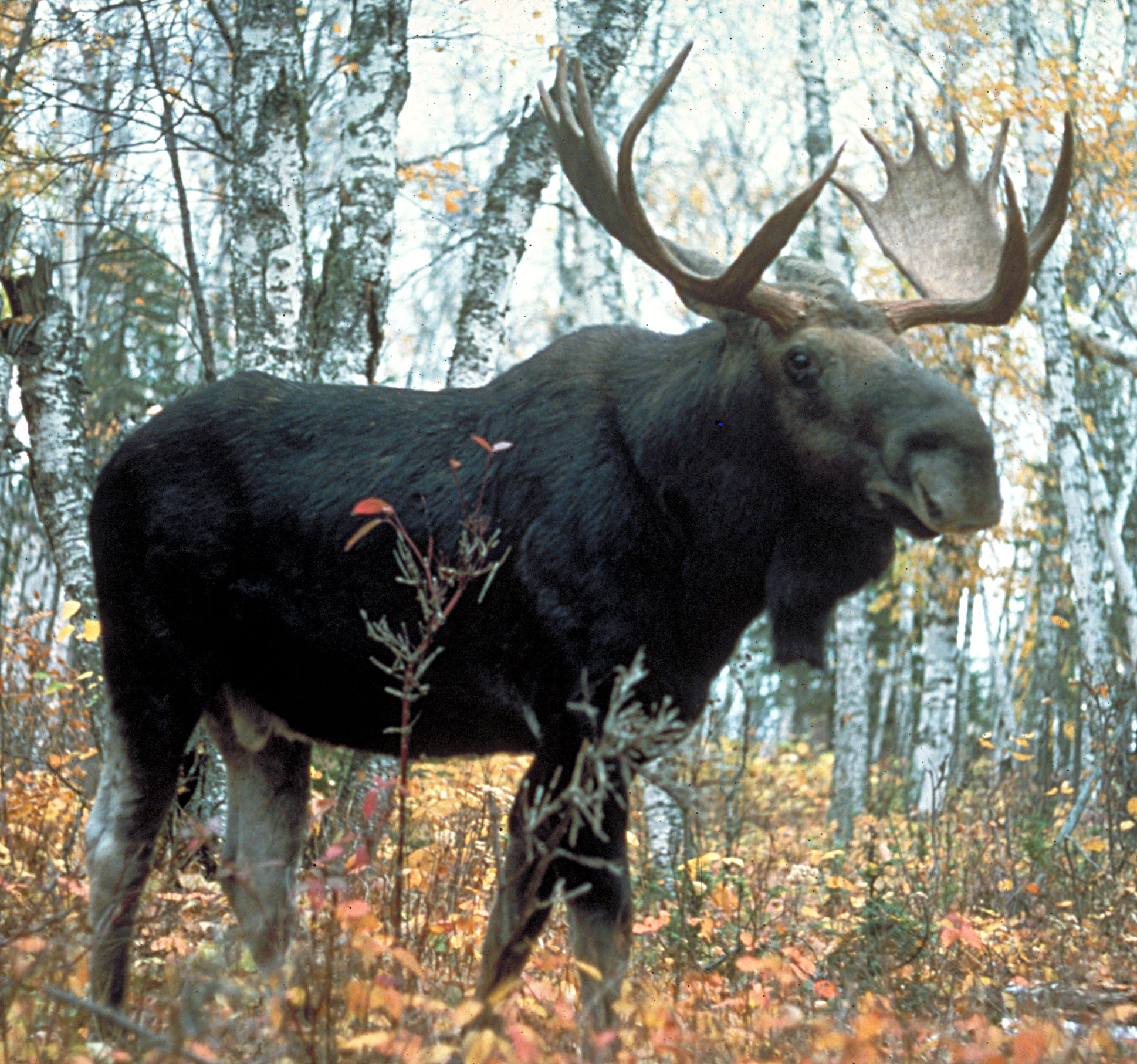
Historically, moose have not been considered native residents of [California]. Their traditional range extends across the northern forests of [Canada], [Alaska], the Rocky Mountains in states like [Montana], [Wyoming], and [Idaho], and into parts of New England. These environments provide the dense coniferous and mixed forests, abundant water sources, and cold winters that moose require to thrive.
However, there have been a handful of incredibly rare and isolated instances where a moose has ventured into [California]. These are almost always young, dispersing males, sometimes referred to as “vagrants,” that have wandered far outside their typical territory. Such sightings have primarily occurred in the extreme northeastern corner of the state, particularly in areas bordering [Oregon] and [Nevada]. These solitary journeys are often arduous and risky for the animals, pushing them beyond their comfort zones and into unfamiliar landscapes.
One notable instance occurred in 2017, when a moose was sighted in [Modoc County], generating significant excitement among wildlife officials and the public. This individual was believed to have originated from a population in [Oregon], where moose populations have been slowly expanding southward. While these sporadic appearances are fascinating and hint at the potential for range expansion under certain conditions, they do not signify a stable, breeding population of moose within [California]. These are not individuals establishing a new home, but rather temporary visitors on extraordinary excursions.
Why [California]’s Climate Isn’t Ideal for Moose
The primary reason moose are not a native, established species in [California] lies in the state’s prevailing climate and ecological conditions, which diverge significantly from their preferred habitat.
- Temperature and Heat Stress: Moose are adapted to cold climates. Their thick coats and large body mass, while excellent for insulation against frigid temperatures, make them highly susceptible to heat stress. Much of [California], even its mountainous regions, experiences prolonged periods of warm to hot weather, especially in the summer. This heat can be detrimental to moose, leading to overheating, reduced foraging, and increased vulnerability to disease and predators.
- Habitat and Food Sources: Moose are browsers, primarily feeding on the leaves, twigs, and bark of deciduous trees and shrubs, as well as aquatic vegetation. They require vast expanses of forest with ample undergrowth, bogs, and wetlands. While [California] certainly has extensive forests, particularly the [Redwood National Park] and [Sierra Nevada] conifer forests, the specific mix of vegetation and the widespread presence of chaparral and drier ecosystems are not optimal for moose diets. The aquatic vegetation they favor in cooler regions is also less widespread in the quantities they would need in most of [California].
- Predators: While moose are formidable animals, they are still subject to predation, particularly young calves. In their native ranges, predators like wolves and bears play a role in population dynamics. While [California] has its share of predators, including black bears and mountain lions, the overall ecosystem dynamics and environmental stressors might make it a challenging place for moose to establish a secure footing.
- Competition: Introducing a new large herbivore could also lead to competition for resources with native species like deer and elk, which are well-established in [California]’s ecosystems.
In essence, [California]’s unique Mediterranean climate, with its warm, dry summers and mild, wet winters, coupled with its specific forest types and vegetation, creates an environment that is generally inhospitable to moose. While climate change might shift species ranges in the future, for now, the [Golden State] remains largely outside the natural home of these magnificent creatures.
[California]’s Rich Biodiversity: Beyond the Moose
While moose sightings are a once-in-a-lifetime rarity in [California], the state more than compensates with an incredibly diverse and accessible array of native wildlife. For travelers interested in nature and eco-tourism, [California] is a treasure trove of iconic species and breathtaking natural landmarks.
Iconic Wildlife and Where to Find Them
[California]’s varied topography, from its expansive coastline along the [Pacific Ocean] to its towering peaks and arid deserts, supports an astonishing variety of ecosystems, each with its own signature fauna.
- Bears: Both [California] black bears (a subspecies of the American black bear) and the elusive grizzly bear (though extirpated from the state in the early 20th century, it remains an iconic symbol on the state flag) are deeply embedded in the state’s natural history. Black bears are common in forested areas, particularly in [Yosemite National Park], [Sequoia National Park], [Kings Canyon National Park], and throughout the [Sierra Nevada Mountains]. Visitors are often advised on bear safety and food storage, making bear encounters a thrilling, if cautious, part of the wilderness experience.
- Mountain Lions: Also known as cougars or pumas, these powerful and secretive predators are found across a wide range of [California]’s wildlands, from coastal mountains to deserts. While rarely seen due to their nocturnal and elusive nature, their presence is a testament to the health of the ecosystem.
- Bighorn Sheep: These magnificent mountain dwellers can be found in the rugged, arid environments of [Death Valley National Park], [Joshua Tree National Park], and other parts of the [Mojave Desert], as well as in the eastern [Sierra Nevada]. Their agility on rocky slopes is truly a sight to behold.
- Marine Mammals: [California]’s extensive coastline is a hotspot for marine life. Gray whales migrate along the coast, offering spectacular whale-watching opportunities from [San Diego] up to the [Mendocino Coast]. Sea lions and harbor seals are ubiquitous along piers and rocky outcroppings, especially at places like [Point Reyes National Seashore] and [La Jolla]. Sea otters can be spotted along the central coast, particularly around [Big Sur] and [Monterey Bay].
- Birds of Prey: The skies above [California] are patrolled by a variety of raptors. The critically endangered California Condor, one of the largest flying birds in [North America], has made a remarkable comeback, with reintroduction programs in areas like [Pinnacles National Park] and near [Big Sur]. Golden eagles, bald eagles, and various hawks and falcons are also common sights in open country and mountainous regions.
- Elk: [California] is home to three subspecies of elk: Roosevelt, Tule, and Rocky Mountain elk. The Tule elk, endemic to [California], are a conservation success story, with populations thriving in reserves like the [Tule Elk State Natural Reserve] and [Point Reyes National Seashore].
Protecting [California]’s Natural Heritage
[California] has a strong legacy of conservation, with numerous state and national parks, forests, and wildlife refuges dedicated to preserving its unique biodiversity. These protected areas are not just habitats for wildlife; they are also crucial for maintaining ecological balance, protecting watersheds, and offering unparalleled opportunities for human connection with nature.
Organizations, both governmental and non-profit, work tirelessly to monitor wildlife populations, restore habitats, mitigate human-wildlife conflicts, and educate the public. From efforts to protect the remaining ancient [Redwood] forests to initiatives safeguarding crucial migratory bird pathways, the commitment to conservation is evident across the state. Travelers who choose to visit these natural areas contribute directly to their upkeep through entrance fees and supporting local economies, playing a vital role in sustainable tourism.
Experiencing [California]’s Wild Side: Travel and Tourism
For travelers seeking immersive wildlife experiences and breathtaking natural beauty, [California] offers a plethora of options that far outweigh the absence of moose. The state is a prime destination for adventure, relaxation, and cultural enrichment, deeply intertwined with its stunning landscapes.
National Parks and Wilderness Adventures
[California] is home to more National Parks than any other state, each offering distinct opportunities for wildlife viewing, hiking, and exploration.
- [Yosemite National Park]: Famous for its dramatic granite cliffs, giant sequoia groves, and waterfalls, [Yosemite] is also a fantastic place to spot black bears, mule deer, and a wide variety of birds. Its accessibility and world-class hiking trails make it a top destination.
- [Redwood National Park] and State Parks: These parks along the northern coast protect the world’s tallest trees and offer a misty, primeval forest experience. Roosevelt elk are commonly seen grazing in meadows within the park, and a diverse bird population thrives in the canopy.
- [Sequoia National Park] and [Kings Canyon National Park]: Home to the largest trees on Earth by volume, these adjacent parks in the [Sierra Nevada] also provide critical habitat for black bears, deer, and many smaller mammals. High-altitude trails offer chances to see marmots and pikas.
- [Joshua Tree National Park]: Where the [Mojave] and [Colorado] deserts meet, this park is famous for its unique trees and surreal rock formations. Desert wildlife includes bighorn sheep, coyotes, various lizards, and a rich birdlife adapted to arid conditions.
- [Death Valley National Park]: The hottest, driest, and lowest national park, [Death Valley] is surprisingly teeming with life, including bighorn sheep, roadrunners, and various reptiles. It’s an extreme but captivating environment.
- [Point Reyes National Seashore]: Located north of [San Francisco], this coastal gem offers spectacular views, a historic lighthouse, and excellent opportunities for whale watching, seal and sea lion viewing, and spotting Tule elk.
- [Big Sur]: This iconic stretch of coastline offers dramatic cliffs, redwood forests, and unparalleled views of the [Pacific Ocean]. It’s a prime location for spotting migrating whales, sea otters, and various seabirds.
Beyond the national parks, [California] boasts numerous state parks, national forests, and wilderness areas that provide equally rewarding experiences, often with fewer crowds. From the volcanic landscapes of [Lassen Volcanic National Park] to the tranquil waters of [Lake Tahoe], every corner of the state holds an adventure.
Sustainable Tourism and Eco-Travel
Embracing sustainable tourism is key to preserving [California]’s natural wonders for future generations. This involves:
- Minimizing Impact: Following “Leave No Trace” principles, staying on marked trails, properly disposing of waste, and respecting wildlife.
- Supporting Local Economies: Choosing local businesses for guides, food, and souvenirs ensures that tourism benefits the communities that live alongside these natural areas.
- Educating Yourself: Learning about the local ecosystem, wildlife, and conservation challenges enhances the travel experience and fosters a deeper appreciation for the environment.
- Responsible Wildlife Viewing: Maintaining a safe distance from animals, never feeding them, and avoiding disturbing their natural behaviors are crucial. Using binoculars and telephoto lenses allows for close-up views without intrusion.
Many tours and accommodations in [California] now focus on eco-friendly practices, offering guided nature walks, wildlife photography workshops, and opportunities to learn about conservation efforts. These experiences provide not only incredible memories but also a chance to contribute positively to the environment.
Planning Your [California] Wildlife Adventure
Embarking on a wildlife-focused trip to [California] requires some planning, but the rewards are immense. Considering the type of experience you seek, from rustic camping to luxurious eco-resorts, will shape your itinerary.
Accommodation Choices: From Rustic to Luxurious
[California]’s diverse travel and tourism infrastructure ensures that there’s an accommodation option for every preference and budget, especially when planning a trip focused on nature and wildlife.
- National Park Lodges and Cabins: Within the national parks, you can often find historic lodges, rustic cabins, and even tent cabins, providing unparalleled access to the natural surroundings. Options like [The Ahwahnee Hotel] in [Yosemite] or [Wuksachi Lodge] in [Sequoia] offer comfort amidst stunning scenery.
- Camping and Glamping: For those who want to be truly immersed in nature, campgrounds are plentiful throughout state and national parks and forests. For a more comfortable “camping” experience, glamping sites—offering luxurious tents or yurts with amenities—are growing in popularity, combining outdoor adventure with creature comforts.
- Boutique Hotels and Eco-Resorts: Near popular natural attractions, charming boutique hotels and eco-resorts often provide a more upscale experience, focusing on sustainability, local sourcing, and unique design. Areas like [Napa Valley], [Sonoma], and [Big Sur] are known for their luxurious retreats that blend seamlessly with the landscape.
- Vacation Rentals and Apartments: For families or longer stays, renting an apartment, villa, or cabin through platforms dedicated to accommodation offers flexibility, privacy, and the ability to cook your own meals, which can be particularly convenient when traveling with specific dietary needs or a large group.
- Budget-Friendly Options: Hostels, motels, and budget hotels are available in towns bordering natural areas, making wildlife adventures accessible to travelers on a tighter budget.
When choosing accommodation, consider its proximity to the wildlife viewing areas you plan to visit, as well as its commitment to sustainable practices. Reviews and comparisons can help you find the perfect fit for your lifestyle and travel preferences.
Essential Tips for Wildlife Spotting
To maximize your chances of seeing [California]’s incredible wildlife, keep these tips in mind:
- Timing is Key: Many animals are most active at dawn and dusk. Plan your excursions for these times.
- Patience and Quiet: Wildlife spotting often requires patience. Move slowly and quietly, and use binoculars or a spotting scope to observe from a distance.
- Local Knowledge: Consult park rangers, local guides, or visitor centers for up-to-date information on recent sightings and the best viewing locations.
- Respect Wildlife: Always maintain a safe and respectful distance. Never feed animals, as this can alter their natural behavior and lead to dependence on humans.
- Safety First: Be aware of your surroundings, especially in bear country. Carry bear spray if recommended and know how to use it. Inform someone of your hiking plans.
- Dress Appropriately: Wear comfortable layers, sturdy hiking boots, and blend in with natural colors.
In conclusion, while the question “Are there moose in [California]?” is met with a fascinating but ultimately rare “no,” the state offers an unparalleled array of wildlife experiences and natural wonders. From the towering redwoods to the vast deserts, and from the marine life of the [Pacific Ocean] to the iconic bears of the [Sierra Nevada], [California] is a premier destination for travelers seeking to connect with the wild. By embracing responsible tourism and planning with intention, you can embark on a truly unforgettable adventure in the [Golden State], discovering its rich biodiversity and leaving with memories that last a lifetime.