
Yes, there are absolutely moose in Colorado, and their presence offers a unique and unforgettable wildlife viewing experience for travelers and nature enthusiasts. While not as historically abundant as in some northern states, Colorado’s moose population has seen a remarkable resurgence over the past few decades, thanks to successful reintroduction programs and conservation efforts. These majestic creatures, with their impressive antlers and docile demeanor, have become an iconic part of the state’s diverse ecosystem, drawing visitors keen to witness them in their natural habitats. For anyone planning a trip focused on wildlife, outdoor adventure, or simply a tranquil escape into nature, seeking out moose in Colorado is an experience that perfectly encapsulates the spirit of the Rocky Mountains. This guide delves into where to find them, how to observe them responsibly, and what makes a Colorado moose-spotting adventure so special.
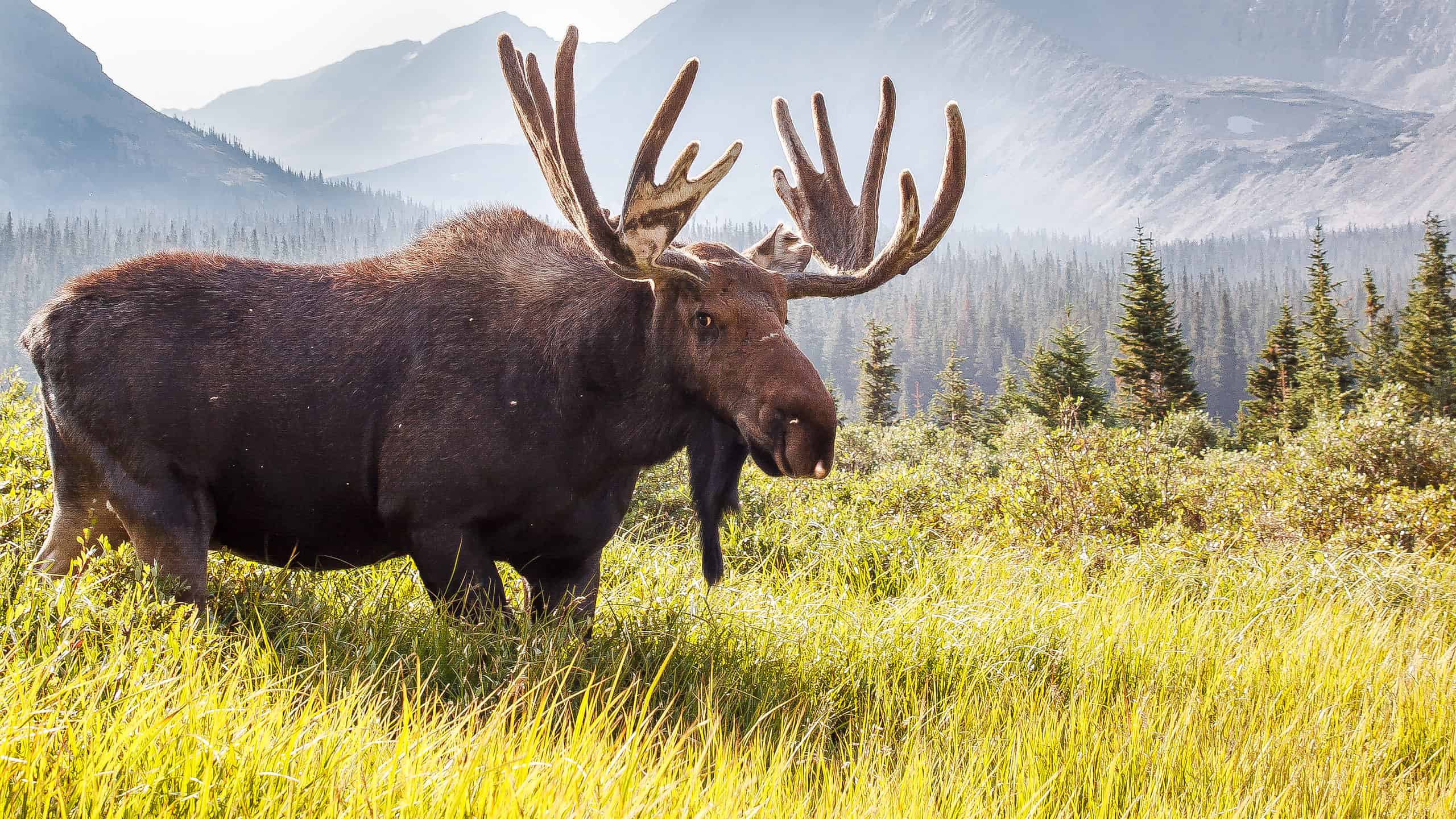
The Majestic Return: Moose Population and History in Colorado
The story of moose in Colorado is a testament to dedicated conservation and habitat restoration. Historically, moose were not widespread in Colorado, with only small, transient populations occasionally wandering into the northern reaches of the state. It wasn’t until the late 1970s that a deliberate effort was made to establish a resident population.
A Successful Reintroduction Story
The first significant reintroduction began in 1978 in North Park, near the town of Walden. This area was chosen due to its ideal habitat, characterized by abundant willow bogs, aspen forests, and plentiful water sources – the preferred diet and environment for Shiras moose, a subspecies found in the western United States. Over the next few years, several dozen moose were translocated from Utah and Wyoming to North Park.
The success of this initial program led to further reintroductions in other suitable habitats across the state, including areas near Steamboat Springs, Creede, and on the Grand Mesa. Today, Colorado’s moose population is thriving, estimated to be well over 3,000 individuals and continually expanding its range. This growth is a significant achievement for wildlife management in the state and has transformed the opportunity for visitors to encounter these magnificent animals. For travelers seeking unique wildlife encounters, understanding this history enhances the appreciation for every sighting. It highlights the delicate balance between human activity and the preservation of natural habitats, making every visit to a moose-populated area not just a recreational activity but also an indirect support for ongoing conservation efforts.
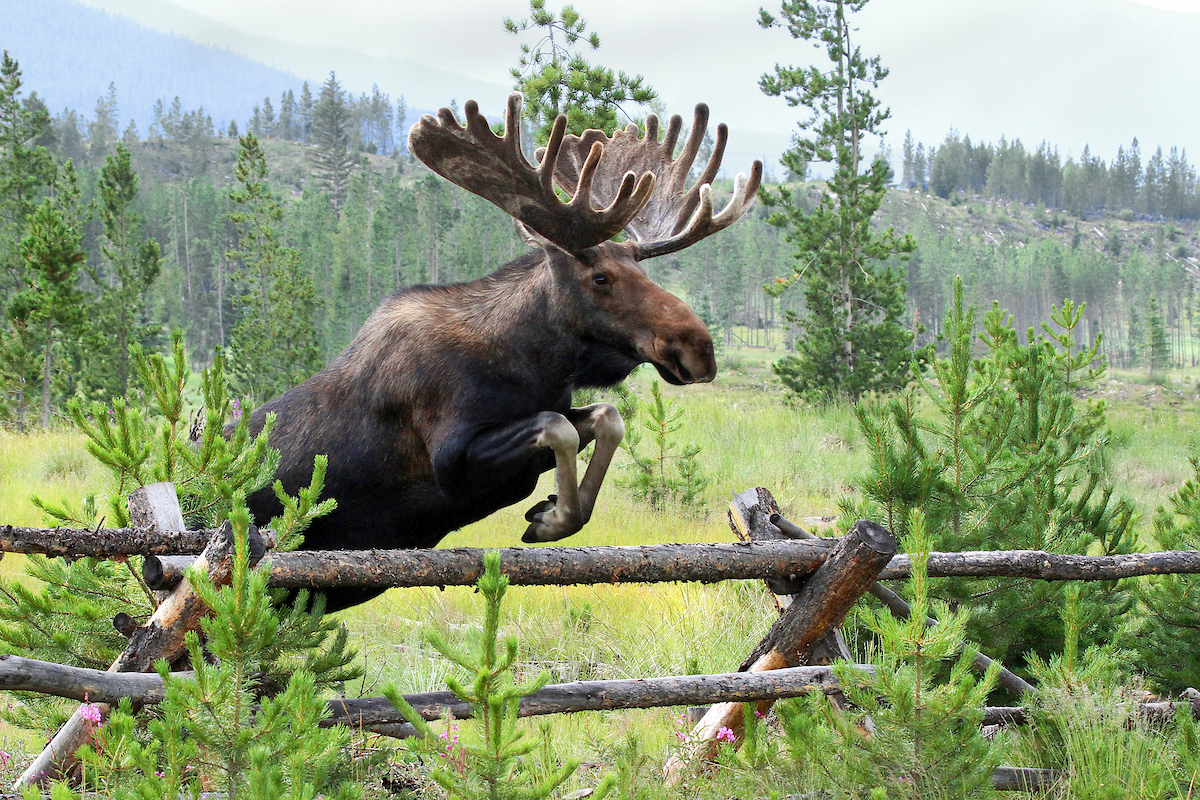
Where to Spot These Gentle Giants: Prime Moose Habitats and Viewing Tips
Knowing where to look is key to a successful moose-spotting adventure in Colorado. These creatures prefer specific types of habitats, and understanding their behavior will significantly increase your chances of an encounter.
Top Moose Viewing Destinations in Colorado
-
North Park (Around Walden): Often dubbed the “Moose Viewing Capital of Colorado,” this high-altitude basin is where Colorado’s moose reintroduction began. The numerous willow-lined creeks and marshy areas provide prime feeding grounds. Drive the scenic routes around Walden, particularly along Highway 14 and County Road 125, often referred to as the Moose Alley. Early mornings and late evenings are the best times to spot them grazing.
-
Rocky Mountain National Park: One of the most famous United States national parks, Rocky Mountain National Park is home to a robust moose population, particularly on the park’s west side around Grand Lake, Shadow Mountain Lake, and Lake Granby. The Kawuneeche Valley, accessible via Trail Ridge Road (when open), is a hotspot. Look for them in marshy meadows and along riverbanks, especially near beaver ponds. The park offers numerous hiking trails that weave through these preferred habitats, providing immersive viewing opportunities.
-
Steamboat Springs and the Routt National Forest: The areas surrounding Steamboat Springs are another excellent location. The Mount Zirkel Wilderness Area and along the Elk River are known for moose sightings. Here, the landscape transitions from lush valleys to dense coniferous forests, offering diverse habitats that moose utilize throughout the year. Winter brings them to lower elevations, making them easier to spot against the snow.

-
Grand Mesa: As the world’s largest flat-top mountain, the Grand Mesa provides a unique high-altitude environment for moose. The numerous lakes and pine forests make it an appealing habitat. Driving along the Grand Mesa Scenic Byway and exploring the side roads often yields sightings, especially near areas with dense willow growth.
-
Gunnison and Crested Butte Area: In central Colorado, the Gunnison Valley and the surrounding mountains, including the Ohio Creek Valley and areas around Crested Butte, are increasingly becoming reliable places to spot moose. The Taylor Canyon offers beautiful scenery and a good chance of seeing moose along the Taylor River.
Essential Tips for Responsible Moose Viewing
When embarking on a moose-spotting adventure, remember that these are wild animals, and respectful observation is paramount for both your safety and their well-being.
- Maintain Distance: Always keep a safe distance, at least 75 feet (25 yards). Moose, especially cows with calves or bulls during the rut (mating season), can be aggressive if they feel threatened. Use binoculars or a telephoto lens for close-up views.
- Best Time of Day: Moose are most active at dawn and dusk. Plan your excursions for these periods to maximize your chances of a sighting.
- Best Time of Year: While moose can be seen year-round, late spring and early summer offer lush greenery and calves, while fall brings the impressive antlers of bulls during the rut. Winter can make them easier to spot against the snow, often forcing them to lower elevations.
- Look for Habitat Clues: Scan willow thickets, marshy areas, and along riverbanks. Moose often stand perfectly still, blending into their surroundings. Look for movement or their dark silhouettes.
- Be Quiet and Patient: Move slowly and quietly. Moose have excellent hearing. Patience is often rewarded.
- Never Approach Calves: A cow moose protecting her calf is one of the most dangerous situations. If you see a calf, assume the mother is nearby and give them a wide berth.
- Avoid Eye Contact: Some wildlife experts suggest avoiding direct eye contact with moose, as they might perceive it as a challenge.
- Do Not Feed Wildlife: Feeding wild animals disrupts their natural foraging behaviors and can make them dependent or aggressive.
- Tell Others: If you see a moose, quietly alert others nearby, but avoid shouting or making sudden movements.
- Respect Their Space: If a moose alters its behavior because of your presence (e.g., stops feeding, looks directly at you, lowers its head), you are too close. Back away slowly.
- Wear Appropriate Attire: Dress in layers, wear sturdy hiking boots, and consider neutral-colored clothing to blend into the environment.
Planning Your Colorado Moose Adventure: Best Seasons and Safety Guidelines
A trip to see moose in Colorado is more than just a wildlife quest; it’s an opportunity to immerse yourself in the state’s stunning natural beauty. Proper planning, including understanding the best times to visit and crucial safety precautions, will ensure a memorable and responsible experience.
Seasonal Considerations for Moose Viewing
Each season in Colorado offers a different perspective and unique opportunities for moose viewing:
- Spring (April-May): As the snow melts, moose begin to move to lower elevations for new growth. This is when calves are typically born, though they can be very well hidden. Seeing a cow with a tiny calf is an incredible, albeit rare, sight. Be extra cautious during this time, as mothers are highly protective.
- Summer (June-August): Moose are generally abundant and active during the summer. They spend much of their time grazing in wetlands and willow thickets to escape the heat and find food. Early mornings and late evenings are prime viewing times. The warm weather also makes hiking and exploring more comfortable.
- Fall (September-October): This is a fantastic time for moose viewing, especially in late September and early October during the rut. Bull moose, with their fully developed antlers, are particularly impressive as they search for mates. The vibrant fall foliage adds another layer of beauty to the landscape. However, moose can be more aggressive during this period due to hormonal changes.
- Winter (November-March): Moose are often easier to spot in winter as they move to lower elevations to find food, and their dark coats stand out against the snow. Snowshoeing or cross-country skiing into quieter areas can provide intimate encounters. Be prepared for cold weather and snowy conditions.
Safety: Ensuring a Smooth and Enjoyable Encounter
While moose are generally not aggressive unless provoked, their immense size and strength demand respect. Understanding moose behavior is crucial for safety.
- Understanding Moose Warning Signs: A moose that feels threatened might lay its ears back, lick its snout, or raise the hair on its hump. If it begins to stomp its feet, lower its head, or walk towards you, it’s a clear warning. Do not wait; slowly back away.
- Never Corner a Moose: Always ensure the animal has an escape route. If you’re on a trail and encounter a moose, especially if it’s lying down, give it plenty of space to move around you or wait for it to move on.
- Use Your Vehicle as a Blind: If you spot a moose from your car, stay inside your vehicle. It provides excellent protection and allows for safe observation.
- Awareness of Surroundings: When hiking, be mindful of your surroundings, especially in dense brush where a moose might be hidden. Making a little noise can help prevent surprising an animal.
- No Headphones: If you’re hiking or exploring on foot, avoid wearing headphones that could prevent you from hearing an approaching animal or warning signs.
- Be Prepared for the Outdoors: Regardless of the season, Colorado’s high-altitude environment can be unpredictable. Carry water, snacks, navigation tools, and extra layers. Inform someone of your itinerary.
Beyond Moose: Exploring Colorado’s Wild Beauty and Accommodation Options
A moose-centric trip to Colorado is also an invitation to explore the state’s broader array of natural wonders and convenient accommodation options, enhancing the overall travel experience. Colorado isn’t just about moose; it’s a vibrant destination offering diverse attractions, from thrilling outdoor activities to relaxing resort stays.
Broader Wildlife and Natural Attractions
While moose are a significant draw, Colorado’s ecosystems are teeming with other incredible wildlife. Keep an eye out for:
- Elk: Especially famous for their majestic bugling during the fall rut in Rocky Mountain National Park and the Estes Park area.
- Bighorn Sheep: Colorado’s state animal, often found on steep, rocky slopes in places like Georgetown and along the Arkansas River.
- Mule Deer: Ubiquitous across the state, these graceful deer are a common sight in forests and meadows.
- Black Bears: While more elusive, bears are present in forested areas. Proper food storage is essential when camping.
- Pikas and Marmots: Delightful small mammals found in the high alpine tundra, particularly in Rocky Mountain National Park.
- A Rich Birdlife: From eagles and hawks soaring overhead to a variety of waterfowl in marshy areas, birdwatchers will find plenty to observe.
Beyond wildlife, Colorado offers unparalleled scenic beauty. Drive the renowned Trail Ridge Road in Rocky Mountain National Park, explore the otherworldly landscapes of the Great Sand Dunes National Park and Preserve, or hike through the stunning red rock formations near Garden of the Gods in Colorado Springs. The state is a paradise for hiking, mountain biking, fishing, rafting, and skiing in winter.
Accommodation and Lifestyle Choices for Your Trip
To make the most of your Colorado wildlife adventure, consider your accommodation options based on your preferred travel style and budget.
- Resorts and Hotels: Many towns near prime moose viewing areas offer a range of hotels and resorts. In Steamboat Springs, for example, you can find luxury resorts with all amenities, ideal for family trips or those seeking a more pampered experience after a day of exploration. For a comprehensive list and comparison, visit the hotels section of Life Out of the Box.
- Cabins and Vacation Rentals: For a more immersive nature experience, consider renting a cabin or vacation home, especially in areas like Grand Lake or near Walden. These options often provide more space, kitchens, and a rustic charm that complements the wildlife theme. They are excellent for longer stays or those seeking local culture.
- Camping: For the truly adventurous and budget-conscious traveler, camping in designated campgrounds within national forests or state parks offers the most direct connection to nature. This can also be an excellent option for long-term stays during peak seasons, though booking in advance is crucial.
- Budget vs. Luxury Travel: Colorado caters to all lifestyles. Budget travelers can find affordable motels, hostels, and campgrounds, while those seeking luxury travel can indulge in high-end resorts, private villas, or boutique hotels in scenic mountain towns. Regardless of your choice, early booking is always recommended, especially during peak seasons like summer and fall.
Integrating your accommodation with your wildlife viewing goals is key. Staying in a town like Grand Lake puts you right at the edge of Rocky Mountain National Park, maximizing your chances of early morning or late evening moose sightings without a long drive. Similarly, a cozy lodge in Walden makes North Park’s “Moose Alley” incredibly accessible.
In conclusion, the answer to “Are There Moose In Colorado?” is a resounding yes, and their presence transforms the state into an even more compelling destination for nature lovers and adventurers. With thoughtful planning, adherence to responsible viewing guidelines, and an open mind to explore beyond just moose, a trip to Colorado promises not just a wildlife encounter but a truly enriching travel experience. So pack your binoculars, prepare for breathtaking landscapes, and get ready to discover the wild heart of the Centennial State.
LifeOutOfTheBox is a participant in the Amazon Services LLC Associates Program, an affiliate advertising program designed to provide a means for sites to earn advertising fees by advertising and linking to Amazon.com. Amazon, the Amazon logo, AmazonSupply, and the AmazonSupply logo are trademarks of Amazon.com, Inc. or its affiliates. As an Amazon Associate we earn affiliate commissions from qualifying purchases.