
The sprawling, majestic landscapes of Montana conjure images of wild animals roaming free, and among the most sought-after sightings for any nature enthusiast is the magnificent moose. These imposing creatures, with their distinctive palmate antlers (on males) and towering stature, are a symbol of the untamed wilderness that Montana so proudly preserves. So, the question on many travelers’ minds, especially those planning a trip to the “Big Sky Country,” is a pertinent one: Are there moose in Montana? The answer is a resounding, and exciting, yes.
Understanding the Moose’s Habitat in Montana
Montana boasts a diverse range of ecosystems, from the rugged peaks of the Rocky Mountains to the vast, open prairies and the dense, riparian forests that hug its many rivers and lakes. It is within these varied environments that the Montana moose finds its home. Their presence is not uniform across the state, however. Certain areas are significantly more conducive to moose populations due to the availability of food, water, and suitable breeding grounds.
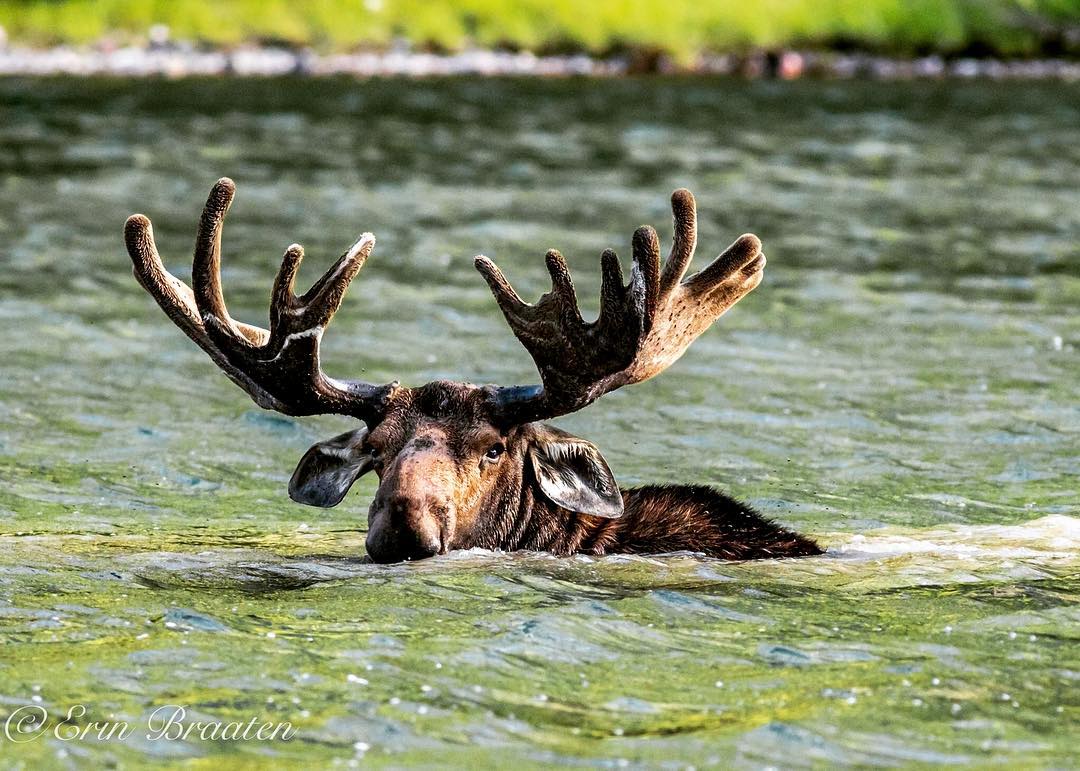
Where to Spot Moose: Prime Moose Territories
When venturing into Montana with the hope of encountering a moose, strategic planning can significantly increase your chances. These animals are most commonly found in areas with abundant willow and aspen stands, as these are their primary food sources. They also favor wetland areas, bogs, and the edges of lakes and rivers, where they can find aquatic vegetation and cool off during warmer months.
Northern and Western Montana: The Moose Hotspots
The western and northern regions of Montana are particularly renowned for their healthy moose populations. The Bob Marshall Wilderness, a vast and remote area, is a prime example. Its extensive forests, high-altitude meadows, and numerous waterways provide ideal conditions for moose to thrive. Likewise, the areas surrounding Glacier National Park and the Flathead National Forest offer excellent opportunities. These regions are characterized by their dense coniferous forests, interspersed with willow-choked valleys and alpine lakes, creating a perfect mosaic for moose.
- Glacier National Park: While often associated with grizzly bears and mountain goats, Glacier National Park is also home to a notable moose population. Areas like Many Glacier and the North Fork of the Flathead River are known for moose sightings, especially in early morning or late evening. The park’s extensive network of trails and the scenic Going-to-the-Sun Road offer accessibility to some of these prime habitats.
- Bob Marshall Wilderness Complex: This is one of the largest wilderness areas in the contiguous United States, and its sheer size and remoteness make it an exceptional place for wildlife viewing, including moose. Access typically requires multi-day backcountry trips, but the reward of experiencing this untouched wilderness and potentially spotting a moose is immense.
- Flathead National Forest: Spanning over 2.4 million acres, the Flathead National Forest encompasses a significant portion of northwestern Montana. It offers numerous trails, campgrounds, and access points to moose habitat, particularly around lakes like Flathead Lake and along the Flathead River.
- Cabinet Mountains Wilderness: Located in northwestern Montana, this wilderness area is characterized by rugged peaks, dense forests, and pristine lakes, all of which are attractive to moose.
Other Areas with Moose Presence
While the western and northern parts of the state are considered prime, moose can also be found in other parts of Montana, albeit in smaller numbers and often in more isolated pockets. Areas with significant riparian zones and undeveloped land, even in eastern Montana, can occasionally support moose. These might include river valleys in the central and eastern parts of the state, especially where agricultural lands meet wilder undeveloped spaces.
Planning Your Moose-Watching Adventure in Montana
Seeing a moose in its natural habitat is a truly unforgettable experience. Montana offers numerous ways to pursue this goal, catering to various levels of adventure and comfort. Whether you prefer a scenic drive, a challenging hike, or a leisurely boat trip, there are options available for everyone.
Experiencing Moose Country: Travel and Accommodation
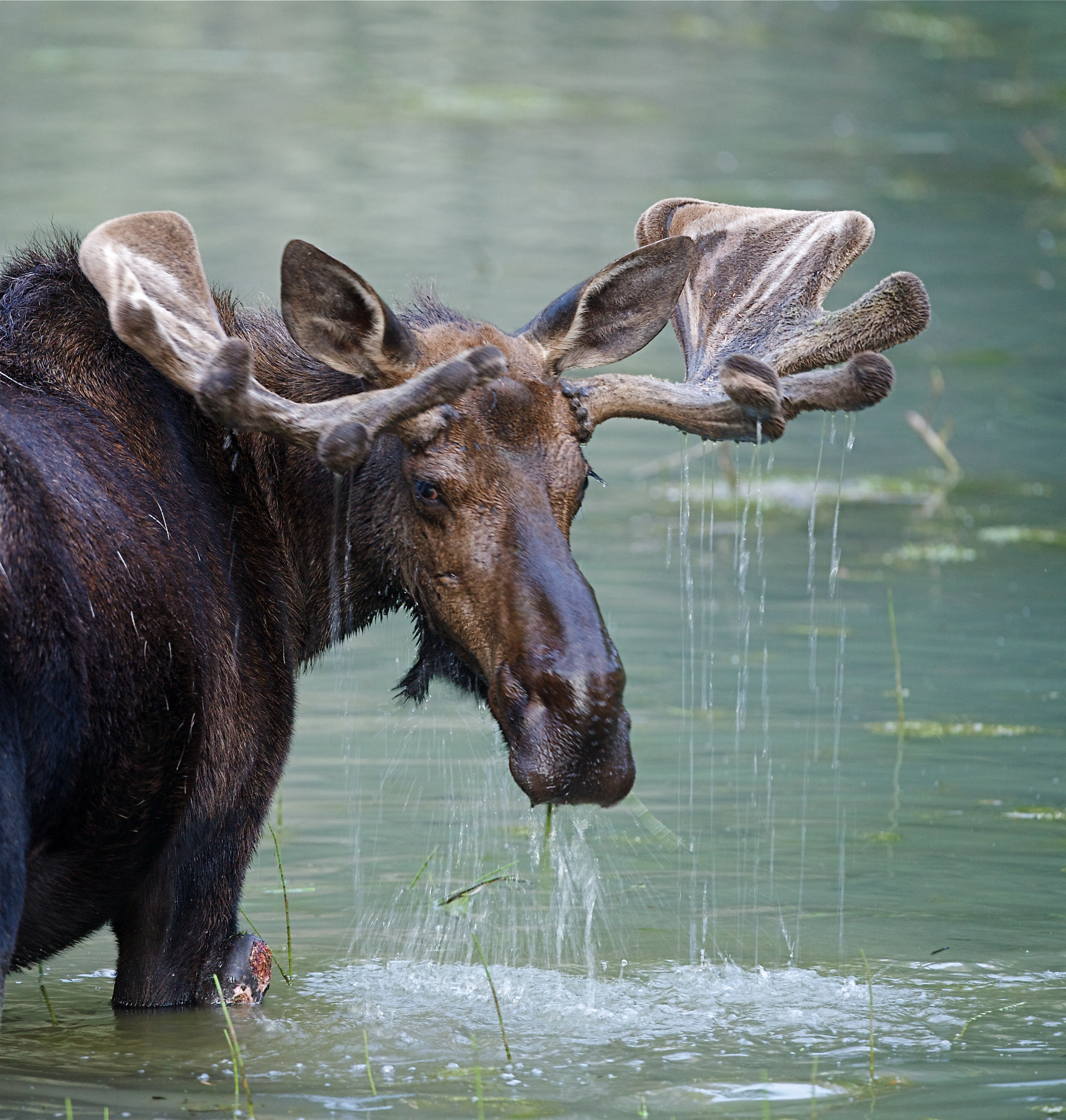
The journey to see Montana‘s moose often involves exploring some of the state’s most breathtaking natural attractions. Planning your trip around these areas not only enhances your chances of a sighting but also allows you to immerse yourself in the stunning Montana scenery.
- Travel Destinations: Beyond the specific wilderness areas and national forests, consider basing your trip in towns that offer good access to moose habitat. Towns like Whitefish, Kalispell, Missoula, and Bozeman (though Bozeman is a bit further south, it offers access to nearby mountain ranges) are excellent starting points. From these locations, you can embark on day trips or plan multi-day excursions into the surrounding wildlands.
- Accommodation Options: The types of accommodation available in Montana reflect its diverse travel appeal.
- Resorts and Lodges: For a comfortable and immersive experience, consider staying at a resort or lodge located near prime moose habitats. Many offer guided tours and wildlife viewing excursions. Examples include lodges near Glacier National Park or in the Flathead Valley.
- Hotels and Motels: In towns like Whitefish or Kalispell, you’ll find a range of hotels and motels offering convenient bases for exploring the wider region.
- Cabins and Vacation Rentals: For a more rustic and secluded experience, renting a cabin or vacation home in a rural area can place you right in the heart of moose country. This allows for early morning and late evening viewing opportunities right from your doorstep.
- Camping: For the truly adventurous, camping within national forests or designated campgrounds offers the most intimate connection with nature and a heightened chance of wildlife encounters. Remember to practice safe camping and wildlife viewing protocols.
Activities for the Avid Wildlife Enthusiast
Once you are in Montana‘s moose country, several activities can enhance your wildlife viewing experience.
- Hiking: Many trails in national forests and parks wind through prime moose habitat. Trails leading to alpine lakes, through dense forests, or along river bottoms are particularly promising. Always carry bear spray and be aware of your surroundings.
- Scenic Drives: Many roads in Montana offer stunning vistas and pass through areas where moose are known to frequent. The Going-to-the-Sun Road in Glacier National Park is a prime example, offering breathtaking scenery and opportunities to spot wildlife from the comfort of your vehicle. Other scenic byways through national forests can also yield sightings.
- Boating and Kayaking: Exploring lakes and rivers by boat or kayak can offer unique perspectives and access to areas along the water’s edge where moose often feed and drink.
- Guided Tours: Consider booking a guided wildlife tour. Local outfitters and guides possess invaluable knowledge of moose behavior and the best locations for sightings. They can also provide essential safety information.
Tips for Safe and Respectful Moose Encounters
While the prospect of seeing a moose is exciting, it’s crucial to remember that these are wild animals. Maintaining a safe distance and respecting their space is paramount for both your safety and the well-being of the moose.
Safety First: Observing Moose Responsibly
Moose are the largest members of the deer family and can be unpredictable, especially during the mating season (fall) or when they have calves.
- Maintain Distance: Never approach a moose. A safe viewing distance is generally considered to be at least 100 yards (about 91 meters). Use binoculars or a telephoto lens for close-up photos.
- Do Not Feed Moose: Feeding wildlife is harmful to their health and can lead to aggressive behavior as they associate humans with food.
- Be Aware of Your Surroundings: Always be vigilant when hiking or exploring. Moose can be found in unexpected places, even near trails or roads. If you see a moose, give it plenty of space to move away.
- Recognize Warning Signs: If a moose’s ears are flattened back, it is licking its lips, or it is stamping its feet, it may be feeling threatened and could charge. Slowly back away from the animal.
- Travel in Groups: When hiking in moose country, traveling in a group can deter moose from approaching. Making noise, such as talking loudly or singing, can also help alert moose to your presence, giving them a chance to move away before you encounter them.
- Carry Bear Spray: While you’re looking for moose, you might also encounter bears. It’s always wise to carry bear spray and know how to use it when in Montana‘s wilderness.
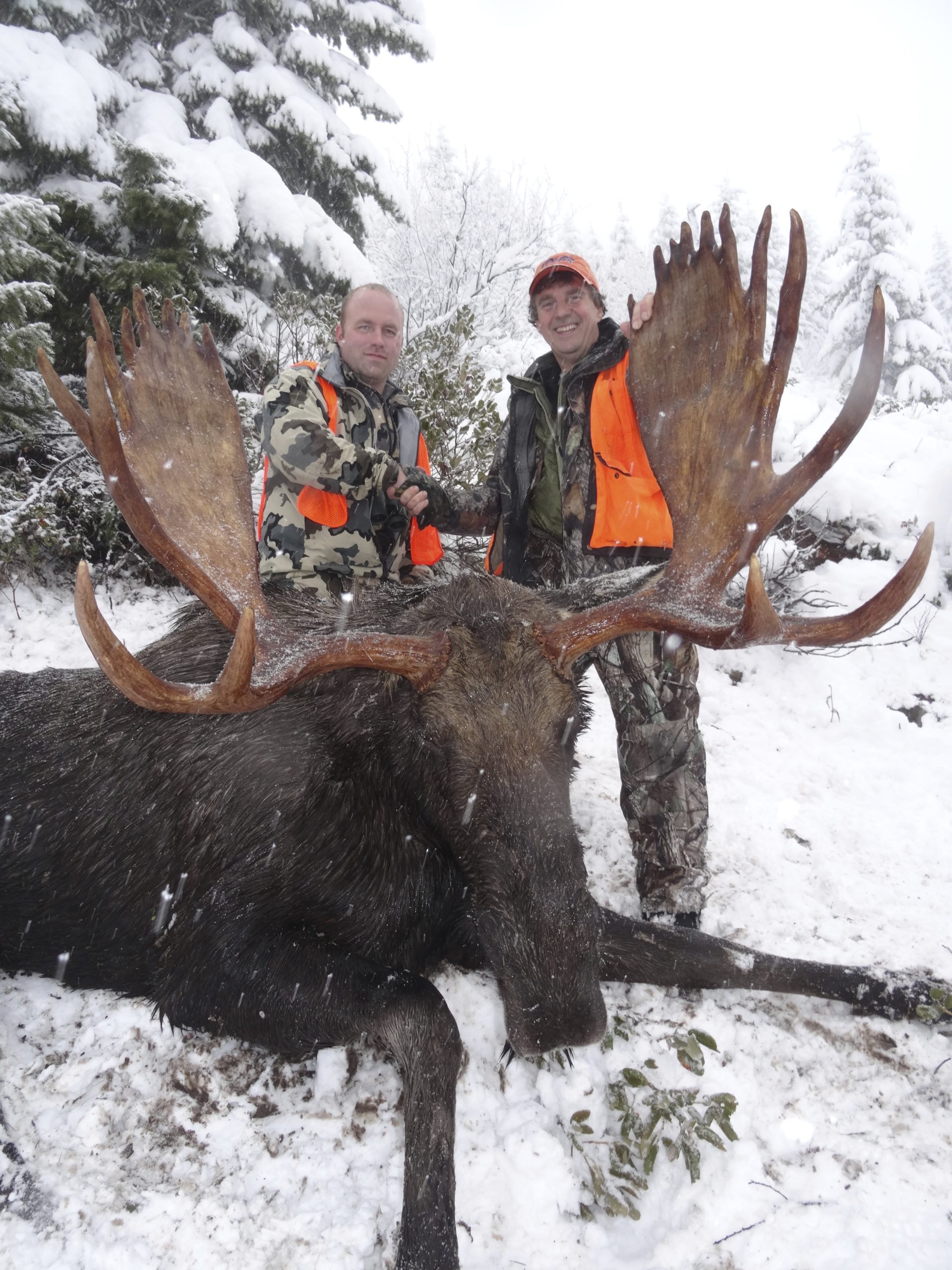
Understanding Moose Behavior and Life Cycle
The behavior of moose can vary throughout the year, influencing when and where you are most likely to see them.
- Breeding Season (Rut): In the fall, bull moose are actively seeking cows and can be more aggressive and less aware of their surroundings. It is especially important to exercise caution during this period.
- Calving Season: In late spring and early summer, cows are protective of their newborn calves. Never get between a mother and her calf.
- Diet: Moose are herbivores and spend much of their time browsing on leaves, twigs, and aquatic plants. They are often seen in willow thickets, aspen groves, and marshy areas.
- Migration: While moose are generally not migratory in the same way as some other animals, they do move to different areas seasonally to find food and escape harsh weather conditions. In winter, they may descend to lower elevations where food is more accessible.
By understanding these behaviors and following safety guidelines, you can have a rewarding and responsible wildlife viewing experience in Montana, increasing your chances of spotting these majestic animals while ensuring their continued presence in this beautiful state. The thrill of spotting a moose in the wild, amidst the stunning backdrop of Montana‘s landscapes, is a testament to the rich biodiversity that makes this region so special.
LifeOutOfTheBox is a participant in the Amazon Services LLC Associates Program, an affiliate advertising program designed to provide a means for sites to earn advertising fees by advertising and linking to Amazon.com. Amazon, the Amazon logo, AmazonSupply, and the AmazonSupply logo are trademarks of Amazon.com, Inc. or its affiliates. As an Amazon Associate we earn affiliate commissions from qualifying purchases.