
Oregon, a state celebrated for its diverse landscapes ranging from the rugged Oregon Coast to the majestic Cascade Mountains, might conjure images of towering trees, pristine rivers, and abundant wildlife. While many visitors and residents are familiar with the deer, elk, and bears that roam its wild spaces, a more elusive and magnificent creature sometimes graces the Oregon wilderness: the moose. The question of whether moose inhabit Oregon is not just a matter of curiosity for wildlife enthusiasts but also a testament to the state’s capacity to support a wide array of fauna.
Historically, moose populations in Oregon have been subject to fluctuations and have primarily been concentrated in specific regions. Understanding their presence involves delving into their habitat preferences, the challenges they face, and the efforts made to conserve these impressive animals. For those planning outdoor adventures, particularly in the eastern parts of the state, knowing where and when to potentially spot a moose adds an extraordinary dimension to their Oregon experience.
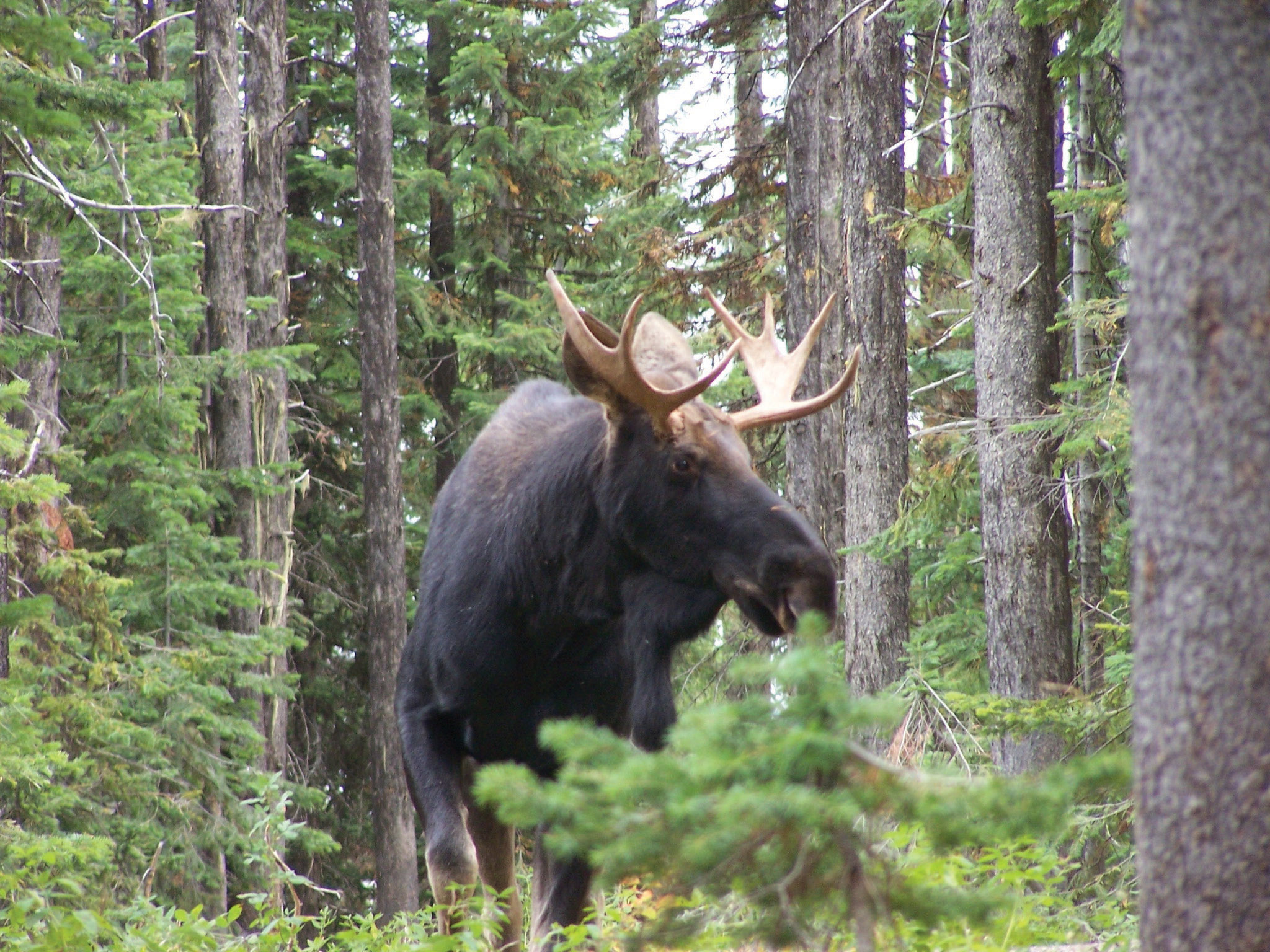
Understanding Oregon’s Moose Population
The presence of moose in Oregon is a fascinating aspect of the state’s natural history, characterized by a reintroduction and subsequent natural expansion into suitable habitats. Unlike the widespread distribution of elk or deer, moose in Oregon have historically been less common and more geographically restricted, making sightings a special occasion.
Historical Presence and Reintroduction Efforts
Moose, scientifically known as Alces alces, are the largest members of the deer family, recognized by their immense size and distinctive palmate antlers. In Oregon, their historical presence is not as deeply ingrained as in some of the more northern or eastern states with vast boreal forests. For a significant period, moose were considered extirpated, or locally extinct, from Oregon. However, a crucial turning point arrived with a successful reintroduction program.
In the late 1960s and early 1970s, the Oregon Department of Fish and Wildlife (ODFW) initiated efforts to re-establish moose in the state. This initiative involved capturing and relocating moose from other areas, primarily Alaska and Montana, into suitable habitats within Oregon. The aim was to create a viable breeding population that could thrive and potentially expand its range. These early efforts laid the groundwork for the moose populations that exist today, demonstrating a commitment to preserving the state’s rich biodiversity.
Current Distribution and Habitat Preferences
The success of the reintroduction programs, coupled with natural migration, has led to a modest but established moose population in Oregon. The primary stronghold for moose is now in the northeastern corner of the state, particularly in the Wallowa Mountains region. This area offers the ideal combination of dense forests, open meadows, and abundant water sources that moose require to survive and reproduce.
Moose are semi-aquatic herbivores, meaning their diet and habitat are closely tied to water. They prefer wetlands, riparian areas, willow swamps, and young, dense forests. Their diet consists mainly of twigs, bark, leaves, and aquatic vegetation. In Oregon, this translates to seeking out areas with abundant willows, aspen, and sedges, often found in the higher elevations of the Blue Mountains and the fringes of the Ochoco National Forest. While the majority are found in the northeast, occasional sightings have been reported in other parts of the state, suggesting a slow but steady expansion of their territory, though these are often individuals dispersing from the core population.
Where to Potentially Spot Moose in Oregon
For wildlife enthusiasts and adventurous travelers, the prospect of spotting a moose in Oregon is an exciting one. While sightings are not guaranteed, focusing on specific regions and understanding moose behavior significantly increases the chances of a memorable encounter with these magnificent animals.
Northeastern Oregon: The Moose Stronghold
The northeastern part of Oregon is unequivocally the best region for moose enthusiasts. This area, characterized by rugged mountains, extensive national forests, and a network of rivers and lakes, provides the critical habitat that moose populations have established and are expanding from.
The Wallowa Mountains and Surrounding Areas
The Wallowa Mountains, often referred to as the “Alps of Oregon,” and the surrounding national forests like the Wallowa-Whitman National Forest, are prime moose territory. Within this vast wilderness, specific areas are more conducive to moose sightings. Look for them near riparian zones along rivers like the Grande Ronde River and its tributaries. Swamps, marshes, and lakes, particularly those fringed with willow and aspen, are also excellent places to search.
Wildlife viewing often involves patience and early morning or late evening excursions, as moose tend to be most active during these crepuscular hours. Driving along less-trafficked forest roads, especially those that pass through meadows or alongside wetlands, can also yield sightings. The areas around Joseph and Enterprise offer access to these prime moose habitats. For those interested in organized wildlife tours or information, contacting local ranger stations or the ODFW regional office can provide the most up-to-date insights on recent sightings and best viewing locations.
Other Potential Regions and Dispersal Patterns
While northeastern Oregon is the primary area, it’s not entirely unheard of for moose to venture into other parts of the state. These instances are typically due to dispersal, where young males, in particular, leave established territories in search of new areas or mates.
Dispersal Routes and Occasional Sightings

Moose have been known to travel significant distances, and occasional sightings have been reported in areas west of the Cascades, though these are rare and often isolated. Areas with sufficient water and suitable vegetation, even if fragmented, can attract dispersing moose. For instance, isolated wetlands or river valleys in the Blue Mountains or even further west could become temporary habitats for these wandering individuals.
It’s important to note that these sightings are less predictable than in their core range. If you are exploring areas like the Mount Hood National Forest or the Willamette Valley for other reasons, keeping an eye out for signs of moose – such as large tracks or browse marks on trees – might lead to a surprising discovery. However, for a dedicated moose-viewing trip, focusing on northeastern Oregon remains the most strategic approach.
Wildlife Viewing Ethics and Safety with Moose
Encountering wildlife in its natural habitat is a privilege, and it’s crucial to approach such encounters with respect and a strong emphasis on safety, both for yourself and for the animals. Moose, despite their sometimes placid appearance, are powerful and potentially dangerous creatures that deserve a wide berth.
Observing Moose Responsibly
When venturing into areas where moose are known to reside, responsible observation is paramount. This means prioritizing the well-being of the animal and its environment above all else.
Maintaining a Safe Distance and Avoiding Disturbance
The cardinal rule of wildlife viewing is to never approach or feed wild animals. Moose are particularly large and can be unpredictable, especially if they feel threatened, are protecting young, or are in the rutting season. A recommended safe distance is at least 100 yards (about 90 meters). Always use binoculars or a telephoto lens to get a closer look without disturbing them. Avoid making loud noises, sudden movements, or attempting to block their path. If a moose changes its behavior or seems agitated, it’s a sign that you are too close, and you should slowly and calmly back away. Remember that the goal is to observe them in their natural state, not to interfere with their lives.
Recognizing and Responding to Moose Behavior
Understanding basic moose behavior can help you avoid potentially dangerous situations. Moose can be aggressive if they feel cornered or if their calves are nearby.
Signs of Agitation and Protective Measures
Signs of agitation in a moose can include flattened ears, raised hackles, and a swishing tail. If a moose is stomping its feet or making huffing sounds, it’s a clear indication that it perceives you as a threat. In such cases, do not run, as this can trigger a chase response. Instead, slowly back away while keeping the moose in sight. If a moose charges, try to get behind a large object like a tree or a rock. It’s also important to be aware of your surroundings; always know your escape routes. When hiking or driving in moose country, be particularly vigilant near water bodies and dense vegetation where moose are likely to be feeding or resting. Carrying bear spray can also provide an additional layer of safety, as it can be effective against moose charges as well.
The Future of Moose in Oregon
The story of moose in Oregon is one of conservation success, with ongoing efforts to ensure their continued presence and prosperity within the state’s diverse ecosystems. The future of these majestic animals hinges on continued habitat preservation, effective wildlife management, and public awareness.
Conservation Efforts and Challenges
The reintroduction and management of moose populations are complex undertakings that require dedicated scientific research and stewardship.
Habitat Protection and Wildlife Management Strategies
The Oregon Department of Fish and Wildlife plays a vital role in monitoring the moose population, conducting surveys, and implementing management strategies. Protecting their preferred habitats, particularly the wetlands and forest areas in northeastern Oregon, is crucial. This involves working with land management agencies like the U.S. Forest Service and the Bureau of Land Management to ensure that development and resource extraction activities do not degrade critical moose habitats. Challenges include managing human-wildlife conflicts, mitigating the impact of disease, and addressing the effects of climate change on their food sources and habitat. Public cooperation, through responsible recreation and support for conservation initiatives, is also a key component of ensuring a healthy future for Oregon’s moose.
The Role of Ecotourism and Public Awareness
As more people become aware of the possibility of spotting moose in Oregon, the potential for ecotourism grows, which can further support conservation efforts.
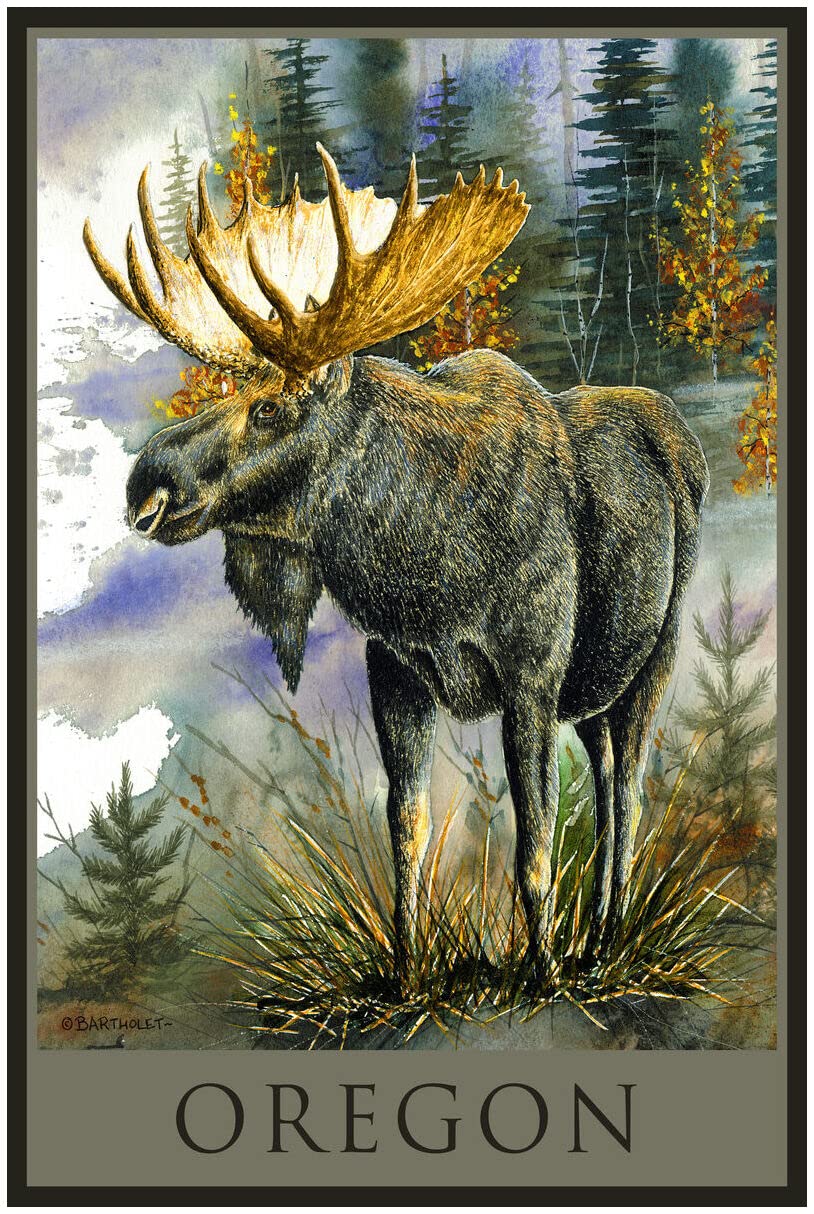
Promoting Responsible Wildlife Tourism
Responsible ecotourism centered around wildlife viewing can provide economic incentives for communities in moose habitat regions, encouraging them to support conservation. Educational programs that highlight the importance of moose and their ecological role can foster greater public appreciation and stewardship. When travelers visit Oregon with the hope of seeing moose, they are encouraged to do so ethically, adhering to viewing guidelines and supporting local businesses that promote conservation. By fostering a deeper understanding and appreciation for these magnificent animals, Oregon can ensure that moose continue to be a wild and awe-inspiring part of its natural heritage for generations to come.
LifeOutOfTheBox is a participant in the Amazon Services LLC Associates Program, an affiliate advertising program designed to provide a means for sites to earn advertising fees by advertising and linking to Amazon.com. Amazon, the Amazon logo, AmazonSupply, and the AmazonSupply logo are trademarks of Amazon.com, Inc. or its affiliates. As an Amazon Associate we earn affiliate commissions from qualifying purchases.