
The image of Arizona that often springs to mind is one of vast, sun-baked deserts, towering cacti, and arid landscapes stretching as far as the eye can see. Many travelers envision a state where the only buzz comes from the cicadas and the heat shimmers off endless red rock. This perception leads to a common question for those planning a visit: “Are there mosquitoes in Arizona?” The answer, perhaps surprisingly to some, is a resounding yes. While not as universally pervasive as in humid, tropical climates, mosquitoes are indeed a part of the Arizona ecosystem, and understanding their presence is crucial for an enjoyable and comfortable trip, whether you’re exploring bustling cities, serene national parks, or luxurious resorts.
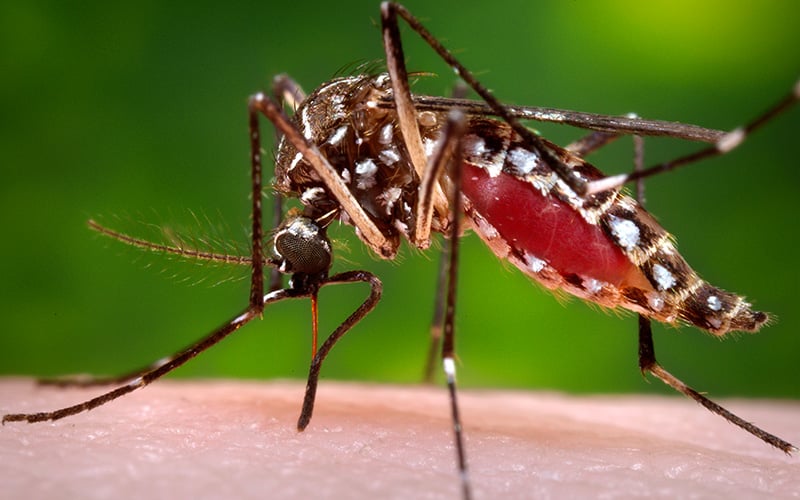
The existence of mosquitoes in a state synonymous with desert might seem contradictory, but Arizona is a land of incredible geographical diversity. From the low desert valleys of Phoenix and Tucson to the high elevations of Flagstaff and the riparian corridors of its various rivers, the state offers a mosaic of microclimates where these tiny insects can thrive. For those embarking on a journey through the Grand Canyon, relaxing by a hotel pool in Scottsdale, or hiking through Sedona’s red rock country, being prepared for mosquitoes is a small but significant detail that can enhance the overall travel experience.
The Surprising Truth: Mosquitoes in the Desert State
The notion that mosquitoes are absent from desert environments is a common misconception. While they don’t infest every corner of the Sonoran Desert year-round, specific conditions and seasons create ideal breeding grounds. For travelers, understanding these dynamics is key to planning itineraries and packing essentials. Arizona’s unique climate patterns, especially the summer monsoon season, play a pivotal role in mosquito populations.
Dispelling the Myth: Beyond Cacti and Canyons
When you picture Arizona, you likely visualize towering saguaros and vast, dry expanses. However, this beautiful state is also home to significant water sources, both natural and man-made, that provide the perfect breeding habitats for mosquitoes. The Colorado River and its tributaries, numerous lakes like Lake Havasu City, and the extensive irrigation systems that support agriculture and urban landscaping all contribute to localized mosquito populations. Cities such as Phoenix and Tucson, with their lush golf courses, ornamental ponds, and residential swimming pools, create urban oases where mosquitoes can proliferate. Even small puddles from sprinklers or decorative fountains can become nurseries for these insects.
Travelers exploring the less arid regions, such as the Verde Valley with its picturesque rivers, or national parks like Saguaro National Park which experiences periodic rainfall, might encounter mosquitoes more frequently. Furthermore, areas around famous natural landmarks like Antelope Canyon or Horseshoe Bend, while seemingly remote, are often near water bodies where mosquitoes can gather, particularly during dusk and dawn. Dispelling the myth that deserts are mosquito-free is the first step in preparing for a comfortable Arizona adventure.
When and Where They Thrive: Monsoon Season and Water Sources
The peak mosquito season in Arizona largely coincides with the summer monsoon season, which typically runs from mid-June through September. During these months, the state receives significant rainfall, leading to standing water in various forms: roadside ditches, temporary pools in washes, water collected in plant pots, and even puddles in urban environments. This abundance of water, combined with warm temperatures, creates ideal conditions for mosquito breeding and activity.
Travelers visiting during these months, especially to destinations like Phoenix or Tucson where the monsoons are most impactful, should be particularly vigilant. Evening outdoor activities, such as dining al fresco or enjoying hotel amenities, might see a noticeable increase in mosquito presence. Beyond the monsoon, perennial water sources like rivers, lakes, and wetland areas can support mosquito populations throughout much of the year, albeit in lower numbers during the cooler, drier winter months. Places along the Colorado River or near the dams and reservoirs will almost always have some mosquito activity. Even cultural heritage sites like Montezuma Castle National Monument, situated near natural springs, can be areas where mosquitoes congregate.
Understanding Arizona’s Mosquito Landscape for Travelers
For visitors, understanding the types of mosquitoes present and the potential risks they pose is essential for peace of mind. While most bites are merely an itchy nuisance, some mosquito species can carry diseases. Furthermore, the presence of mosquitoes can subtly, or overtly, impact planned travel activities and overall enjoyment of Arizona’s natural beauty and urban attractions.
Common Species and Potential Concerns
Several species of mosquitoes call Arizona home, with some of the most common being Culex and Aedes species. While the majority of mosquito bites are harmless beyond the irritation, these insects are vectors for certain diseases. The most significant concern in Arizona is West Nile Virus, which is endemic to the region and sees increased transmission during the peak mosquito season. Symptoms can range from mild, flu-like illness to more severe neurological conditions in a small percentage of cases. Local health authorities actively monitor mosquito populations and disease prevalence, and public health advisories are issued as needed.
Other mosquito-borne illnesses, such as Zika Virus, dengue, and chikungunya, are less common in Arizona and typically associated with travel to affected areas outside the state. However, the presence of Aedes mosquitoes, which can transmit these viruses, means that local health agencies remain vigilant. For most travelers, the primary concern will be preventing bites to avoid discomfort and the minor risk of West Nile Virus. It’s always advisable to check the latest health advisories from the Arizona Department of Health Services or local county health departments before and during your trip, especially if you plan extended outdoor stays.
Impact on Outdoor Activities and Attractions
The presence of mosquitoes can certainly influence how travelers experience Arizona’s renowned outdoor attractions. Imagine planning a stunning sunset hike through South Mountain Park and Preserve near Phoenix, only to be driven indoors by incessant buzzing and biting. Or perhaps a serene evening spent stargazing near Canyon de Chelly National Monument is marred by the need to constantly swat away insects.
Popular activities like hiking, camping, birdwatching, and watersports, especially those near riparian areas or after rainfall, can be impacted. For instance, a rafting trip down the Colorado River through the Grand Canyon might expose you to mosquitoes in certain calmer, vegetated stretches. Even urban tourism, such as exploring outdoor markets, dining on patios, or enjoying resort amenities like swimming pools or outdoor lounges, can be affected. However, with proper preparation, these impacts can be minimized. It’s not about avoiding Arizona’s incredible outdoor offerings, but rather about being smart and proactive in your defense. Many resorts and hotels, especially those with extensive landscaping and water features, employ pest control measures to ensure guest comfort, but personal precautions remain paramount.
Essential Prevention Strategies for Your Arizona Trip
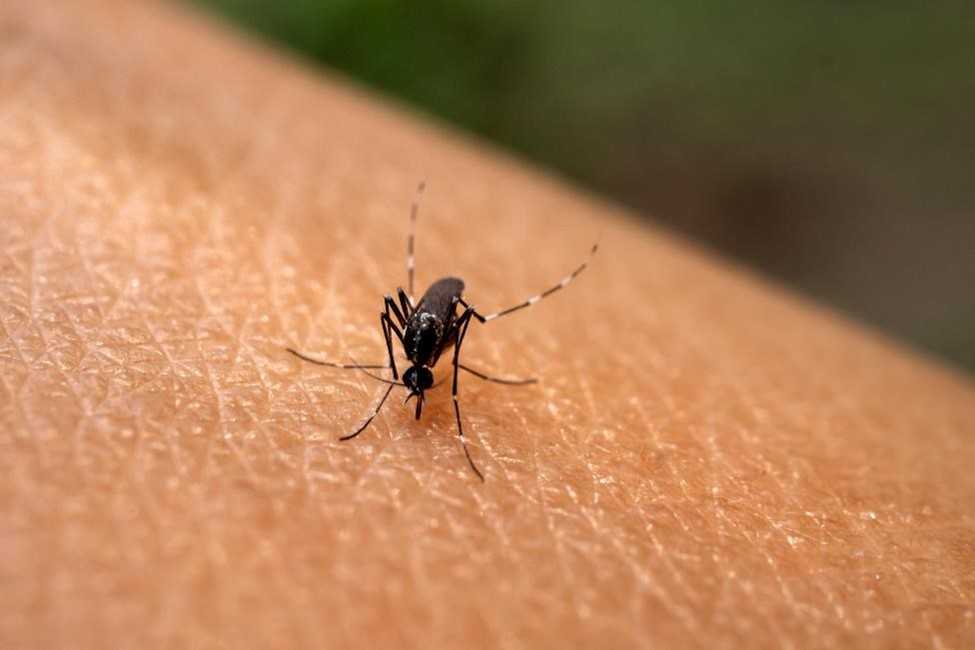
Equipping yourself with the right knowledge and tools is the best defense against mosquitoes in Arizona. Whether you’re on a luxury Scottsdale getaway, a budget-friendly camping trip, or a family adventure to the Petrified Forest National Park, a few simple strategies can make a world of difference in preventing bites and ensuring a more enjoyable journey.
Personal Protection: Repellents, Clothing, and Timing
The cornerstone of mosquito bite prevention is personal protection. Insect repellents containing DEET, Picaridin, Oil of Lemon Eucalyptus (OLE), or IR3535 are highly effective. For most adults, a repellent with 20-30% DEET offers long-lasting protection. Always follow the product instructions, especially when applying to children. Consider packing a small bottle in your daypack for easy reapplication, particularly if you’re spending extended time outdoors or near water.
Appropriate clothing also plays a crucial role. Opt for long-sleeved shirts and long pants, especially during dawn and dusk when mosquitoes are most active. Lightweight, breathable fabrics are ideal for Arizona’s warm climate. Light-colored clothing may also be preferable as some studies suggest mosquitoes are attracted to darker colors.
Finally, timing your activities can significantly reduce exposure. If possible, avoid being outdoors during peak mosquito hours, which are typically early morning and late evening. Enjoying a mid-day hike in the Grand Canyon or exploring the shops in Sedona when the sun is high will generally expose you to fewer mosquitoes than a sunset stroll along a riverbank. For those engaged in camping or glamping, ensuring your tent or screened areas are sealed can provide a much-needed sanctuary.
Choosing Mosquito-Conscious Accommodation
When selecting your accommodation in Arizona, particularly during the monsoon season or in areas with known mosquito activity, consider options that prioritize guest comfort and pest management. Many high-end hotels and resorts in Phoenix, Scottsdale, and Tucson, such as properties under the Marriott, Hilton, or Hyatt brands, often have sophisticated pest control programs in place. These might include regular spraying of grounds, maintaining well-drained landscaping, and offering screened patios or enclosed outdoor spaces.
If you’re opting for vacation rentals through platforms like Airbnb or VRBO, read reviews carefully for any mentions of insect issues. Look for properties with screened windows and doors, or those with well-maintained outdoor areas. For those considering a long-term stay, checking the property’s pest control practices before booking is a good idea. Accommodation with air conditioning can also provide a mosquito-free refuge, as mosquitoes prefer warmer, humid environments. Ultimately, a well-chosen hotel or resort can significantly reduce your exposure to mosquitoes, allowing you to fully enjoy amenities like outdoor pools, dining terraces, and lush gardens without constant annoyance.
Maximizing Your Experience While Minimizing Bites
The goal is to fully embrace the wonder of Arizona without letting mosquitoes dampen your spirits. By incorporating these prevention strategies into your travel plan, you can minimize bites and maximize your enjoyment. Don’t let the thought of mosquitoes deter you from experiencing Arizona’s diverse attractions. From the vibrant nightlife of Phoenix to the serene beauty of the Grand Canyon, every experience can be enjoyed with a bit of foresight.
Remember to empty any standing water around your campsite or vacation rental, as even a small bottle cap full of water can serve as a breeding ground. If you’re traveling with children, ensure they are also adequately protected with child-safe repellents and appropriate clothing. Keeping these simple tips in mind will allow you to focus on creating unforgettable memories, whether it’s a family trip to a theme park, a romantic getaway, or a solo adventure through the state’s iconic landscapes.
Planning Your Arizona Adventure: Best Times to Visit
While mosquitoes are present, their activity varies significantly with the seasons. The cooler, drier months from October through May generally offer the lowest mosquito activity, especially in the desert regions. This period is often considered the prime travel season for Arizona, with pleasant temperatures perfect for hiking, exploring, and enjoying outdoor festivals without the intense summer heat or the peak mosquito populations.
- Fall (October – November): Post-monsoon, but as temperatures drop, mosquito activity wanes. Excellent weather for exploring all parts of the state.
- Winter (December – February): Very low mosquito activity, especially in the lower deserts. Ideal for snowbirds and those escaping colder climates. High country like Flagstaff experiences true winter.
- Spring (March – May): Still low mosquito activity. Beautiful wildflowers, pleasant temperatures. A perfect time for outdoor activities before the summer heat and monsoon arrive.
- Summer (June – September): This is the high season for mosquitoes due to the monsoon rains and high temperatures. If you travel during these months, be extra diligent with prevention. Many hotels offer discounted rates, but be prepared for afternoon thunderstorms and higher humidity.
Choosing your travel dates wisely based on mosquito activity can significantly enhance your trip. If your schedule only permits a summer visit, focus on indoor attractions, high-altitude destinations (where mosquitoes are generally less prevalent), and ensure your accommodation offers robust pest control.

Beyond the Buzz: Enjoying Arizona’s Unique Charm
So, are there mosquitoes in Arizona? Yes, they are a natural part of its diverse ecosystems, particularly during the monsoon season and in areas with consistent water sources. However, their presence should not deter anyone from experiencing the unparalleled beauty and unique attractions that Arizona offers. From the breathtaking vistas of the Grand Canyon to the vibrant arts scene of Sedona, the luxurious resorts of Scottsdale, and the rich history embedded in its ancient pueblos, Arizona promises an unforgettable journey.
By taking simple, proactive steps – packing effective repellent, wearing appropriate clothing, being mindful of peak mosquito hours, and choosing suitable accommodation – travelers can easily manage and mitigate the risk of mosquito bites. This small amount of preparation ensures that your focus remains on immersing yourself in the stunning landscapes, rich culture, and warm hospitality that define the Copper State. Embrace the adventure, stay protected, and let the wonders of Arizona unfold before you, unhindered by the minor buzz of its winged inhabitants. Your dream vacation in Arizona is well within reach, bug-free and fabulous.