
The Sunshine State beckons with its sun-drenched beaches, vibrant theme parks, and diverse natural beauty. From the bustling streets of Miami to the serene swamps of the Everglades, Florida offers an unparalleled vacation experience. However, a common concern for many travelers venturing to this popular destination is the presence of mosquitoes. The answer, unequivocally, is yes. Florida is indeed home to mosquitoes, and understanding this reality is crucial for planning a comfortable and enjoyable trip.
This article delves into the prevalence of mosquitoes in Florida, exploring the factors that contribute to their presence, the best times and locations to encounter them, and most importantly, effective strategies for minimizing their impact on your travel experience. Whether you’re seeking luxurious resort stays, exploring historical landmarks, or embarking on an adventure through the state’s natural wonders, being prepared will ensure your Florida getaway is memorable for all the right reasons.

Understanding Florida’s Mosquito Landscape
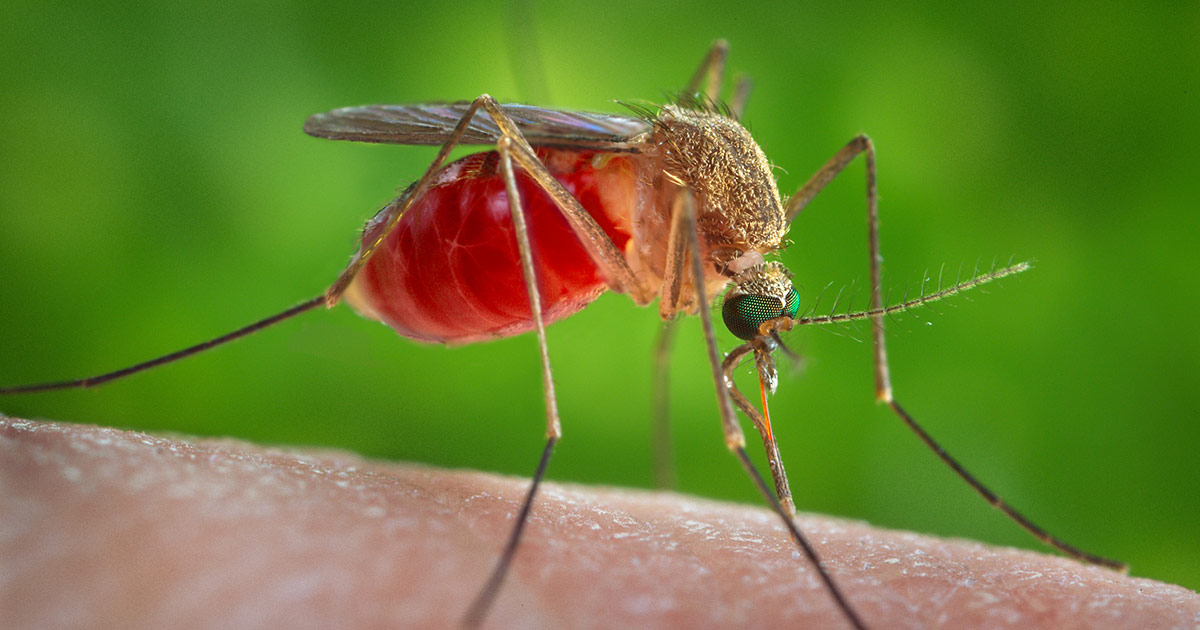
Florida’s warm and humid climate, abundant waterways, and diverse ecosystems create an ideal breeding ground for a wide variety of mosquito species. With over 80 different types of mosquitoes inhabiting the state, some are more bothersome than others. The most commonly encountered species, particularly in coastal and marshy areas, are the biting female mosquitoes that seek blood meals for reproduction. Their presence is not a constant nuisance across the entire state at all times, but rather a dynamic phenomenon influenced by environmental conditions.
Factors Influencing Mosquito Activity
Several key factors contribute to the presence and activity levels of mosquitoes throughout Florida. Understanding these elements can help travelers anticipate when and where they might be more prevalent.
Rainfall and Water Sources
Mosquitoes require standing water to breed. Florida’s frequent rainfall, particularly during the summer months, creates numerous breeding sites, from puddles and ditches to bromeliads and discarded containers. Areas with extensive wetlands, swamps, and mangrove forests, such as those found in the Everglades National Park and along the coastlines, are particularly conducive to mosquito populations. Even small accumulations of water around your hotel or vacation rental can become a breeding ground if not managed.
Temperature and Humidity
Warm temperatures and high humidity are optimal conditions for mosquito development and activity. Florida experiences these conditions for a significant portion of the year, especially from late spring through early fall. During these warmer months, mosquitoes are most active during dawn and dusk, though some species may bite during the day. Cooler, drier periods, particularly in winter, tend to see a reduction in mosquito populations.
Wind and Coastal Influences
Coastal areas of Florida, especially those with salt marshes and estuaries, are known for specific types of mosquitoes, such as salt marsh mosquitoes. These can be particularly active during certain tidal cycles and may swarm in large numbers, especially after heavy rains or during specific seasons. The proximity of your accommodation or planned activities to these coastal environments can influence your likelihood of encountering them.
When and Where to Expect Mosquitoes in Florida
While mosquitoes are present year-round in Florida, their activity peaks during specific seasons and is more pronounced in certain geographical areas. Armed with this knowledge, travelers can tailor their itineraries and precautions accordingly.
Seasonal Peaks and Dips
The most significant mosquito season in Florida typically runs from late spring (around May) through early fall (October). This period coincides with the state’s rainy season and the highest temperatures. During these months, expect increased activity, especially after rainfall events.
The drier and cooler winter months (November through April) generally see a significant decrease in mosquito populations. While some species may persist in protected, warmer microclimates, overall nuisance levels are considerably lower. This makes winter an attractive time for outdoor activities and exploration with fewer biting insects.
High-Activity Zones
Certain regions and environments within Florida are more prone to mosquito activity due to their natural characteristics.
-
Coastal Areas and Islands: Florida’s extensive coastline, including areas like the Florida Keys, the Gulf Coast, and the Atlantic coast, harbors salt marsh mosquitoes. These can be particularly prevalent after storms or during specific tidal phases. Islands and low-lying coastal communities may experience higher numbers.
-
Wetlands and Swamps: The interior of the state, particularly around the vast wetland ecosystems like the Everglades National Park and the Ocala National Forest, is a prime habitat for various mosquito species. Activities like airboat tours, nature walks, and kayaking in these areas will likely expose you to mosquitoes.
-
Urban and Suburban Areas with Standing Water: Even in cities like Orlando or Tampa, mosquitoes can thrive if standing water is not managed. Clogged gutters, bird baths, uncovered swimming pools, and poorly maintained drainage systems in residential areas or around hotels and attractions can become breeding sites.
-
Rural and Agricultural Areas: Open fields, farmlands, and areas with irrigation can also support mosquito populations.
Low-Activity Zones (Relatively)
While no area is entirely mosquito-free, some locations tend to have fewer biting insects:
-
Open, Breezy Beaches: While you might encounter mosquitoes near dunes or vegetation behind the beach, the open, sandy areas with consistent sea breezes often have fewer mosquitoes.
-
Well-Maintained Resorts and Hotels: Reputable accommodations often employ mosquito control measures, such as regular spraying and eliminating standing water on their premises. Resorts in well-developed tourist areas, like those in Orlando or along the Gold Coast, are generally better managed.
-
Man-Made Structures with Air Conditioning: Indoor environments with effective air conditioning and sealed windows and doors will significantly reduce your exposure.
Minimizing Mosquito Bites for a Pleasant Florida Vacation
The good news is that a little preparation and awareness can go a long way in ensuring mosquito bites don’t detract from your Florida adventure. By employing a combination of personal protection, environmental awareness, and proactive measures, you can enjoy the state’s attractions to their fullest.
Personal Protection Strategies
The most direct way to avoid discomfort is to protect yourself from bites.
Insect Repellents
The Centers for Disease Control and Prevention (CDC) recommends repellents containing DEET, Picaridin, IR3535, or Oil of Lemon Eucalyptus. Apply these to exposed skin and clothing, following product instructions carefully. Remember to reapply as needed, especially after swimming or sweating.
Protective Clothing
Wearing long-sleeved shirts, long pants, and socks can create a physical barrier against mosquitoes. Lightweight, breathable fabrics are ideal for Florida’s warm climate. Consider clothing treated with permethrin for an extra layer of protection, but never apply permethrin directly to skin.
Timing of Outdoor Activities
As mentioned, mosquitoes are often most active at dawn and dusk. If possible, schedule your most demanding outdoor explorations for midday when mosquito activity is generally lower. If you plan activities like evening walks or dining al fresco, be sure to be well-protected.
Environmental Awareness and Management
Understanding and influencing your immediate environment can also reduce mosquito exposure.
Eliminating Standing Water
This is crucial if you are staying in a vacation rental or a villa. Regularly check around your accommodation for any water accumulation in plant saucers, buckets, tire swings, or any other containers. Empty them regularly. Even a bottle cap full of water can be enough for mosquitoes to breed.
Staying Indoors During Peak Hours
If mosquitoes are particularly active, consider spending time indoors during peak biting hours, especially if your accommodation has screened porches or patios. The air-conditioned interiors of hotels and many attractions offer a welcome respite.
Utilizing Screens and Fans
Ensure that screens on windows and doors of your accommodation are intact. Mosquitoes are weak fliers, and oscillating fans on patios, balconies, or even indoors can help disrupt their flight patterns and keep them away from you.

When to Seek Further Information
While most mosquito bites are merely an annoyance, it’s worth noting that mosquitoes can transmit diseases. While rare in tourist areas, it’s always wise to be aware. If you are planning extensive travel into remote or heavily wooded areas, or if you have concerns, consult your doctor or local health authorities for the latest advisories.
By acknowledging the presence of mosquitoes and adopting these practical strategies, travelers can confidently explore the wonders of Florida, from its world-class theme parks like Walt Disney World Resort and Universal Studios Florida to its beautiful beaches and unique natural landscapes. Your Florida experience can be an unforgettable journey, free from unnecessary discomfort.
LifeOutOfTheBox is a participant in the Amazon Services LLC Associates Program, an affiliate advertising program designed to provide a means for sites to earn advertising fees by advertising and linking to Amazon.com. Amazon, the Amazon logo, AmazonSupply, and the AmazonSupply logo are trademarks of Amazon.com, Inc. or its affiliates. As an Amazon Associate we earn affiliate commissions from qualifying purchases.