
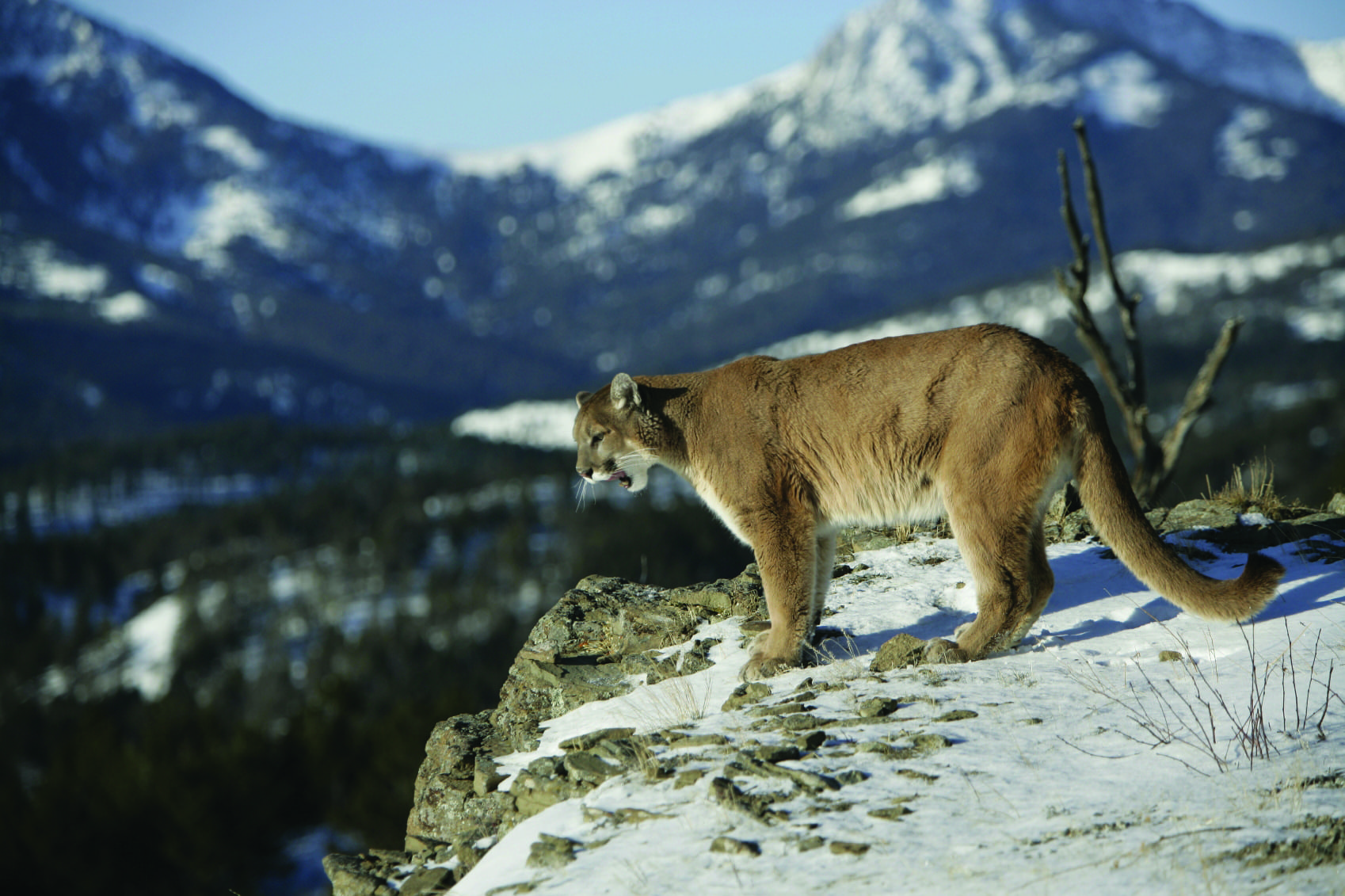
The allure of the wild, the whisper of untamed nature, often draws travelers to destinations that promise a glimpse of the extraordinary. For those exploring the scenic beauty of Alabama, a question frequently arises, tinged with a mix of excitement and caution: “Are there mountain lions in Alabama?” This inquiry delves into the realm of wildlife encounters, a significant aspect for nature enthusiasts and adventurers considering a trip to the Heart of Dixie. Understanding the presence, or potential presence, of large predators like the mountain lion, also known as the cougar or puma, enriches the travel experience by adding a layer of informed anticipation and respect for the natural environment.

Unpacking the Evidence: Sightings and Scientific Consensus
The question of mountain lions in Alabama is not a simple yes or no. For decades, reports of sightings have surfaced, fueling public curiosity and debate. These anecdotal accounts, often shared by hikers, hunters, and rural residents, range from fleeting glimpses of large, tawny cats to evidence like tracks and scat. However, establishing definitive proof of a breeding population has been a complex endeavor for wildlife biologists.
Historical Context and Shifting Perceptions
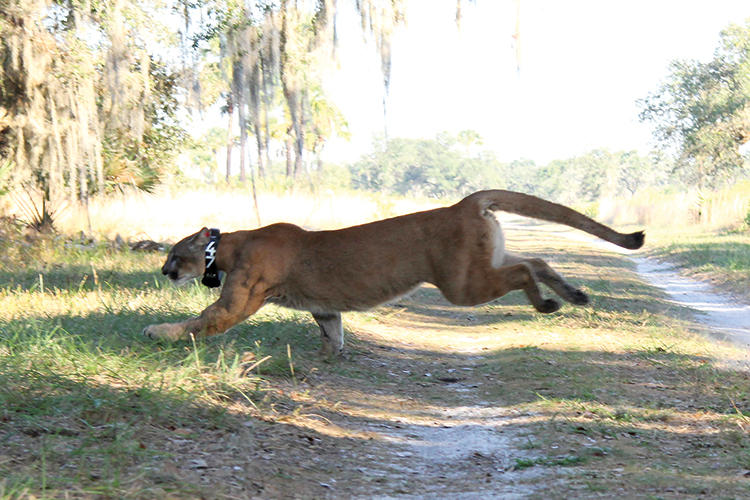
Historically, mountain lions were more widespread across the eastern United States. Habitat loss and hunting pressures led to their extirpation in many areas. The perception of mountain lions in the East has evolved significantly over time. For a period, they were considered locally extinct in states like Alabama. More recently, however, increased connectivity between habitats and the potential for westward dispersal from established populations in states like Florida (specifically the Florida panther, a subspecies of cougar) have led to renewed investigations and a reevaluation of their presence.
The Role of the Alabama Department of Conservation and Natural Resources
Official bodies, such as the Alabama Department of Conservation and Natural Resources (ADCNR), play a crucial role in monitoring wildlife populations. Their stance on mountain lions in Alabama has been one of careful observation and scientific inquiry. While the ADCNR acknowledges the possibility of transient individuals passing through the state, particularly from the south, they have not, until recently, confirmed the existence of a self-sustaining breeding population within Alabama itself. This position is based on the lack of conclusive evidence, such as multiple confirmed sightings, direct photographic or video evidence, and the discovery of evidence of reproduction.
Examining the Evidence: Tracks, Sightings, and Camera Traps
The scientific community relies on concrete data to confirm wildlife presence. For mountain lions, this includes:
- Physical Evidence: Clear, indisputable tracks that can be differentiated from other animals like bobcats or domestic dogs. Scat analysis can also provide genetic material.
- Photographic and Video Evidence: High-quality images or videos from trail cameras or direct sightings that unequivocally identify the animal as a mountain lion.
- Confirmed Kills: In rare instances, a mountain lion might be legally harvested or found deceased, providing an opportunity for scientific study.
Over the years, numerous reports have been investigated by wildlife officials. While some reports have been dismissed due to misidentification or lack of verifiable evidence, others remain intriguing. The use of advanced technologies like motion-activated camera traps in remote areas has become a critical tool in this ongoing investigation, offering the potential for objective documentation.
Potential Habitats and Corridors for Mountain Lions
Should mountain lions be present, or establish a presence, in Alabama, they would likely inhabit areas that offer suitable cover, water, and prey. Understanding these potential habitats is key for anyone venturing into the wilder parts of the state.
Western and Eastern Regions of Alabama
The physiography of Alabama presents diverse landscapes. The western part of the state, with its dense forests and rolling terrain, particularly the Warrior Coal Basin and adjacent areas, could offer suitable habitat. Similarly, the eastern regions, including parts of the Piedmont Plateau and the Appalachian Foothills, with their extensive woodlands and river bottoms, could support a predator of this size.
The Gulf Coast and Potential Dispersal Routes
The Alabama Gulf Coast region, with its diverse ecosystems including swamps, coastal forests, and marshlands, could also serve as potential habitat or a corridor for dispersal. It is from the southern states, particularly Florida, that many theories about the re-emergence of mountain lions in the Southeast originate. Connectivity between these wild areas, facilitated by undeveloped land and river systems, is crucial for the long-distance movements observed in cougar populations.
Importance of Prey Base
The presence of a robust prey base is fundamental for any predator population to thrive. Mountain lions primarily prey on deer, but their diet can also include smaller mammals like rabbits, raccoons, and rodents. Alabama has healthy deer populations across much of the state, which would theoretically support a mountain lion population.
Wildlife Viewing and Safety Considerations for Travelers
For travelers interested in observing wildlife, the potential, however slim, of encountering a mountain lion adds an element of thrilling anticipation. However, it’s paramount to prioritize safety and ethical wildlife viewing practices.
Responsible Wildlife Observation
If you are exploring the wilderness areas of Alabama, such as Cheaha State Park or the Bankhead National Forest, remember that you are entering the natural habitat of various animals. The key to responsible wildlife observation is to maintain a safe distance and never attempt to feed or approach any wild animal. Most wildlife will actively avoid human contact. The ADCNR provides extensive guidelines for safe and respectful interactions with wildlife.
Understanding Mountain Lion Behavior
Mountain lions are generally elusive and avoid humans. Attacks on humans are extremely rare, especially in areas where they are not accustomed to people. However, understanding their behavior is crucial for safety:
- If you encounter a mountain lion: Do not run, as this can trigger a predatory chase response. Instead, make yourself look as large as possible by raising your arms. Speak in a loud, firm voice. Slowly back away, maintaining eye contact. If attacked, fight back aggressively.
- Protecting pets and children: Keep pets on a leash and supervise children closely, especially in areas with potential wildlife.
The “Living With Wildlife” Perspective
The ongoing discussions about mountain lions in Alabama highlight a broader conservation goal: fostering coexistence between humans and wildlife. As conservation efforts succeed in restoring habitats and protecting species, it’s possible that animals like the mountain lion may re-establish their presence in areas from which they were once absent. For travelers, this means approaching natural landscapes with a sense of wonder, respect, and preparedness.
The Future of Mountain Lions in Alabama
The question of whether mountain lions exist in Alabama remains a subject of active interest and investigation. While definitive proof of a breeding population is still elusive, the possibility of transient individuals passing through the state, perhaps dispersing from other regions, cannot be entirely discounted.
Continued Scientific Monitoring
The ADCNR and other wildlife organizations continue to monitor the state’s wildlife. Advances in technology and an increased public awareness of wildlife issues contribute to a more comprehensive understanding of animal movements and populations. Future research may involve more extensive genetic sampling, expanded camera trap networks, and analysis of any reported sightings.
The Evolving Narrative of Wildlife Conservation
The narrative surrounding mountain lions in Alabama is a testament to the dynamic nature of wildlife conservation. It underscores the importance of habitat preservation, corridor connectivity, and ongoing scientific research. For those planning a trip to Alabama and seeking to experience its natural beauty, the potential for such magnificent creatures to inhabit its wild spaces adds an intriguing dimension to the adventure, reminding us of the enduring power and mystery of the natural world. Travelers are encouraged to stay informed through official channels like the ADCNR for the latest updates and advisories regarding wildlife in the state.
LifeOutOfTheBox is a participant in the Amazon Services LLC Associates Program, an affiliate advertising program designed to provide a means for sites to earn advertising fees by advertising and linking to Amazon.com. Amazon, the Amazon logo, AmazonSupply, and the AmazonSupply logo are trademarks of Amazon.com, Inc. or its affiliates. As an Amazon Associate we earn affiliate commissions from qualifying purchases.