
The vast, untamed wilderness of Alaska, often referred to as the Last Frontier, conjures images of majestic grizzly bears, packs of wolves, and soaring eagles against a backdrop of towering mountains and expansive tundra. It’s a land where nature reigns supreme, and its iconic wildlife draws adventurers and naturalists from around the globe. Yet, a peculiar question sometimes surfaces amidst discussions of Alaska’s fauna: are there mountain lions? While these stealthy predators are synonymous with rugged landscapes across the Americas, their presence in the far north remains a topic of considerable intrigue and frequent misunderstanding. This article delves into the ecological realities of Alaska and the scientific evidence to address this captivating query, exploring the natural landmarks and conditions that shape wildlife distribution in this unique state.
The Elusive Predator: Understanding Mountain Lions
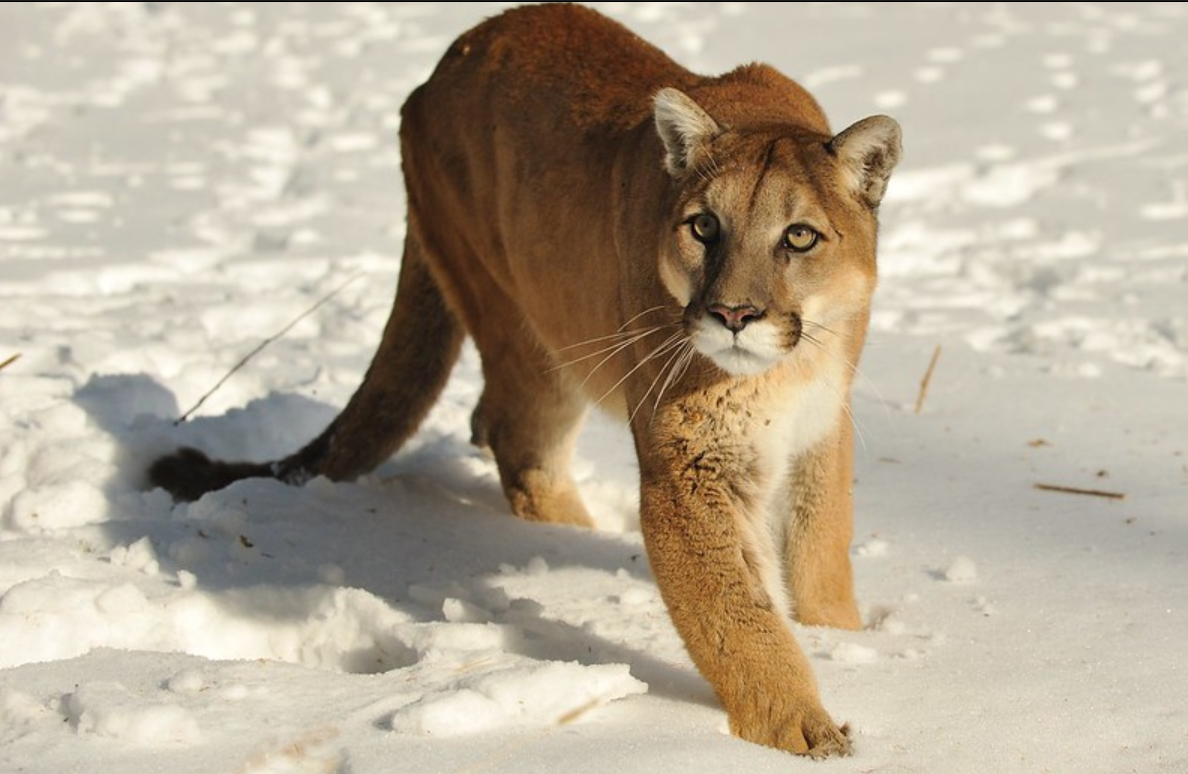
Before we explore the specifics of Alaska, it’s crucial to understand the creature in question. The mountain lion, also known as cougar, puma, or catamount, is a highly adaptable and widespread carnivore.
Characteristics of Puma concolor
The mountain lion (Puma concolor) is the largest wild cat in North America. Adults typically weigh between 80 to 220 pounds and can measure up to 8 feet long from nose to tail. Their coat is uniformly tawny or grayish-brown, providing excellent camouflage in diverse environments. Renowned for their incredible agility, strength, and stealth, mountain lions are solitary hunters, primarily preying on deer, elk, and smaller mammals. They are adept at navigating varied terrain, from dense forests and rocky mountainsides to arid deserts, showcasing remarkable adaptability across their extensive range, which historically stretched from southern Canada to the southern tip of South America. Their elusive nature, combined with their powerful predatory skills, has cemented their status as apex predators within their ecosystems.
Ideal Habitat Requirements
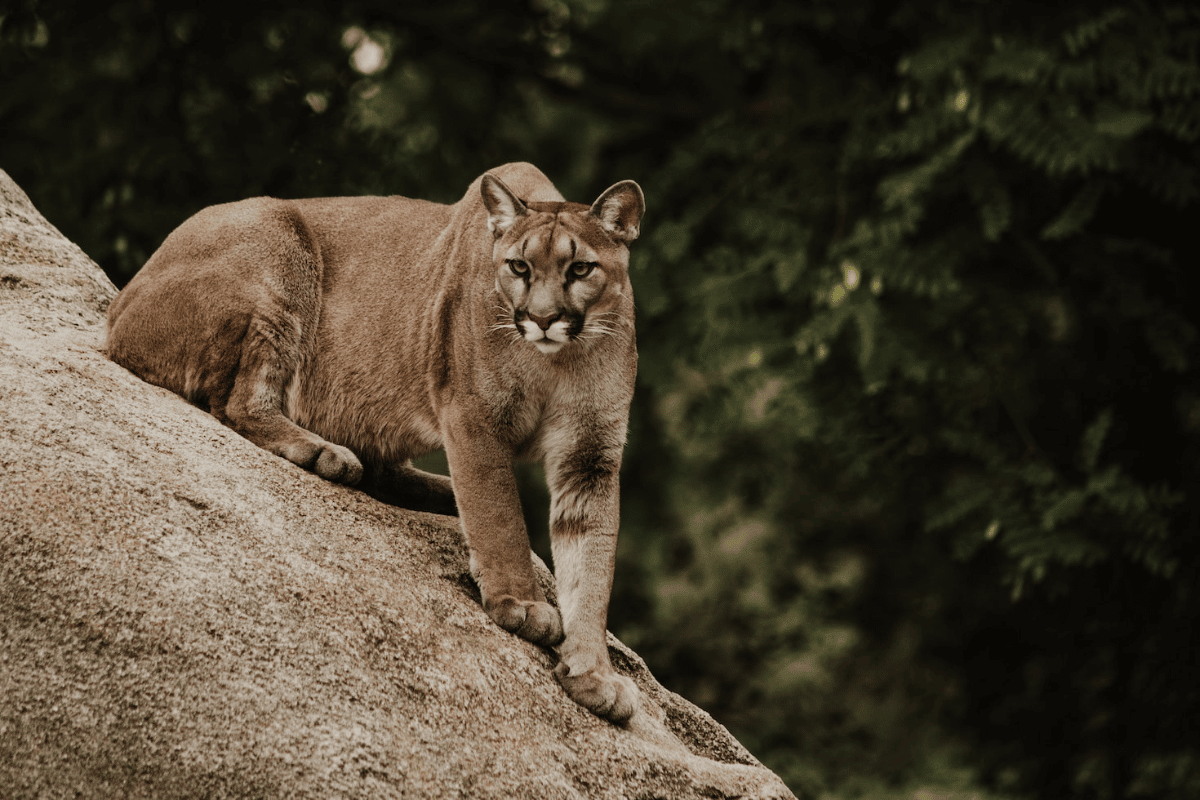
Mountain lions thrive in environments that offer a combination of dense cover for stalking prey, rugged terrain for ambush hunting, and access to a stable food source. Forested areas with an understory, rocky outcrops, and brushy canyons provide ideal conditions for them to hide, rest, and raise their young. A sufficient prey base, predominantly ungulates like deer and elk, is non-negotiable for sustaining a mountain lion population. Water sources are also essential. These habitat preferences dictate their distribution, and areas lacking these critical components, or featuring extreme climatic conditions, typically do not support established cougar populations. The ability to find shelter from extreme weather and to maintain a territorial range without excessive energy expenditure is key to their survival.
Alaska’s Wilderness: A Land of Giants and Extremes
Alaska presents a dramatic contrast to many of the typical mountain lion habitats further south. Its natural landmarks are defined by immense scale, glacial activity, and extreme seasonal variations, all of which profoundly influence its resident wildlife.
Dominant Predators of the Last Frontier
When one thinks of Alaska’s apex predators, mountain lions are conspicuously absent from the immediate mental inventory. Instead, the landscape is dominated by other formidable carnivores. The grizzly bear (Ursus arctos horribilis) and its cousin, the Kodiak bear, are iconic symbols of Alaskan wilderness, known for their immense power and omnivorous diets. Further north, the polar bear (Ursus maritimus) commands the Arctic ice. Packs of wolves (Canis lupus) roam vast territories, preying on caribou, moose, and other ungulates. The smaller, but equally adapted, Canada lynx (Lynx canadensis) is the primary wild cat, perfectly evolved for hunting snowshoe hares in deep snow. These animals are intricately woven into Alaska’s ecological fabric, each occupying specific niches that have been shaped by millennia of adaptation to cold climates, seasonal food availability, and intense competition. Their presence and adaptations are a testament to the resilience of life in such an extreme environment.
Ecological Factors and Mountain Lion Distribution
The vast majority of Alaska presents significant ecological challenges for mountain lions. The state’s harsh, prolonged winters, characterized by deep, persistent snowpacks, would severely hinder a mountain lion’s hunting strategy. Their relatively shorter legs compared to wolves or lynx make traversing deep snow energetically costly and less efficient for pursuing prey. While mountain lions can adapt to cold, the sustained severity across much of Alaska is a major limiting factor.
Furthermore, the prey base in many parts of Alaska differs from typical mountain lion territory. While moose and caribou are plentiful, they are generally larger and more robust than the deer species mountain lions primarily target. Although a mountain lion could certainly kill a smaller moose, the effort and risk would be substantially higher. In parts of Southeast Alaska and southcentral regions, where Sitka black-tailed deer are found, the habitat could theoretically be more suitable. However, even there, the dense coastal rainforests and heavy snowfalls can be formidable. Competition with larger, more specialized predators like wolves and bears for prey and territory would also be an issue, although direct confrontations are often avoided. These interwoven ecological factors have historically prevented mountain lions from establishing a stable, breeding population within Alaska’s natural landmarks.
The Evidence: Sightings, Speculation, and Science
Given the vastness and wild nature of Alaska, occasional reports of unusual wildlife are inevitable. When it comes to mountain lions, a clear distinction must be made between anecdotal claims and verified scientific data.
Historical Records and Anecdotal Accounts
Over the decades, there have been sporadic reports and anecdotal sightings of animals resembling mountain lions across various parts of Alaska. These reports often emerge from remote areas, making verification difficult. It’s common for these sightings to be misidentifications, with observers mistaking a large Canada lynx for a cougar. While lynx are smaller and possess distinctive ear tufts and short tails, their stealthy nature and sometimes unusual gait in specific light conditions can lead to confusion, especially for those unfamiliar with both species. Additionally, the bobcat, another North American wild cat, is not native to Alaska but could potentially be mistaken for a smaller mountain lion if a transient individual were to appear. The allure of discovering an unexpected predator in Alaska’s wild can sometimes lead to confirmation bias in unverified sightings.
Scientific Consensus and Confirmed Presence
Wildlife biologists and the Alaska Department of Fish and Game (ADF&G) maintain a consistent stance: mountain lions are not considered a native or established species in Alaska. This means there is no evidence of a breeding population, nor are they a regular part of the state’s natural ecosystem. However, this does not mean they are entirely absent.
There have been a handful of highly infrequent, confirmed instances of transient mountain lions entering Alaska. These individuals are almost certainly migrants from established populations in neighboring British Columbia or the Yukon Territory. Young males, in particular, are known to disperse long distances in search of new territories. The ADF&G has documented such rare occurrences, usually through genetic testing of scat or hair samples, or direct observation of an animal that eventually moved on or was removed. For example, a confirmed sighting in the Yukon Flats National Wildlife Refuge area, or isolated instances near border communities, illustrates this migratory potential. These are isolated incidents of individual animals pushing the very northern limits of their species’ range, not indicators of a growing or permanent presence. The key takeaway is that these are transient individuals, not members of an established breeding population contributing to Alaska’s enduring natural landmarks.
The Role of Climate Change and Range Expansion
The topic of climate change and its potential impact on species distribution is an ongoing area of scientific inquiry. As temperatures rise and habitats shift, some species are observed to expand their ranges northward. For mountain lions, a warming climate could theoretically open up new territories in the future, particularly in southern Alaska if snowpacks become less severe and prey availability changes. However, such an expansion would be a slow process, influenced by a myriad of complex ecological factors, including changes in vegetation, competition with existing predators, and the ability of prey populations to also adapt. Currently, there is no scientific evidence to suggest that climate change has led to an established mountain lion population in Alaska, and any future predictions remain speculative, requiring continuous monitoring and research into Alaska’s dynamic natural landmarks.
For the Nature Enthusiast: Experiencing Alaska’s Wild Side
For those drawn to the natural world and eager to explore Alaska’s incredible landmarks, the absence of an established mountain lion population does little to diminish its spectacular wildlife viewing opportunities.
What to Expect in Alaska’s Natural Landmarks
Visitors to Alaska’s national parks and preserves are immersed in unparalleled natural beauty and a rich tapestry of wildlife. Denali National Park offers prime opportunities to spot grizzly bears, caribou, moose, Dall sheep, and wolves against the backdrop of North America’s highest peak. Kenai Fjords National Park is a wonderland of marine life, with humpback whales, orcas, sea otters, and various seabirds thriving amidst its dramatic glaciers and coastal waters. The Katmai National Park and Preserve is world-renowned for its concentrated brown bear populations, particularly at Brooks Falls during salmon spawning season. From the calving glaciers of Glacier Bay National Park to the migratory bird habitats of the Arctic National Wildlife Refuge, Alaska’s natural landmarks promise authentic and awe-inspiring encounters with nature. The true charm of Alaska lies in its established wildlife, each species playing a vital role in its robust and unique ecosystem.
Responsible Wildlife Observation
When exploring Alaska’s wild places, responsible wildlife observation is paramount. Always maintain a safe distance from animals, especially bears and moose, and never approach or feed them. Utilize binoculars or telephoto lenses for close-up views. Store food properly to avoid attracting wildlife to campsites or trails. Familiarize yourself with bear safety protocols, including carrying bear spray and knowing how to use it. Respect designated wildlife viewing areas and follow all park and refuge regulations. By adhering to these principles, visitors can ensure their safety and contribute to the conservation of Alaska’s magnificent and unique natural landmarks for generations to come, regardless of whether a mountain lion lurks just out of sight.
In conclusion, while the question “Are there mountain lions in Alaska?” often sparks curiosity, the scientific consensus is clear: mountain lions are not an established native species in the state. Occasional transient individuals may wander in from adjacent regions like British Columbia or the Yukon, but these are rare occurrences and do not signify a resident, breeding population. Alaska’s unique and challenging ecological conditions—harsh winters, deep snow, and a dominant guild of other large predators—have historically limited their presence. For those eager to connect with nature’s grandeur, Alaska offers an unparalleled array of iconic wildlife and breathtaking natural landmarks, ensuring that its wild heart beats strongly with or without the silent tread of the mountain lion.
LifeOutOfTheBox is a participant in the Amazon Services LLC Associates Program, an affiliate advertising program designed to provide a means for sites to earn advertising fees by advertising and linking to Amazon.com. Amazon, the Amazon logo, AmazonSupply, and the AmazonSupply logo are trademarks of Amazon.com, Inc. or its affiliates. As an Amazon Associate we earn affiliate commissions from qualifying purchases.