
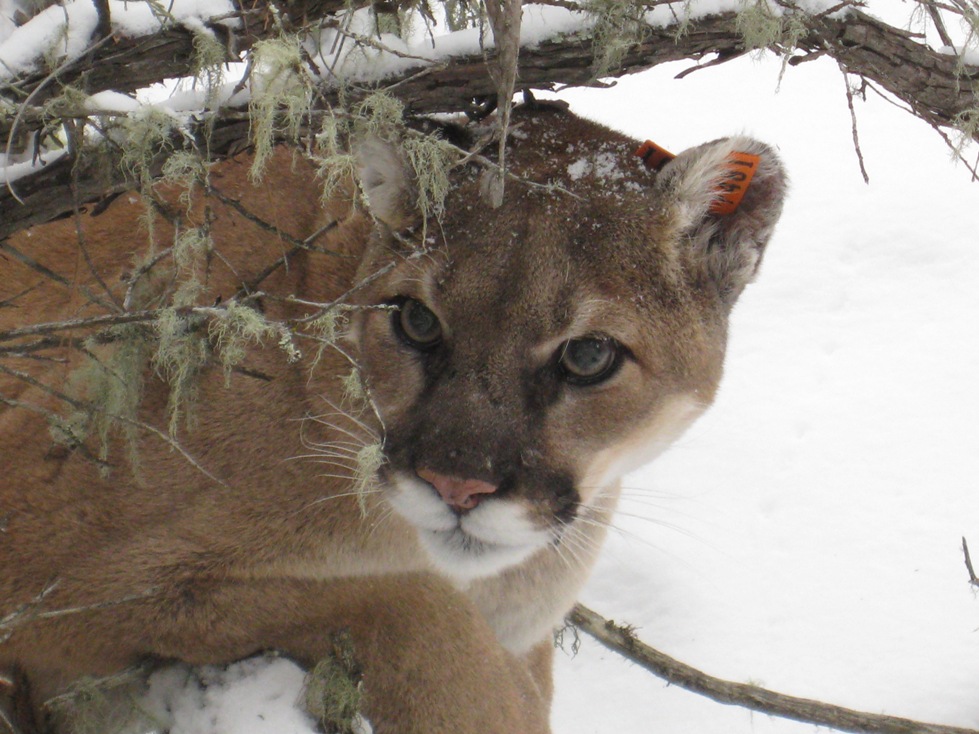
Yes, mountain lions, also known as cougars, pumas, or panthers, are indeed present in Colorado. These majestic and elusive predators are an integral part of the state’s diverse ecosystem, roaming across vast expanses of wild terrain. For tourists visiting Colorado, understanding the presence of these magnificent creatures is crucial, not just for safety, but also for appreciating the authentic wilderness experience that the state offers. While direct encounters are rare, knowing where they live, how to behave in their habitat, and the role they play in the local environment enhances a visitor’s connection to Colorado’s natural beauty. This article delves into the presence of mountain lions in Colorado, offering insights and essential tips for tourists navigating the state’s breathtaking landscapes.
Understanding Colorado’s Elusive Predators
Mountain lions are apex predators, vital to maintaining the ecological balance of Colorado’s wild spaces. Their presence signifies a healthy and thriving environment, characterized by robust deer and elk populations – their primary prey. For those drawn to Colorado’s rugged beauty, appreciating these animals means understanding their habitat and behavior within the context of a tourist experience.
The Mountain Lion Habitat in Colorado
Mountain lions are incredibly adaptable, inhabiting a wide range of environments across Colorado. Their preferred habitats are typically areas with rocky canyons, dense brush, and forests that provide ample cover for hunting and raising their young. They are often found in mountainous regions, foothills, and even some plains areas, particularly those adjacent to more rugged terrain. This includes vast swathes of public lands, national forests, and state parks that are popular destinations for hikers, campers, and outdoor enthusiasts.
For instance, areas like the foothills west of Denver, the canyons around Boulder and Colorado Springs, and virtually all of western Colorado offer ideal conditions for mountain lions. These regions are characterized by a mix of forests, shrublands, and rocky outcrops, providing excellent ambush points and escape routes. Visitors exploring these regions for hiking, mountain biking, or wildlife viewing are technically within mountain lion territory, even if sightings are uncommon.
Population and Distribution
Colorado boasts one of the healthiest mountain lion populations in the United States. While precise numbers are challenging to ascertain due to their secretive nature, estimates suggest several thousand individuals reside within the state’s borders. These animals are distributed across approximately 60% of Colorado’s land area, primarily in the western two-thirds of the state and along the eastern foothills of the Rocky Mountains.
The Front Range, which encompasses many of Colorado’s most visited cities and natural attractions, is a particularly active zone for mountain lions. This proximity to urban and suburban areas, combined with a robust deer population, means that encounters, though rare, are more likely to occur in this corridor than in some other parts of the state. Knowing that these powerful predators share the landscape adds an element of wildness to any Colorado adventure, fostering respect for the natural environment.
Encountering Wildlife: A Tourist’s Perspective
For many tourists, the allure of Colorado lies in its spectacular natural landscapes and the opportunity for outdoor adventure. While seeing a mountain lion in the wild is a rare and often fleeting experience, their presence is a significant aspect of Colorado’s appeal as a top nature-based tourism destination. It represents the wild, untamed spirit of the West, offering a glimpse into an ecosystem where humanity is just one part of a complex natural order.
Where Tourists Are Most Likely to See Them (or Signs of Them)
Direct sightings of mountain lions by tourists are exceptionally rare. These animals are masters of camouflage and stealth, preferring to avoid human contact. Most encounters happen by chance and are often fleeting glimpses as the animal quickly retreats. However, the areas where tourists are most likely to encounter signs of mountain lions, or have a very rare sighting, include:
- National Parks and Forests: Rocky Mountain National Park, Great Sand Dunes National Park, and the numerous national forests (e.g., Roosevelt National Forest, White River National Forest) are prime mountain lion territory. Hikers and backpackers venturing into more remote trails in these areas are in their domain.
- State Parks and Open Spaces: Colorado’s state parks, such as Golden Gate Canyon State Park or Castlewood Canyon State Park, and the extensive open space systems around cities like Boulder and Colorado Springs, provide excellent habitat and are frequently used by these predators.
- Dawn and Dusk: Mountain lions are most active during these low-light hours. Tourists engaging in activities during these times, especially near dense cover or water sources, should be particularly vigilant.
- Evidence of Their Presence: While seeing the animal itself is rare, tourists might spot tracks in mud or snow, scrape marks on trees, or even cached prey (partially covered carcasses). These signs are clear indicators that you are sharing the habitat with mountain lions.
It’s important for tourists to remember that these animals view humans as a potential threat, not prey, and will almost always avoid confrontation. The focus should be on respectful awareness rather than fear.
Mountain Lions as Part of the Colorado Experience
For many who seek out authentic nature experiences, the knowledge of mountain lions enriches their Colorado visit. It transforms a simple hike into an immersive journey through a truly wild landscape. The possibility, however remote, of encountering such a powerful creature imbues the wilderness with a profound sense of awe and respect. It highlights Colorado’s commitment to preserving wild spaces and allows visitors to connect with nature at a deeper, more primal level.
Ecotourism in Colorado thrives on this kind of engagement. Understanding the local fauna, including its apex predators, is part of appreciating the region’s biodiversity. It encourages responsible recreation, leading visitors to respect boundaries, stay on marked trails, and minimize their impact on the environment. This awareness not only helps protect the mountain lions but also contributes to the overall sustainability of Colorado’s tourism industry, ensuring that future generations can also experience its wild heart.
Essential Safety Tips for Colorado Visitors

While mountain lion attacks are extremely rare, taking proper precautions significantly minimizes any potential risk and ensures a safer, more enjoyable outdoor experience for tourists. Being informed and prepared is key to respectfully coexisting with Colorado’s wildlife.
Hiking and Outdoor Recreation Guidelines
Adhering to specific guidelines when exploring mountain lion territory can make a significant difference in your safety:
- Hike in Groups: Always hike with a partner or in a group. Mountain lions are less likely to approach multiple people.
- Keep Children and Pets Close: Never let children or pets wander far ahead or behind you. Small, quick-moving individuals can sometimes trigger a predator’s chase instinct. Keep dogs on a leash, as they can sometimes provoke a mountain lion or lead it back to you.
- Make Noise: Talk, sing, or make other noises to announce your presence, especially when moving through dense vegetation or around blind corners. This helps prevent surprise encounters.
- Be Aware of Your Surroundings: Scan your environment, looking for signs of wildlife like tracks or unusual animal behavior (e.g., deer appearing agitated). Avoid using headphones that might impair your hearing.
- Avoid Dawn and Dusk: These are peak hunting times for mountain lions. If possible, plan your outdoor activities during midday hours.
- Stay on Marked Trails: Venturing off-trail increases the chances of an unexpected encounter and can also disrupt wildlife.
What to Do in a Mountain Lion Encounter
Should you be one of the very few tourists to encounter a mountain lion, knowing how to react is critical:
- Do Not Run: Running can trigger a mountain lion’s chase instinct, making you appear like prey.
- Stand Your Ground and Make Yourself Look Big: Face the animal, stand tall, open your jacket, and raise your arms over your head. Try to appear as large and intimidating as possible.
- Make Noise: Yell, shout, and speak in a loud, firm voice.
- Maintain Eye Contact: Staring directly can be perceived as a challenge.
- Throw Objects: If the mountain lion does not back down, throw rocks, sticks, or anything you have at hand without turning your back.
- Fight Back if Attacked: If a mountain lion attacks, fight back aggressively. Use anything you can as a weapon – trekking poles, rocks, your fists. Aim for the eyes and face. This is often successful in deterring an attack.
Protecting Your Campsite and Lodging
If you’re staying in remote cabins, camping, or glamping in Colorado’s wilderness, specific precautions can reduce risks:
- Secure Food: Store all food, cooking gear, and scented items in bear-proof containers, locked vehicles, or suspended from trees, much like you would for bears. Mountain lions are attracted to potential food sources.
- Keep Pets Indoors: Never leave pets outside unsupervised, especially at night.
- Be Mindful of Children: Supervise children closely when they are playing outdoors, particularly in areas near natural vegetation or at dawn and dusk.
- Report Sightings: If you spot a mountain lion near your lodging or campsite, report it to park rangers or Colorado Parks and Wildlife (CPW).
Colorado’s Commitment to Coexistence and Ecotourism
Colorado takes its responsibility towards wildlife management and public safety seriously. The state’s approach is geared towards fostering coexistence between humans and its iconic wildlife, including mountain lions. This commitment directly supports sustainable tourism by ensuring that both visitors and the natural environment are protected.
Conservation Efforts and Wildlife Management
Colorado Parks and Wildlife (CPW) plays a critical role in monitoring mountain lion populations, studying their behavior, and managing human-wildlife interactions. Their efforts include:
- Research and Monitoring: Conducting studies to understand population dynamics, habitat use, and migration patterns of mountain lions. This scientific data informs management decisions.
- Habitat Preservation: Working to conserve and restore natural habitats, ensuring that mountain lions have adequate space and prey, thereby reducing their need to venture into human-dominated areas.
- Response to Incidents: Investigating and responding to mountain lion sightings or conflicts, prioritizing public safety while also considering the welfare of the animal.
- Public Education: Developing and distributing educational materials that inform both residents and tourists about mountain lion behavior, safety protocols, and the importance of conservation.
For tourists, supporting organizations that advocate for wildlife conservation and adhering to park regulations contribute to these vital efforts. Responsible tourism means leaving no trace, respecting wildlife, and appreciating the delicate balance of ecosystems.

Educating Visitors and Locals
A cornerstone of Colorado’s strategy for coexistence is comprehensive education. Tourists arriving in Colorado will find information about local wildlife, including mountain lions, at visitor centers, park entrances, and through online resources provided by CPW and various park services. This includes guidance on:
- Wildlife Viewing Etiquette: How to observe animals from a safe distance without disturbing them.
- Safety Practices: Reinforcing the hiking and encounter tips mentioned earlier.
- Ecological Role: Explaining the importance of predators like mountain lions in maintaining healthy ecosystems, which ultimately benefits the entire natural landscape that tourists come to enjoy.
By equipping both locals and visitors with knowledge, Colorado aims to create an environment where people can safely enjoy the wilderness while understanding their role in protecting it. This proactive approach minimizes risks and maximizes the appreciation for the state’s wild residents, making the presence of mountain lions not a cause for fear, but an enhancement of the authentic Colorado tourism experience.
In conclusion, mountain lions are indeed a vibrant, albeit elusive, part of Colorado’s natural heritage. For tourists, their presence adds depth and excitement to the state’s already spectacular outdoor offerings. By understanding their habitat, following safety guidelines, and embracing the principles of responsible ecotourism, visitors can safely and profoundly connect with the wild heart of Colorado, appreciating the majestic beauty of its landscapes and its magnificent, wild inhabitants.
LifeOutOfTheBox is a participant in the Amazon Services LLC Associates Program, an affiliate advertising program designed to provide a means for sites to earn advertising fees by advertising and linking to Amazon.com. Amazon, the Amazon logo, AmazonSupply, and the AmazonSupply logo are trademarks of Amazon.com, Inc. or its affiliates. As an Amazon Associate we earn affiliate commissions from qualifying purchases.