
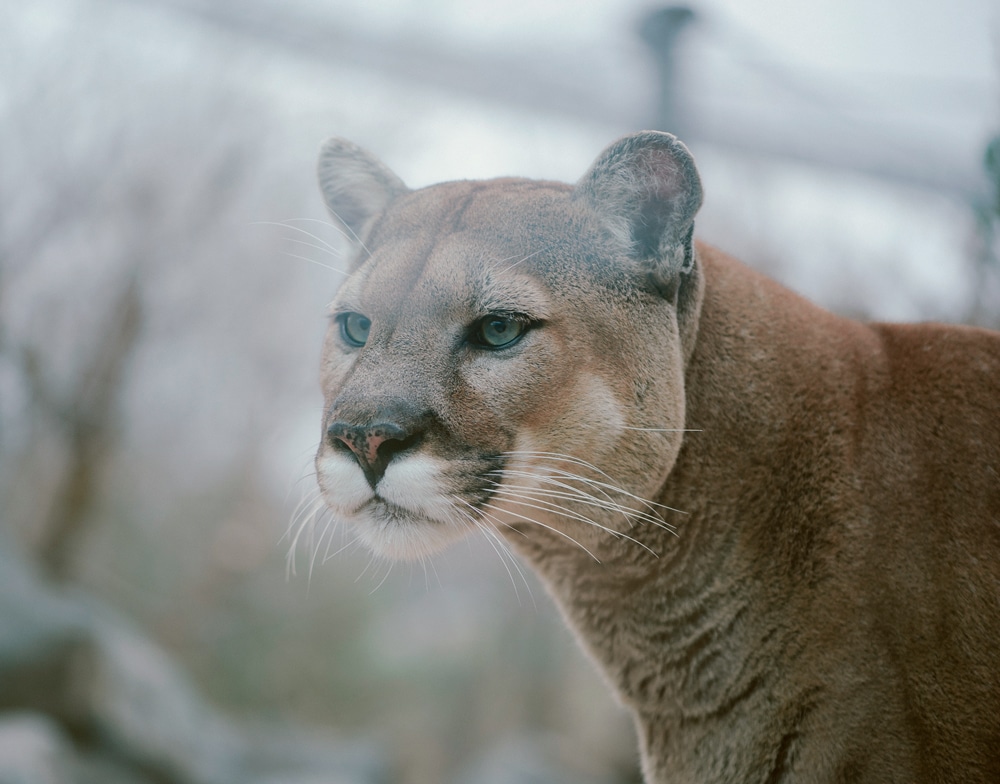
For generations, the deep, shadowed woods of New Hampshire have been the subject of hushed campfire stories and fervent local debate. Hikers trekking through the White Mountains or traversing the dense forests near Mount Washington often pause when they hear a twig snap or catch a glimpse of a tawny movement in the periphery. The question inevitably arises: are we sharing these trails with the elusive mountain lion, also known as the cougar, puma, or panther? While the official stance of wildlife biologists often contradicts the anecdotal evidence provided by residents, the mystique of the “ghost cat” remains a central element of the North Country’s natural lore.

The Official Scientific Stance on Cougar Presence
The scientific community in New England maintains a largely consistent position regarding the mountain lion. According to the New Hampshire Fish and Game Department, there is no evidence of a self-sustaining, breeding population of mountain lions in the state. Historically, the eastern cougar was once a fixture of the regional ecosystem, predating the arrival of European settlers. However, due to rampant habitat loss and the decimation of their primary prey—white-tailed deer—in the 19th century, the animals were declared extirpated from the region.
Examining the Extinction Timeline
The last verified bounty on a mountain lion in New Hampshire was recorded well over a century ago. Since then, biologists have performed extensive tracking, scat analysis, and DNA hair-snagging studies throughout areas like the Great North Woods. To date, not a single physical piece of evidence—such as a carcass, a clear photograph from a remote trail camera, or a verifiable scat sample—has been confirmed to belong to a resident wild cougar.
The Problem of Transient Animals
While a breeding population is considered absent, experts do not entirely rule out the possibility of a “transient” individual. Occasionally, young males from western populations in the Rocky Mountains or expanding groups in the Midwest may wander hundreds of miles in search of new territory. In 2011, a mountain lion was struck and killed by a vehicle in Connecticut; DNA analysis proved it had traveled from the Black Hills of South Dakota. This singular event demonstrates that while physical movement of the species is possible, these animals are rare anomalies rather than signs of a local comeback.
Evaluating Popular Sightings and Misidentifications
If the experts say they aren’t here, why do so many people claim to see them? The White Mountain National Forest receives dozens of reports annually. When analyzed by wildlife experts, the vast majority of these encounters are attributed to “misidentification syndrome,” where the human imagination fills in the blanks during a split-second encounter in low-light conditions.
The Usual Suspects
In the dim light of dusk or dawn, a variety of local fauna can easily be mistaken for a mountain lion. The most common lookalikes include:
- Bobcats: New Hampshire has a robust and growing population of bobcats. They are significantly smaller than cougars, but their tan coat and stealthy behavior can deceive a nervous hiker.
- Fishers: Often called “fisher cats,” these members of the weasel family are elongated, dark-colored, and move with a fluid, predatory grace that can look feline to the untrained eye.
- Domestic Cats: Feral or escaped house cats, especially larger breeds, are frequently reported as “black panthers” or small cougars when seen at a distance.
- Coyotes: A coyote caught in a defensive posture or viewed from behind, with its tail tucked, can mimic the silhouette of a cat.
The Role of Pareidolia
Human brains are hardwired to recognize patterns, a phenomenon known as pareidolia. When a person is hiking through the remote wilderness of Crawford Notch, the psychological anticipation of seeing a predator can turn a harmless deer or a shadow cast by a branch into a mountain lion. Furthermore, the acoustic phenomenon of a fox’s scream or a fisher’s call can mimic the terrifying vocalizations often attributed to cougars, reinforcing the belief that a large predator is nearby.
The Future of Apex Predators in the Region
While the mountain lion remains a myth in the current New Hampshire landscape, the ecological landscape is shifting. As the state continues to manage its deer populations and re-wild certain protected corridors, some enthusiasts wonder if the mountain lion will one day return on its own accord.
Shifting Ecosystems
The presence of other predators, such as the Eastern Coyote and the occasional wandering Black Bear, suggests that the habitat could theoretically support a top-tier predator. However, the density of human infrastructure in areas like Concord or Manchester creates significant barriers to the movement of wide-ranging cats. For a mountain lion to truly recolonize, it would require vast, unbroken tracts of forest that are increasingly fragmented.
Why the Mystery Persists
The enduring legend of the mountain lion serves a purpose beyond mere biological fact. It speaks to the human desire for a “wild” landscape. There is a certain comfort, or perhaps a thrilling fear, in believing that somewhere in the vastness of the Appalachian Mountains, something powerful and unseen still stalks the ridgeline. Whether they truly exist or not, the belief in the mountain lion encourages a sense of wonder among those who explore the outdoors.

Responsible Outdoor Practices
Regardless of whether mountain lions roam the state, hikers in New Hampshire should always practice safe outdoor etiquette. Carrying bear spray, making noise while hiking to avoid startling wildlife, and keeping pets on leashes are standard safety protocols that protect both the hiker and the animal. When you visit landmarks like Franconia Notch State Park, the best approach is to remain observant and respectful of all nature, acknowledging that even if you don’t see a cougar, you are part of a complex and vibrant wilderness.
As it stands today, the mountain lion remains a phantom of the New England woods—a testament to our collective fascination with the unknown. While the evidence points to their absence, the wilderness retains its secrets, and the debate will surely continue as long as people continue to walk the deep, shadowed trails of the North.
LifeOutOfTheBox is a participant in the Amazon Services LLC Associates Program, an affiliate advertising program designed to provide a means for sites to earn advertising fees by advertising and linking to Amazon.com. Amazon, the Amazon logo, AmazonSupply, and the AmazonSupply logo are trademarks of Amazon.com, Inc. or its affiliates. As an Amazon Associate we earn affiliate commissions from qualifying purchases.