
The allure of the wild, with its untamed beauty and enigmatic inhabitants, has long captivated the human imagination. For travelers and nature enthusiasts exploring the vast landscapes of New York State, a persistent question often arises: do mountain lions, also known as cougars or pumas, roam these forests and mountains? The answer, while not a simple yes or no, delves into a fascinating blend of confirmed sightings, historical presence, and the ongoing efforts of wildlife management.
Unpacking the Myth and Reality of Mountain Lions in New York
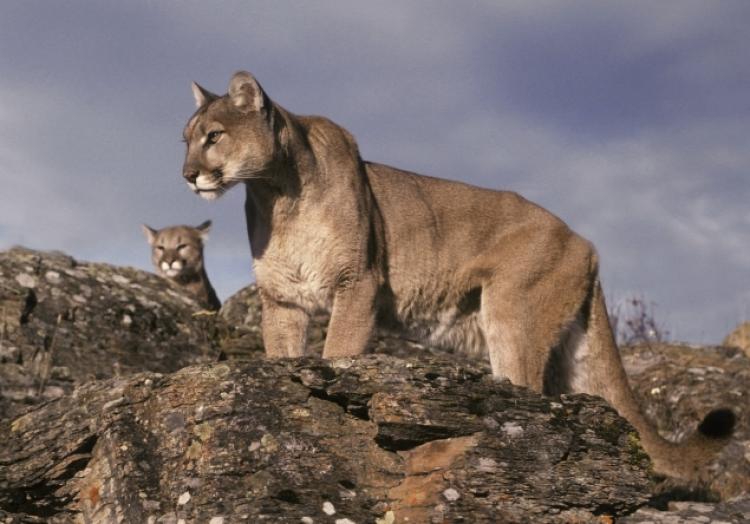
The majestic mountain lion, a creature of stealth and power, is native to the Americas, with its range historically extending across a wide swathe of the continent. Their presence in New York is a topic that sparks considerable interest, particularly as more people venture into the state’s diverse natural areas, from the rolling hills of the Adirondacks to the rugged terrain of the Catskills.
Historical Footprints and Official Stance
For many years, the official stance from New York State wildlife agencies, like the New York State Department of Environmental Conservation (NYSDEC), has been that mountain lions are not considered a breeding population within the state. This assertion is based on a lack of conclusive evidence, such as den sites, tracks confirmed to be from a breeding female, or repeated sightings that indicate a sustainable population.
However, history tells a different story. Mountain lions were indeed a native species to New York and much of the eastern United States. They were systematically eradicated by the late 19th century due to hunting, habitat loss, and bounty programs. The wilderness of New York, once home to these apex predators, gradually became devoid of their presence, pushing them westward.
The reintroduction of any native species into an ecosystem is a complex undertaking, requiring extensive research, habitat assessment, and public consensus. While the NYSDEC has not officially reintroduced mountain lions, the possibility of their return, either through natural dispersal from other regions or potential future reintroduction efforts, keeps the question alive.
The Elusive Eastern Cougar: A Ghost of the Past?
The concept of the “Eastern Cougar” has been a subject of scientific debate. For a long time, the U.S. Fish and Wildlife Service recognized the Eastern Cougar as a distinct subspecies. However, in recent years, genetic studies have led to a reassessment. The consensus now is that the Eastern Cougar is likely extinct, and any mountain lion sightings in the eastern United States are more probably attributed to individuals that have dispersed from western populations, particularly Florida Panthers, or from captive animals that have escaped or been released.
This distinction is crucial when considering the potential presence of mountain lions in New York. If a mountain lion is sighted, it is unlikely to be a remnant of the original eastern population, but rather a transient individual from another established range.
Signs and Sightings: What to Look For and What They Mean
Despite the official stance, anecdotal evidence of mountain lions in New York continues to surface. These reports, while often met with skepticism, contribute to the ongoing mystery. Understanding what constitutes a credible sighting and what signs to look for is vital for both public safety and scientific observation.
Interpreting Sightings and Evidence
A single sighting, especially by a lone individual, can be difficult to verify. However, when multiple credible reports emerge from a specific area, it warrants further investigation. Key pieces of evidence that wildlife biologists look for include:
- Tracks: Mountain lion tracks are distinctive. They are typically larger than those of a domestic dog or coyote, roughly three inches wide, with four toes and a distinct heel pad. Crucially, mountain lion tracks do not show claw marks, as they have retractable claws, unlike dogs and coyotes. The hind foot typically lands within or very near the track of the front foot, creating a “print within a print” effect, especially in soft substrate.
- Scat: Mountain lion scat is generally large and tubular, often containing hair and bone fragments from prey. The diameter can be substantial, and the shape can vary.
- Scratches: Mountain lions often mark their territory with deep scratch marks on trees. These are typically made by dragging their hind claws down the bark, creating parallel gouges.
- Kill Sites: Mountain lions are known to cache their kills, covering them with debris like leaves and branches for later consumption. The remains of prey animals, particularly deer, found in such a manner could be indicative of a mountain lion’s presence.
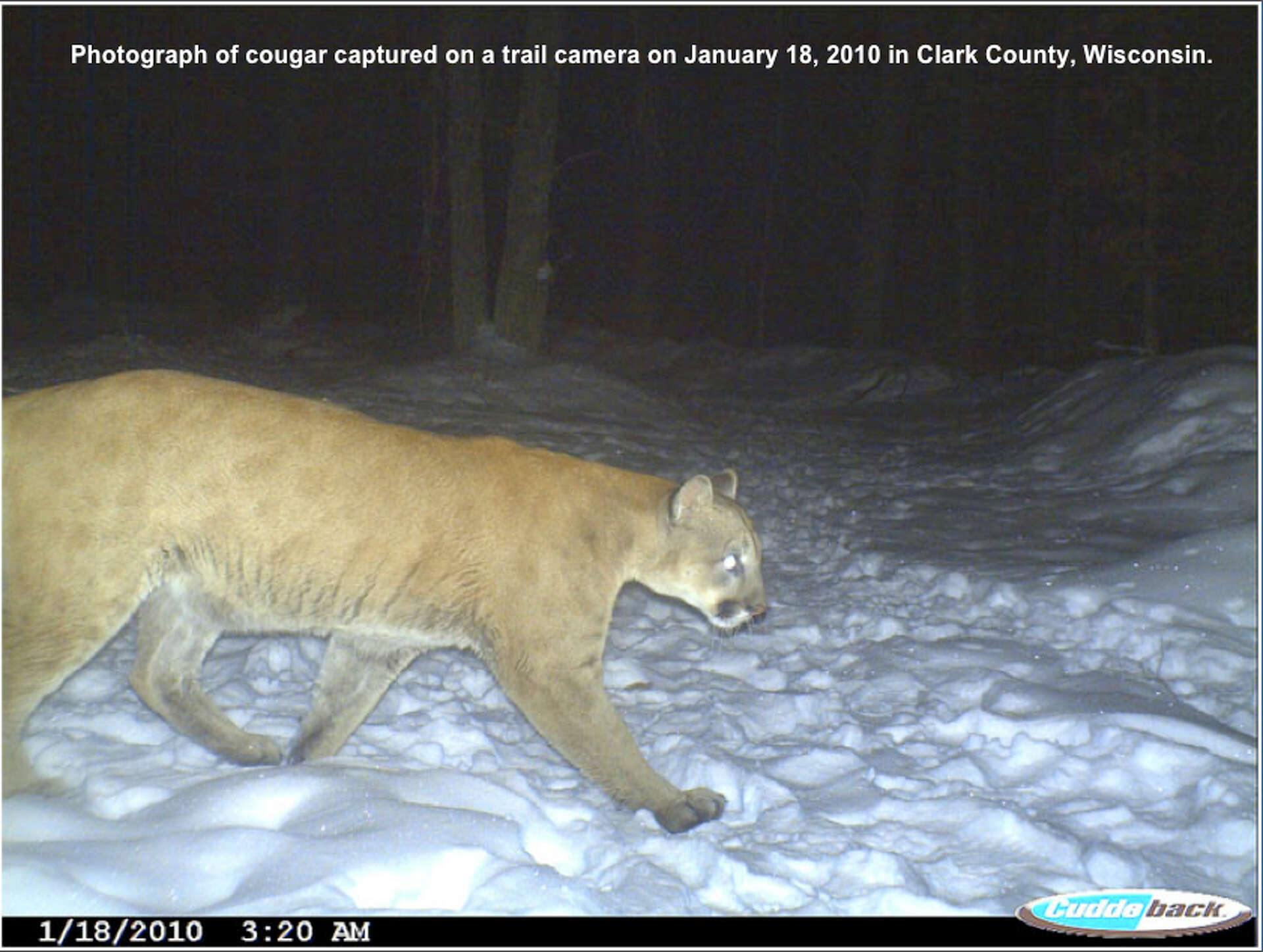
- Photographic and Video Evidence: Clear photographs or videos, especially those captured by motion-activated trail cameras, can provide invaluable confirmation. However, the quality and clarity of such evidence are paramount for accurate identification, differentiating them from other large mammals like bobcats or even domestic dogs.
When a potential sighting is reported to the NYSDEC, trained biologists will assess the credibility of the report and, if possible, investigate the area for corroborating evidence. The goal is to move beyond speculation to scientifically verifiable data.
The Role of the Adirondacks and Catskills
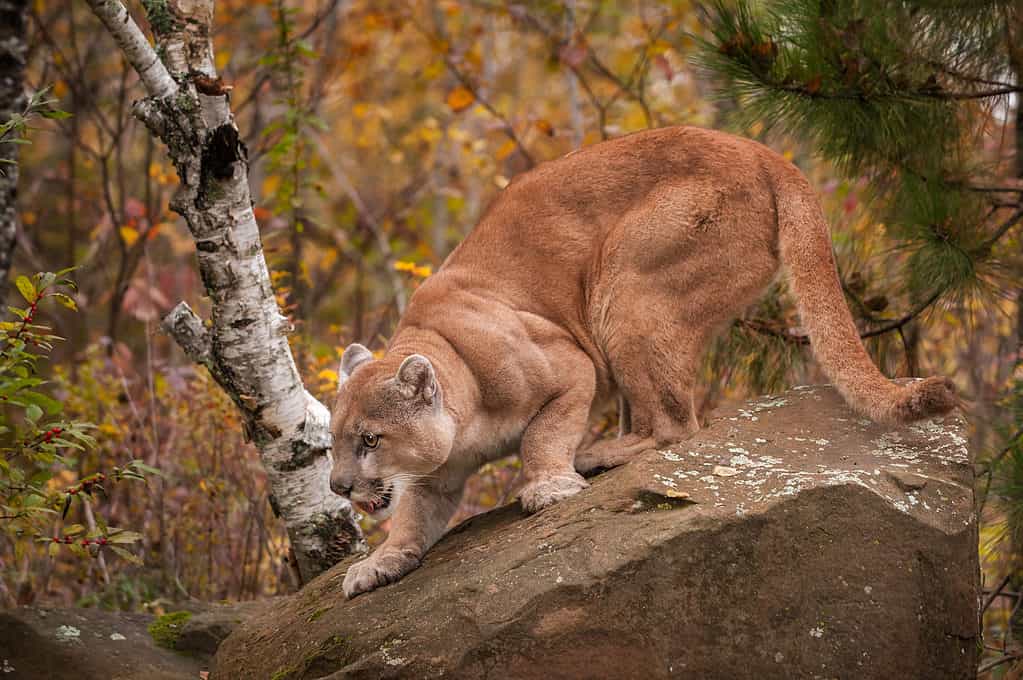
The vast, undeveloped wilderness of the Adirondack Park and the Catskill Mountains are the most likely areas where a transient mountain lion might be found. These regions offer extensive forest cover, ample prey populations, and a degree of isolation that could support such a large predator.
The Adirondacks, a sprawling expanse of mountains, forests, and lakes, is the largest protected wilderness area in the contiguous United States. Its sheer size and relative wildness make it a plausible corridor for dispersal. Similarly, the Catskills, known for their scenic beauty and hiking trails, provide a substantial habitat that could theoretically support a large feline.
However, even in these vast tracts, confirmed evidence remains elusive. This doesn’t necessarily mean mountain lions aren’t present, but rather that definitive proof of a breeding population or even consistent transient presence is yet to be established by official wildlife authorities. The challenges of monitoring wildlife in such extensive and often remote areas are significant.
Living Alongside Potential Predators: Safety and Preparedness
Should mountain lions be present, even transiently, in New York, understanding how to coexist safely is paramount. Wildlife experts offer guidance for hikers, campers, and residents in areas where these animals might be encountered. The primary objective is to prevent negative interactions and ensure both human and animal safety.
Tips for Hikers and Outdoor Enthusiasts
For anyone exploring the natural beauty of New York, from a day hike in the Hudson Valley to an extended camping trip in the Allegheny Mountains, being aware of your surroundings is key.
- Hike in groups: Traveling in groups can deter predators.
- Make noise: Talking, singing, or clapping can alert animals to your presence, giving them a chance to avoid you.
- Keep pets on a leash: Dogs can provoke or be seen as prey by mountain lions. Keeping them leashed is crucial for their safety and to avoid attracting unwanted attention.
- Be aware of your surroundings: Pay attention to signs of wildlife, such as tracks or scat. Avoid hiking at dawn or dusk when mountain lions are most active.
- Never feed wildlife: Feeding wild animals can habituate them to human presence, leading to dangerous encounters.
- If you see a mountain lion: Do not run. Make yourself appear larger by raising your arms or opening your jacket. Speak in a calm, firm voice. If the animal approaches, throw rocks or sticks, but do not make direct eye contact, as this can be perceived as a challenge. Back away slowly.
What to Do in Case of an Encounter
In the rare event of a direct encounter, remaining calm and following established safety protocols is essential. The NYSDEC provides specific guidelines for such situations. The goal is always to de-escalate the encounter and allow the animal to retreat.
The Role of Captive Animals and Dispersal
A significant factor in the discussion of mountain lions in New York is the possibility of escaped or released captive animals. Private individuals may own exotic pets, and these animals can sometimes escape enclosures. Additionally, zoos and wildlife sanctuaries, such as the Bronx Zoo, house various species, and while escapes are exceedingly rare due to stringent security measures, they remain a theoretical possibility.
Furthermore, the increasing populations of mountain lions in areas like Florida have led to some individuals dispersing northward. While the journey from Florida to New York is considerable, it is not entirely impossible for a young, dispersing male to travel vast distances in search of new territory. These transient individuals would likely be solitary and would move through the landscape without establishing a permanent presence.
Conclusion: An Ongoing Inquiry
The question of whether mountain lions exist in New York State remains an open one, steeped in history, scientific inquiry, and the enduring mystique of the wild. While official declarations point to a lack of a breeding population, the persistent anecdotal evidence, coupled with the vastness of New York’s wilderness, keeps the possibility alive.
For travelers and residents, the best approach is one of informed respect. Understanding the habits of wildlife, practicing safety in natural environments, and reporting any credible sightings to the authorities contribute to both personal safety and the ongoing effort to understand the natural world around us. Whether the whisper of a mountain lion in the Adirondack pines will ever be confirmed by a definitive footprint or a clear photograph, the enduring question itself adds another layer to the wild allure of New York State.
LifeOutOfTheBox is a participant in the Amazon Services LLC Associates Program, an affiliate advertising program designed to provide a means for sites to earn advertising fees by advertising and linking to Amazon.com. Amazon, the Amazon logo, AmazonSupply, and the AmazonSupply logo are trademarks of Amazon.com, Inc. or its affiliates. As an Amazon Associate we earn affiliate commissions from qualifying purchases.