
The vast and diverse landscapes of Texas conjure images of sprawling ranches, bustling cities like Houston and Dallas, and iconic natural landmarks. But beneath the veneer of familiar tourism, a wilder, more untamed Texas thrives, home to a creature of myth and majesty: the mountain lion. For those planning an adventure to the Lone Star State, particularly into its rugged western reaches, the question “Are there mountain lions in Texas?” is not just a point of curiosity but a vital consideration for travel and safety. The unequivocal answer is yes, mountain lions, also known as cougars, pumas, or panthers, are indeed residents of Texas, playing a crucial role in the state’s intricate ecosystem.
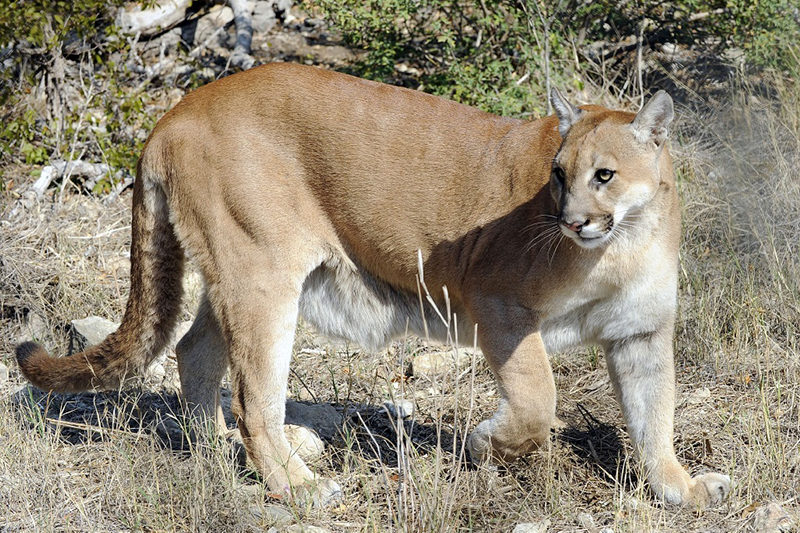
Understanding their presence, habits, and the best practices for coexisting with them is essential for any traveler venturing beyond the urban sprawl into the state’s natural beauty. This guide delves into the world of Texas mountain lions, providing insights for responsible tourism, outdoor safety, and how to best experience the wild heart of this remarkable destination, from luxury resorts near natural wonders to rustic stays within their domain.
The Elusive King of the Texas Wilderness
The mountain lion stands as a symbol of wild Texas, embodying the untamed spirit of its most remote corners. These magnificent predators are apex hunters, playing a critical role in maintaining the balance of their ecosystems by managing deer populations and other prey. Their presence signifies a healthy and thriving natural environment, a testament to conservation efforts and the sheer resilience of nature itself. For travelers interested in ecotourism and experiencing the authentic wilderness of Texas, understanding the mountain lion is key to appreciating the state’s rich biodiversity.
Where to Find Them: Habitats and Hotspots
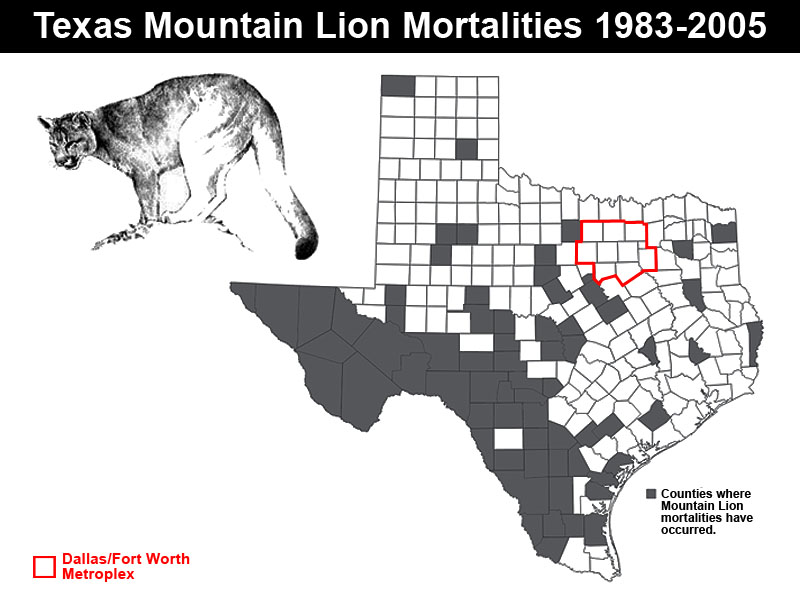
While mountain lions technically roam across a significant portion of Texas, their populations are most concentrated in the vast and rugged western and southwestern regions. The Trans-Pecos area, in particular, is considered the heartland of mountain lion country. This region, characterized by its dramatic mountain ranges, arid deserts, and deep canyons, provides the ideal habitat for these elusive felines.
Key areas where sightings, or at least signs of their presence, are more likely include:
- Big Bend National Park: Arguably the most famous and ecologically significant park in Texas, Big Bend is a prime habitat for mountain lions. Its expansive and remote wilderness, including the Chisos Mountains, offers abundant prey and dense cover. Visitors to Big Bend often come for the dramatic landscapes and unique wildlife, making it a top destination for those seeking an authentic Texas adventure.
- Guadalupe Mountains National Park: Home to the four highest peaks in Texas, including Guadalupe Peak, this park’s rugged terrain and coniferous forests provide excellent cover and hunting grounds for cougars. Hikers exploring trails in this park should always be aware of their surroundings.
- Davis Mountains Preserve: Managed by the Nature Conservancy, this sky island mountain range offers cooler temperatures and denser vegetation than the surrounding desert, creating a diverse ecosystem that supports mountain lions. It’s a fantastic spot for nature enthusiasts, though public access might be more restricted than national parks.
- Big Bend Ranch State Park: Often called the “other Big Bend,” this state park offers an even wilder and more remote experience than its national park counterpart, extending the prime habitat along the Rio Grande.
- Texas Hill Country: While less common than in the Trans-Pecos, mountain lion sightings have been reported in the western parts of the Hill Country, particularly in areas with significant deer populations and dense brush. This region, famous for its wineries, charming towns like Fredericksburg and New Braunfels, and scenic drives, offers a different kind of wild experience, sometimes intersecting with the territories of these majestic animals.
Their adaptability also means they can occasionally be found in other remote, brushy areas across the state, especially where human development encroaches on their historical ranges. However, these are typically transient individuals or younger animals dispersing to find new territories.
Understanding Their Behavior
Mountain lions are incredibly shy and reclusive animals, masters of camouflage and stealth. They are primarily nocturnal or crepuscular, meaning they are most active at dawn, dusk, and throughout the night. This elusive nature is precisely why direct sightings are extremely rare, even in areas with healthy populations. Most encounters, if they happen, are fleeting glimpses.
Their diet consists mainly of deer, but they will also prey on smaller mammals like rabbits, raccoons, and even domestic livestock if available. They are solitary creatures, coming together only to mate, and females raise their cubs alone. Understanding these behavioral patterns is crucial for any traveler venturing into their domain. They typically avoid human contact and pose little threat to people, provided appropriate precautions are taken. Their natural instinct is to be wary of humans, and they will usually flee if detected. This makes a true “wildlife viewing” experience of a mountain lion incredibly challenging, if not nearly impossible, and certainly not something to actively seek out closely.
Texas Travel and Mountain Lion Encounters: What You Need to Know
For the adventurous traveler, the presence of mountain lions in Texas adds an undeniable thrill to exploring its wild landscapes. It highlights the importance of respecting nature and understanding the delicate balance of wilderness ecosystems. Whether you’re planning an intense backpacking trip, a scenic drive, or a stay at a remote resort in West Texas, being prepared is part of the experience.
Essential Safety Tips for Outdoor Enthusiasts
While mountain lion attacks are exceedingly rare, especially in Texas, awareness and preparedness are paramount for anyone exploring their habitat. The risks are minimal, but understanding how to minimize them further ensures a safe and enjoyable trip.
Here are key safety tips for travelers:
- Hike in Groups: Hiking with companions is always safer. It reduces the likelihood of being perceived as prey and provides a sense of security.
- Keep Children and Pets Close: Small children and pets can be perceived as vulnerable prey. Always supervise children closely and keep pets on a leash, especially during dawn, dusk, and at night.
- Make Noise: While hiking, make enough noise to avoid surprising a mountain lion. This allows the animal to hear you and typically move away long before you ever see it.
- Be Aware of Your Surroundings: Pay attention to signs of wildlife, such as tracks, scat, or fresh kills. Avoid wearing headphones that might obscure natural sounds.
- Do Not Approach Wildlife: Never approach a mountain lion or its cubs. Give them ample space.
- If You Encounter One:
- Do Not Run: Running can trigger a chase response.
- Stand Your Ground: Face the animal and make eye contact.
- Make Yourself Look Large: Raise your arms, open your jacket, and speak in a loud, firm voice. Pick up small children or pets.
- Throw Objects: If the mountain lion does not retreat, throw rocks or sticks at it.
- Fight Back if Attacked: Use anything at your disposal to fight back aggressively. People have successfully fought off mountain lion attacks.
- Camp Safely: Store food in bear-proof containers or suspended from trees, and keep a clean campsite. Do not leave food scraps or pet food out overnight.
- Respect Park Regulations: Always adhere to rules and guidelines set by national parks, state parks, and other land management agencies regarding wildlife safety.
These precautions are not meant to deter visitors but to empower them with knowledge, ensuring that a trip to the Texas wilderness is memorable for all the right reasons.
Responsible Wildlife Viewing and Conservation
For those hoping to catch a glimpse of the state’s iconic wildlife, including its apex predators, responsible practices are crucial. Ethical wildlife viewing emphasizes observation from a safe distance, minimizing disturbance to the animals and their habitat. Using binoculars or telephoto lenses is ideal.
Furthermore, tourism plays a vital role in conservation. By visiting Texas’s national and state parks, staying at eco-friendly accommodations, and participating in guided tours that prioritize ecological preservation, travelers contribute directly to the funding and support of these wild spaces. Many organizations, like the Texas Parks and Wildlife Department, work tirelessly to monitor mountain lion populations, study their habits, and implement conservation strategies. Your travel choices can directly impact the success of these efforts, ensuring that future generations can also marvel at the wild beauty of Texas. Supporting local businesses that champion sustainable tourism and educating oneself about the local ecology are also key aspects of responsible travel.
Exploring Texas’s Wild Side: Destinations and Accommodations
The pursuit of encountering or simply being in the domain of Texas’s mountain lions often leads travelers to the state’s most awe-inspiring natural landscapes. These are the destinations that define the “wild” in the Lone Star State, offering unparalleled opportunities for adventure, relaxation, and connection with nature.
Iconic Parks and Natural Landmarks
Beyond the specific mountain lion habitats, many Texas natural landmarks offer incredible travel experiences, ranging from desert expanses to coastal wonders. While mountain lions are primarily a West Texas phenomenon, the spirit of wildness permeates other areas too.
- Big Bend National Park and Big Bend Ranch State Park: These twin parks are a must for any nature lover. From hiking the scenic trails of the Chisos Mountains and floating the Rio Grande to exploring the vast desert plains, they offer a myriad of activities. The small, artsy town of Terlingua near Big Bend provides a unique cultural experience with its ghost town remnants and vibrant local scene.
- Guadalupe Mountains National Park: Known for its dramatic canyons and impressive peaks, this park is a hiker’s paradise. The Fall Colors at McKittrick Canyon are particularly famous, drawing visitors from across the country.
- Palo Duro Canyon State Park: While not a primary mountain lion habitat, it’s the second-largest canyon in the United States and offers breathtaking scenery, hiking, and equestrian trails in the Texas Panhandle.
- Padre Island National Seashore: For a completely different wild experience, this protected barrier island offers undeveloped beaches, birdwatching, and sea turtle conservation efforts. It’s a testament to Texas’s incredible ecological diversity.
These destinations provide the perfect backdrop for adventures that range from strenuous hikes to leisurely scenic drives, allowing travelers to immerse themselves in the distinct natural beauty of Texas.
Choosing Your Base: Hotels, Resorts, and Unique Stays
When planning a trip to Texas’s wild frontiers, accommodation choices can significantly enhance the experience. The options vary greatly, catering to different travel styles, from luxury to budget-conscious, and from immersive wilderness experiences to comfortable stays with modern amenities.
- Near Big Bend and Davis Mountains: Towns like Alpine, Fort Davis, and Marfa serve as excellent bases for exploring the Trans-Pecos.
- Alpine: A larger town with several hotels and motels, providing a good balance of amenities and proximity to attractions. It offers a more traditional hotel experience.
- Fort Davis: Known for its historic Fort Davis National Historic Site and the McDonald Observatory, it has charming guesthouses and cabins that blend into the natural surroundings.
- Marfa: A quirky art town famous for its minimalist art installations and the mysterious Marfa Lights. Here, you can find boutique hotels like Hotel Saint George or unique accommodations like El Cosmico, which offers yurts, tepees, and vintage trailers, perfect for a chic glamping experience.
- In-Park Lodging: Within Big Bend National Park itself, the Chisos Mountains Lodge offers the only in-park hotel accommodation, providing stunning views and immediate access to trails. Reservations here are highly sought after, often requiring booking months in advance.
- Camping and RV Parks: For the true outdoor enthusiast, numerous campgrounds are available in both national and state parks, ranging from primitive backcountry sites to developed RV parks with hookups. This is the most immersive way to experience the Texas wilderness. Always check booking availability and regulations.
- Luxury and Boutique Options: For those seeking a more upscale experience, remote resorts and ranches in the Hill Country or West Texas offer luxurious suites, fine dining, and curated experiences like guided hikes or stargazing tours. These often serve as a perfect blend of comfort and access to nature, appealing to a lifestyle that values both adventure and indulgence.
When choosing accommodation, consider your itinerary, desired level of comfort, and proximity to the natural attractions you wish to explore. Booking in advance is highly recommended, especially during peak seasons, to secure your preferred stay. Many options offer stunning views, access to amenities like swimming pools, and insights into local culture and cuisine, making your stay an integral part of your Texas adventure.

Embracing the Wild Texas Lifestyle
For many, travel to Texas is about more than just visiting destinations; it’s about embracing a lifestyle. The presence of mountain lions underscores the wild heart of the state, inviting visitors to connect with nature on a deeper level. This connection manifests in various travel styles:
- Adventure Travel: From challenging hikes in the Chisos Mountains to river trips along the Rio Grande, Texas offers adrenaline-pumping experiences. Knowing that you’re sharing the landscape with an apex predator only heightens the sense of adventure and respect for the wilderness.
- Eco-Tourism: Travelers focused on sustainability and wildlife observation will find Texas a rewarding destination. Opportunities for birdwatching, stargazing, and understanding desert ecosystems abound. Education about mountain lions and their role contributes to a richer, more meaningful eco-tourism experience.
- Luxury Travel with a Wild Edge: It’s possible to combine luxury accommodations with wilderness exploration. Imagine staying in a high-end villa or boutique hotel in Marfa or Fredericksburg, enjoying gourmet meals, then venturing out for a guided tour of a remote natural area. This blend offers the best of both worlds, appealing to those who seek comfort alongside authentic experiences.
- Family Trips: With proper planning and education, even families can enjoy the wild side of Texas. State parks offer ranger programs, kid-friendly trails, and educational exhibits that teach about local wildlife, including mountain lions, in a safe and engaging manner.
- Digital Nomad Stays: For those looking for long-term stays, regions like the Hill Country offer a balance of natural beauty, quaint towns, and sometimes even coworking spaces. Imagine working from a cabin overlooking a scenic vista, knowing the wilderness is just beyond your doorstep.
The mountain lion serves as a powerful reminder of the wild, untamed beauty that still exists in Texas. Its presence enriches the travel experience, encouraging visitors to step outside their comfort zones, learn about nature, and embrace a lifestyle of respectful coexistence with the wild.
In conclusion, yes, mountain lions are very much a part of the Texas landscape, primarily thriving in its rugged Trans-Pecos region. While encounters are rare, understanding their habitat, behavior, and how to safely navigate their territory enhances the travel experience, transforming a simple trip into an immersive adventure. Texas offers a spectrum of travel opportunities, from the thrill of wilderness exploration in Big Bend to the comfort of luxury resorts, all underpinned by the rich natural heritage that includes its elusive king, the mountain lion. So, pack your bags, prepare for adventure, and explore the wild side of Texas responsibly.
LifeOutOfTheBox is a participant in the Amazon Services LLC Associates Program, an affiliate advertising program designed to provide a means for sites to earn advertising fees by advertising and linking to Amazon.com. Amazon, the Amazon logo, AmazonSupply, and the AmazonSupply logo are trademarks of Amazon.com, Inc. or its affiliates. As an Amazon Associate we earn affiliate commissions from qualifying purchases.